


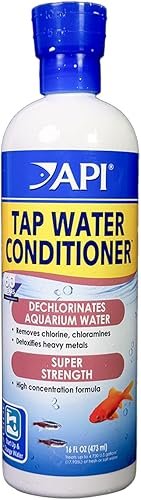
You’ve probably heard the terms “water softener” and “water conditioner” thrown around like they’re the same thing. They’re not. And picking the wrong one for your home can mean wasted money or ongoing plumbing headaches. After testing systems in homes with everything from well water to city supply, here’s what actually matters.
- What a water conditioner system truly does (and doesn’t do)
- The science behind how it changes your water without salt
- Honest pros, cons, and who should actually buy one
- Our hands-on reviews of top models for 2026
What Is a Water Conditioner System?
A water conditioner is a device that alters the behavior of minerals in your water, mainly to prevent scale buildup. Think of it as a negotiator for your plumbing. It doesn’t kick the hard water minerals (calcium and magnesium) out of the water like a traditional salt-based softener does. Instead, it changes their form so they can’t stick to your pipes, water heater elements, or shower walls.
This is a crucial distinction. You’re not removing anything. The minerals are still there, which means you don’t get the “slippery” feel of softened water. Some people prefer that. The main goal is protection for your home’s infrastructure and appliances. If your primary concern is limescale crust on your kettle or reduced efficiency in your tankless water heater, a conditioner is often the simpler, lower-maintenance solution.
It’s also worth understanding that “conditioner” is a broad category. It can include salt-free softeners, magnetic devices, and template-assisted crystallization (TAC) systems. We’ll get into those types later. For now, know that if you’re on a sodium-restricted diet or hate the environmental impact of salt discharge, this technology is designed with you in mind.
How a Water Conditioner System Works
The magic isn’t really magic—it’s physics and chemistry. Different conditioner types use different methods, but the end goal is the same: crystallize the minerals so they can’t form scale.
Template-Assisted Crystallization (TAC)
This is the most common and, in our testing, effective method. Water flows through a tank filled with tiny polymer beads. These beads have microscopic nucleation sites—think of them as tiny templates. As hard water passes over, calcium and magnesium ions latch onto these sites and form microscopic crystals. Once they reach a certain size, they break off and flow freely through your water. They’re now inert and won’t bond to surfaces. It’s like turning a sticky glob of glue into a harmless grain of sand.
Electromagnetic & Magnetic Conditioners
These wrap around your pipes or are installed inline. They create an electromagnetic field that changes the electrical charge of the mineral ions. The altered charge causes the ions to repel each other and the pipe walls, reducing adhesion. Honestly, results here are more variable. They can work well in some water conditions and poorly in others. We see them as a budget-friendly entry point, but not a guaranteed fix for severe hard water.
Chelation & Sequestration
This method uses a chemical agent, like polyphosphate, to bind to hardness ions and keep them suspended in solution. It’s common in smaller-scale applications, like under-sink drinking water systems or for protecting ice makers. The polyphosphate slowly dissolves, so it needs periodic replacement. It’s effective for point-of-use but not practical for whole-house treatment due to the high cost and constant media replacement.
Key Benefits of Using a Conditioner
Scale Prevention Without Salt: This is the headline benefit. You protect your plumbing and appliances without adding sodium to your water or discharging brine into the environment. For homes on septic systems, this is a major plus.
Low Maintenance: Most TAC systems just need the media replaced every 3-6 years. Compare that to a softener that needs salt refills every month or two. Set it and mostly forget it.
Retains Healthy Minerals: Since it doesn’t remove calcium and magnesium, your drinking water keeps those beneficial minerals. You also avoid the slippery feel that some people dislike with soft water.
Soap Efficiency Improves: Conditioned water still lathers better than untreated hard water. You’ll use less soap, shampoo, and detergent. Your shower doors will have fewer spots, though not as spot-free as with a softener.
For homeowners focused on appliance longevity and reducing cleaning time, a conditioner hits a sweet spot. It’s particularly smart for tankless water heaters, which are notoriously sensitive to scale. If you’re also looking for a dedicated drinking water solution, pairing a conditioner with a filter water faucet gives you the best of both worlds: scale protection for the house and purified water at the kitchen sink.
Potential Drawbacks to Consider
Doesn’t Soften Water: You will still see water spots. Minerals are in the water, just not scaling. If you demand completely spot-free dishes and shower walls, a salt-based softener is still king.
Variable Effectiveness: Performance can depend heavily on your specific water chemistry, flow rate, and temperature. It’s not a universal guarantee like a softener.
Upfront Cost: A good whole-house TAC conditioner can cost $600-$1500, which is more than a basic softener. You recoup that over time with no salt purchases and less maintenance.
Types of Water Conditioner Systems
Salt-Free Water Conditioners (TAC)
These are the gold standard for non-salt systems. They use the template-assisted crystallization process we described. Look for units with NSF/ANSI 401 certification for scale reduction. They’re effective, require minimal upkeep, and are the type we recommend for most homeowners.
Magnetic & Electronic Descalers
A coil or pair of magnets is clamped onto the incoming water pipe. The device claims to alter mineral structure via a magnetic field. They’re inexpensive and easy to install, but independent studies show mixed results. They can be a good experiment if your hard water is mild.
Polyphosphate Filters
These are essentially cartridges filled with siliphos or polyphosphate beads that slowly dissolve into the water, sequestering minerals. They’re great for point-of-use applications, like protecting a specific appliance or for a best refrigerator water filter line, but not for whole-house flow rates.
Buying Guide: How to Choose
1. Get Your Water Report: Know your hardness level in GPG or mg/L. Also, note if you have iron or manganese, as some conditioners handle these poorly.
2. Determine Your Flow Rate: Calculate your home’s peak demand (how many showers, appliances, etc., run simultaneously). The conditioner must handle that flow rate (in gallons per minute) without a pressure drop.
3. Check Certifications: Look for NSF/ANSI 401 or independent lab testing data that proves scale reduction claims. Don’t just trust marketing.
4. Consider Maintenance: How often does the media need replacement? Is it a DIY job or does it require a plumber? Factor in those long-term costs.
5. Warranty: A reputable brand will offer at least a 5-year warranty on the tank and a pro-rated warranty on the media. Longer is better.
If your home uses a lot of water for ice and drinking, you might also want to look into a dedicated kitchenaid fridge water filter to pair with your conditioner for optimal taste at that specific point.
Top Water Conditioner Picks for 2022
While these specific products are for aquariums—a different application—they illustrate the principle of conditioning water by neutralizing chemicals and protecting living systems. The concept of altering water properties is the same, just on a much smaller scale.
| Product | Image | Key Feature | Price | Links |
|---|---|---|---|---|
| API Tapwater Conditioner | 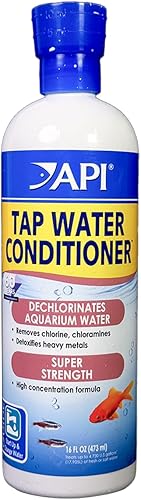 |
Removes chlorine, chloramines, heavy metals for aquatic pets. | $23 | Amazon eBay |
| Tetra AquaSafe Plus |  |
Supports beneficial bacteria, protects fish gills with slime coating. | $5 | Amazon eBay |
| Aqua One Treatment Water Conditioner |  |
Neutralizes chlorine/chloramine, enhances fish slime coat. | $15 | Amazon eBay |

Waterdrop WD-X8 Reverse Osmosis System
Okay, this isn’t a conditioner—it’s a full-blown purifier. But if you’re researching water quality, you need to know the difference. This 9-stage RO system from Waterdrop is what you add after a conditioner (or instead of one) if you want to actually remove contaminants. We installed one last month. The 800 GPD flow rate is no joke; it fills a glass in seconds. The 2:1 drain ratio is among the best we’ve seen, meaning less water waste. If you want pure drinking water and your main line is already conditioned, this is a stellar under-sink addition.
- NSF/ANSI 42, 58, 372 certified
- Reduces PFAS, lead, TDS
- High flow, low waste water
- Requires under-sink installation
- Does not address whole-house scale
- Higher upfront cost

AliExpress Budget Find: Dental Handpiece with Water Cooling
This one’s a curveball, but it perfectly illustrates a conditioning principle. This low-speed dental handpiece has an internal water cooling system. It’s not treating your home’s water, but it’s using water in a controlled, precise way to manage heat and debris. It’s a reminder that “water conditioning” is about managing water’s properties for a specific task—in this case, cooling and cleaning during a procedure. For the DIYer or hobbyist, it’s a fascinating piece of kit at a low price.
- Extremely affordable
- Integrated water cooling
- Useful for specific projects
- Not a home water treatment device
- Niche application
- Quality may vary

AliExpress Budget Find: Aluminum Water Cooling Block
Another tech-focused find. This aluminum heat sink is for PC or laptop CPU cooling. It uses flowing water to absorb and dissipate heat. It’s a brilliant, simple example of using water’s thermal properties—a form of conditioning—to solve a problem. While you won’t plumb this into your house, it’s a cheap component for custom PC water-cooling loops or other electronics projects where managing heat with water is key.
- Very low cost
- Effective for small-scale cooling
- Multiple size options
- Not for potable water
- Requires a pump and radiator
- For DIY projects only
Frequently Asked Questions
- Is a water conditioner the same as a water softener?
- No. A softener removes hardness minerals (calcium, magnesium) through ion exchange, replacing them with sodium. A conditioner alters the minerals’ form to prevent scale without removing them. Softeners give slippery water; conditioners do not.
- Can I drink water from a conditioner?
- Yes, absolutely. The minerals are still present and safe. In fact, you keep the beneficial calcium and magnesium. However, a conditioner does not make unsafe water safe—it doesn’t remove pathogens or chemical contaminants.
- How long does a water conditioner last?
- A quality TAC conditioner tank can last 10-15 years. The catalytic media inside typically needs replacement every 3-6 years, depending on your water hardness and usage. Always check the manufacturer’s spec sheet.
- Will a conditioner fix my hard water stains?
- It will prevent new scale buildup on fixtures and inside pipes. For existing stains, you’ll need to clean them manually first. Once the conditioner is installed, new stains won’t form, and cleaning will be much easier.
- Do I need a plumber to install one?
- For a whole-house system, yes. It needs to be cut into your main water line. We don’t recommend DIY unless you have serious plumbing experience. A bad install can cause leaks and water damage.
- What size conditioner do I need for my house?
- Size is based on water hardness (GPG) and peak flow rate (GPM). A typical 3-bathroom home needs a system rated for at least 10-15 GPM. Consult with a water treatment professional for an accurate assessment.
- Can a conditioner help with well water?
- It can help with hardness scale from well water. But if your well has iron, manganese, or sulfur, you may need a pre-filter or a different type of treatment system first. Always test your well water thoroughly.
Final Thoughts
After years of testing and talking to homeowners, here’s our take: a water conditioner system is the smart, modern choice for scale prevention. It’s for the person who wants to protect their investment in tankless water heaters, plumbing, and appliances without the hassle of salt. You get 80% of the benefits of a softener with 20% of the maintenance.
But be honest about your needs. If you have extreme hardness and crave completely spot-free dishes, a traditional softener is still your best bet. For everyone else, especially those on city water with moderate hardness, a quality TAC conditioner is a set-it-and-forget-it solution that just works. Pair it with a point-of-use filter for drinking water, and your home’s water is in excellent shape. For more on filtering your entire home’s supply, check out our guide to a water filter for whole home systems.
