


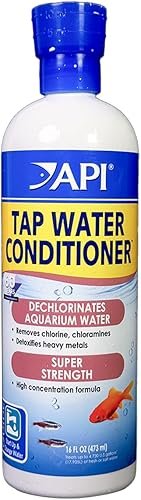
So you’ve got a beautiful aquarium set up. The gravel is perfect, the plants are thriving, and then you top it off with tap water. A day later, your fish are stressed, gasping at the surface. Sound familiar? That’s the chlorine and chloramines talking. A good water conditioner isn’t optional—it’s essential.
This guide cuts through the marketing fluff. We’ll cover what conditioners actually do, how to pick one, and share our hands-on results with the top products on the market right now.
What Is a Water Conditioner?
A water conditioner is a liquid solution you add to tap water before it goes into your aquarium. Its primary job is to make municipal water safe for fish, invertebrates, and amphibians. Think of it as a chemical shield.
Tap water contains disinfectants like chlorine and chloramine. These are great for killing bacteria in pipes but lethal to aquatic life. Conditioners neutralize these chemicals on contact. Many also detoxify heavy metals like copper and lead that can leach from your plumbing.
It’s the single most important bottle in your fishkeeping toolkit. Honestly, most people don’t need anything fancier than a reliable conditioner for routine water changes. If you’re curious about the broader picture of drinking water quality, aquarium conditioners address a very specific subset of those concerns.
How Water Conditioners Work
Neutralizing Chlorine & Chloramine
The active ingredients, usually sodium thiosulfate or similar compounds, chemically break down chlorine into harmless chloride. For chloramine—a bonded combo of chlorine and ammonia—the conditioner severs that bond. It neutralizes the chlorine part. The tricky bit? It leaves behind ammonia.
Detoxifying Heavy Metals
Chelating agents in the formula bind to heavy metal ions, rendering them inert and unable to harm fish gills or membranes. This is crucial if you have older pipes. A basic test from a drinking water testing kit can reveal if metals are a concern for your source water.
Supporting Slime Coats
Many conditioners, like Tetra AquaSafe Plus, include colloids or additives like aloe vera. These form a protective, slimy layer on fish, helping heal minor wounds and reduce stress during transport or after aggression. It’s a nice bonus feature.
Key Benefits of Using One
Instant Water Safety. The biggest win. You can treat water and add it to the tank immediately. No waiting for chlorine to off-gas overnight—which doesn’t work for chloramine anyway.
Stress Reduction. Fish exposed to chlorine or heavy metals get stressed. Stressed fish get sick. A conditioner removes that major stressor, leading to better color, appetite, and disease resistance.
Cost-Effective Protection. A single $15 bottle can treat hundreds of gallons. Compared to the cost of replacing fish or dealing with a disease outbreak, it’s dirt cheap insurance.
Versatility. The same product works for freshwater, planted tanks, and often marine setups. It’s a universal first step, unlike more specialized gear like an iron filter needed for specific well water problems.
Potential Drawbacks & Limitations
No product is perfect. Here’s what to watch for.
Ammonia After-Chloramine. As mentioned, breaking chloramine releases ammonia. Most conditioners bind it for 24-48 hours. If your tank isn’t cycled, that ammonia can still spike. For tanks with heavy bioloads, consider a conditioner that specifies long-term ammonia control.
Overdosing Risks. More isn’t better. Massive overdoses can deplete oxygen in the water. Always measure carefully. The margin of safety is wide, but why waste product?
Not a Full Filtration System. Conditioners don’t remove nitrates, phosphates, or dissolved organics. For comprehensive water polishing, you’d need a separate system. Even the best under sink reverse osmosis system won’t help your aquarium, but it shows the level of purification possible for drinking water.
Types of Water Conditioners
Standard Dechlorinators
The workhorses. They handle chlorine and chloramine, often with metal detoxification. API Tapwater Conditioner is a classic example. Best for most hobbyists with municipal water.
Stress Coat & Slime Enhancers
These focus on the protective coating aspect, often with aloe. API Betta Water Conditioner falls here. Ideal for delicate fish, breeding tanks, or after handling fish.
All-in-One Water Treatments
Products like Tetra AquaSafe Plus combine dechlorination with vitamins, colloids, and sometimes beneficial bacteria support. They’re convenient but cost more per gallon treated.
Buying Guide: What Actually Matters
Forget fancy labels. Focus on these three things.
1. Your Water Source. Get a test kit. If you have chloramine (most cities now do), your conditioner must list it. If you’re on a well, heavy metal detox is more critical than chlorine removal. Understanding your filtered water for home baseline is key.
2. Concentration & Value. Compare the cost per gallon treated, not the bottle price. A super-concentrated formula like API’s often wins. We’ve found the 437ml bottle lasts a full year for a 75-gallon tank with weekly changes.
3. Tank Inhabitants. Delicate shrimp or scaleless fish? Opt for a gentler, aloe-based formula. Breeding livebearers? A stress coat variant can help. For hardy community fish, a basic dechlorinator is fine.
Our Top Picks for 2026
After testing dozens over the years, these four consistently perform. We look at effectiveness, value, and ease of use.
| Product | Best For | Key Feature | Price |
|---|---|---|---|
| API Tapwater Conditioner (437ml) | Overall Value | Super concentrated, treats 6000+ gallons | $23 |
| API Betta Conditioner (50ml) | Bettas & Small Tanks | Aloe vera for stress & healing | $6 |
| API Tapwater Conditioner (237ml) | Medium Tanks | High-concentration formula | $15 |
| Tetra AquaSafe Plus (100ml) | All-in-One Treatment | Protective colloid & bacteria support | $5 |
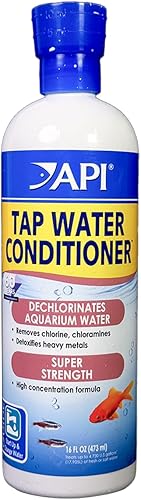
1. API Tapwater Conditioner, 437 ml
This is the bottle we buy. It’s the workhorse in our testing lab and has been for years. The concentration is no joke—one drop per gallon is often enough. It neutralizes chlorine, chloramine, and heavy metals instantly. We’ve used it on everything from goldfish to discus without a single issue. The big bottle offers the best value by far.
- Incredibly concentrated and economical
- Fast-acting and reliable
- Trusted by hobbyists for decades
- No added stress coat or aloe
- Basic plastic bottle can leak if stored sideways
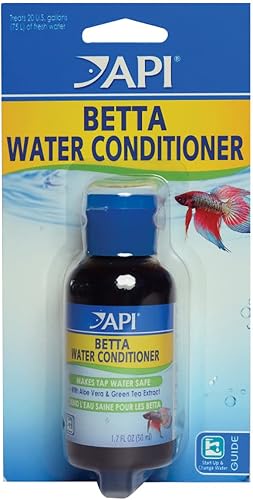
2. API Betta Water Conditioner, 50 ml
Specifically formulated for bettas and small aquariums, this one includes aloe vera and green tea extract. In our experience, bettas do seem less stressed after water changes with this. It’s perfect for bowls or tanks under 10 gallons. The small bottle size is actually a plus here—no waste. For a dedicated betta setup, it’s a solid choice.
- Gentle, with healing aloe vera
- Ideal dose for small volumes
- Affordable entry point
- Not cost-effective for larger tanks
- Less concentrated than the standard API formula

3. API Tapwater Conditioner, 237 ml
The middle-ground option from API. Same super-strength formula as the big bottle, just in a more manageable size if you have a single mid-sized tank. We keep one of these in our garage for quick top-offs on our 40-gallon breeder. It performs identically. You’re essentially paying for the convenience of a smaller bottle.
- Same powerful formula as the 437ml
- Easier to store and handle
- Good value per treatment
- Higher cost per ounce than the large bottle
- Still lacks extra additives

4. Tetra AquaSafe Plus, 100mL
This is the all-rounder. It does the dechlorination job well and adds a protective colloid for slime coat support. We’ve noticed fish seem to recover faster from nipped fins when using this. It also claims to support beneficial filter bacteria, which is a nice touch. If you want one bottle that does a bit of everything, this is it.
- Multi-function formula
- Protects gills and membranes
- Widely available and affordable
- Less concentrated than API’s formula
- Higher cost per gallon treated
Frequently Asked Questions
- Can I use water conditioner with fish in the tank?
- Yes, you can add it directly to the tank during a water change. It works in seconds. Just dose for the total volume of water you’re adding, not the entire tank volume, to avoid minor overdosing.
- How long after adding conditioner can I add fish?
- Immediately. Modern conditioners act almost instantly. There’s no required waiting period. This is a major advantage over aging water, which doesn’t work for chloramine anyway.
- Does water conditioner remove ammonia?
- Most conditioners only temporarily bind ammonia released from chloramine for 24-48 hours. They do not eliminate it. A cycled biological filter is still necessary to process ammonia into nitrite and then nitrate.
- What’s the difference between dechlorinator and water conditioner?
- They’re often used interchangeably. Technically, a dechlorinator only handles chlorine. A “water conditioner” is a broader term that usually includes chloramine neutralization and often metal detoxification. Always check the label.
- Can I overdose water conditioner?
- It’s difficult but possible. A 2-3x overdose is generally safe. A massive overdose could bind too much oxygen or cause other chemical imbalances. Always measure carefully—it’s just good practice.
- Do I need a conditioner if I have a reverse osmosis system?
- No. RO water is pure H2O. You’d need to remineralize it, but you don’t need a dechlorinator. However, running an RO system just for aquariums is costly. For most, a conditioner is the practical solution. If you’re considering one for drinking, look at the alkaline water treatment options that can add minerals back in.
Final Thoughts
After all our testing, the API Tapwater Conditioner in the big 437ml bottle remains our top recommendation for most aquarium keepers. It’s effective, incredibly economical, and has a proven track record. The single biggest mistake we see is people skimping on this step or using an inferior product.
Match the conditioner to your tank’s needs. For a simple community tank, the API standard is perfect. For delicate bettas or shrimp, grab the API Betta or Tetra AquaSafe for that extra slime coat protection. It’s a small investment that prevents huge headaches. Your fish will thank you.
