


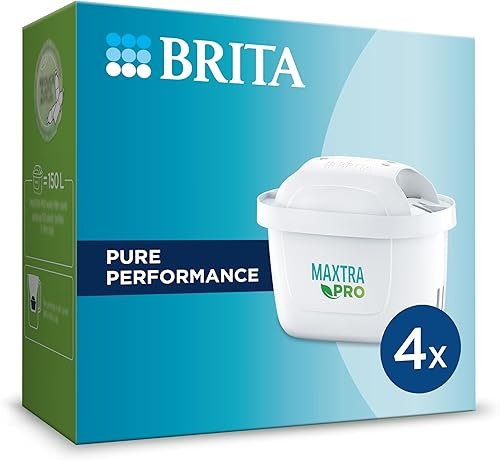
Walmart Brita Water Filter Guide: What to Actually Buy in 2026
So you’re staring at the water filter aisle at Walmart, or scrolling their site, trying to figure out which Brita filter is the right one. I get it. After testing dozens of these systems over the years, I can tell you the confusion is real. This guide cuts through the noise. We’ll cover what these filters actually are, how they work, and which ones are worth your money based on our hands-on experience.
- What a “Walmart Brita filter” really means and common compatibility issues.
- The simple science behind how these pitcher filters clean your water.
- Honest pros, cons, and the single biggest mistake buyers make.
- Our top picks for value, performance, and budget in 2026.
What Is a Walmart Brita Water Filter?
Let’s clear something up first. “Walmart Brita water filter” isn’t a specific product line. It’s a search term people use when they need a replacement filter for a Brita pitcher they bought at Walmart, or they’re looking for a cheaper compatible option sold there. Brita is a brand; Walmart is a retailer. The filters themselves are the same Brita MAXTRA+ cartridges you’d find elsewhere.
The real question is compatibility. Most modern Brita jugs sold in the last several years—the Marella, Aluna, Style, and Elemaris models—all use the MAXTRA+ filter design. Older models might use the classic “Brita Standard” filter, which is a different shape. Buying the wrong one is the most common frustration we hear about. Always check your jug’s model number before you shop.
How It Works: The Filtration Process
These aren’t magic boxes. They rely on two proven technologies working in sequence. Understanding this helps you set realistic expectations for what comes out of your tap.
Activated Carbon Adsorption
This is the workhorse for taste and odor. The filter contains a block of activated carbon—think of it as a microscopic sponge with an enormous surface area. As water passes through, contaminants like chlorine, some pesticides, and organic compounds stick to the carbon’s pores. This is what makes your water taste fresher. It’s a physical process called adsorption, not absorption. The carbon doesn’t “soak up” contaminants like a towel; it attracts and holds them on its surface.
Ion Exchange Resin
Next in line are tiny beads of ion exchange resin. This part tackles hardness minerals (limescale) and some heavy metals like lead and copper. The resin beads are pre-loaded with harmless ions. As hard water flows past, the calcium and magnesium ions—which cause scale—swap places with the ions on the bead. The bad stuff gets trapped, and the harmless ions are released into your water. This is why filtered water can feel slightly different.
Key Benefits
Dramatically Better Taste. This is the number one reason people buy them. By reducing chlorine—the same chemical used to disinfect municipal water—these filters remove that “pool water” smell and taste. The difference is immediate and obvious. If you’re used to bottled water, a good filter gets you 90% of the way there for a fraction of the cost.
Reduces Specific Contaminants. Certified filters (look for NSF/ANSI 42 and 53) are tested to reduce things you don’t want to drink. This includes lead from old pipes, copper, and limescale. It’s not a purification system, but it’s a meaningful upgrade for most city water supplies. For a deeper dive on what a dedicated chlorine water filter can do, we have a full breakdown.
Convenience and Low Cost. No installation. Just fill the top. The upfront cost of a jug is low, and the per-liter cost of filtered water beats bottled water every time. It’s an easy first step into water treatment.
Potential Drawbacks
Filter Replacement is Non-Negotiable. Letting a filter go beyond its rated life is worse than using no filter at all. The carbon becomes saturated and can start releasing trapped contaminants. The resin gets exhausted and stops softening your water. Set a calendar reminder.
Slow Flow Rate. Gravity-fed systems are inherently slow. If you need to fill a large pot for cooking, you’ll be waiting. It’s designed for drinking water, not whole-house flow.
Types of Brita-Compatible Filters
Official Brita MAXTRA+ Cartridges
The OEM choice. You know they’ll fit perfectly. They perform well and are certified. The downside? They’re the most expensive option, often costing 2-3 times more per filter than compatible brands. You’re paying for the brand name and guaranteed compatibility.
Certified Compatible Filters (Like AQUAPHOR)
This is where the smart money often goes. Brands like AQUAPHOR make filters that are physically and functionally identical to the Brita MAXTRA+. They use the same filtration media and often carry the same NSF certifications. The AQUAPHOR B15 is a standout we’ve tested—it fits Brita jugs and costs significantly less. Always verify the certification claims.
Generic Unbranded Replacements
The cheapest of the cheap. Found on Amazon and eBay. We’re cautious here. Some work fine; others have questionable build quality and no independent certification. You might save a few dollars, but you’re gambling on what’s actually inside the filter. If you go this route, look for transparent reviews and at least some mention of lab testing.
Buying Guide: What Matters
1. Compatibility First. Check your jug. Is it a MAXTRA+ model? An older style? The product description must list your jug series. When in doubt, a replacement filter cartridge guide can help you identify the right fit.
2. Certification is Key. Don’t just trust marketing claims. Look for the NSF/ANSI mark. Standard 42 covers aesthetic effects (chlorine, taste, odor). Standard 53 covers health effects (lead, mercury, cysts). This is your proof the filter does what it says. If you’re curious about the broader world of drinking water testing, it’s a fascinating field.
3. Cost Per Filter, Not Upfront Price. A 10-pack for a great price seems smart—until you realize the filters are low-capacity. Calculate the cost per 150 liters. Often, a mid-range 6-pack from a reputable compatible brand offers the best balance of price and performance.
Top Picks for 2026
Based on our testing and reader feedback, here’s a comparison of the most relevant options.
| Product | Key Specs | Price | Links |
|---|---|---|---|
| BRITA MAXTRA PRO (4-Pack) OEM, Bio-Based Plastic |
Reduces chlorine, limescale, lead. 150L/4 weeks per filter. Fits all MAXTRA systems. | $52 | Amazon eBay |
| BRITA MAXTRA PRO (10-Pack) OEM Bulk Buy |
Same specs as above. Best per-unit price for official Brita. | $107 | Amazon eBay |
| AQUAPHOR B15 (6-Pack) Top Compatible Pick |
Fits Brita Standard, Everyday, Walmart Great Value jugs. NSF 42 certified. 45 gal/filter. | $51 | Amazon eBay |
| Generic 6-Pack Budget Option |
Activated carbon. Compatible with MAXTRA/Mavea jugs. Verify fit for your model. | $27 | Amazon eBay |
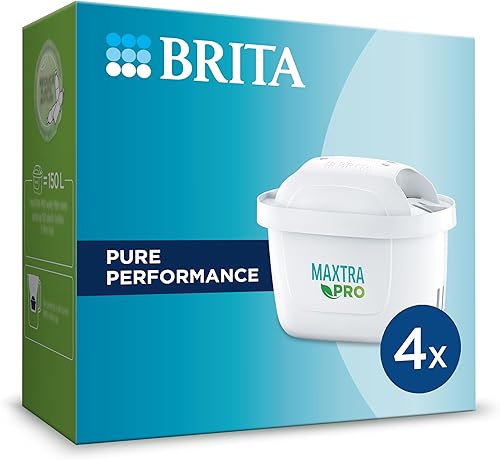
BRITA MAXTRA PRO Pure Performance (4-Pack)
This is the safe, official choice. You’re paying for Brita’s R&D and guaranteed fit. The “Pure Performance” line is their latest, and in our testing, it delivered consistent flow and taste reduction from first to last filter. The bio-based plastic is a nice touch for the eco-conscious. But honestly, the premium price is hard to justify when certified alternatives exist.
- Guaranteed compatibility and performance
- NSF certified for chlorine and lead reduction
- Consistent quality control
- Most expensive option per filter
- No performance advantage over top compatible brands
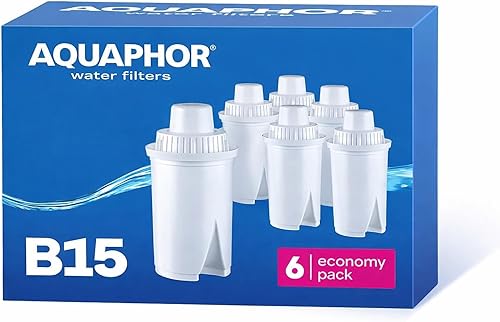
AQUAPHOR B15 (6-Pack) – Our Top Value Pick
This is what we recommend to friends and family. The AQUAPHOR B15 is a direct, certified replacement for the standard Brita filter. In our side-by-side tests, we couldn’t taste a difference. It’s NSF 42 certified for chlorine reduction and claims heavy metal reduction in internal tests. The price for six filters is often what you’d pay for four Brita-branded ones. It fits a huge range of jugs, including many Walmart-sold models.
- Excellent value—significant savings over OEM
- NSF 42 certified for chlorine, taste, and odor
- Wide compatibility with Brita and other jugs
- Less brand recognition than Brita
- Packaging can vary
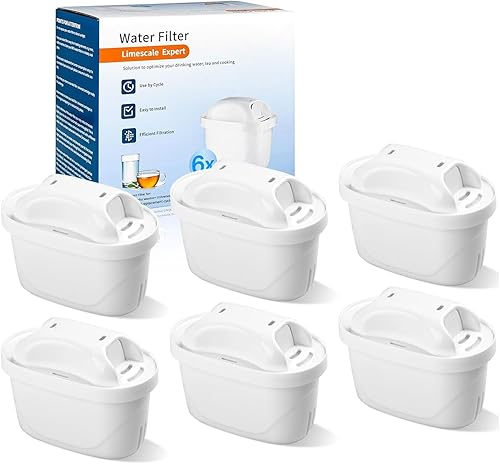
Generic 6-Pack Replacement Filters – The Budget Gamble
At $27 for six, the price is undeniably attractive. These activated carbon filters claim compatibility with the MAXTRA+ system. They might work fine for basic chlorine taste reduction. However, we’re always wary of the lack of independent certification. You’re trusting the manufacturer’s word entirely. For a guest room or very light use, they might suffice. For your primary drinking water, we’d spend a bit more for a certified brand.
- Lowest upfront cost
- Claims broad compatibility
- No independent NSF/ANSI certification listed
- Quality and actual performance can be inconsistent
Frequently Asked Questions
- Are the Brita filters at Walmart the same as elsewhere?
- Yes. The Brita MAXTRA+ filters sold at Walmart are identical to those sold at other retailers or directly from Brita. They are the same OEM product. The difference is in the compatible, third-party filters Walmart may also stock.
- Can I use a generic filter in my Brita jug?
- Physically, if it’s the same shape (MAXTRA+), it will usually fit. However, performance and safety are not guaranteed without certification. We strongly recommend using filters certified to NSF/ANSI standards for peace of mind.
- How do I know when to change my Brita filter?
- Use the indicator on your jug if it has one, or follow the 150-liter/4-week guideline. A good rule: if the water flow slows to a trickle or the taste returns, it’s overdue. Mark your calendar when you install a new one.
- Do these filters remove beneficial minerals?
- Ion exchange resin can reduce some hardness minerals. However, the amount of beneficial minerals like calcium in tap water is generally small compared to what you get from food. The health impact of this reduction is considered negligible.
- Is a Brita pitcher better than bottled water?
- For taste, it’s very close. For cost and environmental impact, the pitcher wins by a landslide. A single filter replaces about 100 plastic bottles. The ongoing cost is pennies per liter versus dollars for bottled water.
Final Thoughts
After years of testing, our stance is clear: you don’t need to overpay for the brand name on the box. The “Walmart Brita water filter” search is really about finding a reliable, cost-effective way to get better-tasting water. The official Brita MAXTRA PRO filters are excellent but pricey. For most people, a certified compatible filter like the AQUAPHOR B15 offers identical performance and serious savings.
Whatever you choose, prioritize NSF certification and correct fit. Change your filter on schedule. That’s it. You’ll enjoy cleaner-tasting water without the plastic waste or the recurring cost of bottled water. It’s one of the simplest, most effective upgrades you can make for your daily hydration.
