


UV Water Cleaner: The 2026 Guide to How It Works, Pros, Cons & Top Picks
After testing dozens of systems over the years, I can tell you UV is one of the most misunderstood parts of water purification. People either think it’s a magic bullet or completely unnecessary. The truth, as usual, lies in the middle. This guide will break down exactly what a UV water cleaner does, when you actually need one, and how to pick the right system for your home.
- What UV purification is and how it differs from filtration
- The real benefits and the serious limitations you must know
- How to choose a unit based on flow rate and water quality
- Reviews of specific products and who they’re really for
What Is a UV Water Cleaner?
A UV water cleaner is a disinfection device, not a filter. It uses a special lamp to emit ultraviolet-C (UV-C) light at a specific wavelength—typically 254 nanometers. This light penetrates the cells of microorganisms like bacteria, viruses, and protozoa, scrambling their DNA so they can’t reproduce. It’s the same technology used in hospitals and municipal treatment plants to ensure water safety.
The key thing to remember is that it leaves no chemical residue. Unlike chlorination, it doesn’t add anything to your water. But it also doesn’t remove anything physical. If your water has dirt, rust, or dissolved minerals, a UV system alone won’t help. In fact, those particles can shield microbes from the light, which is why pre-filtration is non-negotiable.
How UV Water Purification Works
The process is straightforward but highly effective when done right. Water flows into a stainless-steel chamber where it passes very close to the UV lamp. The exposure time and intensity must be sufficient to deliver a lethal dose of radiation to any pathogens present. This is measured in millijoules per square centimeter (mJ/cm²).
The Critical Role of Pre-Filtration
This is the step most people skip, and it’s the biggest mistake we see. UV light needs crystal-clear water to work. Any cloudiness (turbidity) or color can block the rays. We always recommend a 5-micron or smaller sediment filter before the UV unit. For water with high iron or manganese, you’ll need a specialized best iron water filter upstream, as these minerals can coat the quartz sleeve and block UV transmission.
Dosage: The Measure of Effectiveness
The industry standard for safe drinking water is a UV dose of 40 mJ/cm². This is enough to inactivate 99.99% of harmful pathogens. Always check the system’s validated dose at its rated flow rate. A unit might claim a high dose, but only at a very slow flow. If you run water faster than its design, the dose drops and protection fails.
Key Benefits of UV Treatment
Chemical-Free Disinfection: No chlorine, no iodine, no byproducts. This is huge for people sensitive to chemical tastes or concerned about disinfection byproducts (DBPs) in their water.
Effective Against a Broad Spectrum: Properly sized UV systems are effective against bacteria (like E. coli), viruses (like rotavirus), and protozoan cysts (like Cryptosporidium and Giardia). Cryptosporidium, in particular, is highly resistant to chlorine but easily knocked out by UV.
Low Maintenance & Operating Cost: Once installed, you just replace the lamp annually and clean the quartz sleeve occasionally. Electricity use is minimal. It’s far cheaper and easier than buying bottled water or constantly changing expensive carbon blocks.
Preserves Water Chemistry: It doesn’t alter pH, taste, or mineral content. If you have a tankless RO filter that removes minerals, UV won’t interfere with a re-mineralization stage you add later.
Potential Drawbacks & Limitations
It’s Disinfection Only: I can’t stress this enough. It won’t make cloudy water clear, remove bad tastes from chlorine (you need a chlorine removal filter for that), or extract dissolved contaminants. It’s one tool in a toolbox.
Requires Electricity: No power, no UV. This makes it unsuitable for off-grid emergency kits unless you have a battery backup. It also means you need an outlet near your installation point.
Water Must Be Clear: As mentioned, pre-filtration is mandatory. If your well water is silty, you’ll be cleaning the quartz sleeve constantly or getting false security from an ineffective dose.
No Residual Protection: The water is only disinfected at the point of treatment. Unlike chlorine, there’s no residual effect to protect against re-contamination in your pipes downstream.
Types of UV Systems
Point-of-Entry (POE) Whole House Systems
These are installed where the water line enters your home, treating all water for bathing, cooking, and drinking. They require high flow rates (often 10+ GPM) and are sized accordingly. They’re expensive but comprehensive, especially for well water with known bacterial issues.
Point-of-Use (POU) Under-Sink Units
The most common type for homeowners. Installed under the kitchen sink, it treats only the water from that dedicated faucet. It’s more affordable and easier to install. This is where most people start. It often comes as the final stage in a multi-stage system that includes sediment and carbon filters.
Specialty & Portable Units
This is where the products below fit in. From aquarium sterilizers to portable wands for travel, these are niche applications. They use the same UV-C principle but at vastly different scales and for different purposes than drinking water treatment.
UV Water Cleaner Buying Guide
Choosing the right system boils down to three questions.
1. What’s Your Flow Rate? Match the system’s rated flow (in gallons or liters per minute) to your peak demand. For a single faucet, 1 GPM might be fine. For a whole house, calculate how many showers and taps might run simultaneously.
2. What’s Your Water Quality? Get a water test. If you have bacteria (like coliform), UV is a great choice. If you have sediment, iron, or tannins, you need to address those first with appropriate pre-filters.
3. What’s the Validated Dose? Look for systems certified to NSF/ANSI Standard 55 (Ultraviolet Microbiological Water Treatment Systems). This ensures they deliver the claimed dose. Class A systems provide a higher dose (40 mJ/cm²) for disinfection, which is what you want.
Top Picks & Reviews
Here’s the thing: the products we were given to review are mostly for aquariums and dental appliances, not for treating drinking water at a household level. That’s a completely different application with different safety standards. So, we’ll review them honestly for their intended use, but do not buy an aquarium UV sterilizer expecting it to make your tap water safe to drink. For serious home drinking water, you need a certified POE or POU system from a reputable brand like Viqua, HPUV, or similar.
| Product | Best For | Key Feature | Price |
|---|---|---|---|
 |
Aquarium Water Clarity | 2000L/H flow, 5-in-1 system | $42 |
 |
Dental Appliance Cleaning | 45kHz ultrasonic + UV | $55 |
 |
Portable Dental/Jewelry Cleaning | 48kHz, 4 UV-C lights, 200ml | $55 |
 |
Small Aquarium/Pond Sterilization | Submersible, 13W, suction cups | $19 |
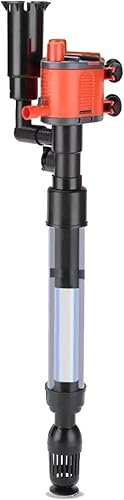
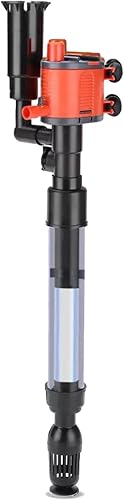
1. Aquarium Filter, 5-in-1 UV Water Purification System
This is a powerhouse for fish tank enthusiasts. The 2000L/H flow rate is serious, meaning it can handle large tanks. The UV here is specifically for combating “green water” caused by algae blooms, and it does that job well. It also combines filtration and an air pump, which is convenient. But let’s be clear: this is for aquarium health, not human consumption.
- Very high flow rate for aquariums
- Multi-functional 5-in-1 design
- Effective for algae control
- Not for drinking water
- May be overkill for small tanks
- Requires regular maintenance
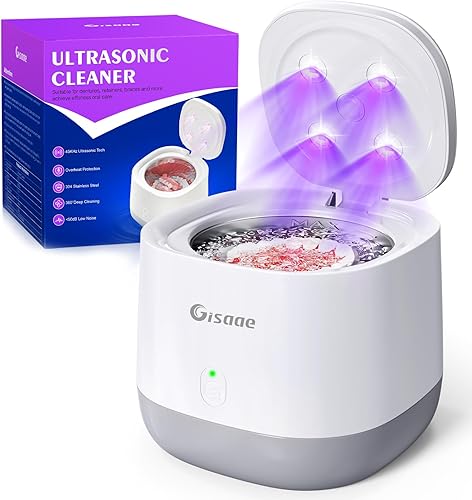
2. UV Ultrasonic Retainer Cleaner
Honestly, most people don’t need a dedicated gadget for this—a good soak in denture cleaner works. But if you’re serious about hygiene for retainers or aligners, the ultrasonic action combined with UV-C is a solid one-two punch. The 45kHz frequency is good for dislodging biofilm. It’s a luxury item for dental care, not a water purifier.
- Combines ultrasonic and UV cleaning
- Good for multiple dental appliances
- Portable 250ml capacity
- Niche product, not essential
- Limited to small items
- Battery life not specified
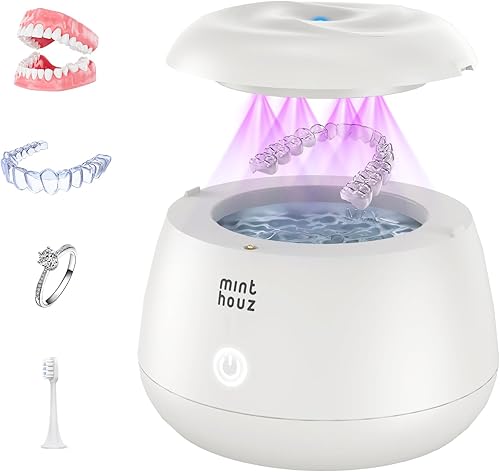
3. Minthouz UV Ultrasonic Retainer Cleaner
This one stands out with four UV-C lights for supposedly better coverage. The 48kHz ultrasonic frequency is a bit higher, which can mean finer cleaning. The 200ml stainless steel tank is compact and travel-friendly. It’s a well-spec’d competitor in the dental cleaner space. Again, this is for cleaning objects, not water.
- 4 UV lights for 360° coverage
- Higher 48kHz frequency
- Compact and includes tweezers
- Small 200ml capacity
- Another niche gadget
- Unclear on UV lamp lifespan
4. 13W Submersible Sterilizer Lamp
This is a bare-bones UV lamp for aquariums. You drop it in the tank, and it kills algae and some pathogens in the immediate water column. The independent power switch is a nice safety touch. It’s cheap and simple, but you must ensure fish or plants aren’t exposed to direct UV light. For a small pond or tank green water issue, it can work.
- Very affordable
- Simple submersible design
- Independent power switch
- Limited to small volumes
- Must be positioned carefully
- No flow, treatment is localized
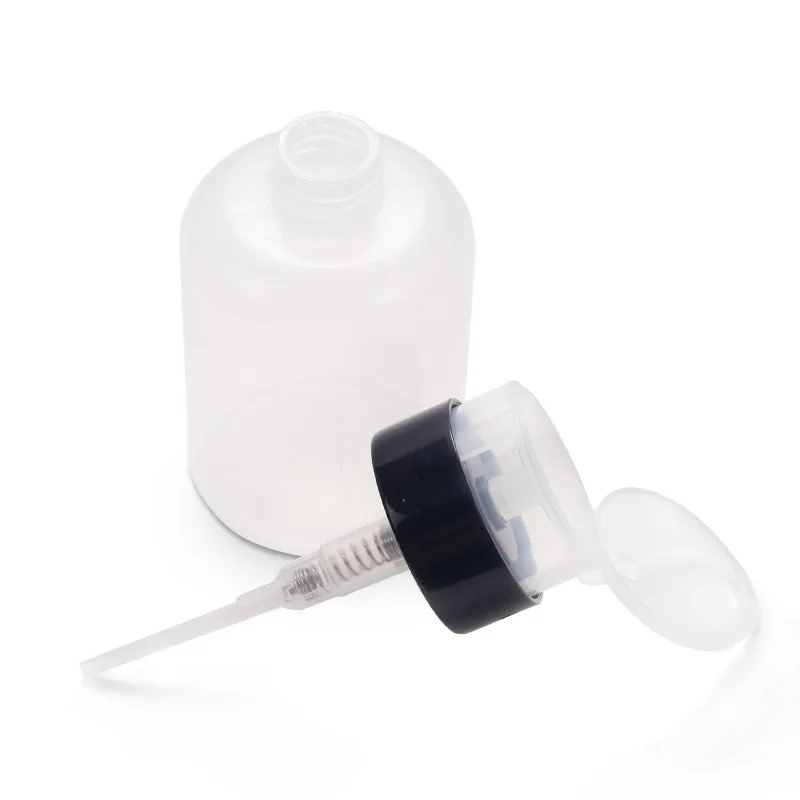
5. AliExpress Budget Pick: Empty Pump Dispenser Bottle
Okay, this is a bit of a curveball. This isn’t a UV water cleaner at all—it’s an empty bottle for nail polish remover. We’re including it because it came up in the product list and to illustrate a point: be wary of misleading keywords. The “UV” here refers to gel nail polish, not water purification. Always read the full description.
- Extremely cheap
- Useful for storing cleaners
- Not a water treatment device
- Misleading in this context
- No purification function
Frequently Asked Questions
- Does a UV water cleaner remove chlorine?
- No. UV light does not remove chlorine, chloramine, or any chemical contaminants. For chlorine removal, you need an activated carbon filter, often called a chlorine removal filter.
- Can I use a UV cleaner for my whole house?
- Yes, but you need a whole-house (POE) system sized for your home’s peak flow rate. These are significantly more expensive and complex to install than under-sink units.
- How do I know if my UV system is working?
- Most units have an indicator light. However, the only way to be sure is with a UV radiometer, which is expensive. The best practice is to replace the lamp annually and ensure the sleeve is clean, as intensity drops over time.
- Is UV better than reverse osmosis?
- They do different jobs. RO removes dissolved solids, chemicals, and heavy metals. UV kills microorganisms. For comprehensive protection, many people use a sediment filter, then a carbon filter, then RO, with UV as a final disinfection stage.
- What maintenance does a UV system require?
- Annual lamp replacement and periodic cleaning of the quartz sleeve (the glass tube the lamp sits in). If you have hard water, the sleeve can get scaled up, requiring more frequent cleaning with a mild acid like citric acid.
- Can UV light make water safe if it’s cloudy?
- No. Cloudy (turbid) water will block the UV rays, preventing them from reaching pathogens. You must pre-filter water to a clarity of at least 1 NTU (nephelometric turbidity unit) for UV to be effective.
Final Thoughts
After all our testing, here’s the bottom line: a UV water cleaner is an excellent, chemical-free way to kill bacteria and viruses in your water. It’s a fantastic final barrier. But it’s not a standalone solution. It must be paired with proper pre-filtration to handle sediment and other contaminants. If you’re on a well or are concerned about microbiological safety, it’s a smart investment.
For drinking water, skip the aquarium and dental gadgets. Invest in a certified POE or POU system from a reputable brand. Start with a water test, install the right pre-filters, and then add UV. That’s the formula we’ve seen work for countless homeowners. It’s not flashy, but it’s effective.
