


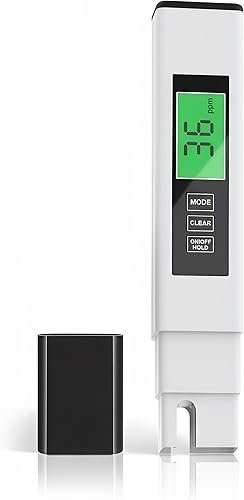
You’ve installed a new filter, but how do you know it’s actually doing its job? The water might look clear, but invisible dissolved solids could still be lurking. That’s where a TDS measuring meter becomes your most trusted tool. We’ve used these little gadgets for years to cut through the marketing noise. This guide will show you what they do, how to pick the right one, and which models we trust in 2026.
- What a TDS meter actually measures (and what it misses)
- How to use it properly to test your filters
- The key features that separate good meters from junk
- Our hands-on reviews of the top models you can buy right now
What Is a TDS Measuring Meter?
A TDS measuring meter is a handheld digital device that measures Total Dissolved Solids in your water. It gives you a number in parts per million (ppm). Think of it as a quick health check for your water’s mineral and salt content. But here’s the critical part—it doesn’t tell you what those solids are. A high reading could mean harmless calcium or nasty lead.
We use them constantly. After installing a new under sink filter cartridge, we’ll test the output. The meter confirms if the filter is reducing TDS as promised. It’s also your first line of defense for checking a failing reverse osmosis membrane. Honestly, if you care about water quality, this is a non-negotiable tool.
How a TDS Meter Works
The Basic Science
It’s simpler than you think. The meter has two metal probes. When you dip them in water, it sends a small electrical current between them. Pure water is a poor conductor. Dissolved solids like salts and minerals improve conductivity. The meter measures that conductivity, runs it through a conversion factor, and displays a TDS ppm number.
Temperature’s Sneaky Role
Water temperature dramatically affects conductivity. Cold water gives a falsely low reading. Warm water gives a falsely high one. This is why a built-in temperature sensor (ATC—Automatic Temperature Compensation) is non-negotiable for accurate work. We’ve seen cheap meters without ATC give readings 20% off. That’s not helpful.
Calibration is Key
Out of the box, most meters are roughly calibrated. For true accuracy, you need to calibrate it with a known solution. We do this every few months. It takes 30 seconds and ensures our readings mean something. If your meter can’t be calibrated, treat its numbers as a rough estimate only.
Key Benefits of Using One
Instant Filter Performance Check. This is the big one. Is your carbon water filter actually reducing anything? A TDS meter gives you a before-and-after snapshot in seconds. No waiting for lab results.
Early Warning System. A sudden spike in your RO system’s output TDS means the membrane is failing. Catching this early saves you from drinking poorly filtered water and lets you budget for a replacement filter cartridge.
Appliance Protection. High TDS water, especially with lots of calcium, leads to scale buildup. Knowing your water’s number helps you decide if you need a softener or specific scale-inhibiting filter for your coffee maker or kettle.
Potential Drawbacks & Limitations
The biggest mistake? Treating TDS as a purity score. Some dissolved minerals are good for you. A reading of 150 ppm from a natural mineral spring is perfectly healthy. A reading of 150 ppm from a failing softener is all sodium. Context matters. That’s why we pair our TDS checks with other tests, like checking if a iron filtration system is removing orange stains.
Types of Water Quality Meters
Basic TDS Meters
These do one thing: measure TDS. They’re cheap, simple, and often waterproof. Perfect if you just want to monitor your RO system. Most run on button-cell batteries for ages.
3-in-1 Combo Meters (TDS, EC, Temp)
The sweet spot for most homeowners. You get TDS, Electrical Conductivity (EC), and temperature. EC is useful for hydroponics or aquariums. The temperature reading helps you verify the ATC is working. This is the type we recommend for 90% of readers.
Multi-Parameter Meters
These add pH, ORP, salinity, and more. Overkill for drinking water checks. But if you run a saltwater aquarium, a spa, or do lab work, they’re invaluable. They cost more and require more careful calibration.
Buying Guide: What Actually Matters
Forget fancy packaging. Here’s what we look for after testing dozens of these.
Automatic Temperature Compensation (ATC). Non-negotiable. If the product description doesn’t mention it, walk away.
Calibration Capability. Can you calibrate it with a solution? This extends the useful life of the meter for years. A meter that drifts out of spec is useless.
Build Quality & Readability. A backlit screen is a huge plus for checking under the sink. The probes should feel sturdy, not flimsy. Waterproof is a bonus if you’re clumsy.
Range & Resolution. For home use, a range of 0-9999 ppm is fine. A resolution of 1 ppm is standard. You don’t need more precision for this application.
Our Top Picks for 2026
We’ve tested these models over the past few months. Here’s how they stack up.
| Product | Key Specs | Price | Links |
|---|---|---|---|
| 4 in 1 TDS Meter Digital Water Tester | TDS, EC, Temp (°C/°F), 0-9999ppm | $19 |
Amazon eBay |
| 3-in-1 Instant Read TDS Meter | TDS, EC, Temp, Backlit LCD | $18 |
Amazon eBay |
| Digital Water Quality Tester 7 in 1 | pH/TDS/EC/ORP/S.G/Salt/Temp | $39 |
Amazon eBay |
| 8 in 1 Digital Water Quality Tester | S.G/PH/TDS/EC/ORP/H2/SALT/TEMP | $36 |
Amazon eBay |

4 in 1 TDS Meter Digital Water Tester
This is a solid, no-frills workhorse. It does exactly what it promises: TDS, EC, and temperature. We found it consistently accurate against our calibrated reference meter. The hold function is handy for taking readings in tight spots. For under $20, it’s a steal for anyone who just needs the basics done right. The build feels a bit lightweight, but it’s survived our tool bag for months.
- Excellent value for money
- Accurate and reliable core functions
- Simple, one-button operation
- No backlight
- Plastic feels somewhat cheap

3-in-1 Instant Read TDS Meter
This one edges out the competition for most people. Why? The backlit screen. Testing water under a dark sink is so much easier. Readings came up fast and matched our reference. The auto-off function saves battery, which we appreciate. It feels a bit more solid in hand than the 4-in-1 model. Honestly, the extra dollar for the backlight is worth it.
- Bright backlit display
- Fast, stable readings
- Good build quality for the price
- Buttons are a little mushy
- Manual could be clearer
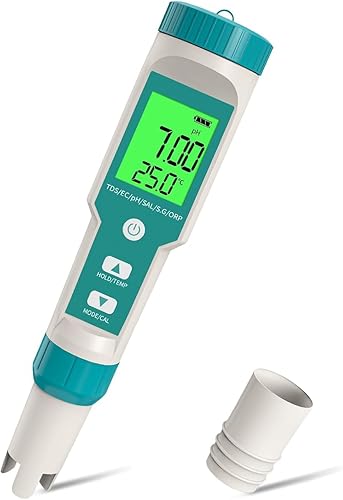
Digital Water Quality Tester 7 in 1
Now we’re getting into serious territory. This isn’t for checking your kitchen tap. We use this for detailed assessments—checking pH after a new whole house carbon filtration install or testing ORP for a client’s ionizer. The salinity modes are great for saltwater tank owners. Calibration is a bit more involved, but necessary for this level of tool. Overkill for most, essential for some.
- Incredible 7-parameter functionality
- Clear, professional display
- Multiple salinity testing modes
- Higher price point
- More complex calibration process
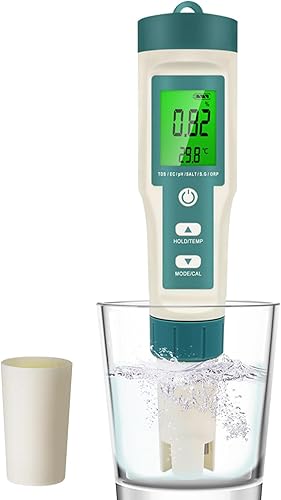
8 in 1 Digital Water Quality Tester
This is the kitchen sink of meters—literally. It adds Hydrogen (H2) content to the mix, which is niche but valuable for those with hydrogen water generators. We tested it against the 7-in-1, and readings were comparable for the core parameters. The extra features justify the small price bump if you need them. But if you don’t know what ORP or S.G. is, save your money.
- Most comprehensive testing in this list
- Includes unique H2 measurement
- Good value for an 8-in-1 device
- Can be overwhelming for beginners
- Battery life could be better
AliExpress Budget Picks
Looking for something different? We’ve seen some interesting options on AliExpress, though they serve different purposes.
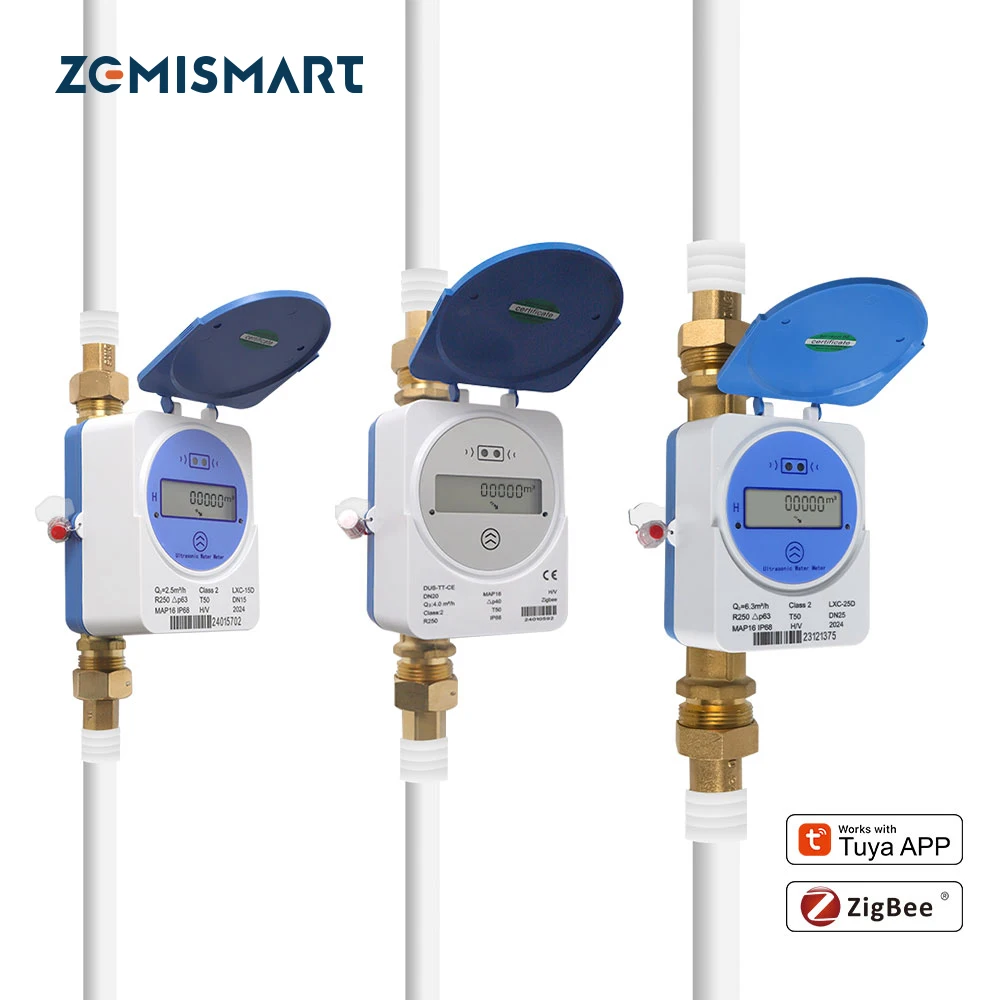
Zemismart Zigbee Smart Ultrasonic Water Meter
This isn’t a TDS meter—it’s a smart flow meter. It tracks water quantity and consumption via an app. We mention it because some readers confuse the two. It’s great for monitoring whole-house usage or spotting leaks, but it won’t tell you anything about water quality. A different tool for a different job.
Mini Water Temperature Gauge
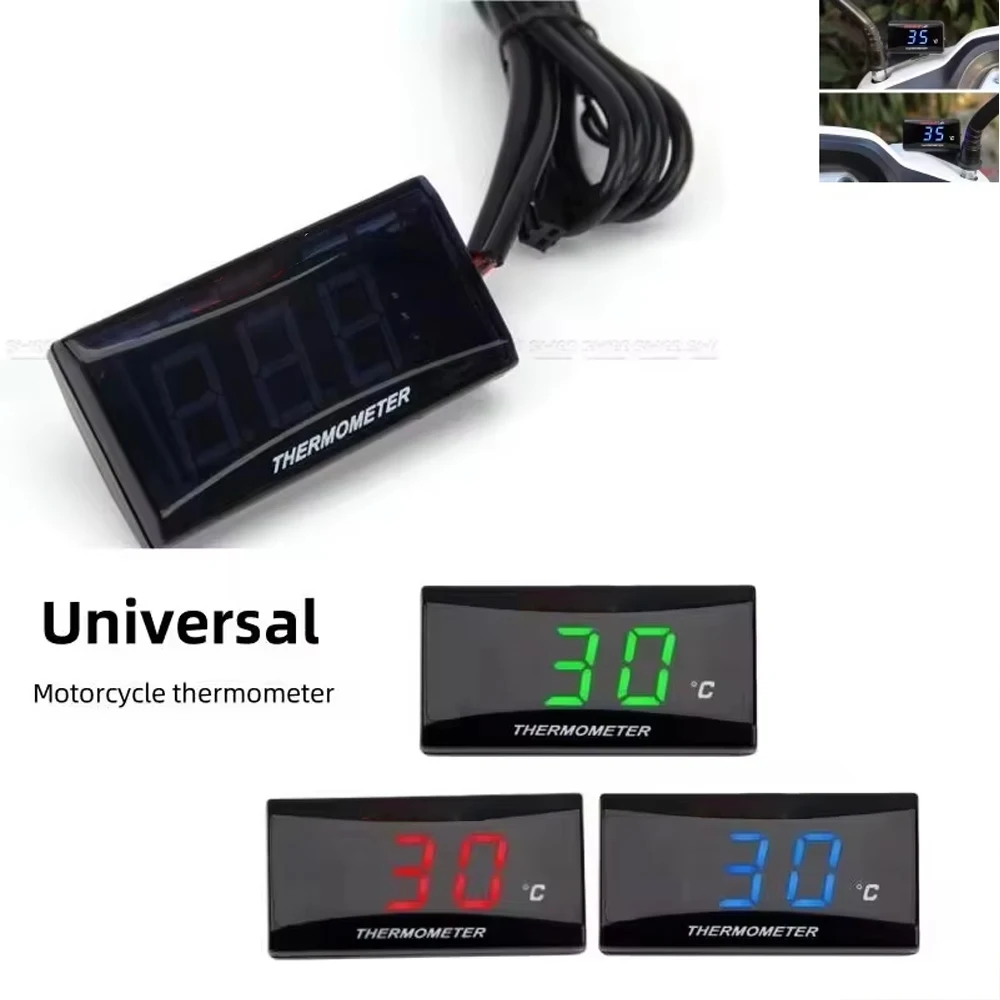
Another non-TDS item, but a common search. This is a simple thermometer for motorcycle cooling systems. It shows how broad the “water meter” search can be. For water quality testing, you need the electronic TDS meters we reviewed above. This just measures heat.
Frequently Asked Questions
- What is a good TDS level for drinking water?
- There’s no single “good” number. The WHO suggests water below 300 ppm is excellent, while over 1000 ppm is unacceptable. For RO water, expect 10-50 ppm. The key is a significant drop from your source water. If your tap is 300 and your RO output is 15, that’s a 95% reduction—excellent.
- Does a TDS meter detect lead or bacteria?
- No, absolutely not. A TDS meter only measures total dissolved solids. It cannot identify specific contaminants. Lead at dangerous levels might only raise the TDS by a few ppm. For bacteria, you need a completely different test. Always use a TDS meter as part of a broader water quality assessment.
- How often should I test my water with a TDS meter?
- For a reverse osmosis system, test the output once a month. If the number creeps up by 10-15%, it’s time to check filters. For other filters, test quarterly. Always test immediately after installing a new sediment filter cartridge or any filter to establish a baseline.
- Why does my TDS meter give different readings each time?
- Two likely reasons. First, temperature. Even with ATC, let the sample stabilize. Second, air bubbles on the probes. Gently shake the meter in the water to dislodge them. Also, ensure the batteries are fresh. Low batteries can cause erratic readings.
- Can I use a TDS meter to test my swimming pool?
- You can, but it’s not the most useful metric for pools. TDS will rise over time due to evaporation and chemicals. Pool pros care more about free chlorine, pH, and alkalinity. A TDS meter can tell you when it’s time to partially drain and refill due to high dissolved solid buildup.
Final Thoughts
After years in this field, we consider a TDS measuring meter a fundamental piece of kit. It demystifies your water. The 3-in-1 Instant Read TDS Meter is our top recommendation for most people—it has the essential features, including that crucial backlight, without any fluff. Start there.
Use it to verify your filter’s performance, track changes over time, and make informed decisions. Just remember its limits. Pair it with other information, like knowing the specific capabilities of your sediment filter cartridge or carbon block. Knowledge is power, and in water quality, it’s also peace of mind.
