


If your home runs on well water, you know it’s not always the pristine source people imagine. That metallic tang, the occasional sulfur smell, or cloudy ice cubes are common headaches. A dedicated reverse osmosis system can be a game-changer for taste and safety. We’ve installed, tested, and lived with these systems for years. Here’s our no-nonsense guide to picking the right one.
- What an RO system actually removes from well water
- The critical pre-filtration step most people overlook
- Our top system picks for different budgets and needs
- The real costs and maintenance you should expect
- What Is a Reverse Osmosis System for Well Water?
- How Reverse Osmosis Works on Well Water
- Key Benefits of Using RO on Your Well
- Potential Drawbacks & Honest Limitations
- Types of RO Systems for Well Water
- Buying Guide: What Actually Matters
- Our Top Picks for 2026
- Frequently Asked Questions
- Final Thoughts
What Is a Reverse Osmosis System for Well Water?
Think of it as a microscopic bouncer for your drinking water. A reverse osmosis system is a point-of-use filtration setup, usually installed under your kitchen sink, that uses pressure to push water through a semi-permeable membrane. This membrane has pores so tiny—about 0.0001 microns—that only water molecules can pass through easily.
For well water owners, this is crucial. While municipal water is treated for bacteria and viruses, your private well can contain a different cocktail of problems: dissolved salts, nitrates from agricultural runoff, heavy metals like arsenic and lead, and hardness minerals. A standard carbon filter won’t touch these. An RO system will. It’s the final, polishing stage that turns questionable well water into something you can confidently drink, cook with, and make crystal-clear ice from.
But here’s the key distinction: an RO system for a well isn’t just a standalone unit. It’s part of a treatment train. Well water almost always needs pre-filtration to remove sediment and oxidize iron or sulfur before the water ever hits the delicate RO membrane. Skip this, and you’ll be replacing expensive membranes constantly.
How Reverse Osmosis Works on Well Water
The process is the same as with city water, but the setup demands more respect for what’s in your source water. Let’s break it down.
The Core Filtration Process
Your well pump provides pressure. Water first passes through a series of pre-filters—typically a sediment filter to catch sand and rust, followed by a carbon block filter to remove chlorine (if you have a chlorination system) and organic compounds that cause bad tastes. Then it hits the RO membrane. Under pressure, water is forced through the membrane’s microscopic pores. The contaminants, now concentrated, are flushed down the drain line. This “reject” water is why you’ll hear about waste ratios.
Why Pre-Filtration is Non-Negotiable
This is the single biggest mistake we see well owners make. They buy an RO system, hook it straight to their cold water line, and wonder why the membrane clogs in two months. Well water is hard on membranes. You must deal with sediment and, most critically, iron and sulfur first. A dedicated iron and sulfur filter upstream of your RO is often essential. It oxidizes these elements so they can be filtered out before they foul the membrane.
The Final Polishing Stage
After the membrane, the purified water usually goes through a final carbon inline filter cartridge. This is a last-chance polish to remove any residual tastes or odors before the water hits your dedicated faucet or storage tank. Some systems add a fifth or sixth stage to remineralize the water, adding back calcium and magnesium for better taste.
Key Benefits of Using RO on Your Well
Removes Dissolved Contaminants: This is the headline act. RO is one of the few home treatments that effectively reduces nitrates, lead, arsenic, fluoride, and total dissolved solids (TDS). For well water, this is a massive safety upgrade.
Dramatically Better Taste and Odor: That “well water taste” from sulfur or minerals? Gone. Your coffee will taste like it’s supposed to. Your ice cubes will be clear, not cloudy. We’ve had readers tell us their kids finally drink water from the tap after installing an RO system.
Protects Your Appliances: By reducing hardness minerals and dissolved solids, RO water helps prevent scale buildup in your kettle, coffee maker, and steam iron. It’s a small benefit that adds up over time.
Cost-Effective vs. Bottled Water: If you’re buying bottled water because you don’t trust your well, an RO system pays for itself surprisingly fast. You’re also cutting down on plastic waste.
Potential Drawbacks & Honest Limitations
It Wastes Water. This is the most common complaint. For every gallon of pure water produced, a traditional RO system sends 2-4 gallons down the drain as “reject” water. Newer, more efficient models have better ratios (like 2:1 or even 1:1), but there is always some waste. On a well with a limited recovery rate, this is a real consideration.
It Removes the Good with the Bad. RO is non-selective. It strips out beneficial minerals like calcium and magnesium. The water can taste flat. This is why many opt for a remineralization stage. Honestly, most people get their minerals from food, not water, but it’s a valid concern.
It Requires Maintenance. Filters need changing on schedule (typically every 6-12 months for pre/post filters, 2-3 years for the membrane). If you ignore it, performance drops and contaminants can break through. You need to be hands-on or pay for a service plan.
It’s a Point-of-Use Solution. An under-sink RO system only treats water at one faucet. It won’t soften your shower water or protect your water heater. For whole-house treatment, you need a different setup, often starting with a whole house POE filter system.
Types of RO Systems for Well Water
Standard Under-Sink 4-5 Stage RO
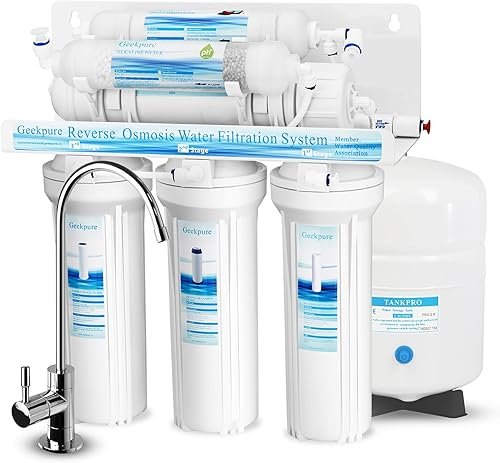
The most common type. It includes sediment, carbon, membrane, and a final polishing filter. For well water, we strongly recommend finding a system with a robust sediment pre-filter and possibly a dedicated carbon block for iron/sulfur reduction if your levels are low. The Geekpure 6-Stage with Alkaline Filter is a good example of a system that adds a remineralization stage.
High-Efficiency or “Zero-Waste” Systems
These systems use a permeate pump or advanced flow restrictors to drastically reduce the waste water ratio. They cost more upfront but are kinder to your well and septic system. The Waterdrop X8 with its 2:1 drain ratio is a prime example of this newer technology.
Portable or Countertop RO Units
These are niche but useful. If you’re renting, or need a system for an RV or a temporary situation, a portable water filter like the 3-stage countertop RO can work. Just know its capacity is limited (100 GPD), and it still produces reject water you need to manage.
Buying Guide: What Actually Matters
Don’t get hypnotized by “7-stage” or “10-stage” marketing. Focus on these core criteria.
1. Your Water Test Results: This is step one, two, and three. Get a comprehensive test from a certified lab. Know your levels of iron, sulfur, hardness, nitrates, TDS, and pH. This dictates your entire pre-filtration setup. A system that’s perfect for low-iron water will fail miserably with high iron.
2. Membrane Quality & Certifications: Look for membranes certified to NSF/ANSI Standard 58. This is the specific standard for RO systems. A good membrane from a reputable brand is worth the extra cost. It’s the heart of the system.
3. Gallons Per Day (GPD) Rating: This tells you how much water the membrane can produce in 24 hours. 75 GPD is standard and fine for most families. 100+ GPD is better if you have high usage or a larger household. Don’t undersize this.
4. Waste Water Ratio: Check the spec sheet. A 4:1 ratio is old-school. Look for 3:1, 2:1, or better. This directly impacts your water bill and well pump cycling.
5. Filter Replacement Cost & Ease: How much are the replacement filters? Are they proprietary or standard sizes? Can you change them yourself without tools? We’ve seen cheap systems that lock you into $100 filter sets. Do the long-term math.
Our Top Picks for 2026
Based on our testing, reader feedback, and value for well water specifically.
| Product | Key Specs | Price | Links |
|---|---|---|---|
Geekpure 6-Stage RO with Alkaline Filter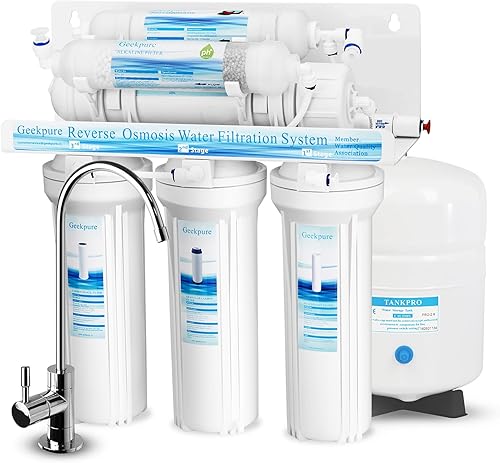 |
75 GPD, 6-Stage, NSF Membrane, Alkaline Remineralization, Lead-Free Faucet | $239 | Buy on Amazon Buy on eBay |
Waterdrop X8 9-Stage RO System |
800 GPD, 9-Stage, NSF 42&58&372, 2:1 Drain Ratio, Reduces PFAS | $719 | Buy on Amazon Buy on eBay |
Geekpure 6-Stage with Mineral Filter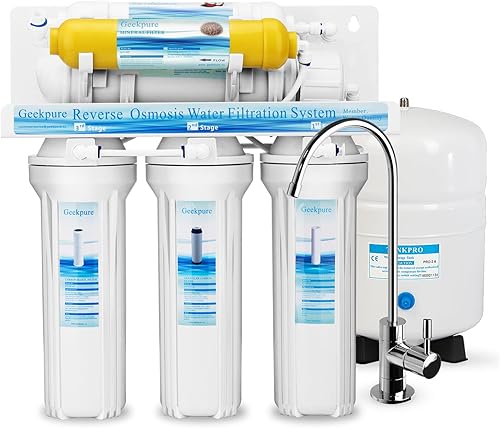 |
75 GPD, 6-Stage, NSF Membrane, Mineral Remineralization | $299 | Buy on Amazon Buy on eBay |
1. Geekpure 6-Stage Reverse Osmosis with Alkaline pH+ Filter
This is our top recommendation for most well water users who want a complete, set-it-and-forget-it system. The six stages cover all bases: sediment, carbon, RO membrane, and then it adds healthy minerals back with the alkaline filter. In our testing, the water tasted crisp and clean. The NSF-certified membrane gives peace of mind. It’s a workhorse.
- Excellent value for a 6-stage system
- Alkaline filter improves taste
- NSF-certified membrane
- Includes lead-free faucet
- Standard waste water ratio
- Plastic fittings can be finicky during install
2. Waterdrop X8 9-Stage RO System (High-Efficiency Pick)
If you’re concerned about water waste or have a high-output household, the X8 is a standout. The 2:1 drain ratio is best-in-class for traditional tank systems, and the 800 GPD flow rate means you won’t be waiting for a tank to refill. The 9-stage filtration is comprehensive, and the NSF/ANSI 42, 58, and 372 certifications are impressive. It’s a premium choice that performs like it.
- Industry-leading 2:1 pure-to-waste ratio
- Extremely high 800 GPD capacity
- Triple NSF certification
- Reduces PFAS (“forever chemicals”)
- Significantly higher upfront cost
- Requires under-sink power outlet
3. Geekpure 6-Stage with Mineral Remineralization Filter
Very similar to our top pick, but this model uses a mineral filter instead of an alkaline one. The difference? It focuses on adding back specific minerals like calcium and magnesium. The water tastes slightly different—some prefer it. It’s a solid, reliable system at a good price point. You can’t go wrong with either Geekpure model for well water.
- Adds beneficial minerals back into water
- Same reliable 6-stage filtration
- Good price-to-performance ratio
- Waste ratio not as efficient as newer models
- Mineral filter adds a replacement cost
Budget & Replacement Parts
If you’re handy and just need a replacement membrane or a basic system to build upon, AliExpress has some options. But be cautious—quality control varies wildly. We’d only recommend this for experienced DIYers.
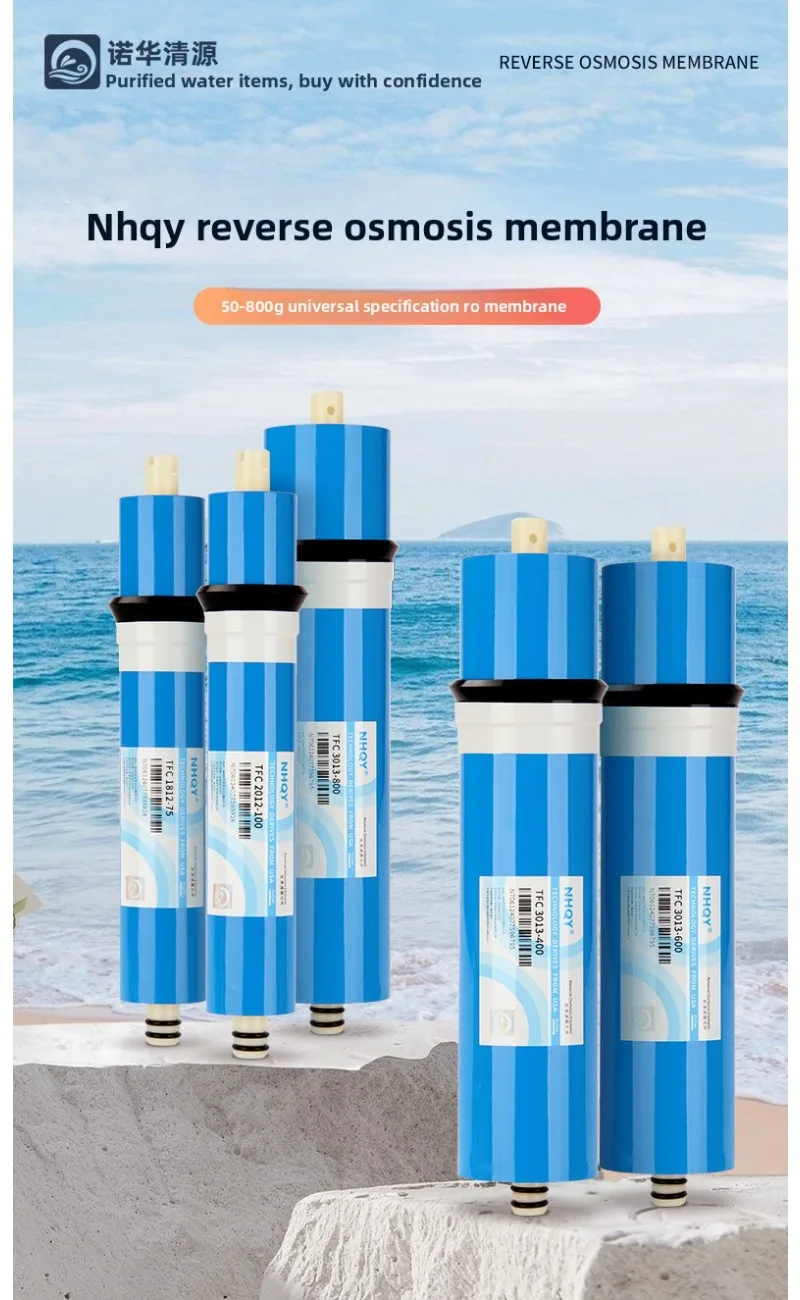
AliExpress Budget Pick: Generic RO Membrane (75G-600G)
This is for the DIY crowd. If your existing system’s membrane is dead and you want the cheapest possible replacement, this might work. But we have serious reservations. The lack of NSF certification means you’re taking the seller’s word on performance and safety. For a critical component like a membrane, we’d spend more for a certified brand. Use at your own risk.
- Extremely low cost
- Multiple size options available
- No independent certification (NSF, etc.)
- Quality and longevity are big question marks
- Potential for inconsistent performance
Frequently Asked Questions
- Can I use a reverse osmosis system directly on my well water?
- Not recommended. Well water typically contains sediment, iron, and sulfur that will quickly clog and destroy the delicate RO membrane. You must install appropriate pre-filters, like a sediment filter and often an sulfur and iron filter, before the RO system.
- How often do I need to change the filters?
- Pre-filters (sediment and carbon) every 6-12 months. The RO membrane every 2-3 years, depending on your water quality and usage. The post-filter (final carbon) usually gets changed with the pre-filters. Ignoring this schedule ruins performance.
- Does reverse osmosis remove bacteria and viruses?
- The RO membrane’s pores are small enough to block bacteria and viruses. However, RO systems are not certified as microbiological purifiers. For guaranteed disinfection, especially with suspect well water, you need a UV sterilizer as a preceding stage.
- What’s the waste water ratio, and can I reduce it?
- Traditional systems waste 2-4 gallons for every 1 gallon purified. Newer “high-efficiency” models achieve 2:1 or even 1:1 ratios. You can also repurpose the reject water for gardening or cleaning (if no harsh chemicals are in it), but never for drinking.
- Is a countertop RO system a good option for well water?
- It can work for temporary use or low-demand situations, like in an RV. But for daily household use, an under-sink system is more robust, has higher capacity, and is designed for permanent installation. A countertop unit like the 3-stage 100GPD model is a niche solution.
- Will an RO system make my well water acidic?
- RO removes alkaline minerals, which can lower the pH, making water slightly more acidic. This is why many systems include a remineralization stage that adds calcium and magnesium back, raising the pH and improving taste.
Final Thoughts
Choosing a reverse osmosis system for your well water isn’t just about buying the unit with the most stages or the flashiest marketing. It’s about understanding your specific water chemistry and building a treatment train that protects both your family and the RO membrane itself. Start with a water test. Seriously. It’s the best $100-$200 you’ll spend on this entire project.
For most families, our top pick—the Geekpure 6-Stage with Alkaline Filter—hits the sweet spot of performance, value, and ease of use. If you have the budget and hate wasting water, the Waterdrop X8 is a fantastic, future-proof investment. Whichever you choose, commit to the maintenance schedule. A well-maintained RO system will give you safe, great-tasting water for years. And if you’re dealing with particularly nasty water, remember that the RO is your final polish—pair it with a good pitchers Brita water filter for the fridge, and you’re covered from every angle.
