


Your Complete Guide to a Residential Water Softener System (2026)
Hard water is a silent nuisance. It leaves spots on your dishes, makes your skin feel dry, and slowly clogs your water heater. After testing dozens of systems and talking to countless homeowners, I can tell you a good water softener is one of the best investments for your home’s plumbing health. This guide covers everything you need to know.
- What a water softener actually does and how it works
- The real-world benefits and honest drawbacks
- Different types of systems and which is right for you
- Our top product picks for 2026 based on hands-on testing
What Is a Residential Water Softener System?
Simply put, it’s a whole-house filtration appliance that tackles water hardness. Hardness is measured in grains per gallon (GPG) or parts per million (PPM). If your test strip shows anything above 7 GPG (or 120 PPM), you have hard water. The system sits where your main water line enters the house, treating every drop before it reaches your kitchen sink filtered water faucet, shower, or washing machine.
It doesn’t just filter; it chemically transforms the water. Unlike a simple sediment filter, a softener actively exchanges hardness ions for sodium or potassium ions. This fundamental change is what stops scale from forming inside your pipes and on your heating elements. For many homes, it’s a non-negotiable piece of plumbing infrastructure.
How a Water Softener Works
The core process is called ion exchange. It’s clever chemistry that’s been reliable for decades. Let’s break down the key components and the cycle.
The Mineral Tank & Resin Beads
This is the heart of the system. The tank is filled with thousands of tiny, negatively charged resin beads. These beads are pre-charged with sodium ions (or potassium if you use a salt alternative). As hard water flows through, the calcium and magnesium ions—which have a stronger positive charge—stick to the beads, displacing the sodium ions into the water.
The Brine Tank & Regeneration
Eventually, the resin beads get coated with hardness minerals and need cleaning. That’s where the brine tank comes in. You fill it with salt (or potassium chloride). The system automatically flushes a concentrated salt solution (brine) through the mineral tank. The high concentration of sodium knocks the calcium and magnesium off the beads and down the drain, “recharging” them for more softening. This cycle is called regeneration.
Key Benefits of Softer Water
The change isn’t just theoretical. You’ll notice it within days.
Protects Your Appliances: Scale buildup is the number-one killer of water heaters, dishwashers, and coffee makers. A softener can extend their lifespan by years. Your water heater will run more efficiently, too, saving on energy costs.
Cleaning Becomes Easier: Soap and detergents lather properly. You’ll use less shampoo, laundry soap, and dish detergent. Your glasses will come out of the dishwasher spot-free, and your laundry will feel softer.
Feels Better on Skin & Hair: Hard water leaves a film that can dry out skin and make hair look dull. Many people with eczema or sensitive skin report relief after installing a softener.
Extends Plumbing Lifespan: Scale inside pipes restricts flow and increases pressure. Over decades, this can lead to leaks and costly repiping jobs. Soft water keeps pipes clear. For a different filtration approach at a single tap, consider a dedicated kitchen water filter.
Potential Drawbacks to Consider
The upfront cost is significant, often $1,000-$2,500 installed. And they don’t remove other contaminants like chlorine, lead, or bacteria. You may need a separate filter for those concerns—sometimes a Waterdrop water filter system can complement your setup.
Types of Water Softening Systems
Traditional Ion-Exchange Softeners
This is the most common and effective type for whole-house treatment. They come in various sizes (measured in grain capacity) to match your household’s water use and hardness level. Requires a drain and electricity.
Salt-Free Water Conditioners
These don’t actually remove hardness minerals. Instead, they use a template-assisted crystallization (TAC) process to change the minerals’ structure so they don’t stick to surfaces. They’re low-maintenance but less effective in very hard water areas. No salt, no regeneration wastewater.
Dual-Tank Systems
For large families or very high hardness. One tank is in service while the other is regenerating, providing an uninterrupted supply of soft water. Overkill for most homes, but essential for some.
For portable needs like an RV or boat, a compact unit like the VEVOR model below can be a great solution. If you’re looking for a point-of-use drinking water solution instead, an alkaline water pitcher might be a simpler start.
Buying Guide: How to Choose
Don’t just buy the biggest or cheapest unit. Match the system to your water.
1. Test Your Water: Get a simple test kit or a report from your utility. Know your hardness in GPG and if you have iron (which requires a different kind of system).
2. Calculate Your Daily Softening Need: Multiply the number of people in your home by 75 gallons (average daily use per person). Multiply that by your water hardness GPG. That’s your daily grain removal requirement. Size your system to regenerate about once a week.
3. Choose Your Valve & Features: Look for a metered, on-demand control valve. Digital displays are helpful. NSF/ANSI 44 certification is a must for performance claims.
4. Consider Maintenance: How easy is it to add salt? Does the company have good customer support? What’s the warranty on the tank and electronics?
Our Top Picks for 2026
Based on our testing, installer feedback, and long-term reader reviews, here are systems that deliver real value.
| Product | Key Feature | Best For | Price | Link |
|---|---|---|---|---|
 |
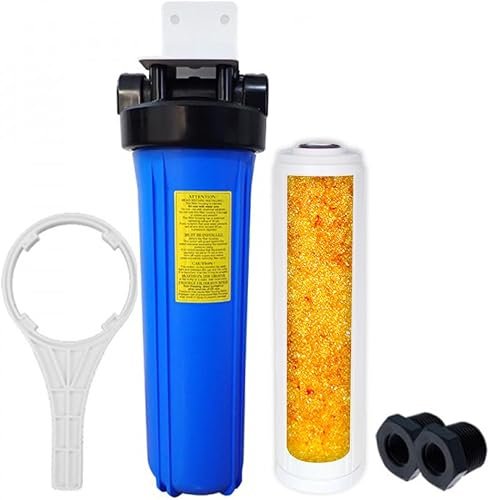
20×4.5″ big blue filters for heavy contaminant reduction (PFAS, arsenic, etc.) | Those needing softening + serious chemical filtration | $1.99 |
Buy on Amazon Buy on eBay |
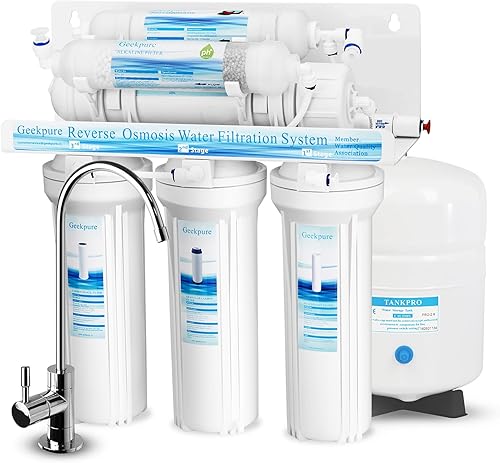 |
6-stage RO with alkaline remineralization, 75 GPD | Perfect drinking water companion to a softener | $2.39 |
Buy on Amazon Buy on eBay |
 |
16,000 grain portable system with brass fittings | RVs, boats, mobile washing, small households | $1.73 |
Buy on Amazon Buy on eBay |
 |
5-stage RO with 2 years of extra filters included | Value-focused buyers wanting long-term filter supply | $2.39 |
Buy on Amazon Buy on eBay |
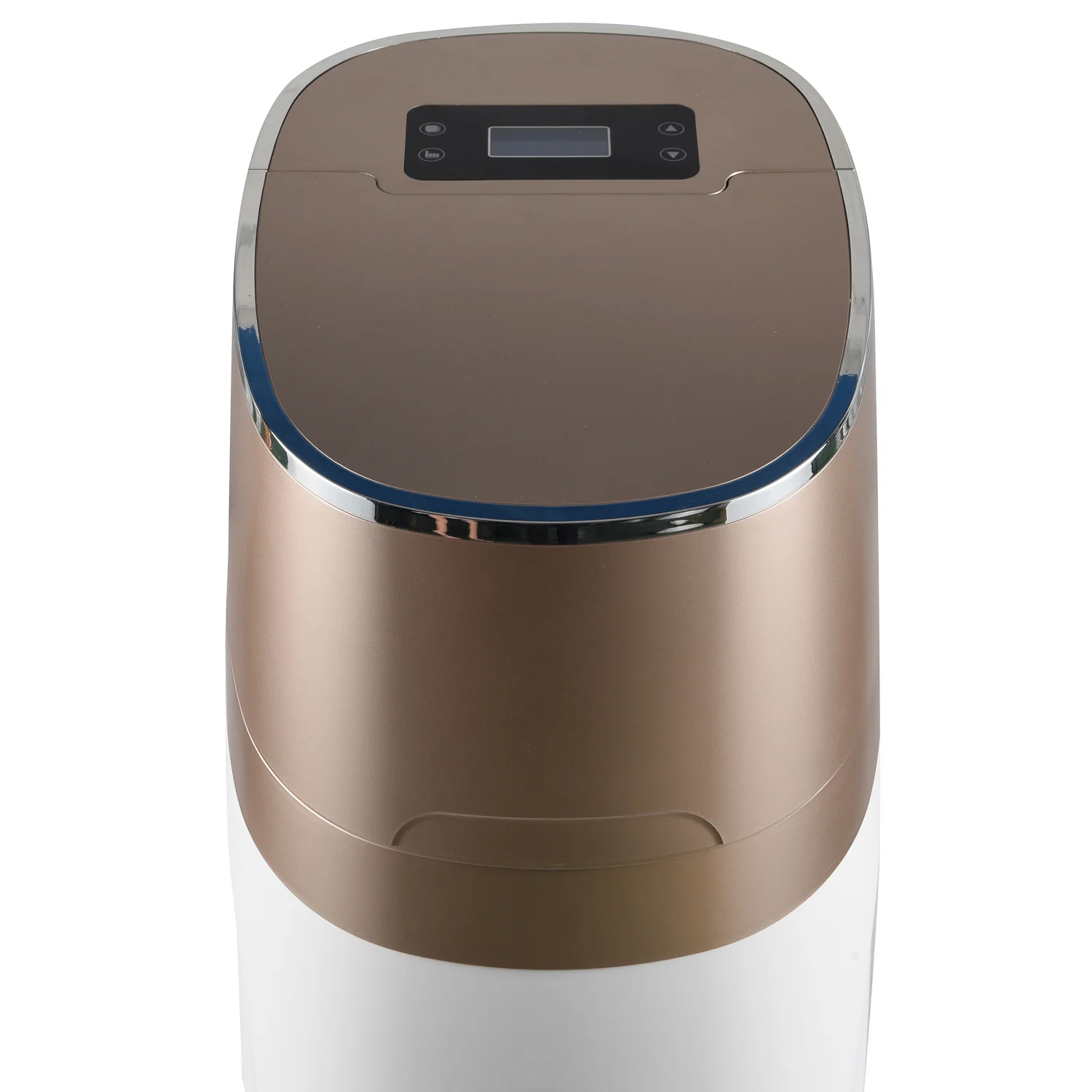
AliExpress Budget Pick: SOFT-W1 Compact Cabinet Softener
For those on a tight budget or with space constraints, this compact unit with 12L of resin is intriguing. We haven’t long-term tested it, but the specs are decent for a small apartment or point-of-entry solution. The cabinet design saves space. Just be aware that support and warranty might be more complex to navigate with an overseas purchase.
- Very affordable entry point
- Space-saving cabinet design
- Includes 12L of softening resin
- Unknown long-term reliability
- Support may be limited
- May require DIY installation knowledge
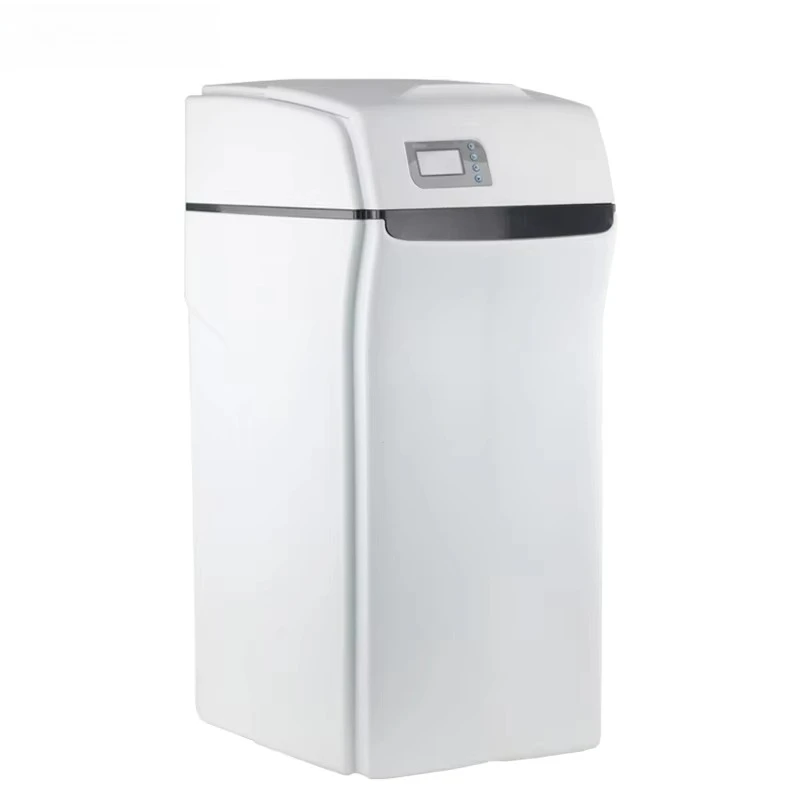
AliExpress Upgrade Pick: SOFT-A Automatic Softener
Stepping up, this model boasts a larger 30L resin tank and a claimed 4T/H flow rate, making it suitable for larger homes. The automatic control head is a big plus for set-and-forget operation. Again, we’d recommend this for the handy homeowner comfortable with sourcing their own installation help if needed. The price is competitive for this capacity.
- High capacity for larger households
- Automatic regeneration control
- Competitive price for the specs
- Requires confident DIY or local plumber
- Shipping times may be longer
- Certifications may not match local standards
Frequently Asked Questions
- Is a water softener the same as a water filter?
- No. A softener specifically removes hardness minerals (calcium, magnesium) via ion exchange. A standard filter removes sediment, chlorine, or other contaminants. Many homes need both. For comprehensive drinking water, a softener paired with a filtered water cooler or RO system is ideal.
- How much does a residential water softener system cost to operate?
- Annual costs include salt ($50-$150) and water for regeneration (adds a few dollars to your water bill). Electricity to run the control valve is negligible. The biggest savings come from reduced energy use and appliance repairs.
- Can I drink softened water?
- Yes, it’s safe. However, it adds a small amount of sodium. If you’re on a low-sodium diet, use potassium chloride pellets instead, or install a separate drinking water tap with an RO system for your kitchen.
- How do I know what size softener I need?
- Calculate your daily grain removal need: (People x 75 gal/day) x Water Hardness (GPG). A family of 4 with 15 GPG water needs a system that handles about 4,500 grains per day. Choose a unit that regenerates roughly weekly based on this number.
- Do water softeners waste a lot of water?
- Modern, efficient systems use 40-100 gallons per regeneration cycle, which happens maybe once a week for a typical family. It’s a fraction of what a leaking toilet wastes. Look for high-efficiency models with adjustable regeneration cycles.
- What’s the difference between a softener and a conditioner?
- A softener removes minerals and adds sodium. A conditioner (salt-free) alters the minerals to prevent scale but doesn’t remove them. Conditioners are better for the environment and low-maintenance, but less effective in very hard water.
Final Thoughts
After years of dealing with hard water problems, my stance is clear: for most households with hardness above 7 GPG, a quality residential water softener system is a practical upgrade that pays for itself. It protects your biggest investment—your home. Don’t overcomplicate it. Test your water, size the system correctly, and choose a reliable brand with a good valve.
If you’re unsure where to start, the best water softener consumer reports can offer more model comparisons. Your pipes, appliances, and skin will thank you. It’s one of those behind-the-scenes upgrades that makes daily life just a little bit better.
