


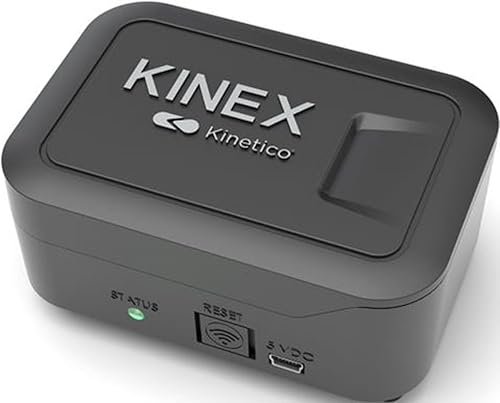
Kinetico Water Softener Cost: Real Prices & What You Actually Pay (2026)
So you’re looking at Kinetico and wondering about the real cost. I get it. After testing dozens of systems and talking to homeowners who’ve made the switch, I can tell you the sticker price is just the beginning of the story. We’ll look at the full picture: the equipment, installation, and those sneaky long-term costs.
- What a Kinetico system is and why it’s different.
- The true upfront and ongoing costs, broken down.
- Key factors that will drive your personal price up or down.
- Some practical alternatives and accessories to consider.
What Is a Kinetico Water Softener?
Kinetico isn’t just another brand on the shelf. They specialize in non-electric, demand-initiated water softeners. That’s a fancy way of saying they run on water pressure, not electricity, and they only regenerate when your home actually needs it. This core design philosophy is a big reason for their premium price tag.
In my experience, people choose Kinetico for two main reasons: reliability and efficiency. The systems are built like tanks with few moving parts. There’s no circuit board to fry during a power surge. They’re a set-it-and-forget-it solution, which appeals to folks tired of fiddling with settings or worrying about outages. This focus on simplicity and performance is central to understanding the kinetico water softener cost.
How Kinetico Systems Work
Forget everything you know about timer-based softeners. Kinetico’s approach is mechanically clever and, frankly, pretty elegant.
The Twin-Tank Design
Most Kinetico models use two resin tanks. While one tank is softening your water, the other is on standby or regenerating. This means you get uninterrupted soft water, 24/7. No waiting for a single tank to finish its cleaning cycle at 2 AM. It’s a significant engineering advantage.
Demand-Initiated Regeneration
A built-in water meter tracks your actual usage. Once the active tank is saturated with hardness minerals, the system automatically switches to the standby tank and begins cleaning the used one. This is far more efficient than a timer that regenerates whether you’ve used 10 gallons or 1,000. You use less salt and less water, which saves money over time. It’s a smart approach to home water filtration.
Non-Electric Operation
This is their signature feature. The system is powered by the kinetic energy of moving water—no plugs, no batteries, no control valves to program. During a power outage, your water stays soft. For many, this peace of mind is a major part of the value proposition.
Key Benefits
Unmatched Reliability: No electricity means one less thing to break. We’ve heard from plumbers who’ve serviced 20-year-old Kinetico units still running smoothly. That’s rare in the appliance world.
True On-Demand Soft Water: The twin-tank design is a game-changer for large families or homes with high, unpredictable water usage. You’ll never experience a “hard water gap.”
Operational Efficiency: Because it regenerates based on need, you’re not wasting salt or water on unnecessary cycles. Your ongoing costs are optimized from day one.
Compact & Versatile: The systems are surprisingly compact. They can fit in tight utility closets or garages where a bulky single-tank unit might not.
Potential Drawbacks & Costs
Proprietary Parts & Service: Kinetico systems are typically sold and serviced through authorized dealers. You can’t just buy a replacement part online. This dealer network ensures expert installation but can mean higher costs for repairs or salt delivery if you don’t shop around.
Complexity for DIY: This is not a DIY-friendly system. Professional installation is strongly recommended and often required to maintain the warranty. That installation cost is a non-negotiable part of your total budget.
Types of Kinetico Systems
Kinetico offers several series, and your cost will vary based on the model’s capacity and features.
Essential Series (e.g., Mach Series)
These are the workhorses. They provide the core Kinetico benefits—non-electric, twin-tank—at a (relatively) more accessible price point. Ideal for average households dealing with moderate hardness.
Premium Series (e.g., Premier Series)
These models often include additional features like higher flow rates for larger homes, more efficient resin, or built-in sediment pre-filters. The kinetico water softener cost for these units jumps accordingly, but so does the performance and potential longevity.
Combo Systems (Softener + Filter)
Kinetico also offers systems that combine softening with carbon filtration or other media to address issues like chlorine, taste, or odor. If your water has multiple problems, a combo unit can be more cost-effective than buying separate systems. For targeted issues, however, a dedicated iron removal filter might be more effective.
Buying Guide: What Affects Your Cost?
Your final bill isn’t just for a box. It’s for a solution tailored to your water.
1. Water Hardness Level: This is the biggest factor. A home with 20 grains per gallon (GPG) of hardness needs a more robust (and expensive) system than one with 10 GPG. Get a professional water test first.
2. Household Size & Water Usage: More people = more water = larger capacity system needed. Kinetico dealers will calculate your needs based on bathroom count and occupants.
3. The Specific Model: As outlined above, an Essential series unit costs less than a Premier series. Added features like higher flow rates or pre-filters add cost.
4. Installation Complexity: A straightforward install in a basement with easy plumbing access will cost less than retrofitting into a cramped crawl space. Your plumber’s quote will vary.
5. Dealer & Location: Prices aren’t fixed. Dealer overhead, local competition, and even regional water conditions can influence the quote. Always get 2-3 quotes from authorized dealers.
Top Picks & Accessories
While Kinetico itself is a system you buy through a dealer, there are useful accessories and alternative products that can complement your water treatment setup or serve different needs.
| Product | Key Feature | Price | Link |
|---|---|---|---|
| Kinetico Kinex Salt Monitor | Auto alerts for low salt via app | $7.28 |
Amazon eBay |
| Kinetico K12561 Pre-Filter String | Sediment pre-filter, protects softener | $1.43 |
Amazon eBay |
| AquaHouse Metered Softener (9L) | Budget-friendly, metered alternative | $8.27 |
Amazon eBay |
| Filtered Shower Head (6-Spray) | Softens water at point-of-use | $48 |
Amazon eBay |
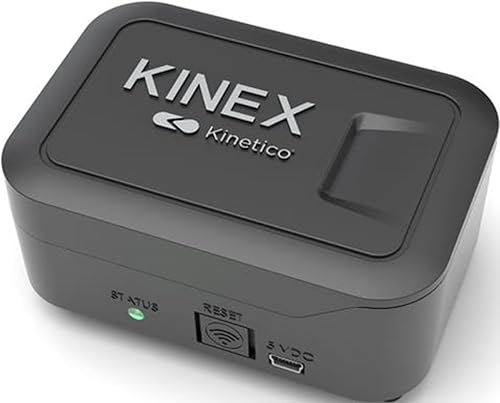
Kinetico Kinex Salt Monitor
This little gadget is a lifesaver if you’re forgetful. It syncs with an app to tell you exactly when to add salt, so you never accidentally run your softener dry. The peace of mind is worth way more than seven bucks. Honestly, this should come with every system.
- Eliminates guesswork
- Simple app integration
- Very low cost
- Requires a compatible Kinetico system
- Manufacturer warranty may not apply

Kinetico K12561 Pre-Filter String
This is basic but essential. If you have well water or older pipes, sediment can gunk up your expensive softener. This cheap string filter acts as a first line of defense. Think of it as a $1.50 insurance policy for your multi-thousand-dollar investment.
- Extremely affordable
- Protects softener resin
- Easy to replace
- Only filters sediment, not chemicals
- Needs regular replacement
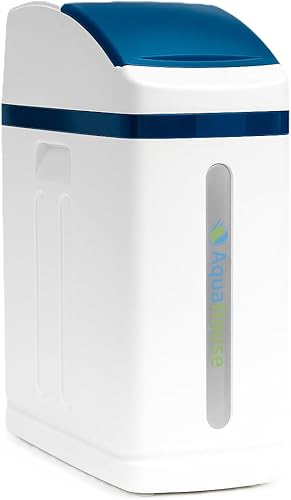
AquaHouse Metered Water Softener (9L)
If the Kinetico price is a non-starter, this AquaHouse is a competent, metered alternative at a fraction of the cost. It won’t have the twin-tank uninterrupted flow or the non-electric reliability, but for a small household on municipal water, it’s a solid budget pick. It’s a completely different class of product, but it softens water.
- Very low upfront cost
- Metered regeneration saves salt
- Compact design
- Single-tank, so no soft water during regeneration
- Less robust build quality
- Requires electricity

Filtered Shower Head with Handheld
This isn’t a softener, but it’s a great point-of-use fix if you’re renting or can’t install a whole-house system. The 15-stage filter tackles chlorine and heavy metals, which helps with dry skin and hair. The water pressure is surprisingly good. It’s a nice temporary solution while you save up for the real deal.
- Easy DIY install
- Improves shower water quality
- Multiple spray settings
- Doesn’t actually soften water (remove hardness minerals)
- Filter cartridges need replacing
Frequently Asked Questions
- Is Kinetico worth the high cost?
- For many, yes. If you value reliability, 24/7 soft water, and long-term efficiency, the premium pays for itself over a decade or more. If you have a small home with low, predictable water use, a quality metered single-tank system might be a better value.
- How much does Kinetico installation cost?
- Expect to pay between $500 and $1,500 for professional installation. The range depends on your home’s plumbing complexity, location, and local labor rates. Always get a detailed quote from the dealer.
- What are the ongoing costs for a Kinetico softener?
- Your main recurring cost is softener salt, typically $5-$15 per month. You’ll also need to replace any pre-filters occasionally. The non-electric design means zero impact on your power bill.
- Can I install a Kinetico system myself?
- It’s strongly discouraged. These are complex, high-flow systems that require proper sizing, plumbing integration, and setup. Improper installation can damage the unit and void the warranty. Leave it to the pros.
- How long does a Kinetico water softener last?
- With proper maintenance, 20 years or more is common. The lack of electronics and robust construction are key factors. Many dealers offer long-term warranties, which speaks to their confidence in the product’s longevity.
- Does a water softener affect drinking water?
- Yes, it removes hardness minerals (calcium, magnesium) and adds a small amount of sodium. If you’re on a low-sodium diet, consider a separate reverse osmosis drinking water system for your filtered water tap. A good kitchen sink filter can also address taste concerns.
Final Thoughts
The kinetico water softener cost is an investment in hassle-free, efficient water treatment. You’re not just buying a softener; you’re buying years of reliability and the convenience of never thinking about your water hardness again. For larger families, homes with high water use, or anyone who despises maintenance, it’s often worth every penny.
However, do your homework. Get your water tested. Get multiple quotes from authorized dealers. And be brutally honest about your household’s needs. For some, a simpler, less expensive system paired with a good fridge water filter or a dedicated hot cold water cooler for drinking water might be the smarter, more budget-conscious path. The best system is the one that solves your specific water problems without breaking the bank.
