


Best Home Water Softener Systems: A Veteran Tester’s 2026 Picks
After testing water treatment gear for over a decade, I’ve seen the damage hard water can do. It’s not just about spots on your glasses. Scale builds up in your pipes, water heater, and coffee maker, killing efficiency and lifespan. Choosing the right softener can save you thousands in repairs. This guide cuts through the marketing noise. We’ll cover what actually works, the real pros and cons, and our hands-on recommendations.
- What a water softener actually does to your water.
- The key benefits you’ll notice (and one major drawback).
- A clear breakdown of the different system types.
- Actionable criteria for picking the right size and model.
What Is a Home Water Softener System?
A home water softener is a device that removes hardness minerals—primarily calcium and magnesium—from your water supply. Hard water is measured in grains per gallon (GPG) or parts per million (PPM). Anything over 1 GPG is considered hard. The single biggest mistake we see is people ignoring their water test results. You need to know your starting number.
These systems are installed at the point where water enters your home, treating every drop from every faucet. This is different from a point of use equipment setup, which filters water at a single tap. A whole-house softener protects your plumbing, appliances, and fixtures throughout the entire home. It’s a foundational investment for water quality.
How Water Softeners Work
The Ion-Exchange Process
This is the most common method. The softener has a tank filled with resin beads coated with sodium ions. As hard water flows through, the calcium and magnesium ions stick to the beads, displacing the sodium ions into your water. After a cycle, the system flushes the beads with a concentrated salt brine, washing the hardness ions down the drain and “recharging” the beads with sodium.
Control Valves & Regeneration
The brain of the system is the control valve. It measures water usage and triggers the regeneration cycle automatically. Timer-based valves regenerate on a set schedule, which can waste salt and water. Demand-initiated regeneration (DIR) valves are smarter—they only clean the resin when needed based on your actual usage. In our experience, DIR valves save about 30% on salt and water costs annually.
Key Benefits of Softened Water
Appliance Protection & Efficiency: This is the big one. Scale buildup in your water heater acts as an insulator, forcing it to work harder. We’ve seen heating elements caked with 1/4 inch of scale. A softener can restore efficiency and extend appliance life by years. Your dishwasher and washing machine will thank you, too.
Cleaner Surfaces & Softer Fabrics: Say goodbye to soap scum on shower doors and stiff, faded laundry. Soft water allows soap to lather fully, so you’ll use less detergent and shampoo. Clothes come out softer and brighter. It’s a noticeable difference in daily life.
Healthier Skin & Hair: Hard water can leave a residue that clogs pores and dries out hair. Many readers report less itching and flakiness after installing a softener. For targeted shower filtration, a dedicated water filter for manganese and other contaminants can also help, but a softener tackles the root cause.
Potential Drawbacks to Consider
Softened water isn’t perfect. The added sodium makes it unsuitable for irrigating lawns and gardens, as sodium can build up in soil. Most homes install a bypass valve for outdoor spigots. There’s also the ongoing cost of salt or potassium chloride and the water used during regeneration. It’s not a “set it and forget it” appliance; it needs occasional refills and checks.
Types of Home Water Softener Systems
Traditional Ion-Exchange Softeners
The gold standard for true water softening. They physically remove hardness minerals. This is what most plumbers recommend for homes with moderate to very hard water. They require a drain for the regeneration cycle and electricity for the valve. A kinetico water conditioner is a type of non-electric, metered ion-exchange system known for efficiency.
Salt-Free Water Conditioners
Often called “descalers,” these don’t remove hardness minerals. Instead, they use a template-assisted crystallization (TAC) process to change the minerals’ structure so they don’t stick to surfaces. They’re low-maintenance and add no sodium. However, in our testing, they’re less effective in very hard water areas and don’t provide the same “slippery” feel of truly soft water.
Dual-Tank Softeners
Designed for large households or very hard water. While one tank is in use, the other can be regenerating, providing an uninterrupted supply of soft water. They’re more expensive and take up more space, but for a family of six with 30+ GPG water, they’re often worth it.
Buying Guide: How to Choose
1. Test Your Water: Don’t guess. Use a test kit or get a report from your utility. Know your hardness in GPG, and check for iron, which can foul resin.
2. Calculate Grain Capacity: Capacity (e.g., 32,000 grains) tells you how much hardness the resin can remove between regenerations. A simple formula: (People in home) x (75 gallons/day avg. use) x (Water Hardness in GPG) x (7 days) = required weekly capacity. Get a system that matches.
3. Choose Your Valve: Always opt for a demand-initiated regeneration (DIR) valve. Look for NSF/ANSI 44 certification for performance and safety.
4. Consider Your Space: You need room for the resin tank, brine tank, and access for maintenance. Measure twice.
For drinking water, a softener is often paired with a separate filter. An express water countertop reverse osmosis system can provide purified water at the tap, removing the added sodium and other contaminants.
Our Top Picks for 2026
| Product | Type | Key Feature | Price |
|---|---|---|---|
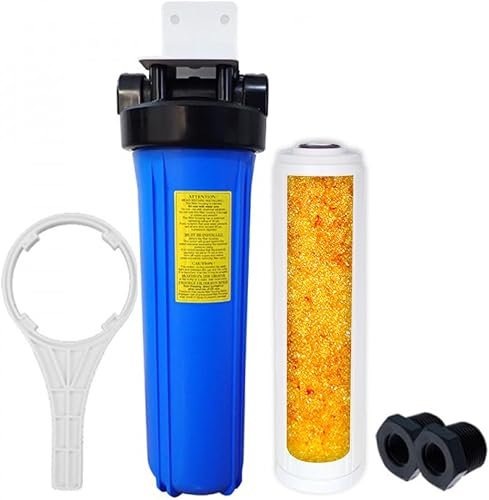
| Whole House Softener Filtration System 20×4.5 | Whole-House Filter/Softener Combo | Targets heavy metals, PFAS, & hardness | $1.99 |
| Filtered Shower Head with Handheld | Showerhead Softener/Filter | 15-stage filtration, high pressure | $48 |
| Geekpure 6-Stage RO with Mineral Filter | Reverse Osmosis (Remineralizing) | Adds healthy minerals back post-filtration | $2.99 |
| Geekpure 6-Stage RO with UV Filter | Reverse Osmosis (UV Sterilization) | UV light kills bacteria/viruses | $2.79 |
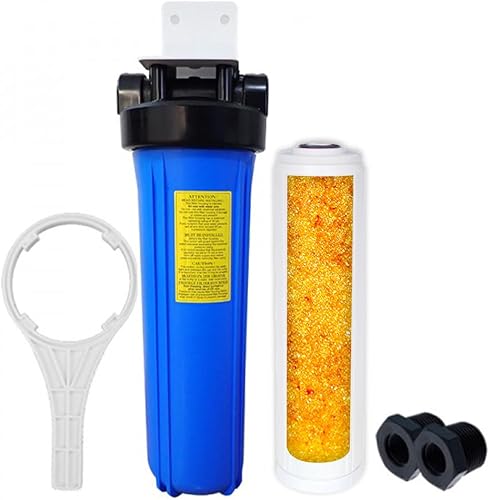
1. Whole House Water Softener Filtration System 20×4.5
This isn’t a traditional salt-based softener, but a heavy-duty filtration system that also addresses scaling. It’s a solid choice if your main worry is contaminants like PFAS, arsenic, and heavy metals alongside moderate hardness. Installation is straightforward for a handy homeowner. We found it particularly effective for well water with multiple issues. It’s a great value-first option.
- Addresses a wide range of contaminants
- Very affordable entry point
- Simple maintenance
- Not a true ion-exchange softener
- May not handle extreme hardness alone
- Filter replacement needed
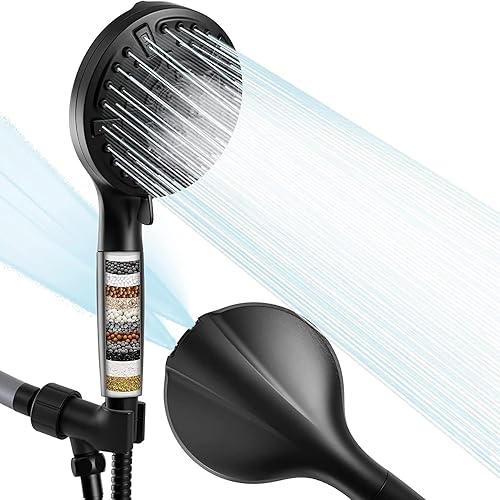
2. Filtered Shower Head with Handheld
If you rent or just want to tackle shower-specific issues, this is a clever, affordable fix. The 15-stage filter includes softening resin and KDF to reduce chlorine and heavy metals. The high-pressure design is legit—it doesn’t feel weak. We noticed less skin dryness after two weeks of use. It’s not a whole-house solution, but for $48, it’s a fantastic targeted upgrade. Don’t expect it to fix hard water stains in your toilet, though.
- Easy DIY installation
- Immediate improvement for skin/hair
- Multiple spray settings
- Only treats shower water
- Filter cartridge needs regular replacement
- Doesn’t soften water for other uses
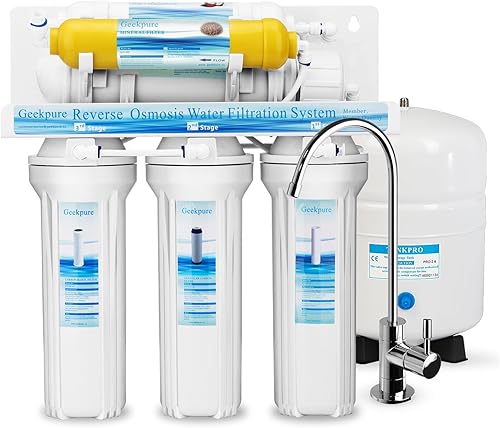
3. Geekpure 6-Stage Reverse Osmosis with Mineral Filter
This under-sink system is for drinking and cooking water. It removes virtually everything—including the sodium added by a softener—then adds beneficial minerals back. The result is clean, great-tasting water with a balanced mineral profile. We like this approach: soften the whole house, then purify and remineralize at the tap. The NSF-certified membrane is a trust signal. It’s a perfect partner to a whole-house softener.
- Exceptional filtration (0.0001 micron)
- Remineralization improves taste
- NSF-certified components
- Requires under-sink installation & drain
- Creates some wastewater
- Not for whole-house use
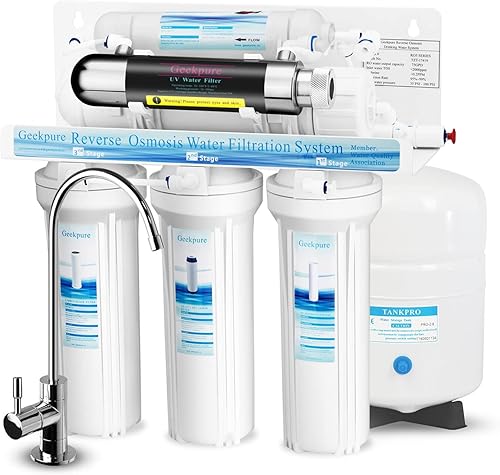
4. Geekpure 6-Stage Reverse Osmosis with UV Filter
This is the system to pick if microbiological safety is your top concern. The UV light stage sterilizes water, killing 99.99% of bacteria and viruses. It’s overkill for most municipal water, but for well water or areas with boil advisories, it’s peace of mind in a box. The LEAD FREE faucet is a nice touch. It pairs well with a hydroviv reviews approach of targeting specific contaminants.
- UV sterilization for microbiological safety
- Comprehensive 6-stage filtration
- NSF-certified RO membrane
- UV bulb needs annual replacement
- Higher upfront cost than basic RO
- Wastewater produced
Frequently Asked Questions
- What is the best home water softener system for well water?
- For well water, you often need a combination system. Start with a detailed test. A sediment pre-filter is usually necessary, followed by an iron filter if iron is present, then a standard ion-exchange softener. The whole-house system listed above can be a good starting point for multi-contaminant issues.
- How much does a whole house water softener cost?
- For a quality, professionally installed ion-exchange system, expect to pay between $1,500 and $3,000. DIY-friendly models can be found for $500-$1,500. Don’t forget ongoing costs: salt ($5-$15/month) and increased water usage from regeneration.
- Do water softeners waste a lot of water?
- Modern demand-initiated regeneration (DIR) systems are efficient. They typically use 20-25 gallons of water per regeneration cycle. For a family of four with 20 GPG water, that might happen once a week. That’s about 1,000-1,300 gallons per year—less than a toilet leak.
- Can I drink softened water?
- Yes, it’s safe. However, it contains added sodium. If you’re on a low-sodium diet, use a separate drinking water filter like a reverse osmosis system. Many people install an RO system at the kitchen sink for this reason.
- What’s the difference between a water softener and a conditioner?
- A softener removes hardness minerals via ion-exchange. A conditioner (like a TAC system) doesn’t remove them but changes their form to prevent scale. Conditioners add no salt but may not feel as “soft” and can struggle with very hard water. For true soft water, ion-exchange is still king.
Final Thoughts
Choosing the best home water softener system in 2026 comes down to your specific water test results and household needs. For most homes with hard water, a traditional ion-exchange softener with a demand-initiated valve remains the most effective solution. It protects your plumbing investment and makes daily life more pleasant.
Our top recommendation is to pair a whole-house softener with a point-of-use drinking water system. This gives you soft water for showers and appliances, and pure, great-tasting water at the tap. Start with a water test, size your system correctly, and invest in quality. Your pipes, skin, and wallet will thank you for years to come.
