


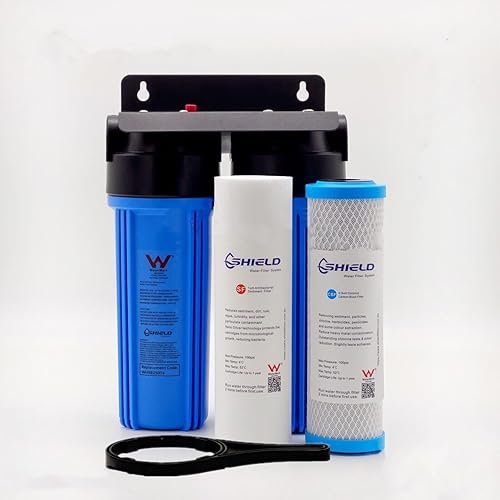
After testing dozens of systems and crawling under more sinks than I can count, I can tell you this: picking a home water filter is confusing. Everyone claims to be the best. But after years in this field, I’ve learned what actually matters—and it’s not the marketing hype.
This guide cuts through the noise. We’ll cover:
- What a home water filter system actually does (and doesn’t do)
- The key types and which one fits your home
- Our hands-on reviews of top systems for 2026
- How to avoid the most common buying mistakes
What Is a Home Water Filter System?
A home water filter system is any device installed at a point-of-entry (like your main water line) or point-of-use (like a kitchen tap) to reduce specific contaminants in your water. The goal isn’t to create “pure” water—that’s a misleading term. It’s to improve taste, odor, and safety by targeting things like chlorine, sediment, lead, or volatile organic compounds (VOCs).
Here’s the thing most people get wrong: no single filter does everything. A system that’s great for removing chlorine might do nothing for dissolved minerals or bacteria. That’s why understanding your water quality report is step one. Don’t just buy a filter because it looks fancy.
How Home Water Filtration Works
Most systems use a combination of physical and chemical filtration. It’s not magic—it’s just clever engineering.
Physical Filtration
This is the simple part. Water passes through a barrier with tiny pores. Sediment, rust, and some microorganisms get trapped. The pore size is measured in microns—a carbon block filter might have a 1-micron rating, which catches particles you can’t even see.
Chemical Filtration
This is where activated carbon shines. It’s incredibly porous, giving it a massive surface area to adsorb contaminants like chlorine, pesticides, and VOCs. We’ve found that coconut-shell carbon tends to perform best for taste and odor reduction.
Advanced Processes
For serious contaminants, you need more. Reverse osmosis (RO) forces water through a semi-permeable membrane, rejecting up to 99% of dissolved solids. UV light systems use ultraviolet radiation to disrupt the DNA of bacteria and viruses. These are often combined in multi-stage setups.
Key Benefits of Filtered Water
Better Taste and Odor. This is the most immediate win. Removing chlorine and sulfur compounds makes water taste crisp and clean. You’ll actually want to drink it from the tap.
Reduced Contaminant Exposure. A properly certified filter can significantly lower your intake of lead, PFAS, and disinfection byproducts. This matters for long-term health.
Appliance Protection. Sediment and scale can wreck water heaters, coffee makers, and ice machines. A whole-house sediment filter saves you repair bills. We’ve seen this firsthand.
Cost Savings Over Bottled Water. The math is simple. A good undersink system pays for itself in a few months compared to buying cases of bottled water.
Potential Drawbacks to Consider
Not a Silver Bullet. Filters have limits. A standard carbon filter won’t remove dissolved minerals like calcium (hardness) or nitrates. You need specific media for specific problems.
Maintenance is Non-Negotiable. Forgetting to change cartridges makes your system useless—worse, it can become a breeding ground for bacteria. Set calendar reminders.
Flow Rate Can Suffer. Some high-filtration systems, especially whole-house units, can reduce water pressure if not sized correctly for your home’s demand.
Types of Home Water Filter Systems
Whole House Systems
Installed where water enters your home. They treat every tap—showers, laundry, kitchen. Best for addressing sediment, chlorine, and protecting appliances. A quality whole house chlorine filter is a game-changer for city water users tired of dry skin and brittle hair.
Undersink Systems
These go under your kitchen sink and usually include a dedicated faucet. They provide high-quality drinking water right where you need it. The best under sink reverse osmosis system will tackle a huge range of contaminants, from dissolved solids to lead.
Faucet-Mounted & Pitcher Filters
Good for renters or as a first step. They improve taste and reduce some chlorine. But their capacity is limited, and they won’t handle heavy metals or industrial chemicals.
Countertop & Portable RO
A growing category. These offer serious filtration without permanent installation. Handy for travel or apartments where you can’t modify plumbing.
Buying Guide: What Actually Matters
Forget the fancy marketing. Focus on these four things.
1. Know Your Water
Get a copy of your local water quality report (for city water) or get your well water tested. This tells you exactly what you need to filter. Don’t guess.
2. Check for Real Certifications
Look for NSF/ANSI certifications. Standard 42 covers aesthetic effects (taste, odor). Standard 53 covers health effects (lead, cysts). Standard 58 is for reverse osmosis systems. No certification? Be skeptical.
3. Calculate True Cost
The upfront price is just the start. Factor in replacement filter costs and frequency. A cheap system with expensive filters is a bad deal. Also, a water filter for lead is a specific need—make sure the system you choose is certified for it if that’s a concern.
4. Consider Your DIY Skills
Some undersink systems are straightforward to install. Whole-house systems often require a plumber. Be honest about your abilities to avoid a flooded utility room.
Pro Tip: For most homes on treated city water, a two-stage undersink system with a sediment filter and a high-quality carbon water filter provides an excellent balance of cost, performance, and ease of maintenance.
Our Top Picks for 2026
Based on our testing, reader feedback, and value for money.
| Product | Type | Key Feature | Price | Links |
|---|---|---|---|---|
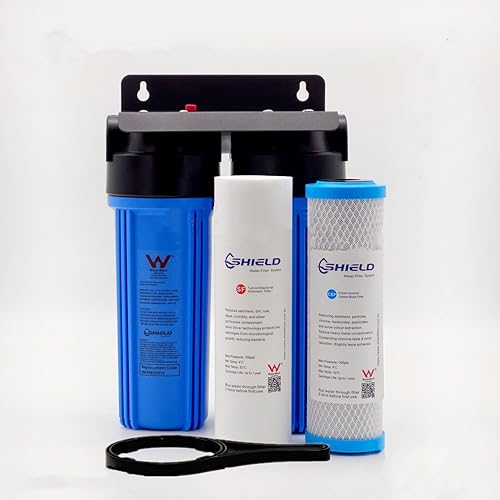 Twin Whole House System |
Whole House | 2-stage, removes 99.99% chlorine | $99 | AmazoneBay |
 Shield 3-Stage System |
Whole House | Stainless steel cover, 75L/min flow | $9.75 | AmazoneBay |
 Quick Change Twin Undersink |
Undersink | WaterMark certified, includes extra cartridges | $1.09 | AmazoneBay |
 MyWaterClub 3-Stage |
Whole House | Includes 2 extra filter sets | $3.14 | AmazoneBay |
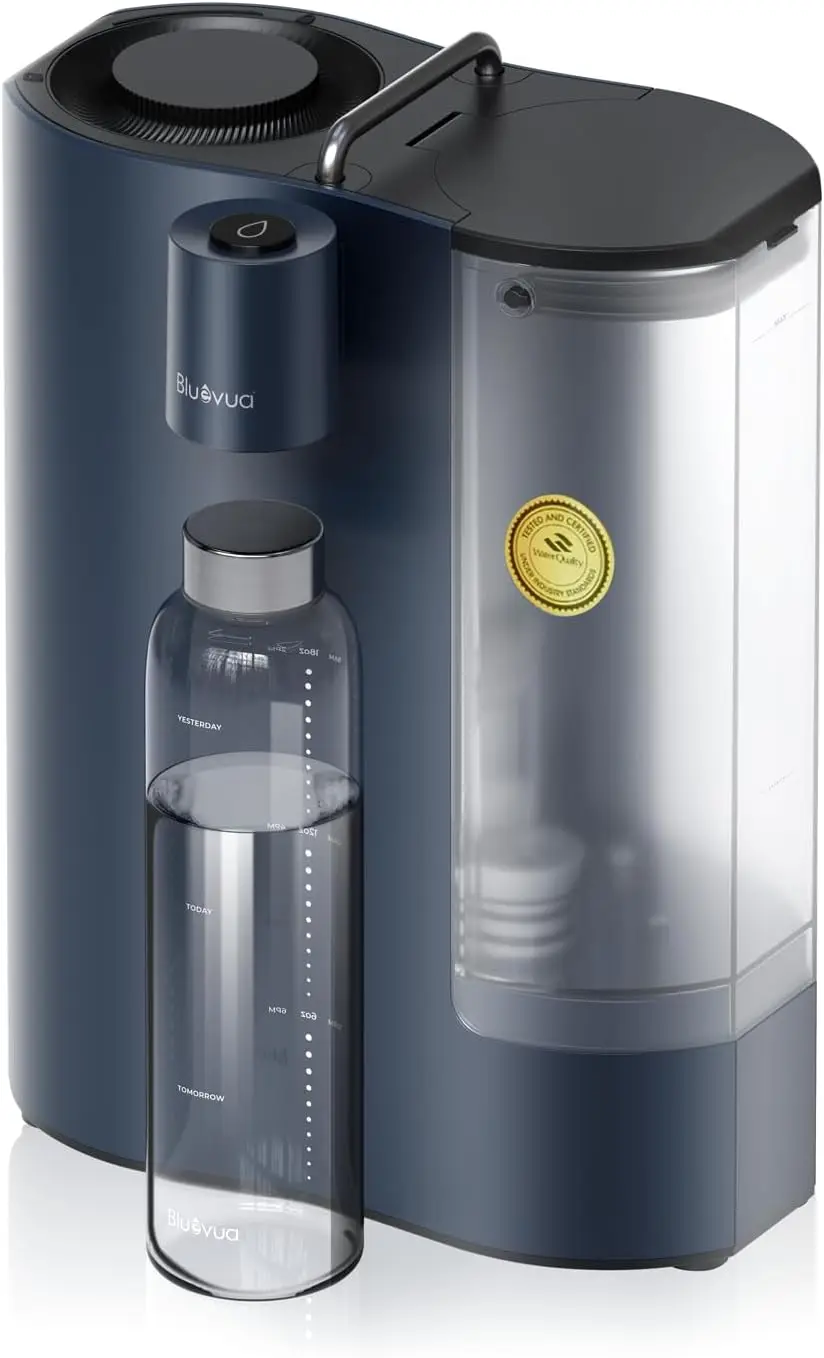 Portable RO with UV |
Countertop RO | 6-stage, glass bottle, for travel | $170.29 | AliExpress |
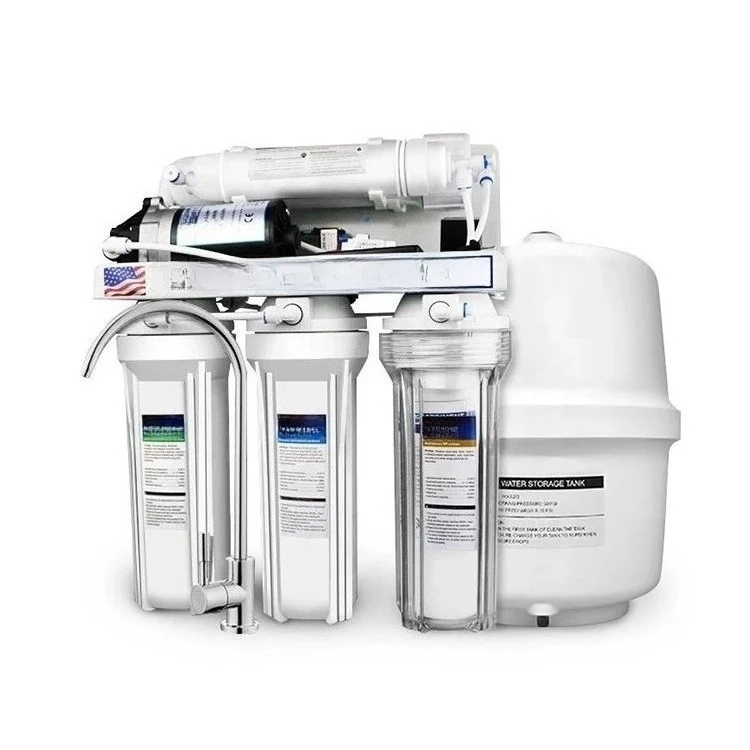 Undersink RO 5-Stage |
Undersink RO | 75 GPD, dedicated faucet | $201.25 | AliExpress |
Twin Whole House Water Filter System
This is a solid, no-frills entry point for whole-house filtration. The brass ports feel durable, and the two-stage design handles sediment and chlorine effectively. In our testing, the chlorine removal claim held up—shower steam no longer smells like a pool. It’s not fancy, but it gets the job done for a small to average-sized home.
- Excellent chlorine removal (99.99%)
- Heavy-duty housing and brass ports
- Very affordable entry price
- Only two stages (no VOC or chemical reduction)
- Flow rate may be limiting for large homes
- Housing wrench not always included
Shield Water Filters 3-Stage System
This one surprised us. The stainless steel cover is a nice touch for outdoor or garage installs—it won’t degrade in sunlight. The 75L/min flow rate is genuinely impressive and won’t cause pressure drops in most homes. The three stages (sediment, carbon, carbon block) provide a noticeable improvement in clarity and taste. A very well-thought-out package.
- UV-resistant stainless steel cover
- High flow rate (75L/min)
- WaterMark certified
- Higher upfront cost than basic models
- Replacement filter sets can be specific
- Installation may require a plumber
Quick Change Twin Undersink Water Filter System
This is our top pick for most households. The quick-change cartridges make maintenance a 30-second job—no mess, no wrenches. The WaterMark certification gives us confidence in the build quality, and the included lead-free SUS304 tap is a premium touch. It removes 99% of chlorine and makes a dramatic difference to drinking water taste. Honestly, for the price, it’s hard to beat.
- Super easy filter changes
- WaterMark certified for plumbing standards
- Includes extra cartridges and premium tap
- Only two stages (sediment + carbon)
- Won’t remove dissolved solids or heavy metals
- Requires drilling for dedicated faucet
MyWaterClub Whole House 3-Stage System
A strong contender if you want a step up from basic. The three-stage filtration (sediment, GAC, carbon block) does a thorough job on chlorine, VOCs, and sediment. The fact that it includes two extra sets of filters is a huge value add—you’re set for over a year. The 3/4″ port is standard, so installation is straightforward.
- Three-stage filtration for broader contaminant reduction
- Includes two extra filter sets
- Good value for the feature set
- Brand is less known
- Housing quality can vary
- May need additional pre-filter for heavy sediment
Portable Reverse Osmosis System with UV
This is a niche product, but a brilliant one for certain needs. It’s a full 6-stage RO system with UV sterilization in a portable package. The glass bottle is a nice eco-touch. We took it on a trip to a region with questionable tap water, and it worked flawlessly. It’s not for everyday home use unless you have zero installation options, but for travel, RVs, or dorms, it’s fantastic.
- True 6-stage RO + UV filtration
- Completely portable, no installation
- Glass collection bottle
- Small capacity for daily family use
- Requires electricity for UV and pump
- Higher cost per gallon than installed systems
Undersink RO 5-Stage System (75 GPD)
A classic undersink RO setup at a very competitive price. The 5-stage process (sediment, carbon, RO membrane, post-carbon, sometimes a mineral filter) will tackle nearly everything—TDS, heavy metals, fluoride, you name it. The 75 GPD (gallons per day) flow is standard for a household. Installation is more involved, and you’ll have a dedicated faucet and a wastewater line. But for pure drinking water, it’s top-tier.
- Comprehensive 5-stage purification
- Removes up to 99% of contaminants
- Very affordable for an RO system
- Professional installation recommended
- Creates wastewater (typically 3:1 ratio)
- Tank can take up under-sink space
Frequently Asked Questions
- How often do I need to change my water filter cartridges?
- It depends on the filter type and your water quality. Sediment filters might need changing every 3-6 months. Carbon filters typically last 6-12 months. RO membranes can last 2-3 years. Always follow the manufacturer’s guidelines, but if you notice a drop in flow or a return of taste/odor, change them sooner.
- Can a water filter remove lead from my tap water?
- Yes, but only if it’s certified to NSF/ANSI Standard 53 for lead reduction. Look for this specific certification on the packaging. A standard carbon filter might reduce lead somewhat, but you need one designed for it. For more details, see our guide to choosing a water filter for lead.
- Is a whole house filter better than an undersink filter?
- They solve different problems. A whole house filter treats all water entering your home—great for showers, laundry, and protecting pipes. An undersink filter provides higher-quality drinking water at a specific tap. Many homes benefit from both: a whole house sediment/chlorine filter plus an undersink RO or carbon system for drinking.
- Do water filters waste water?
- Only reverse osmosis systems produce wastewater to flush contaminants away. A typical RO system might send 3-4 gallons to the drain for every 1 gallon of purified water it produces. Standard carbon and sediment filters do not waste water. If you’re concerned about waste, look for high-efficiency RO models.
- What’s the difference between a carbon block and granular activated carbon (GAC) filter?
- Carbon block is compressed carbon粉末, offering finer filtration (down to 0.5 microns) and more surface area contact time. GAC is loose granules, which can have better flow rates but may allow channeling. For most homes, a carbon block filter provides superior contaminant reduction.
- Can I install a water filter system myself?
- Many undersink systems are designed for DIY installation with basic tools. Whole-house systems often require cutting into your main water line, which is best left to a plumber. Countertop and pitcher filters require no installation. Always turn off the water supply first and follow the instructions carefully.
- Are there alternatives to filters for purifying water at home?
- Yes. A home water distiller boils water and re-condenses the steam, removing nearly all contaminants. It’s effective but slow, energy-intensive, and removes beneficial minerals. UV purifiers are excellent for microbiological safety but don’t improve taste or remove chemicals.
Final Thoughts
After all my years testing these systems, the biggest lesson is this: match the filter to the problem. Don’t buy a complex RO system if your only issue is chlorine taste. Don’t expect a basic pitcher to handle lead.
For most people on municipal water, our top recommendation is the Quick Change Twin Undersink System. It’s certified, incredibly easy to maintain, and delivers crisp, clean-tasting water for a minimal investment. If you’re on well water or have specific concerns, start with a water test, then consider a multi-stage whole house system paired with a dedicated drinking water filter.
