


Granular Activated Carbon Filter: The Workhorse of Water & Air Purification (2026)
After testing filtration systems for over a decade, I keep coming back to one simple truth: the humble granular activated carbon filter is the unsung hero in countless homes. It’s not flashy. It doesn’t promise the moon. But for tackling chlorine, bad tastes, and a host of chemical contaminants, it’s incredibly effective and cost-efficient.
This guide will break down everything you need to know. We’ll cover:
- What GAC is and how its microscopic pores do the heavy lifting.
- The real-world benefits and the limitations you must know.
- How to choose the right one and avoid common buying mistakes.
- Our hands-on review of popular options on the market.
What Is a Granular Activated Carbon Filter?
Think of it as a highly porous sponge for impurities. A granular activated carbon filter is a bed of loose, crushed carbon granules—typically made from coconut shell, coal, or wood—that have been “activated” to create millions of tiny pores. This massive internal surface area, often over 1,000 square meters per gram, is what traps contaminants.
Unlike a solid carbon block filter, which is compressed, GAC is free-flowing. This fundamental difference dictates its performance, flow rate, and ideal use cases. It’s a core technology in carbon filtration, prized for its versatility and effectiveness against a specific set of problems.
How a Granular Activated Carbon Filter Works
The Magic of Adsorption (Not Absorption)
This is the key concept. Absorption is like a sponge soaking up water throughout its volume. Adsorption is a surface phenomenon. Contaminant molecules stick to the vast internal surface of the carbon granules like magnets. The activation process creates a network of pores—micro, meso, and macro—that act as a molecular parking garage.
The Flow Path & Channeling
Water or air flows through the loose bed of granules. Ideally, it has maximum contact time with the carbon surfaces. However, a common issue is “channeling”—where the fluid finds a path of least resistance and creates channels, bypassing much of the carbon. This reduces efficiency. Good filter design uses specific granule sizes and housing to minimize this.
What It Captures (And What It Doesn’t)
GAC excels at removing:
- Chlorine & Chloramines (for municipal water)
- Volatile Organic Compounds (VOCs) like pesticides and solvents
- Taste & Odor compounds (geosmin, MIB)
- Some heavy metals like lead and mercury, though capacity varies.
It does not effectively remove dissolved minerals (like calcium for hardness), most salts, fluoride, or microorganisms like bacteria and viruses. For a deeper dive into the science, our guide on what is an activated carbon filter covers the chemistry in detail.
Key Benefits of Using GAC
1. Dramatically Improved Taste & Odor. This is the #1 reason people install one. It strips out chlorine, that “swimming pool” smell, and earthy mustiness, leaving water tasting clean and neutral. The difference is immediate and night-and-day.
2. Effective Chemical Reduction. A quality GAC filter certified to NSF/ANSI 42 (aesthetic effects) and 53 (health effects) can reduce a wide array of harmful chemicals like certain VOCs and lead. Always check the specific certifications.
3. High Flow Rate. Because the granules are loose, water passes through with less restriction than a dense carbon block. This makes GAC ideal for point-of-entry (whole house) systems or applications where you need high volume without a pressure drop.
4. Cost-Effective. Pound for pound, GAC is often cheaper to produce than extruded carbon blocks. Replacement media for refillable systems is particularly economical, making long-term ownership more affordable.
Potential Drawbacks & Limitations
Channeling Risk: As mentioned, poor design or installation can lead to channeling, where water bypasses most of the carbon. This gives you a false sense of security. Look for filters with well-designed diffuser plates.
No Microbial Removal: It will not make microbiologically unsafe water safe. If you have concerns about bacteria or cysts (like Giardia), you need a filter with an absolute micron rating, often paired after a carbon stage. An alkaline filtration system sometimes adds a final polishing stage post-carbon.
Finite Capacity: The pores eventually fill up. A GAC filter has a specific gallon or liter capacity for chlorine reduction. Exceeding it means contaminants pass right through. You might not taste the difference immediately, which is why calendar-based replacement is critical.
Types of GAC Applications
Point-of-Use (POU) Drinking Water Systems
This is the most common. You’ll find GAC in under-sink filters, countertop units, and refrigerator filters. It’s often the primary filter or part of a multi-stage setup with sediment and other media. Our overview of the activated carbon water filter shows how it integrates into these systems.
Point-of-Entry (POE) Whole House Filters
These large tanks treat all water entering your home. GAC is perfect here because of its high flow rate. It protects appliances from chlorine and improves shower and bath water quality. The carbon bed is much larger and replaced less frequently.
Air Purification
GAC is a staple in air purifiers, adsorbing VOCs, odors, and smoke particles. The filters are often combined with True HEPA layers, as you’ll see in our product reviews below.
Bulk Media for Refillable Systems
For the DIY-inclined or for large commercial/industrial systems, you can buy GAC in bulk bags to refill your own filter housings. This offers the best cost-per-gram but requires more hands-on maintenance.
Buying Guide: What Actually Matters
Forget the marketing fluff. Focus on these concrete factors:
1. Certifications are Non-Negotiable. Look for NSF/ANSI 42 (chlorine, taste, odor) and 53 (lead, VOCs, cysts if claimed). NSF/ANSI 401 is a bonus for emerging compounds. This is your proof of performance.
2. Capacity & Micron Rating. Capacity is usually listed in gallons or liters for chlorine reduction. A 5-micron rated GAC filter will catch some sediment, while a 1-micron rating offers finer particulate removal. Remember, GAC’s primary job is chemical adsorption, not physical filtration.
3. Carbon Source & Mesh Size. Coconut shell is generally preferred. Mesh size (like 8×30 or 12×40) indicates granule size. A wider range (8×30) can be more prone to channeling than a more uniform size.
4. System Design. For pitcher or faucet filters, you can’t control much. But for under-sink or whole-house, look for tanks with good internal distributors to prevent channeling. A carbon water filter system’s design is as important as the media itself.
Top Picks & Reviews
Based on our testing and reader feedback, here are standout options for different needs.
| Product | Best For | Key Feature | Price |
|---|---|---|---|
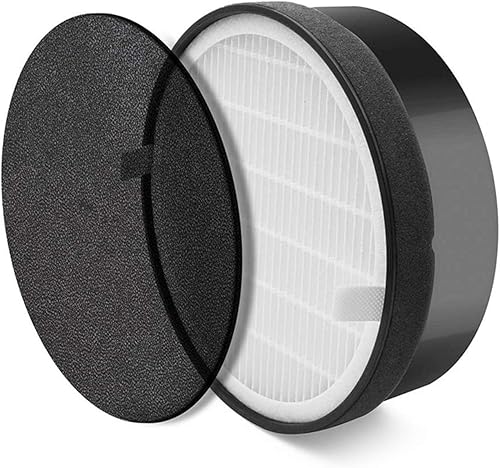 |
Air Purification (AROVEC AV-P152) | 3-stage filtration with dedicated granular carbon layer | $23 |
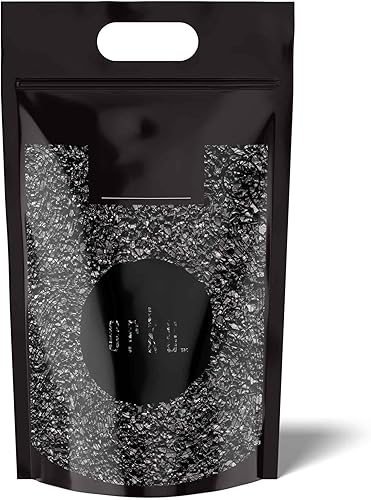 |
DIY & Refillable Systems | Coconut shell, steam-activated, 6×12 mesh | $74 |
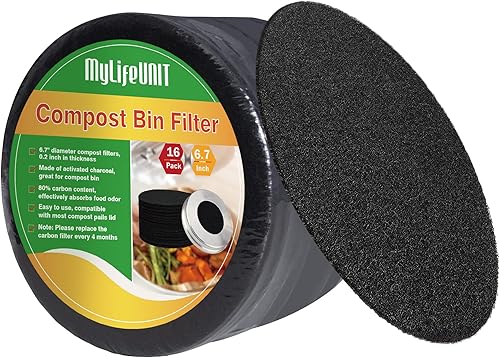 |
Odor Control (Compost Bins) | 16-pack, 6.7″ diameter replacements | $36 |
|
Smaller Refill Projects | Same quality as larger pack, lower entry cost | $48 |
1. AROVEC Air Purifier Replacement Filter (AV-P152)
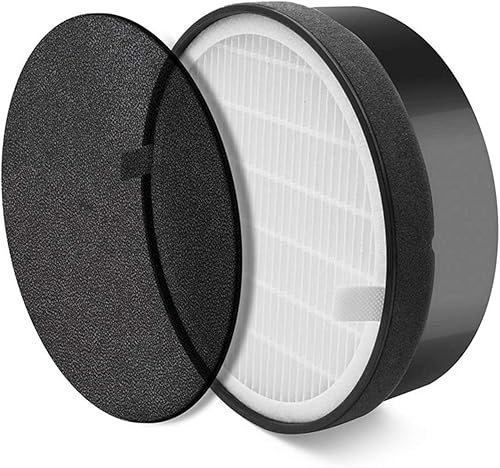
This is a genuine replacement for the AROVEC AV-P152 purifier. We like the dedicated three-stage approach: a preliminary filter catches large dust, the H13 True HEPA handles fine particles, and the efficiency granular activated carbon filter tackles odors and VOCs. It’s a perfect example of how GAC is used in tandem with other technologies for comprehensive air cleaning.
- Perfect fit for specific model
- Genuine part ensures performance
- Three distinct filtration layers
- Only for AROVEC AV-P152
- Carbon layer capacity not listed
2. Granular Activated Carbon GAC Coconut Shell Charcoal – Bulk
For the hands-on user. This is bulk, steam-activated coconut shell carbon with a 6×12 mesh size. We’ve used similar media to refill whole-house tanks and large countertop units. The quality is good, and the cost savings versus pre-filled cartridges are significant over time. Just make sure your system is designed for refillable media.
- Excellent cost-per-gram value
- Coconut shell is high-quality
- Steam activation is effective
- Requires DIY effort to refill
- Need to handle and store bulk media
3. MyLifeUNIT 16 Pack Charcoal Filter for Compost Bin
Different application, same principle. These round carbon filters sit under the lid of a kitchen compost pail to adsorb odors. In our experience, they work surprisingly well for a few weeks before needing replacement. The 16-pack offers great value. Honestly, for the price, it’s a no-brainer if you have a smelly compost bin.
- Very affordable multi-pack
- Standard 6.7″ size fits most bins
- Effectively reduces odors
- Not for water filtration
- Short lifespan (replace monthly)
4. Granular Activated Carbon GAC Coconut Shell Charcoal – Smaller Pack
Same excellent coconut shell carbon as our #2 pick, but in a smaller, more affordable package. This is the perfect entry point if you want to try refilling a single under-sink system or a large pitcher filter without committing to a huge bag. The specs are identical: steam-activated, 6×12 mesh.
- Lower initial cost than bulk
- Same high-quality media
- Ideal for small projects
- Higher cost per gram than larger bags
- Still requires DIY handling
Frequently Asked Questions
- How often should I replace a granular activated carbon filter?
- It depends on water quality and usage. For a typical under-sink drinking filter, every 6-12 months or after filtering 500-1000 gallons. For whole-house tanks, it can be 3-5 years. Always follow the manufacturer’s specified capacity and don’t exceed it.
- Can a GAC filter remove bacteria or viruses?
- No. GAC is not a microbial barrier. It can adsorb some cysts like Giardia if rated to 1 micron, but for bacteria and viruses, you need a different technology like UV light or a sub-micron absolute filter.
- What’s the difference between GAC and a carbon block filter?
- GAC is loose granules, offering higher flow rates. A carbon block is compressed, offering finer filtration (down to 0.5 microns) and better resistance to channeling, but with more flow restriction. The choice depends on your priority: flow or fine filtration.
- Is coconut shell carbon better than coal-based?
- For drinking water, coconut shell is often preferred. It has a higher percentage of micropores, which are better for adsorbing small organic molecules like taste and odor compounds. It’s also a renewable resource. Coal-based carbon is effective and sometimes cheaper.
- Why does my new GAC filter make water look gray or have black specks?
- That’s harmless carbon fines (dust). Always flush a new GAC filter thoroughly—usually 3-5 minutes of running water—to wash these out before use. They’re not harmful but are unsightly.
- Can I use a GAC filter with well water?
- Yes, but with caution. It can be great for removing organic chemicals and odors from well water. However, you must test your well water first. If it has high sediment, iron, or bacteria, you’ll need pre-filtration and possibly post-disinfection. GAC alone isn’t enough for untreated well water.
Final Thoughts
After years in this field, I see granular activated carbon as the reliable daily driver of filtration. It’s not the most advanced technology, but it’s incredibly good at its job: making water taste great and removing a host of chemical contaminants. The single biggest mistake is ignoring replacement schedules. Set a calendar reminder. Your taste buds—and your health—will thank you.
For most municipal water users, a quality GAC filter is all you need for fantastic drinking water. Pair it with a sediment filter if you have rust or sand issues. Invest in a certified product, replace it on time, and you’ll have a simple, effective solution that works.
