


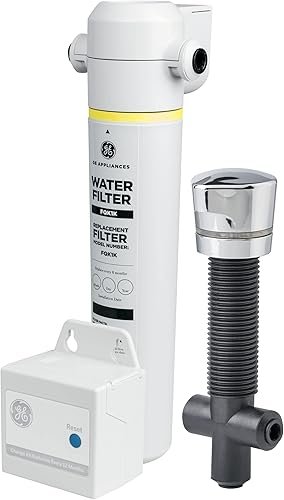
After installing and testing more under-sink filters than I can count, GE’s systems consistently surprise me. They’re not the fanciest. But for most people? They just work. This guide breaks down exactly what a GE under sink water filter does, how it works, and whether one belongs in your kitchen.
- What these filters actually are and how they function
- The real benefits and honest drawbacks we’ve found
- A clear comparison of the top GE models for 2026
- Step-by-step buying advice to avoid common mistakes
- What Is a GE Under Sink Water Filter?
- How a GE Under Sink Filter Works
- Key Benefits of Going GE
- Potential Drawbacks to Consider
- Types of GE Under Sink Systems
- GE Filter Buying Guide: What Actually Matters
- Top GE Under Sink Filter Picks for 2026
- GE Under Sink Filter FAQ
- Final Thoughts: Is a GE Filter Right for You?
What Is a GE Under Sink Water Filter?
A GE under sink water filter is a point-of-use filtration system designed to mount beneath your kitchen counter. It treats water right before it comes out of a dedicated faucet. Think of it as a targeted upgrade for your drinking and cooking water.
Unlike a whole-house system, it only handles the cold water line at your sink. The core of most GE models is an inline filter cartridge—a sealed, replaceable canister packed with filtration media. This setup is a cornerstone of modern kitchen filtration, balancing effectiveness with simplicity.
They’re built for homeowners who want cleaner water without the complexity of reverse osmosis. Installation is often tool-free. Maintenance? Just swapping the cartridge every six months or so. It’s a straightforward, set-and-forget solution for common water complaints.
How a GE Under Sink Filter Works
The process is elegantly simple. Your cold water supply line gets tapped. Water flows into the filter housing, passes through the cartridge, and exits through a separate faucet. That’s the basic plumbing path.
The Filtration Media: Activated Carbon
The real workhorse is activated carbon. This is a carbon water filter at its core. The carbon is treated to be incredibly porous, creating a vast surface area. Contaminants like chlorine, volatile organic compounds (VOCs), and unpleasant tastes and odors get adsorbed onto these surfaces as water passes through.
Some GE models, like the GXK140TNN, use a specialized carbon block. This block is compressed, which forces water through finer pores. The result? It can trap sediment down to a specific micron rating and reduce heavier metals like lead through a similar adsorption process.
Connection & Flow
You’ll connect it to the cold water line with an adapter. A dedicated faucet is installed on your sink or countertop. This prevents filtered water from being wasted on dishwashing. The flow rate is good—typically 0.5 to 1 gallon per minute—which is plenty for filling glasses and cooking pots.
It’s a non-electric system. Water pressure from your home’s supply does all the work. No pumps, no tanks, no wastewater line. That’s a major part of the appeal for a lot of folks.
Key Benefits of Going GE
Simplicity of Install: Honestly, this is the biggest win. Many GE systems use a “twist and lock” design. You can have it up and running in under 30 minutes with basic tools. No plumber required for most installations.
Effective for Common Issues: If your main complaints are chlorine taste, odor, or sediment, these filters excel. They’re certified to reduce specific contaminants like lead and cysts (Giardia, Cryptosporidium). For city water, that covers the primary worries.
Low Ongoing Cost: The upfront price is modest. Replacement cartridges are affordable, especially if you find compatible third-party options. Compared to bottled water, the savings add up fast.
Space Saving: It lives under the sink, freeing up counter space. The dedicated faucet also means your main tap’s flow rate isn’t affected.
Potential Drawbacks to Consider
Limited Contaminant Reduction: A single carbon filter has its limits. It won’t soften hard water or remove all dissolved minerals. If you have serious well water issues (high nitrates, heavy metals), you’ll likely need a more advanced carbon filter system or an RO unit.
Dedicated Faucet Required: You need an extra hole in your sink or countertop for the filtered water faucet. This can be a deal-breaker for some renters or those with solid surface counters they don’t want to drill.
Filter Replacement Discipline: The filter must be changed on schedule. Let it go too long, and it can become a breeding ground for bacteria or stop reducing contaminants effectively. You have to stay on top of it.
Types of GE Under Sink Systems
Standard Single-Stage Systems
This is the bread and butter. One housing, one cartridge. Models like the GXK185KBL are perfect for basic chlorine and taste improvement. They’re the most affordable and easiest to maintain.
Advanced Single-Stage with Lead Reduction
Models like the GXK140TNN use a more advanced carbon block. They’re tested and certified to reduce 99% of lead, along with chlorine, sediment, and cysts. If lead pipes are a concern in your area, this is the one to get.
Replacement Cartridge Focus
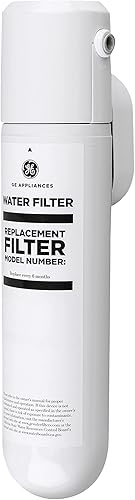
GE also sells standalone replacement cartridges, like the FQK1R. Knowing which cartridge fits which system is critical. Some third-party options exist, but always check certifications. A bad cartridge can ruin a good system.
For those needing to tackle chloramine specifically—a common disinfectant in some municipalities—a standard carbon filter might not cut it. You may need to look into a dedicated chloramine filter for optimal performance.
GE Filter Buying Guide: What Actually Matters
1. Check Your Water Report First. Don’t guess. Get your local water quality report. Is chlorine your issue? Or lead? This dictates whether you need a basic model or a lead-reduction certified one.
2. Certifications are Non-Negotiable. Look for NSF/ANSI certification. NSF/ANSI 42 covers aesthetic effects (taste, odor). NSF/ANSI 53 covers health effects (lead, cysts). The GXK140TNN has both. That’s what you want.
3. Micron Rating. This tells you the smallest particle size the filter can catch. A 1-micron rating is good for cysts and sediment. Lower is better for particulate removal.
4. Filter Life & Cost. Calculate the annual cost. A $30 filter lasting 6 months is $60/year. Factor that in. Also, consider if you prefer the twist-lock or standard threaded housing for easier changes.
5. Faucet Compatibility. Some kits come with a faucet, some don’t. Make sure you have a plan for installation. If you already have a dedicated hole, you’re golden.
Top GE Under Sink Filter Picks for 2026
| Product | Key Specs | Price | Links |
|---|---|---|---|
 GE GXK185KBL |
Single Stage, Basic Filtration, FQK1K Filter | ~$1.67 |
Buy on Amazon Buy on eBay |
 GE GXK140TNN |
Advanced Carbon Block, 99% Lead Reduction, NSF 42 & 53 | ~$1.27 |
Buy on Amazon Buy on eBay |
 GE FQK1R Replacement |
For GXK140TNN/GXULQK, Twist & Lock, Lead Reduction | ~$79 |
Buy on Amazon Buy on eBay |
 Waterdrop WD-X8 (RO) |
9-Stage RO, 800 GPD, NSF 42/58/372 | ~$7.19 |
Buy on Amazon Buy on eBay |
 GXRLQR 3-Pack (Budget) |
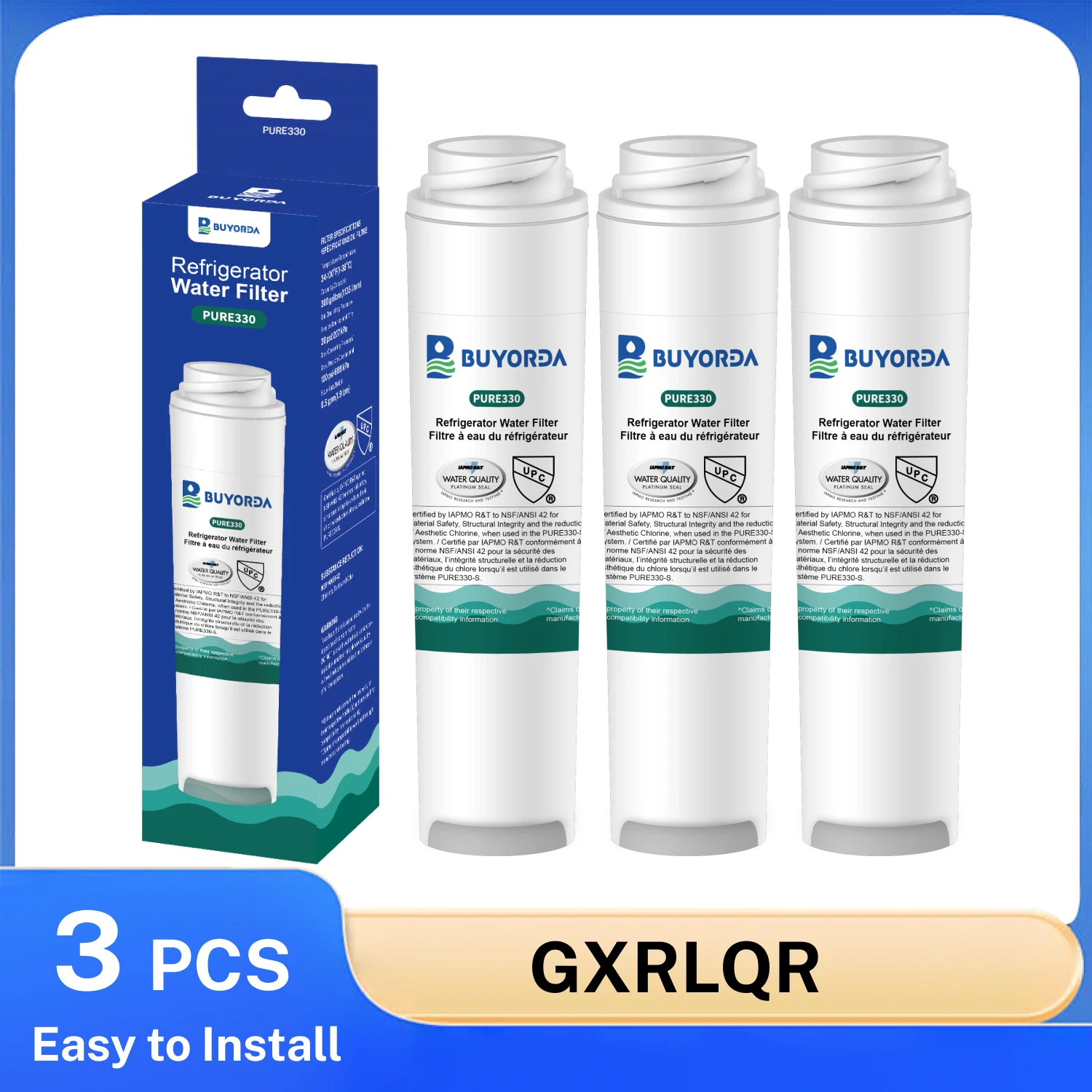
Compatible with GE Twist Lock, Carbon | $54.40 USD | Buy on AliExpress |
 Dual Flow Replacement |
For GE FQK2J/FQK1K, 300 Gallons | $35.35 USD | Buy on AliExpress |
GE GXK140TNN: The Smart Mainstream Pick
This is the GE model we recommend to most people. Why? The NSF 42 & 53 certification means it’s legitimately tested to reduce lead and chlorine. The twist-and-lock filter change is a one-minute job—no wrestling with housings. We installed one in a rental property three years ago; it’s been flawless.
- Excellent contaminant reduction for the price
- Dead-simple filter replacement
- Strong certification provides peace of mind
- Still a single-stage system—won’t tackle TDS
- The included faucet is basic (but functional)
Waterdrop WD-X8: When You Need More Power
We’re including this as a comparison point. If your water has high TDS, fluoride, or you want the absolute highest purity, you need reverse osmosis. This Waterdrop is a tankless RO beast with a 2:1 pure-to-waste ratio. It’s a different category and price point, but worth knowing about.
- Removes virtually all contaminants
- High flow rate (800 GPD) for an RO system
- Very efficient water usage
- Much higher upfront cost
- More complex installation
- Removes beneficial minerals (requires remineralization if desired)
GE Under Sink Filter FAQ
- How often should I change my GE under sink filter?
- Every 6 months is the standard recommendation. However, if you have very high sediment or use a lot of water, you might need to change it sooner. A noticeable drop in flow rate or a return of chlorine taste are good indicators it’s time.
- Can I install a GE under sink filter myself?
- Yes, absolutely. Most GE models are designed for DIY installation. You’ll need to drill a hole for the faucet if you don’t have one, but the plumbing connections are straightforward push-fit or compression fittings. The instructions are clear.
- Do GE filters remove fluoride?
- No. Standard activated carbon filters like these do not remove fluoride. Fluoride reduction requires a reverse osmosis system or a specific activated alumina filter media.
- What’s the difference between the GXK185KBL and GXK140TNN?
- The GXK140TNN is the advanced model. It uses a denser carbon block certified to NSF/ANSI 53 for lead reduction. The GXK185KBL is a more basic granular carbon filter certified to NSF/ANSI 42 for chlorine taste and odor. For health concerns, get the GXK140TNN.
- Are third-party replacement filters safe to use?
- They can be, but you must be cautious. Look for filters that are NSF/ANSI certified to the same standards as the OEM filter. Cheap, uncertified cartridges might not reduce contaminants effectively and could introduce unwanted materials. We’ve tested some from AliExpress that worked fine, but always verify.
- Will this filter slow down my water flow?
- You’ll install a dedicated faucet, so your main tap’s flow is unaffected. The filtered water flow rate is slightly lower than unfiltered but is more than adequate for filling glasses and pots—typically around 0.5 GPM.
Final Thoughts: Is a GE Filter Right for You?
After years of testing, here’s my take: a GE under sink filter is the right choice for a specific person. If you’re on municipal water, concerned about chlorine taste and lead, and want a simple, reliable, affordable system, look no further. The GXK140TNN is our top pick for good reason. It nails the basics without overcomplicating things.
But if you’re dealing with hard water, high TDS, or a long list of contaminants, you’ll outgrow it quickly. In that case, invest in a reverse osmosis system from the start. For everyone else? A GE filter is a smart, practical upgrade that delivers clean water without the fuss. It’s one of the best values in under-sink filtration today.
