


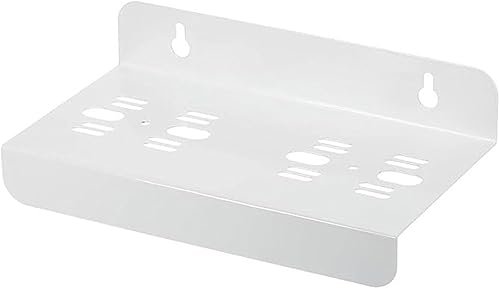
That plastic bracket that came with your filter system? It’s a ticking time bomb. After testing dozens of installations and hearing from plumbers who’ve cleaned up the resulting messes, I can tell you the humble bracket is the most overlooked component in home filtration. This guide will break down what they are, why they matter, and which ones won’t let you down.
- What exactly a filter housing bracket does and why the stock one often fails.
- The key differences between cheap and quality brackets.
- How to pick the perfect bracket for your specific system.
- Our hands-on reviews of the top brackets you can buy in 2026.
What Is a Filter Housing Bracket?
It’s a metal plate, usually with pre-drilled holes, that mounts your filter housings to a solid surface. Think of it as the skeleton that holds the whole system together. Without it, your heavy sediment and carbon filters are just hanging off the plumbing, putting immense stress on the inlet and outlet connections.
Most under-sink or whole-house systems come with a basic plastic or thin metal bracket. They work fine on day one. But over time, the weight of the housings—especially when filled with water and a saturated filter cartridge—causes plastic to warp and thin metal to bend. This leads to leaks at the o-rings and, in worst cases, a complete housing separation. We’ve seen it flood kitchens. It’s not pretty.
The bracket is fundamentally about safety and longevity. It takes the load off the plumbing and distributes it evenly across a wall stud or cabinet back. If you’re investing in a quality system, whether it’s a simple two-stage or a complex alkaline filtration system, the bracket is its foundation.
How a Filter Housing Bracket Works
Load Distribution
The bracket’s primary job is to spread weight. A single 10-inch housing can weigh over 5 pounds when wet. Multiply that by two, three, or four stages, and you’re looking at 20+ pounds of constant downward pull. A solid bracket with multiple mounting points transfers this load to the wall, preventing any single point of failure on your plumbing.
Vibration Dampening
Water hammer and pressure changes cause pipes to vibrate. A rigid metal bracket, when properly mounted to a stud, absorbs and dissipates this energy. That cheap plastic clip? It just flexes, letting every shock travel directly to the housing threads. Over months, this vibration loosens fittings and wears out o-rings faster.
Alignment Maintenance
Proper alignment is critical for the housings to seal correctly. A sagging system creates uneven pressure on the housing cap, leading to slow drips. The bracket keeps everything plumb and level, ensuring the o-ring seats perfectly every time you tighten the sump. This is especially crucial for systems with more than two stages in a row.
Key Benefits of a Quality Bracket
Prevents Catastrophic Leaks: This is the big one. A sturdy bracket is your first line of defense against a flooded cabinet. It holds the housings steady, eliminating the flex that breaks seals.
Extends System Lifespan: By reducing stress on the housings and fittings, you’ll get more years out of your investment. Housings crack at the neck when they’re unsupported. A bracket stops that.
Makes Filter Changes Easier: Ever tried to unscrew a sump that’s twisting in a flimsy bracket? It’s a nightmare. A solid bracket gives you something to push against, making wrench work much simpler. It’s a small thing you’ll appreciate every 6 months.
Enables Cleaner Installs: A proper bracket lets you mount the system at a comfortable height, with clean, straight plumbing runs. It looks professional and functions better. If you’re considering a dedicated drinking water service line, a clean install is non-negotiable.
Potential Drawbacks & Installation Pitfalls
Some cheap brackets have sharp, unfinished edges. Wear gloves during installation. Another issue is corrosion. If you have a water softener or high-mineral water, a plain steel bracket will rust. Look for powder-coated, galvanized, or stainless steel options. This is more important than you think, especially if your system is near a water distiller machine that might increase ambient humidity.
Finally, don’t overtighten the housing onto a bracket that’s not yet secured to the wall. You can warp the bracket plate. Mount the bracket to the wall first, then attach the housings.
Types of Filter Housing Brackets
Single-Stage Brackets
These are simple, small plates for one housing. They’re common for under-sink drinking water filters or as add-ons for expansion. They’re cheap but offer the least stability. Fine for a light, single carbon filter.
Multi-Stage Brackets (The Standard)
Designed for 2, 3, or 4+ housings in a row. This is what you want for most whole-house and comprehensive under-sink systems. They provide the best load distribution. The dual-stage bracket we tested is a perfect example of this robust design.
Universal/Adjustable Brackets
These have slotted holes or movable arms to fit different housing spacings. They offer flexibility but can sometimes feel less solid than a dedicated, fixed bracket. Measure twice if you go this route.
Buying Guide: What Actually Matters
1. Material & Gauge: This is priority number one. Look for stainless steel or steel with a baked enamel/powder-coat finish. The thickness should be at least 1mm (18 gauge). Thicker is better. The 1.3-1.8mm brackets we like are practically overkill, and that’s a good thing.
2. Stage Count Compatibility: Match the bracket to your system. A 3-stage bracket for a 3-stage system. Don’t try to rig a 2-stage bracket for three housings; the overhang will cause sag.
3. Mounting Hole Pattern: Check the number and placement of wall-mounting holes. More holes mean better load distribution. Four corner holes are ideal.
4. Finish: A glossy baked enamel finish isn’t just about looks. It seals the metal from moisture, preventing rust in damp cabinets. It’s also easier to wipe clean.
For those exploring different technologies, the stability a good bracket provides is just as critical for an electric water distiller setup as it is for a standard filter.
Top Filter Housing Bracket Picks for 2026
| Product | Material & Key Feature | Best For | Price |
|---|---|---|---|
| Dual-Stage Metal Bracket (10″, White Iron) |
White Iron, 1.3-1.8mm thick, Baked Enamel | Most 2-stage under-sink & whole-house systems | $28 |
| Single-Stage Metal Bracket (10″, White Iron) |
White Iron, 1.3-1.8mm thick, Baked Enamel | Adding a single stage or simple filters | $15 |
| Stainless Steel Bracket (1.7mm) (10″/20″ Single) |
Stainless Steel, 1.7mm thick | Humid environments, single-stage 10″ or 20″ | $14 |
| Stainless Steel Bracket (1mm) (10″/20″ Single) |
Stainless Steel, 1mm thick | Budget-friendly stainless option | $14 |

1. Water Filter Housing Bracket (10inch, Dual Stage)
This is the bracket we install in our own test setups. The 1.3-1.8mm white iron feels substantial—you can tell it’s not going to bend. The baked enamel finish gives it a clean, professional look that’s held up perfectly in our humid shop environment for over a year. At $28, it’s a no-brainer upgrade over the plastic junk that comes with most systems.
- Excellent load-bearing thickness
- Rust-resistant baked enamel coating
- Perfect for standard 2-stage systems
- Only for 10-inch housings
- White color shows dirt easily

2. Water Filter Housing Bracket (10inch, Single Stage)
Same bombproof construction as its dual-stage sibling, just in a single-housing format. This is what you want if you’re adding a polishing filter to an existing system or have a standalone drinking water unit. The metal is thick, the finish is durable, and the price is right. Honestly, there’s no reason to trust a plastic bracket when this exists for $15.
- Heavy-duty 1.3-1.8mm construction
- Glossy, easy-to-clean enamel finish
- Great value for a metal bracket
- Not for 20-inch housings
- May be overkill for a very light filter

3. Mounting Bracket for Water Filter Housing (Stainless Steel, 1.7mm Thick)
If your filter lives in a truly damp location—like a basement prone to humidity or near a laundry setup—stainless steel is the way to go. This 1.7mm version feels incredibly rigid. The universal design fits both 10″ and 20″ single-stage housings, which is a nice bit of flexibility. Our only gripe is the mounting hardware could be better, but the bracket itself is solid.
- Corrosion-proof stainless steel
- Thick 1.7mm plate won’t flex
- Fits both 10″ and 20″ housings
- Slightly smaller footprint
- Basic included screws
4. Mounting Bracket for Water Filter Housing (Stainless Steel, 1mm Thick)
This is the budget stainless option. At 1mm thick, it’s noticeably thinner than the 1.7mm model above. It will still outperform any plastic bracket, but if you have a heavy, multi-stage system, spend the extra few dollars for the thicker version. For a single, lightweight housing, it’s perfectly adequate and offers great corrosion resistance at a low price.
- Affordable stainless steel construction
- Good for standard 10″ or 20″ housings
- Moisture and rust resistant
- 1mm thickness is minimal
- Can bend under heavy, sustained load
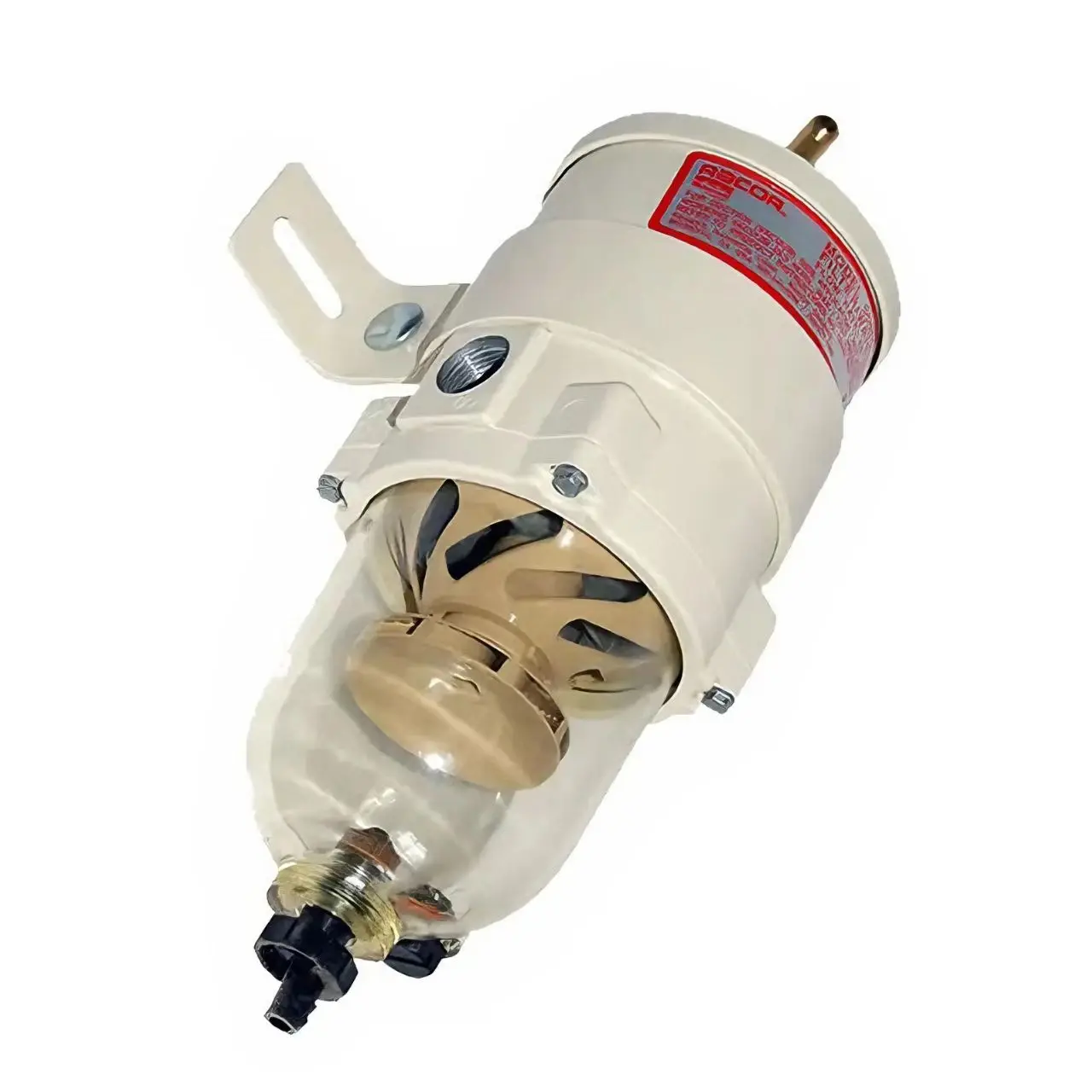
5. AliExpress Budget Pick: Racor 500FG Fuel Filter Bracket
This is a bit of a curveball—it’s a bracket for a Racor fuel/water separator, not a standard drinking water filter. But we’re including it because some DIYers use these heavy-duty brackets for custom filtration projects. The build quality is industrial. If you’re mounting a large, non-standard canister, this might be a solution. Not for your typical under-sink setup.

6. AliExpress Budget Pick: Neewer Phone Case with Filter Adapter
Okay, hear me out. This isn’t a plumbing bracket. It’s a phone case with a 67mm filter adapter for photography. We’re including it to show the breadth of “filter mounting” hardware out there. It’s a reminder that the word “filter” means different things. For your water system, stick with the metal brackets above. For your camera, this is a neat gadget.
Frequently Asked Questions
- Can I use a plastic filter housing bracket?
- We don’t recommend it for anything beyond a single, very light housing. Plastic creeps under constant load, meaning it slowly deforms over time. This leads to misalignment and leaks. Metal is a one-time investment in safety.
- How do I know what size bracket I need?
- Measure the center-to-center distance between the mounting holes on your filter housings. Then, compare that to the hole spacing on the bracket. Also, confirm it’s designed for your housing length (10″ or 20″).
- Do I need a bracket for a whole-house system?
- Absolutely. Whole-house systems are heavy and subject to more pressure and water hammer. A bracket is non-negotiable. Mount it securely into at least one stud.
- What’s better, white iron or stainless steel?
- Both are excellent. White iron with a baked enamel finish is very durable and cost-effective. Stainless steel is the ultimate for corrosion resistance in extremely damp locations. For most homes, either will outlast your filter housings.
- My system didn’t come with a bracket. What now?
- Buy one immediately. Do not install the system without it. Use the buying guide above to select the correct type and mount it before you connect any plumbing.
- Can I make my own bracket?
- If you have metalworking skills, sure. Use at least 1.5mm thick stainless or galvanized steel. Ensure all edges are smooth and the mounting holes are properly sized. For most people, buying a pre-made one is safer and faster.
Final Thoughts
After years of testing and seeing the consequences of cheap components, I’m convinced the filter housing bracket is the most important $15-$30 you can spend on your water filtration system. It’s not glamorous, but it’s critical. Don’t wait for the plastic one to fail and create a swimming pool under your sink.
For most people, our top pick is the Dual-Stage Metal Bracket. It’s overbuilt in the best way possible, with a finish that will last for years. If you’re in a humid environment, step up to the 1.7mm Stainless Steel bracket. Your future self, who doesn’t have to deal with a leak, will thank you.
