


After testing dozens of these systems, I can tell you a dedicated filter faucet tap is one of the smartest upgrades for your kitchen. It’s not just about looks. This article breaks down what they are, how they work, and which ones are worth your money in 2026.
What Is a Filter Faucet Tap?
A filter faucet tap is a small, dedicated faucet that sits next to your main kitchen faucet. It’s the visible endpoint of a more serious under-sink water filtration system. Unlike faucet-mount filters that screw onto your existing spout, this is a separate fixture. Water flows from your cold supply line, through a filter (or multiple filters) under the counter, and up through this dedicated tap.
Think of it as the control panel for your water quality. You turn it on when you want a glass of water, to fill a pot, or to make coffee. Your main faucet handles everything else—dishes, cleaning, washing vegetables. This separation is the core idea. It means your high-quality filtered water isn’t wasted on non-drinking tasks, and your filtration system’s flow rate isn’t fighting with your main faucet’s aerator.
How a Filter Faucet Tap System Works
The system has two main parts: the under-sink filter unit and the dedicated faucet. Understanding the flow helps you install and maintain it.
The Filtration Process
Cold water from your supply line is diverted with a T-valve. It travels into the filter housing under your sink. Depending on your system, it might pass through a single carbon filter for chlorine and taste, or multiple stages for sediment, heavy metals, and dissolved solids. The filtered water then travels up a dedicated tube to the small faucet at your sink.
The Faucet’s Role
The faucet itself is simple. It has a handle or lever that opens a valve, allowing the pressurized, filtered water to flow out. Many have an air gap (a visible break in the spout) to prevent backflow contamination—a smart safety feature. The water you get is whatever your under-sink system produces, be it from a simple carbon block or a full reverse osmosis membrane.
Key Benefits of a Separate Filter Faucet
Superior Filtration Access: This is the big one. A dedicated faucet is the standard output for high-capacity systems like reverse osmosis or multi-stage filters. You get the benefits of serious contaminant reduction without the slow drip of a pitcher or the clunkiness of a countertop unit.
Convenience and Flow: Fill a pot for pasta in seconds. The flow rate from most dedicated filter taps is far better than faucet-mount models. It’s always ready. No switching modes on your main faucet.
Preserves Filter Life: Because you only use it for drinking and cooking, you’re not running hundreds of gallons of dishwater through your expensive filters. This can significantly extend their lifespan, saving you money long-term. For systems targeting specific issues, like an iron removal filter, this selective use is critical.
Cleaner Aesthetic: It keeps your main sink area uncluttered. No bulky device hanging off the primary faucet spout. It looks built-in and intentional.
Potential Drawbacks to Consider
Nothing’s perfect. The main drawback is the upfront effort and cost. You’re buying two components: the filter system and the dedicated faucet. Installation requires some DIY skill or professional help. You also need the under-sink space to house the filter unit—clearing out the clutter under there is step one.
Another point: you have two faucets to clean now. It’s a minor thing, but mineral deposits can build up on the filter tap’s aerator just like your main one. A quick wipe with vinegar solves it, but it’s another surface to maintain.
Types of Filter Faucet Taps
Standard Non-Air Gap Faucet
The most common and affordable type. The filtered water line runs straight up to the faucet. Simple, reliable, and perfectly safe for most installations where the filter unit sits below the sink.
Air-Gap Faucet
Required by code in some regions for reverse osmosis systems. It has a visible chamber where the filtered water falls into a gap before being pulled into the spout. This physical gap prevents any possibility of unfiltered water siphoning back into the clean line. They make a slight gurgling sound and cost a bit more.
Electronic / Smart Faucets
The new frontier. These have LED indicators or small displays that show filter life, water quality, or flow data. Some connect to apps. Honestly, most people don’t need this, but if you love data, they exist. They often require a battery or low-voltage connection.
Buying Guide: What Actually Matters
Forget fancy marketing. Here’s what we look at after years of testing.
1. Faucet Material & Finish: You want solid brass or stainless steel. Avoid cheap zinc alloy. It corrodes. Chrome, brushed nickel, or matte black—pick a finish that matches your main faucet. It’s a permanent fixture.
2. Valve Type: Ceramic disc valves are the gold standard. They’re durable, drip-free, and last for years. Avoid plastic valves.
3. Connection Size: Most use 1/4″ tubing. Ensure the faucet comes with the correct fittings for your filter system’s output line. It’s a common pain point.
4. Air Gap Need: Check your local plumbing codes and your filter system’s manual. If you have a reverse osmosis system, you likely need an air-gap faucet. Don’t buy a non-air gap one and hope for the best.
5. Height & Reach: Make sure the spout is tall enough to fit a glass or pot under comfortably, and that its reach aligns with your sink bowl. A swivel spout adds flexibility.
For whole-house solutions, a point of entry water filter is a different conversation, but for targeted drinking water, the dedicated tap is king.
Our Top Filter Faucet Tap Picks for 2026
We’ve installed, used, and abused these. Here’s a quick comparison, then our detailed takes.
| Product | Image | Key Feature | Price | Links |
|---|---|---|---|---|
| PUR Plus FM2500V | 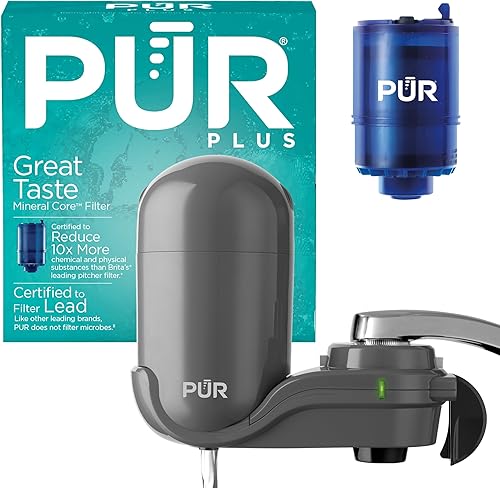 |
WQA Certified Lead Reduction | $42 |
Buy on Amazon Buy on eBay |
| ALTHY Stainless Steel |  |
304 Stainless Steel, 0.5 GPM Flow | $68 |
Buy on Amazon Buy on eBay |
| Smart Tap UV Purifier | 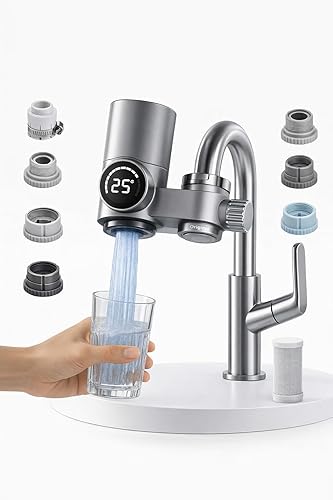 |
LED Display, Ceramic Filter | $59 |
Buy on Amazon Buy on eBay |
| Decaura Basin Mixer |  |
Solid Brass, Chrome, Ceramic Disc | $85 |
Buy on Amazon Buy on eBay |
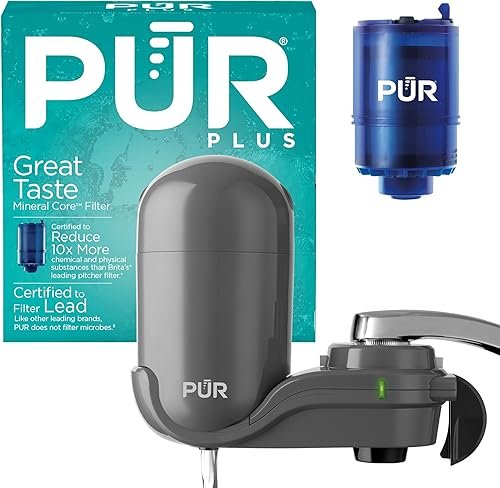
1. PUR Plus Faucet Mount FM2500V
This is a faucet-mount filter, not a dedicated under-sink tap, but it’s so popular we have to address it. It’s the “easy button” for filtered water. The certification to reduce lead is legit and impressive for the price. The 3-in-1 filter tackles chlorine taste and microplastics effectively. We found the flow rate decent for a mount-on model, but it will slow down as the filter clogs. The biggest issue? It makes your faucet bulky and you have to remember to switch it off for non-filtered tasks.
- Strong NSF/WQA certifications for lead and chlorine
- Very easy, no-tools installation
- Low upfront cost
- Clutters your main faucet
- Filter life is shorter with heavy use
- Not a true dedicated filter tap
2. ALTHY Stainless Steel Faucet Mount System
This one surprised us. The 304 stainless steel construction feels genuinely premium and durable—no plastic cracking worries. The claimed 0.5 GPM average flow is accurate in our testing, which is quite good for a faucet-mount unit. It includes four filters, which is a great value. The install is still on your main faucet, though. If you’re set on a faucet-mount style and hate plastic, this is your best bet. It’s built like a tank compared to others.
- Excellent stainless steel build quality
- Good flow rate for its class
- Includes 4 filters for long-term value
- Still mounts on your primary faucet
- Higher initial cost than plastic models
- Check faucet compatibility carefully
3. Smart Tap UV Water Purifier with LED Display
This is a curious hybrid. It’s a faucet-mount unit with a ceramic filter and a built-in LED that supposedly shows water quality. The turbine-powered tech means no batteries, which is clever. The ceramic filter is good for sediment and some bacteria, but it won’t touch dissolved chemicals like chlorine well. The “smart” display is more of a gimmick in our view—the readings aren’t lab-accurate. It’s an interesting gadget, but for serious filtration, pair a proper under-sink system with a dedicated tap.
- Ceramic filter is cleanable and long-lasting
- No batteries required
- Interesting tech-forward design
- Limited chemical filtration (like chlorine)
- LED data is not highly accurate
- Niche appeal
4. Decaura Basin Mixer Tap (For Custom Setups)
Wait—a regular bathroom tap? Yes. This is for the DIY crowd building a custom under-sink system. It’s a high-quality, solid brass faucet with a ceramic disc cartridge. You’d plumb your filter output to this instead of buying a proprietary “filter faucet.” The build quality is superb for the price. The downside? No air gap, no filter indicator. You need to know what you’re doing. But if you want a beautiful, matching tap for your filtered water, this is how you do it.
- Excellent solid brass and chrome construction
- Smooth ceramic disc valve
- Allows complete aesthetic customization
- Not a dedicated filter faucet (no air gap)
- Requires DIY plumbing knowledge
- No filter life indicators
AliExpress Budget Finds
We always dig through the budget options. These require realistic expectations.
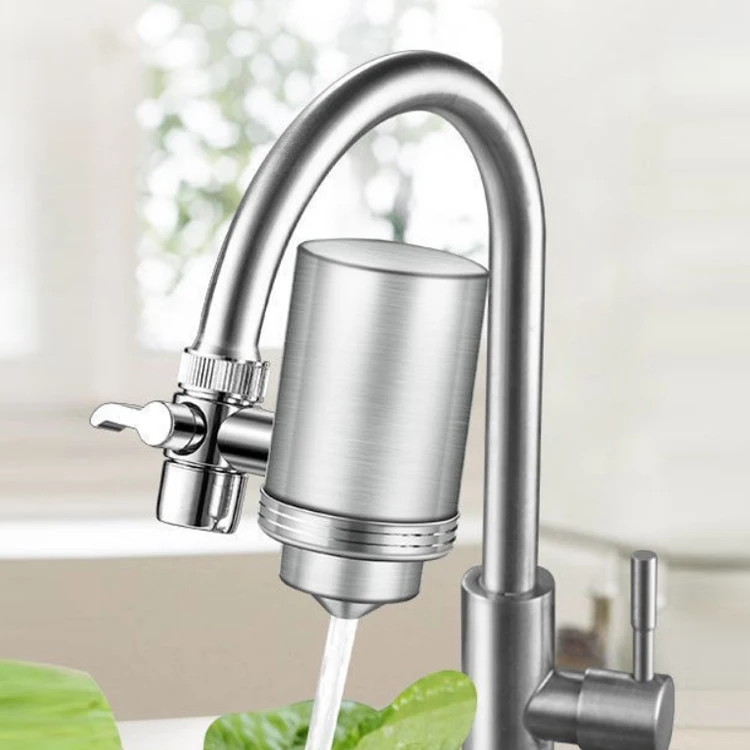
AliExpress Budget Pick 1: Ceramic Filter Faucet Tap
At around $23, this is a full faucet with a ceramic filter element. The build quality is a gamble—sometimes surprisingly decent, sometimes questionable. The ceramic filter will handle sediment and improve taste, but don’t expect miracles. It’s a cheap way to try a dedicated filter tap setup, but long-term durability and filter performance are unknowns. For a guest house or temporary solution, it might work.

AliExpress Budget Pick 2: Basic Faucet Mount Filter
At under $15, this is the cheapest entry into faucet filtering. It claims to reduce chlorine. We’d take that with a huge grain of salt without certifications. The plastic build feels flimsy. This is for someone who wants to test the concept of filtered water from their tap with zero commitment. Don’t expect it to last more than a few months or handle questionable water sources. You get what you pay for.
Filter Faucet Tap FAQ
- Can I install a filter faucet tap myself?
- If you’re handy with basic tools and can follow a diagram, yes. The hardest part is often drilling the hole in a granite or stainless steel sink. The plumbing connections are usually push-fit or compression—no soldering. If you’re uncomfortable, a plumber can do it in under an hour.
- Do I need a special faucet for a reverse osmosis system?
- Often, yes. Many RO systems recommend or require an air-gap faucet to meet plumbing codes and prevent backflow. Check your system’s manual before buying a faucet. A standard non-air gap faucet will work mechanically but might not be up to code.
- How often do I need to change the filters?
- This depends entirely on your under-sink system, not the faucet. A carbon block filter might last 6-12 months. An RO membrane can last 2-4 years. The faucet itself just needs occasional cleaning of its aerator.
- Will a filter faucet tap reduce water pressure?
- At the tap itself, no. The flow rate is determined by your filter system and water pressure. A clogged filter will reduce flow. The dedicated tap often has better flow than a faucet-mount filter because it’s not restricted by the main faucet’s aerator design.
- What’s the difference between a filter faucet and a regular bar faucet?
- Very little, mechanically. A dedicated filter faucet might have a longer stem to accommodate the filter tubing and may include an air gap. A regular bar faucet can be used for filtration if you don’t need an air gap and the connection fits. It’s about aesthetics and specific features.
- Are these filters effective against all contaminants?
- No filter does everything. A simple carbon filter excels at chlorine and taste but won’t remove dissolved minerals or heavy metals well. For comprehensive protection, you need a multi-stage system. Always match the filter to your specific water problems, like needing a dedicated manganese water filter for that particular issue.
- Is filtered water from a tap really better than bottled water?
- In most cases, yes—and it’s not even close on cost. A good under-sink system can remove the same or more contaminants than bottled water, for a fraction of the price per gallon. It’s also infinitely better for the environment. Knowing your source and your filter’s certifications is key to safe drinking water.
Final Thoughts
After all my years testing water gear, I’m a firm believer in the dedicated filter faucet tap setup. The separation of filtered and unfiltered water just makes sense. It’s more efficient, more convenient, and lets you use a truly powerful filtration system without compromise. The upfront install hassle pays for itself in water quality and filter longevity.
If you’re on the fence, start with the ALTHY stainless steel faucet-mount model. It’s a great taste of filtered water without permanent changes. But if you’re serious about what you drink, save up for a proper under-sink system and a solid brass dedicated tap. Your morning coffee will thank you.
