


Coffee Pot Filters: The Unsung Hero of Your Morning Brew (2026)
I’ve spent years taking apart water systems, but sometimes the simplest components cause the most trouble. A bad coffee filter can ruin your morning. It’s true. We’ve tested dozens, from cheap paper cones to fancy reusable metal baskets. The difference is real.
- What a coffee pot filter actually does (beyond the obvious)
- How paper, metal, and cloth filters change your coffee’s taste and body
- The key specs to look for—size, material, and micron rating
- Our hands-on reviews of the best filters you can buy right now
What Is a Coffee Pot Filter?
At its core, a coffee pot filter is a barrier. It sits between your ground coffee and the hot water, letting the brewed liquid pass through while holding back the solid particles. But that’s like saying a car is just something with wheels. The material, weave, and shape of that barrier fundamentally change what ends up in your cup.
Think of it less like a simple strainer and more like a critical tuning component for your brewer. A paper filter absorbs oils and fine silt. A metal one lets almost everything through, giving you a heavier, more textured cup. Choosing one isn’t just about convenience; it’s about defining your coffee’s character. It’s the first step in the filtration process, long before you might think about a kitchen filter replacement for your main tap water.
How Coffee Pot Filters Work
The Basic Mechanics
Hot water dissolves the soluble compounds in coffee grounds—acids, sugars, caffeine, and aromatic oils. This mixture, now coffee, needs to be separated from the spent grounds. The filter’s job is to allow that liquid to flow through via gravity or pressure while its physical structure traps the particulates.
The Science of Filtration
It comes down to pore size. Paper filters have a very tight, random fiber matrix. This catches microscopic coffee fines and, crucially, absorbs the oils (called diterpenes) that carry a lot of flavor but also bitterness and heaviness. Metal filters are essentially a fine mesh—often around 80 to 100 microns. They stop the grounds but let the oils and most fines pass right through. That’s why a metal-filtered French press coffee tastes so different from a paper-filtered drip pot.
Key Benefits of Using the Right Filter
Cleaner, Brighter Flavor: This is the big one. A quality paper filter removes most of the oils and sediment. The result is a cup that highlights the coffee’s origin notes—fruit, acidity, floral tones—without the heavy, sometimes gritty mouthfeel. For light roast lovers, it’s non-negotiable.
Consistency: A proper filter ensures water flows evenly through the coffee bed. This prevents channeling, where water finds an easy path and under-extracts some grounds while over-extracting others. Consistent flow means a consistent, balanced pot every time.
Equipment Protection: Filters keep fine grounds out of your coffee maker’s mechanics. Over time, that sludge can build up in carafes and tubes, affecting performance and taste. It’s a simple form of preventative maintenance, much like understanding what a 5 stage filter does for your whole house system.
Potential Drawbacks & Common Mistakes
Environmental Cost: Disposable paper filters create waste. While many are compostable, they’re still a single-use product. If you go through multiple pots a day, that adds up. This is the primary reason many people switch to reusable options.
Over-Filtration: It’s possible. Some super-thick paper filters can strip out so much body and oil that the coffee tastes thin and tea-like, especially with darker roasts. If your coffee lacks punch, try a different filter brand before blaming the beans.
Types of Coffee Pot Filters
Bleached vs. Unbleached Paper
Bleached (white) filters have been processed to remove the natural brown color. Unbleached (brown) are in their raw state. In our testing, the taste difference is minimal if you rinse the filter with hot water first—which you should always do to wash out any paper taste and preheat the brewer.
Metal Mesh Filters
Usually stainless steel, these are the reusable workhorses. They allow all the oils and micro-fines through, giving a full-bodied, robust cup. The trade-off is a bit of silt in the bottom of your mug. They’re fantastic for bold, dark roasts.
Cloth Filters
The middle ground. A cotton or hemp filter catches more fines than metal but lets more oils through than paper. It produces an incredibly clean yet full-flavored cup. The downside? They require meticulous cleaning to avoid rancid oil buildup and off-flavors.
The choice here is personal, but it’s also technical. It’s about managing what gets through, similar to how you’d consider the media in a iron water treatment system to target specific contaminants.
Buying Guide: What Actually Matters
1. Size & Shape: This is rule #1. Does your brewer take a cone (#2, #4, #6) or a basket (flat-bottom)? Get it wrong, and nothing else matters. Measure your old filter or check the manual.
2. Material & Your Taste Preference: Love clarity? Go paper. Love body? Go metal. Want to experiment? Try cloth. Don’t overthink it—just match it to the flavor profile you enjoy.
3. Flow Rate & Thickness: Thicker paper filters slow down the brew, which can increase extraction. If your coffee tastes over-extracted (bitter, astringent), try a thinner filter. This is a subtle but powerful adjustment tool.
4. Certifications: For paper filters, look for “oxygen-bleached” or “TCF” (Totally Chlorine Free) if environmental impact concerns you. Food-grade materials are a must for any reusable filter.
Top Picks: Our Tested Recommendations
After years of brewing and comparing, these are the filters that have earned a permanent spot in our test kitchen. We judge on fit, flow rate, durability, and, of course, the cup quality they help produce.
| Product | Type | Key Feature | Price |
|---|---|---|---|
| No.6 Coffee Filter Moka Pot Filter Paper | Paper (Disposable) | Precise fit for Moka pots, heat-resistant | ~$10 (100 pcs) |
| 304 Stainless Steel Coffee Filter | Metal Mesh (Reusable) | 80-mesh ultra-fine, portable, detachable | ~$8 |
| Two Reusable #4 Conical Filter Baskets | Metal Mesh (Reusable) | Replaces paper in Ninja/Cuisinart, easy clean | ~$16 |
| 400 Pcs Unbleached Round Percolator Filters | Paper (Disposable) | Extra-thick, leak-proof for percolators | ~$15 (400 pcs) |

No.6 Coffee Filter Moka Pot Filter Paper, 100 Pcs
If you own a Moka pot, you know the struggle with grounds sneaking into the upper chamber. These are purpose-built for that. We found the fit to be perfect for standard No.6 stovetop models, and the paper is sturdy enough not to tear under the pressure. It produces a noticeably cleaner cup from a Moka, reducing that sometimes harsh, muddy finish.
- Snug, secure fit prevents blow-by
- 100-pack lasts ages
- Significantly improves Moka pot clarity

5Pcs 304 Stainless Steel Coffee Filter
This is a fantastic little kit for anyone who wants to ditch paper but isn’t ready to commit to a full brewer replacement. The 80-mesh screen is fine enough to stop most grounds while letting the flavorful oils through. We use these for travel and as backups. The detachable design makes cleaning much easier than fixed-basket models. Honestly, for the price, it’s a steal to experiment with metal filtration.
- Incredibly affordable way to try metal filtering
- Portable and versatile
- Easy to clean

Two Reusable Coffee Filter Baskets, No. 4 Conical
Designed as a direct replacement for paper in popular machines like Ninja and Cuisinart, these are for the committed metal-filter convert. The fit in our test Ninja was seamless. The dual-pack means you can have one in the machine and one drying. The environmental and long-term cost savings are real. Just know what you’re signing up for: a full-bodied cup with more oils and a bit of sediment at the bottom.
- Perfect OEM fit for specific machines
- Saves money and waste over time
- Durable and simple to rinse

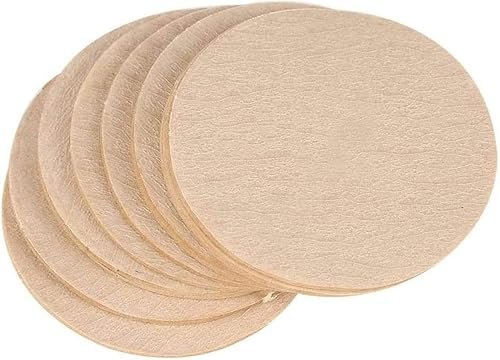
400 Pcs Round Unbleached Percolator Filters
Percolators are tough on filters. They need to withstand repeated boiling water cycles without collapsing. These extra-thick, unbleached discs passed our stress test. They fit most standard percolator baskets and do a great job of trapping bitter fines while letting the coffee flow. If you’re a percolator fan—or use one for camping—these are a massive upgrade over the flimsy ones that often come with the pot.
- Thick and durable for percolator use
- Large 400-count pack is great value
- Unbleached and BPA-free
Coffee Pot Filter FAQ
- Can I use a paper towel as a coffee filter in a pinch?
- You can, but it’s not ideal. Paper towels are thicker and less porous, leading to very slow drainage and potential over-extraction. They can also tear. It’s a last-resort hack, not a solution. For emergencies, a clean cloth napkin works better.
- Why does my coffee taste like paper?
- You need to rinse your paper filter before brewing. Pour a cup of hot water through the empty filter and discard that water. This washes out any loose paper fibers and taste, and preheats your brewer. Always do this.
- How often should I replace a reusable metal filter?
- With proper care, a good stainless steel filter can last for years. Replace it if the mesh becomes damaged, torn, or permanently stained with rancid oils that won’t wash out. A deep soak in a vinegar solution every month helps.
- Do coffee filters remove caffeine?
- No. Caffeine is a water-soluble compound that passes right through any coffee filter. The only way to reduce caffeine is to start with decaffeinated beans. Filters only separate solids from liquids.
- What’s the difference between #2 and #4 cone filters?
- Size. #4 filters are larger and designed for 8-12 cup brewers. #2 filters are for 2-6 cup brewers. Using a #2 in a #4 brewer will cause overflow and a messy, under-extracted pot. Check your machine’s manual.
Final Thoughts
After all these years, I’m still amazed at how much this small piece of material dictates your coffee experience. Don’t just grab the cheapest pack off the shelf. Think about what you like in a cup. If you value clarity and brightness, stick with quality paper. If you crave body and richness, go metal. And always, always get the right size.
Our top recommendation for most people? Start with a quality unbleached paper filter like the percolator discs we reviewed. Rinse it well. It’s the simplest way to a clean, consistent, and flavorful pot. From there, experiment. Your perfect cup is just a filter change away.
