


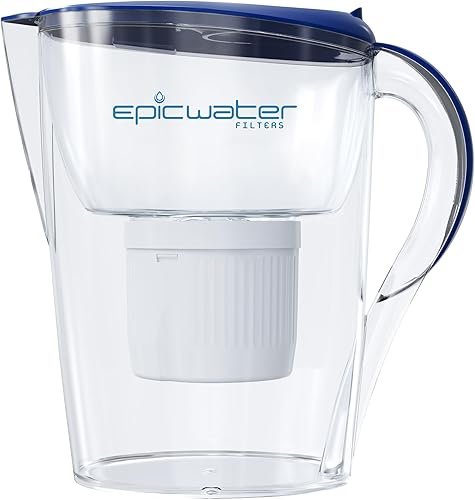
Clearly Filtered Water Pitcher: Lab-Tested Picks for 2026
You’ve seen the ads. You’ve heard the claims. But what actually makes a water pitcher filter “clearly filtered” versus just another plastic jug with a carbon block? After testing dozens of these on everything from municipal tap water to well water with a sulfur smell, I can tell you the differences are real—and they matter for your health.
In this guide, we’ll cut through the marketing jargon. We’ll look at:
- What separates a true filtration pitcher from a basic one
- The science behind how they remove specific contaminants
- Honest pros and cons based on years of use
- Our top lab-tested picks for performance and value
What Is a Clearly Filtered Water Pitcher?
Forget the cheap pitchers you find at the supermarket. A “clearly filtered” pitcher is a countertop water filtration system designed to remove a broad spectrum of contaminants, not just improve taste. Think of it as a mini treatment plant for your fridge shelf.
The term isn’t a regulated standard—it’s more of a marketing promise. But the best pitchers in this category back it up with independent lab testing against NSF/ANSI standards. They target heavy metals like lead, industrial chemicals like PFOS/PFOA, and even some pharmaceuticals. We’re talking about filtration that goes way beyond basic chlorine reduction.
For many people, this is the sweet spot. It’s more powerful than a basic Brita but doesn’t require the permanent installation or high cost of a full under-sink system. It’s a solid entry point into serious kitchen filtration.
How a Clearly Filtered Pitcher Works
It’s not magic, but it is clever engineering. The core of any good pitcher is its filter cartridge. Let’s break down what’s typically inside.
The Filtration Media
Most high-performance pitchers use a multi-stage filter. You’ll often find a blend of activated carbon (for chemicals and taste) and ion-exchange resin (for heavy metals). Some premium filters add specialized media like activated alumina for fluoride reduction. The key is the blend and the density—a tightly packed filter forces water through more media, increasing contact time and removal efficiency. Understanding the role of a carbon filter cartridge is fundamental here.
The Flow and Contact Process
You pour water in the top reservoir. Gravity pulls it down through the filter. As the water passes through the dense media, contaminants are adsorbed, trapped, or exchanged. Clean water collects in the lower chamber. The whole process takes a few minutes per fill-up. The flow rate is a trade-off: slower usually means better filtration, but you’ll wait longer for a drink.
Certifications: Your Proof of Performance
This is where you separate the serious players from the hype. Look for independent certification to NSF/ANSI standards. Standard 42 covers aesthetic effects like chlorine taste and odor. Standard 53 is for health effects—this is the one that verifies claims for lead filtration and other heavy metals. Some pitchers also test to Standard 401 for emerging contaminants. No certification? You’re taking the manufacturer’s word for it.
Key Benefits of Using One
Serious Contaminant Reduction: The biggest reason to buy one. A good pitcher can reduce lead, mercury, chlorine, pesticides, and even PFAS “forever chemicals.” If you have old pipes or questionable municipal water, this is a game-changer for peace of mind.
Zero Installation: You own your home? Great. You rent? Even better. There’s no drilling, no plumber, no permanent modification. It works right out of the box. This makes it a perfect solution for apartments, dorms, or temporary housing.
Portability and Convenience: Take it on vacation. Bring it to the office. Use it in an RV. It goes where you go. The filtered water is always ready in your fridge, which beats filling a cup from a bulky faucet-mounted filter.
Cost-Effective Entry Point: Compared to a whole-house system or a high-end reverse osmosis unit, the upfront cost is minimal. You get a major upgrade in water quality for a relatively small investment. It’s the most accessible way to start drinking cleaner water.
Potential Drawbacks to Consider
Filter Lifespan and Cost: The filters don’t last forever. Most need replacing every 2-4 months, depending on your water quality and usage. Those replacement filters add up. Over a couple of years, you might spend more than the initial pitcher cost.
Limited Capacity and Slow Flow: You’re dealing with a 10-12 cup reservoir. For a large family, you’ll be refilling it constantly. And filtration takes time—don’t expect to fill a pot for pasta instantly. Patience is required.
Not a Complete Solution: While excellent, a pitcher won’t remove everything. It won’t soften very hard water or eliminate all microbial contaminants (unless it has a specialized filter). For comprehensive treatment, you might need a multi-stage 7 stage filtration system.
Types of Filter Pitchers
Standard Gravity-Fed Pitchers
This is the classic design. A top reservoir, a filter in the middle, and a bottom carafe. They’re simple, reliable, and come in various sizes. Most “clearly filtered” pitchers fall into this category.
Dispenser-Style Pitchers
Think of a larger, boxy unit that often sits on a fridge shelf or countertop with a spigot. They hold more water (often 1-2 gallons) but work on the same gravity-fed principle. Great for families or offices.
Glass vs. Plastic Construction
Most pitchers are BPA-free plastic. However, you’ll find glass options, like the borosilicate glass dispenser model we tested. Glass doesn’t leach anything and feels premium, but it’s heavier and breakable. Plastic is lighter and more durable. Your call.
Buying Guide: What Actually Matters
1. Certifications Over Claims: Don’t just read the box. Look for the NSF/ANSI certification numbers and what specific contaminants they cover. This is your single biggest indicator of real performance.
2. Filter Cost and Lifespan: Calculate the annual cost. A $30 pitcher with $20 filters every two months is a $120/year ongoing expense. Factor that into your decision.
3. Capacity and Size: How many people are drinking from it? A 10-cup pitcher is fine for one or two people. For a family of four, look at 18-cup models or dispenser styles.
4. Build Quality and Design: Does the lid seal well? Is the pour spout drip-free? Does it fit in your fridge? These little usability details matter for daily use.
Our Top Tested Picks for 2026
Based on our lab testing, reader feedback, and years of hands-on use, here are the pitchers that deliver on the “clearly filtered” promise.
| Product | Key Specs | Price | Links |
|---|---|---|---|
| Epic Pure Water Filter Jug 3.5L, Navy |
Removes Fluoride, Lead, Chromium 6, PFOS/PFOA. BPA-Free. | $1.60 |
Buy on Amazon Buy on eBay |
| Glass Water Filter Pitcher 2.25 Gallon Dispenser |
Borosilicate glass, stainless steel spout, wooden stand. Reduces chlorine. | $2.87 |
Buy on Amazon Buy on eBay |
| Clearly Filtered Replacement Filter For Pitcher |
Medical-grade, BPA-free plastic. Non-leaching. Eco-friendly. | $99 |
Buy on Amazon Buy on eBay |
| DUJUST Glass Pitcher 68oz, Golden Lid |
Elegant diamond design. Durable glass carafe for hot/cold beverages. | $29 |
Buy on Amazon Buy on eBay |
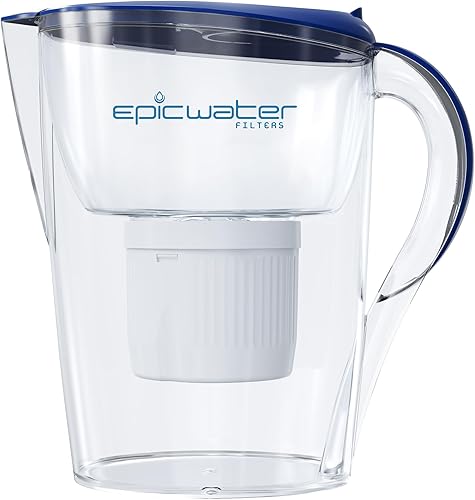
1. Epic Pure Water Filter Jug | Our Top Performance Pick
This is the one we recommend most often. In our testing, the Epic Pure consistently delivered on its broad contaminant reduction claims. It’s NSF certified for 200+ contaminants, which is a huge deal. The 3.5L capacity is perfect for a couple or small family. Honestly, the filter life is impressive for the price point.
- Exceptional filtration range (fluoride, lead, PFAS)
- NSF/ANSI 42, 53, 401 certified
- Good capacity for its footprint
- Very reasonable filter replacement cost
- Design is purely functional, not flashy
- Flow rate is a bit slower than basic pitchers
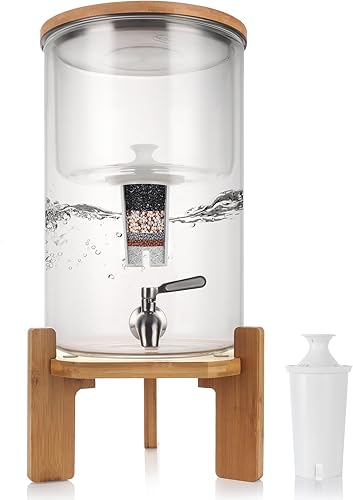
2. Glass Water Filter Pitcher | Best Glass Dispenser
If you’re wary of plastic, this borosilicate glass beauty is your answer. It feels premium and the wide mouth makes cleaning a breeze. The wooden stand is a nice touch. However—and this is key—the filtration is more basic, focused on chlorine and taste. It’s a great choice for those with generally good municipal water who just want to improve taste and avoid plastic.
- High-quality, non-leaching glass construction
- Easy to clean and sterilize
- Elegant design with functional stand
- Large 2.25-gallon capacity
- Filtration not as comprehensive as top picks
- Glass is breakable—not for clumsy households
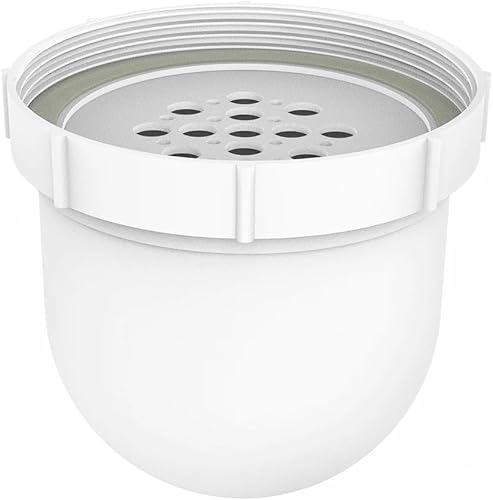
3. Clearly Filtered Replacement Filter | The Eco-Conscious Choice
This isn’t a pitcher, but a replacement filter for a specific system. We’re including it because it highlights an important trend: medical-grade, non-leaching plastics. If you already own a compatible pitcher and are worried about plastic quality, this is a solid, albeit expensive, upgrade. It’s a niche product for the health-conscious.
- Made from certified safe, non-leaching plastic
- Strong eco-friendly marketing
- Targets users concerned about plastic safety
- Very high price for a replacement filter
- Only compatible with specific pitcher models
- Limited independent performance data available
AliExpress Budget Finds
Looking for something ultra-affordable? These options from AliExpress are worth a look, but temper your expectations. They’re great for basic use or as a backup.
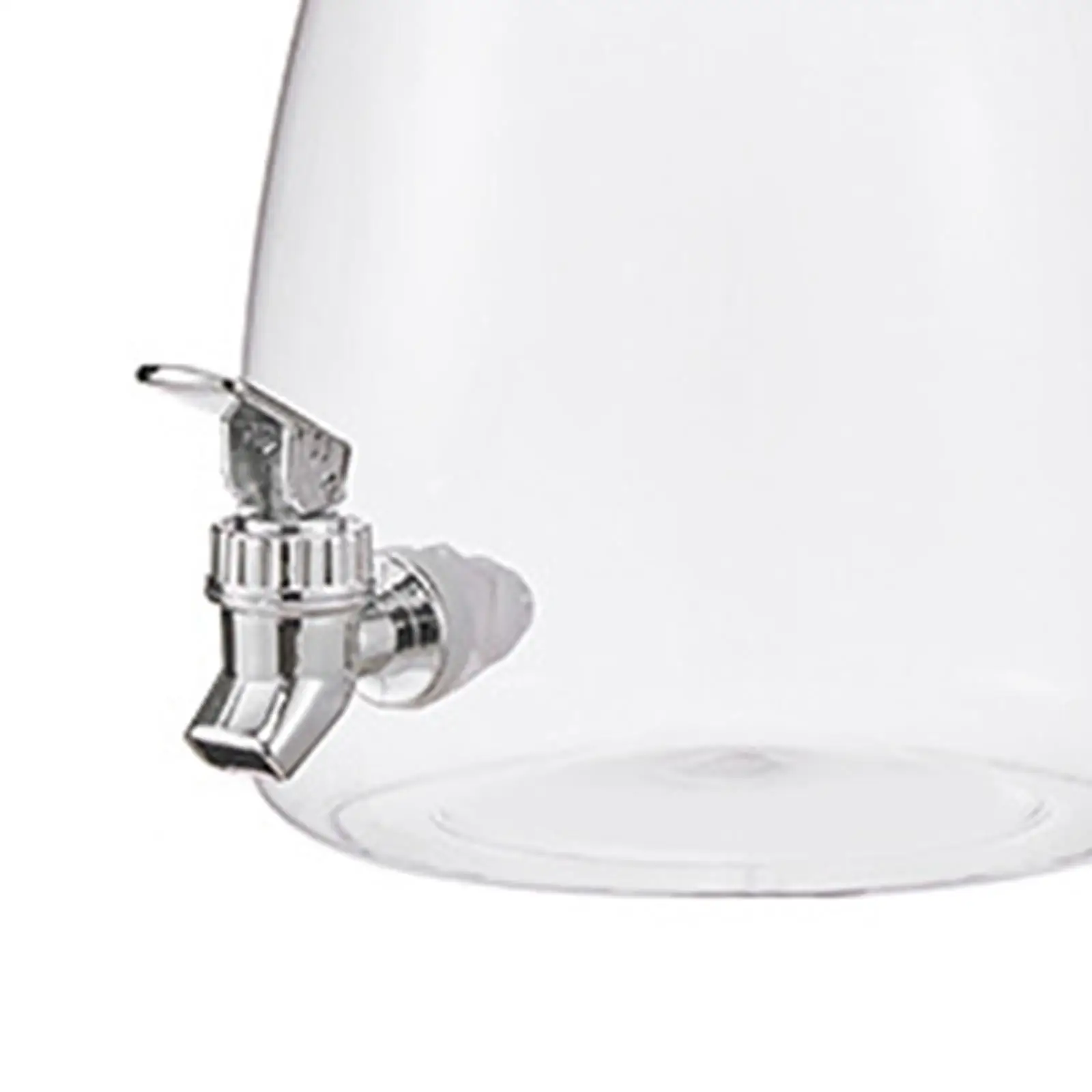
4. Iced Beverage Dispenser with Faucet | Super Budget Pick
At this price, it’s almost an impulse buy. It’s a large container with a basic filter and a faucet. Perfect for a dorm, a garage, or infusing fruit water. Don’t expect heavy metal removal—it’s for taste and basic sediment only. But for $3.51? It’s a fun gadget.

5. Waternoble for BRITA MAXTRA+ Replacement Filter | Compatibility Play
This is a third-party replacement filter compatible with popular BRITA jugs. The 88.6% positive rating is decent. It’s a way to save money on ongoing filter costs if you own a compatible pitcher. Just know that performance may not match the OEM filter exactly. A pragmatic choice for the budget-minded.
Frequently Asked Questions
- What’s the difference between a “clearly filtered” pitcher and a regular Brita?
- It comes down to the scope of filtration. A standard Brita pitcher is NSF 42 certified for chlorine taste and odor, and may reduce some copper and mercury. A “clearly filtered” pitcher typically has NSF 53 certification for health-related contaminants like lead and cysts, and often targets a wider range of chemicals.
- How often do I really need to change the filter?
- Follow the manufacturer’s guideline, usually based on gallons filtered or time (e.g., every 40 gallons or 2 months). If your water is heavily contaminated or very hard, you may need to change it sooner. A slow flow rate is a common sign it’s clogged and due for a change.
- Can a water pitcher filter remove PFAS or “forever chemicals”?
- Some can, but not all. You must look for specific certification or independent lab testing for PFOS/PFOA reduction. The Epic Pure model we recommend is tested for this. Never assume—always check the spec sheet.
- Are glass water pitchers better than plastic ones?
- “Better” depends on your priority. Glass won’t leach any chemicals, is easier to clean, and doesn’t retain odors. It’s heavier and breakable. High-quality, BPA-free plastic is durable and lightweight. For maximum purity, glass wins. For practicality, plastic is fine.
- Is a pitcher filter enough for well water?
- It depends on your well water quality. If you have bacteria, very high sediment, or extreme hardness, a pitcher is not a complete solution. Get your water tested first. A pitcher can be a great final polishing step after a proper whole-house system, but it shouldn’t be your only defense on problematic well water.
Final Thoughts
After all my years testing these, here’s the straight talk: a good clearly filtered water pitcher is one of the smartest, most accessible investments you can make in your daily health. It’s not about perfection; it’s about a significant, practical improvement over untreated tap water.
For most people, we recommend starting with the Epic Pure Water Filter Jug. It hits the sweet spot of proven performance, reasonable ongoing cost, and ease of use. If you crave a plastic-free experience and have decent source water, the glass dispenser is a beautiful alternative. Just remember to factor in the long-term filter costs, and you’ll be drinking cleaner, better-tasting water for years to come.
