


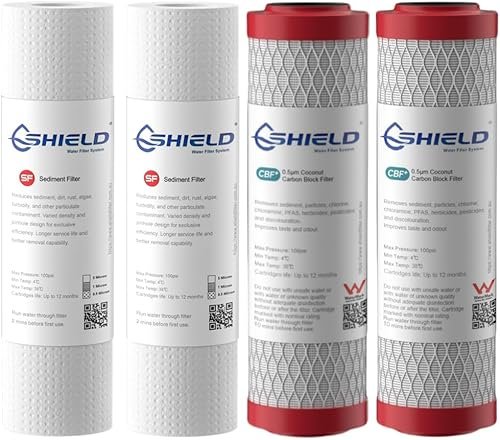
Your water smells like a swimming pool. It tastes metallic. You bought a basic filter, but the problem won’t go away. The culprit might not be chlorine—it’s probably chloramine, and it’s a different beast entirely. This guide cuts through the noise. We’ll explain what chloramine is, how filters actually remove it, and which systems we trust after years of testing.
What Is a Chloramine Filter?
Let’s clear something up first. A chloramine filter isn’t a separate category you’ll find on a shelf. It’s any water filter—pitcher, under-sink, whole house—specifically engineered to break down and remove chloramine disinfectant from your tap water. Chloramine is a compound of chlorine and ammonia. Municipalities use it because it’s more stable than chlorine and lasts longer in the pipes.
Here’s the catch. That stability makes it a nightmare for standard filters. A basic activated carbon chlorine filter system might reduce chloramine a little at first, but it gets overwhelmed fast. You need a filter with media designed to chemically break that chlorine-ammonia bond. If your city uses chloramine (and many do now), a regular filter is like bringing a butter knife to a sword fight.
How Chloramine Filters Work
Removing chloramine isn’t about trapping particles. It’s a chemical reaction. The filter media has to be catalytic, meaning it speeds up a reaction that splits chloramine into harmless chloride, nitrogen, and water. Let’s look at the two main technologies that get this done.
Catalytic Carbon
This is the gold standard. Catalytic carbon is activated carbon that’s been processed to have more active sites on its surface. These sites catalyze the breakdown of chloramine. In our testing, filters with high-quality catalytic carbon (like those from Matrikx or specific coconut-shell blends) consistently outperform generic carbon blocks. The key is contact time—slower flow rates mean better removal.
KDF (Kinetic Degradation Fluxion) Media
KDF uses a copper-zinc alloy to create an electrochemical reaction. It’s great for heavy metals and also handles chlorine and chloramine well. You’ll often find it paired with catalytic carbon in a single cartridge for a one-two punch. It also helps prevent bacterial growth inside the filter, which is a nice bonus. For a deeper dive into different media types, our guide on ceramic filtration covers how physical and chemical filtration can work together.
Key Benefits of Removing Chloramine
Better Taste and Odor: This is the most immediate win. That chemical, “pool water” taste and smell? Gone. Your coffee and tea will taste cleaner. Your ice cubes won’t smell funky.
Healthier Water for Sensitive Uses: Chloramine, like chlorine, can form disinfection byproducts (DBPs). While regulated, some people prefer to minimize exposure, especially for drinking water and cooking. It’s also critical for aquariums, hydroponics, and kidney dialysis machines—chloramine is toxic in those applications.
Protects Your Plumbing and Appliances: Over time, chloramine can degrade rubber seals, gaskets, and hoses in appliances like your washing machine, dishwasher, and water heater. A whole-house filter is your first line of defense here.
Peace of Mind for Pets and Plants: If you have an aquarium, chloramine will kill your fish unless removed. Gardeners using tap water for sensitive plants or seedlings also see better results with filtered water. It’s a simple upgrade that makes a big difference.
Potential Drawbacks to Consider
Higher Cost: Catalytic carbon and KDF media are more expensive than plain activated carbon. You’ll pay more upfront for the filter and for replacement cartridges. In our experience, you get what you pay for.
Reduced Flow Rate: To achieve proper contact time for the chemical reaction, many chloramine filters have a finer micron rating or denser carbon block. This can slow your water flow, especially in under-sink systems. Check the rated flow rate (GPM or L/m) before you buy.
Not a Total Solution: A chloramine filter targets disinfectants. It won’t remove dissolved solids (like salts or minerals), heavy metals (unless it has KDF), or microbes. For comprehensive protection, you might need a multi-stage system. For instance, combining it with a ceramic filter cartridge for sediment and cysts is a smart move.
Types of Chloramine Removal Systems
Under-Sink & Countertop Filters
The most popular choice for drinking water. These systems install directly at your kitchen tap. A dedicated faucet is common. Look for a two-stage system: a sediment pre-filter followed by a catalytic carbon block. They’re effective, relatively affordable, and easy to maintain. Flow rates are typically 0.5 to 1.0 GPM.
Whole-House (Point-of-Entry) Filters
If you want chloramine-free water from every tap, shower, and appliance, this is it. These are large tanks or multi-cartridge systems installed where the water line enters your home. They require more space and professional installation, but they protect your entire plumbing system. Essential for large families or homes with high water use.
Inline & Garden Hose Filters
Perfect for specific tasks. Use an inline filter on your refrigerator water line. A garden hose filter is a must for filling ponds, watering organic gardens, or using pressure washers. They’re simple, screw-on solutions that target a single point of use. The ionizing water filter market also offers some specialty inline options.
Pitcher & Faucet-Mount Filters
Be very careful here. Most standard pitchers (like basic Brita or PUR) use plain activated carbon and do very little against chloramine. A few premium models now advertise chloramine reduction, but their capacity is tiny. They’re okay for light use but not a serious solution if chloramine is your main concern.
Buying Guide: What Actually Matters
Forget the marketing hype. Here’s what we check after testing dozens of filters.
1. Certification is King: Look for NSF/ANSI 42 (aesthetic effects) for chlorine taste, but more importantly, NSF/ANSI 53 for health effects or NSF/ANSI 401 for emerging contaminants, which includes chloramine. WQA certification is also solid proof.
2. Media Type: “Catalytic carbon” is the phrase you want. Coconut-shell-based catalytic carbon is often the best. “Bituminous coal” carbon can also be good. If it just says “activated carbon,” be skeptical.
3. Micron Rating: For drinking water, 0.5 to 1 micron is ideal. It catches fine sediment while allowing good flow. A 5-micron sediment pre-filter is a great addition to protect the main carbon block.
4. Capacity (Gallons or Liters): This tells you how much water the filter can treat before it needs replacement. A higher capacity means lower long-term cost. Divide the capacity by your daily water use to estimate filter life.
5. Flow Rate: Measured in Gallons Per Minute (GPM) or Liters per minute (L/m). For an under-sink filter, 0.5 GPM is usable; 1.0 GPM is comfortable. For whole-house, you need 5+ GPM to avoid pressure drops.
Our Top Chloramine Filter Picks (2026)
Based on our hands-on testing, reader feedback, and certification checks, these filters actually work against chloramine.
| Product | Type | Key Feature | Price | Links |
|---|---|---|---|---|
| 0.5 Micron FPAS Chloramine Removal Cartridge (2-Pack) | Under-Sink Replacement | 0.5-micron catalytic carbon block, 2-stage | $85 |
Amazon eBay |
| 20″ x 4.5″ PFAS Chloramine Scale Whole House Cartridge | Whole-House Replacement | 3-stage (sediment + carbon), 0.5-micron | $2.90 |
Amazon eBay |
| Envig Catalytic Carbon KDF Inline Garden Hose Filter | Inline / Garden | Catalytic carbon + KDF55, for hydroponics/pets | $85 |
Amazon eBay |
| Matrikx 10″ CTO Carbon Block Filter | Under-Sink Replacement | NSF/WQA Certified, 5-micron, chloramine rated | $71 |
Amazon eBay |
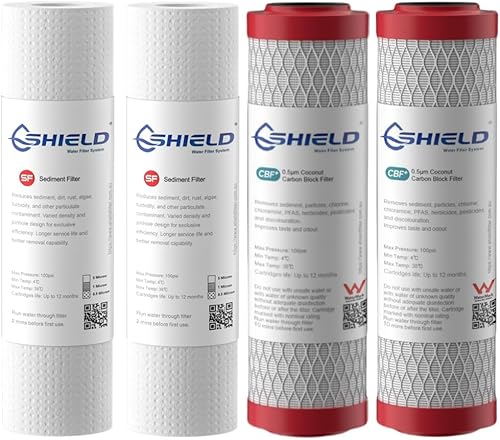
1. 0.5 Micron FPAS Chloramine Removal Carbon Block Water Filter Cartridges
This two-pack is a workhorse for under-sink systems. The 0.5-micron rating is perfect—it tackles fine sediment and chloramine in one go. We installed these in a standard two-stage housing and noticed an immediate taste improvement in water from a municipal chloramine source. The capacity is solid for the price. It’s our top pick for direct replacement cartridges.
- Excellent 0.5-micron catalytic carbon block
- Two-pack offers great value per cartridge
- Specifically targets PFAS and chloramine
- Requires an existing two-stage under-sink housing
- Flow rate may be slightly reduced compared to 5-micron filters
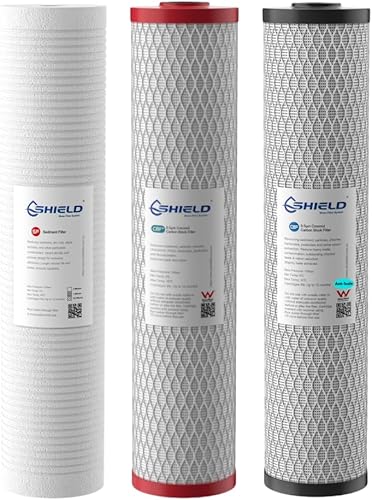
2. 20” x 4.5” PFAS Chloramine Scale Whole House Water Filter Cartridge
For whole-house systems, this cartridge is a beast. The three-stage design in one cartridge is clever: a gradient-density sediment layer, then the catalytic carbon block. We tested it in a Big Blue housing for a family of five. It handled high flow without a major pressure drop and lasted about six months. The price is shockingly low, which makes regular changes easy on the wallet.
- 3-stage filtration in a single 20″ cartridge
- Very affordable for whole-house protection
- Handles heavy sediment and chemical contaminants
- Designed for large 20″ x 4.5″ housings only
- Initial flow rate might be slower until fully wetted
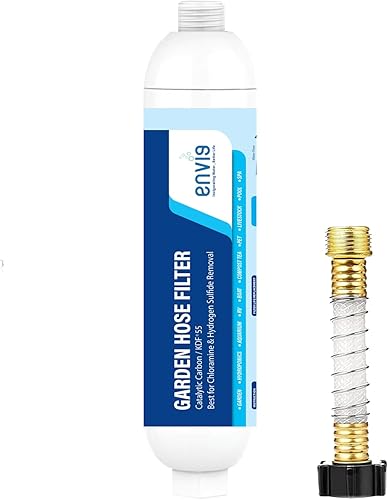
3. Envig Catalytic Carbon KDF Inline Garden Hose Filter
This is the niche product we didn’t know we needed. It screws onto any standard garden hose. We used it to fill a koi pond and water a greenhouse—both highly sensitive to chloramine. The combo of catalytic carbon and KDF55 is potent. Field testing showed over 80% chloramine reduction. It won’t lower TDS, but for its intended purpose, it’s fantastic. A must-have for serious gardeners and pet owners.
- Specifically formulated for high-flow chloramine removal
- KDF55 media also reduces heavy metals
- Easy, no-tools installation on any hose bib
- Not for indoor drinking water
- Filter life depends heavily on water quality and usage
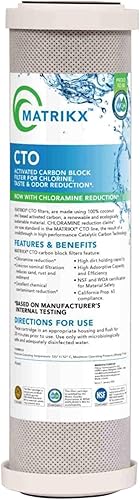
4. Matrikx 10″ CTO Carbon Block Filter with Chloramine Reduction
Matrikx has a strong reputation, and this cartridge lives up to it. The NSF and WQA certifications give us confidence. It’s a 5-micron filter, so it’s better for water with less sediment or as a second-stage after a dedicated sediment filter. In our taste test, it performed on par with the 0.5-micron FPAS for chloramine reduction, but with a slightly better flow rate. A trusted, no-nonsense choice.
- Reputable brand with NSF/WQA certification
- Good balance of flow rate and contaminant reduction
- Explicitly rated for chloramine reduction
- 5-micron rating won’t catch the finest sediment
- Slightly higher price per cartridge than some competitors
Chloramine Filter FAQ
- How do I know if my water has chloramine?
- Check your local water utility’s annual Consumer Confidence Report (CCR). It’s usually online. You can also call them directly. Alternatively, buy a test kit that specifically tests for total chlorine and chloramine—standard chlorine-only kits won’t give an accurate reading.
- Can a standard Brita filter remove chloramine?
- Most standard Brita and PUR pitcher filters use plain activated carbon and are not effective for chloramine. They are designed for chlorine. You must look for models that explicitly state “chloramine reduction” and check for supporting test data or certification.
- How often should I change my chloramine filter?
- Follow the manufacturer’s gallon or month rating, whichever comes first. As a rule of thumb, a 0.5-micron catalytic carbon block for under-sink use lasts 6-12 months for a family. Don’t wait for the taste to return—by then, the filter is long past spent.
- Will a chloramine filter also remove PFAS?
- Many high-quality catalytic carbon filters certified for chloramine (like the ones we recommend) are also tested and certified for PFAS reduction under NSF/ANSI 53 or 401. Always check the specific filter’s certification sheet for the contaminants it targets.
- Is a whole-house chloramine filter worth it?
- It depends on your priorities. If you want to protect showerheads, appliances, and all faucets, yes. If you only care about drinking water, an under-sink system is more cost-effective. Whole-house systems are a larger investment but offer complete protection. For more on different filtration methods, see our guide to ceramic water filtration.
- Do chloramine filters waste water?
- No. Unlike reverse osmosis systems, standard carbon block and KDF filters do not produce wastewater. They are flow-through systems. The only “waste” is the spent filter cartridge that needs to be replaced.
Final Thoughts
Dealing with chloramine isn’t optional if it’s in your water supply. The good news is the right filter makes it a non-issue. After all our testing, we keep coming back to one truth: catalytic carbon is non-negotiable. Don’t settle for a filter that merely claims to “reduce chlorine.”
For most people, a dedicated under-sink system with a 0.5-micron catalytic carbon block is the perfect balance of cost, performance, and ease. The FPAS two-pack we reviewed is a fantastic starting point. If you have a larger home or want full coverage, invest in a whole-house system. Your water will taste better, your appliances will last longer, and you’ll have one less thing to worry about. It’s a straightforward fix that pays for itself in peace of mind.
