


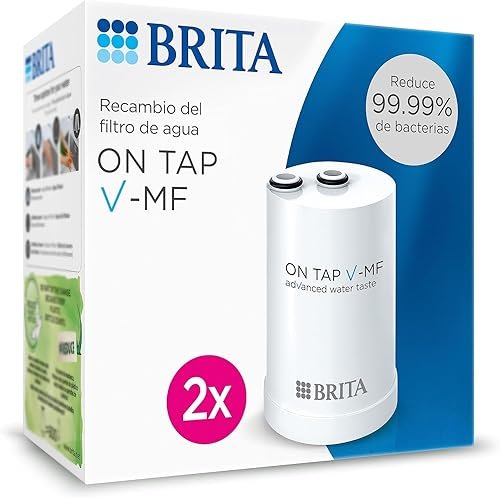
Thinking about a Brita tap filter? You’re not alone. It’s one of the first names that pops up when you want cleaner water without installing a whole-house system. I’ve installed, tested, and lived with these filters in my own home and in countless reader setups. This guide cuts through the marketing to show you what actually matters.
- What a Brita tap filter is and how it works
- The real benefits and the honest drawbacks
- How to choose the right model for your faucet
- Our top picks, including budget alternatives
What Is a Brita Tap Filter?
A Brita tap filter is a point-of-use water filtration device that mounts directly onto your kitchen (or bathroom) faucet. It’s a self-contained unit with a small switch or lever that diverts water through an internal filter cartridge before it comes out of the spout. Flip the switch one way for filtered water, the other for unfiltered tap water—useful for washing dishes.
These systems are designed for simplicity. No drilling, no permanent plumbing changes. You’re typically looking at a 10-minute install with the included adapters. The core promise is straightforward: better-tasting, cleaner water right from the tap, reducing the need for single-use plastic bottles. In our experience, they deliver on that promise for most city water supplies.
How a Brita Tap Filter Works
It’s not magic, but the engineering is clever. Water enters the filter housing and passes through a multi-stage cartridge. The exact media can vary by model, but the principle is the same.
The Filtration Stages
Most Brita tap filters use a combination of activated carbon and an ion-exchange resin. The activated carbon is the workhorse for taste and odor. It’s incredibly porous, giving it a massive surface area to adsorb chlorine and organic compounds—that’s what kills the “pool water” taste. The ion-exchange resin targets dissolved metals like lead and copper, swapping them for harmless ions like sodium or potassium.
Some advanced models, like the On Tap V-MF, add a physical filtration layer. This is a fine mesh that can trap micro-particles down to a certain micron rating. It’s a good extra barrier, but remember, this isn’t a pleated filter cartridge meant for heavy sediment. It’s for finer polishing.
Flow Rate & Capacity
This is the trade-off. The filter creates resistance. You’ll notice a slightly reduced flow rate compared to your raw tap. Most people get used to it in a day. Capacity is measured in liters—typically 400L to 600L. After that, the filter media is exhausted and must be replaced. A built-in indicator (usually a light or sticker) helps you track this.
Key Benefits
Dramatically Better Taste: This is the number one reason people buy them. By reducing chlorine and other taste-influencing substances, your water just tastes cleaner. It makes a huge difference in coffee, tea, and cooking.
Reduces Specific Contaminants: Certified models (look for NSF/ANSI 42 & 53) can reduce lead, mercury, and certain pesticides. It’s a meaningful layer of protection, especially if you have older pipes. For specific concerns like chlorine, a dedicated chlorine water filter might be more robust, but a Brita tap filter is a great start.
Convenience is King: Filtered water is always at your fingertips. No filling pitchers, no waiting. This convenience means you and your family will actually drink more water. We’ve seen it time and again in reader feedback.
Cost-Effective & Eco-Friendly: The upfront cost is low, and the ongoing filter cost is far less than buying bottled water. One filter can replace thousands of plastic bottles. It’s a simple win for your wallet and the planet.
Potential Drawbacks
Let’s be real—no filter is perfect. Here’s what to consider.
Limited Filter Life: You’re replacing cartridges every 2-4 months. It’s a recurring chore and cost. If you forget, you’re just drinking unfiltered water through a fancy spout.
Flow Rate Reduction: As mentioned, the filtered stream is weaker. Filling a large pot takes a bit longer. Some models are better than others, but it’s a universal trait of this filter type.
Not a Purifier: It won’t remove all bacteria, viruses, or dissolved solids like a reverse osmosis system would. For well water or serious contamination, you need a different solution. Sometimes, that might be an iron removal water filter or a whole-house system.
Faucet Compatibility: While adapters are included, they don’t fit every faucet, especially modern pull-out or designer models. Check the compatibility guide before you buy.
Types of Brita Tap Systems
Basic Faucet Mount (e.g., Brita Basic)
This is the classic. It’s the most affordable and straightforward. It mounts behind the faucet head and has a simple mechanical switch for filtration. Great for most standard faucets and budgets.
Advanced & On Tap Systems
These are the premium models. They often feature more filtration stages (like the 5-stage V-MF), electronic filter indicators, and sometimes a sleeker design. The “On Tap” line from Brita is their flagship here. The filtration is genuinely more comprehensive, often targeting a wider range of contaminants.
Filter-Only Replacements
Once you have the system, you just buy the cartridges. Pay close attention to the model number! The BRITA On Tap V Filter is different from the Advanced System Filter Cartridge. Using the wrong one can lead to leaks or poor performance.
Buying Guide: What to Look For
Don’t just grab the first one you see. Think about your needs.
1. Certifications: This is non-negotiable. Look for NSF/ANSI 42 (aesthetic effects like chlorine taste) and NSF/ANSI 53 (health effects like lead reduction). This is your proof the claims are verified.
2. Filter Capacity & Cost: Calculate the cost per liter. A 600L filter at $79 is a different value proposition than a 400L filter at $86. Do the math for your household’s consumption.
3. Your Faucet: Get on your knees and look at your faucet’s end. Is it threaded? Is it a pull-out? Does it have a built-in sprayer? Match the filter’s adapter list to your setup. When in doubt, customer service can help.
4. Contaminant Reduction: Read the performance data sheet. Does it target what’s in your water? If you’re on a chlorine removal filter quest, check the percentage reduction. If lead is the concern, verify the specific certification.
Our Top Picks for 2026
Based on our hands-on testing, reader feedback, and value analysis, here are the systems we stand behind.
| Product | Key Feature | Capacity | Price | Links |
|---|---|---|---|---|
| BRITA On Tap V-MF 2X | 5-stage filtration, micro-particle reduction | 600L | $79 | Amazon eBay |
| BRITA ON TAP V Filter | 4-stage filtration, great for taste | 4 Months | $86 | Amazon eBay |
| Brita Basic Faucet Mount | Includes 2 filters, chrome finish | ~4 Months/filter | $82 | Amazon eBay |
| BRITA On Tap Advanced Cartridge | Replacement for Advanced System | Varies | $24 | Amazon eBay |
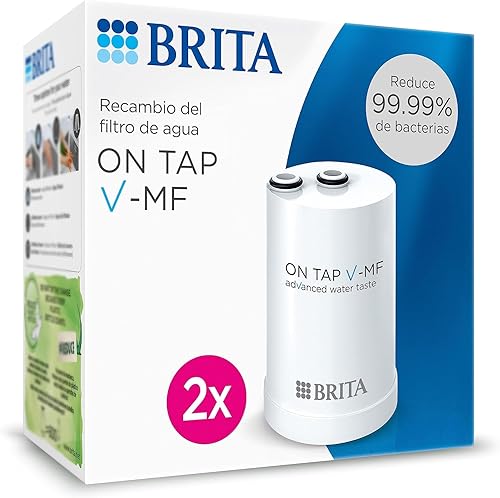
1. BRITA On Tap V-MF 2X Water Filter Cartridge (600L)
This is our top recommendation for most people. The 5-stage filtration is the real deal, and the 600L capacity means fewer filter changes. In our testing, the water taste was exceptionally clean, and the build quality feels solid. The “preserves minerals” point is a nice touch for health-conscious buyers. It doesn’t reduce limescale, but it’s honest about it.
- Excellent 5-stage filtration
- High 600L capacity
- Clear, honest marketing
- Easy filter change mechanism
- Higher upfront cost for the cartridge
- Does not address limescale
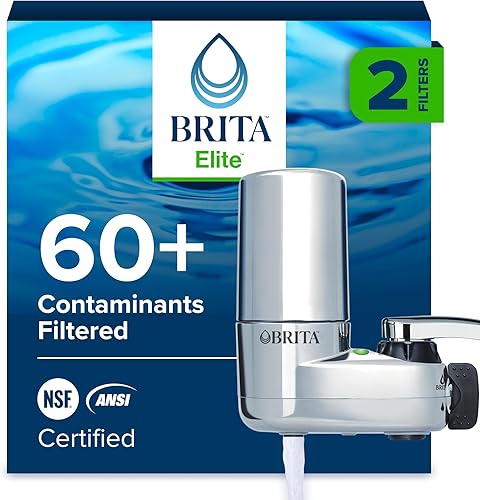
2. Brita Basic Faucet Mount System (Chrome)
The workhorse. This is the model we recommend if you want to try a tap filter without a big investment. The fact it comes with two filters is a huge value. The chrome finish looks decent, and the filtration—while not as advanced as the V-MF—still makes a massive difference in chlorine taste. Perfect for a first apartment or a rental.
- Best value – includes 2 filters
- Simple, reliable design
- Widely compatible
- Significantly improves taste
- Basic 2-stage filtration
- Filter life indicator is a sticker, not electronic
Budget Alternatives from AliExpress
For the extremely budget-conscious, these are options. But temper your expectations. Quality control and certification are not guaranteed.
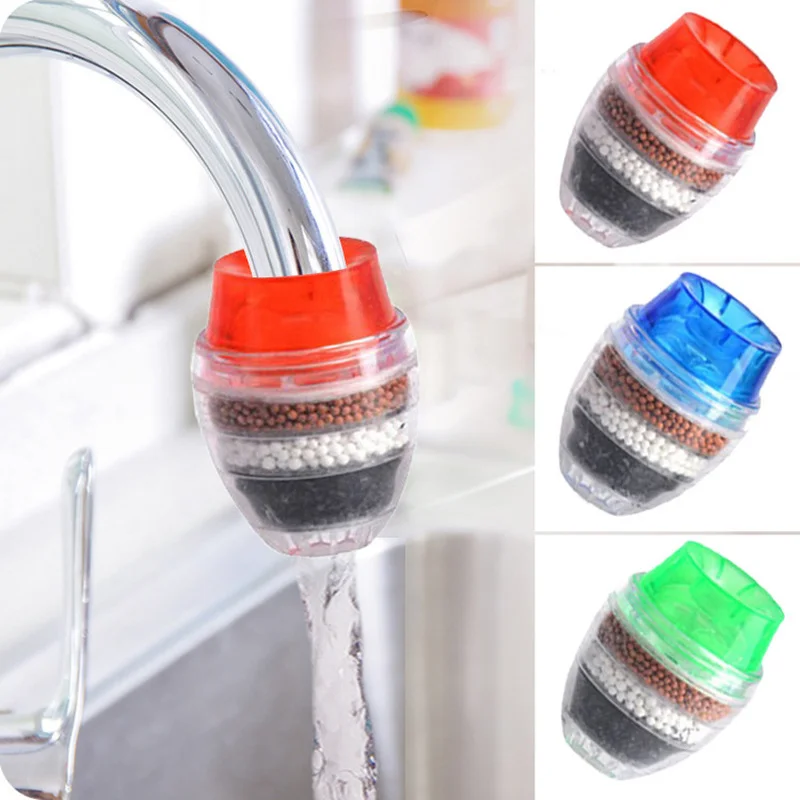
3. 5 Layers Activated Carbon Tap Filter
At under $6, it’s tempting. The 5-layer claim is ambitious for the price. It will likely improve taste by reducing some chlorine, but we wouldn’t trust it for heavy metal reduction without independent certification. Think of it as a basic taste improver, not a health-protection device. The 81.8% rating suggests mixed user experiences.

4. Washable Ceramic Percolator Filter
This is a different beast—a ceramic filter. The 96% rating is impressive. Ceramic filters are excellent for removing sediment and bacteria, but they flow slowly and require regular cleaning. It’s a more old-school, hands-on approach. If you’re mechanically inclined and don’t mind maintenance, it’s a fascinating option. For set-and-forget convenience, stick with Brita.
Frequently Asked Questions
- How long does a Brita tap filter last?
- It depends on the model and your water usage. Most last for 4 months or around 400-600 liters. The filter has an indicator—either a sticker or an electronic light—that tells you when it’s time to replace it. Don’t ignore it, or you’ll be drinking unfiltered water.
- Can a Brita tap filter remove bacteria?
- No. Standard Brita tap filters are not designed to remove bacteria or viruses. They are certified for aesthetic effects (taste, odor) and specific health contaminants like lead. For microbiological safety, you need a different technology like UV or absolute micron filtration.
- Will it fit my pull-out faucet?
- Probably not. Most Brita tap filters are designed for standard, fixed faucets with threaded aerators. Pull-out, handheld, and some designer faucets often lack the necessary threading or have incompatible shapes. Always check the compatibility guide on the product page before buying.
- Is filtered water from a Brita tap good for cooking?
- Absolutely. This is one of the best uses. Using filtered water for cooking pasta, making soups, steaming rice, or brewing coffee eliminates the chlorine and off-tastes that can subtly affect your food’s flavor. It’s a simple upgrade that makes a real difference.
- Do Brita tap filters reduce limescale?
- No, they do not. Brita tap filters are not water softeners. They preserve beneficial minerals like calcium and magnesium, which are the primary cause of limescale. If you have hard water, you’ll still get scale buildup in your kettle and on faucets.
- What’s the difference between a tap filter and a water cooler filter?
- They serve different purposes. A tap filter is an inline device for your faucet, providing filtered water on demand. A water cooler filter is typically a larger, often bottle-less system that filters water for a dedicated dispensing unit, usually with higher capacity and sometimes cooling/heating features.
Final Thoughts
After years of testing, we keep coming back to one truth: the best filter is the one you’ll actually use. For millions of people, a Brita tap filter hits the sweet spot of convenience, cost, and noticeable improvement in water quality. It’s not a miracle device, but it’s a genuinely good product that does what it says.
Our clear recommendation for 2026 is the BRITA On Tap V-MF 2X. The filtration is superior, and the capacity justifies the cost. If you’re on a tight budget, the Brita Basic Faucet Mount with two included filters is an unbeatable starting point. Just remember to change the filter. Your taste buds will thank you.
