


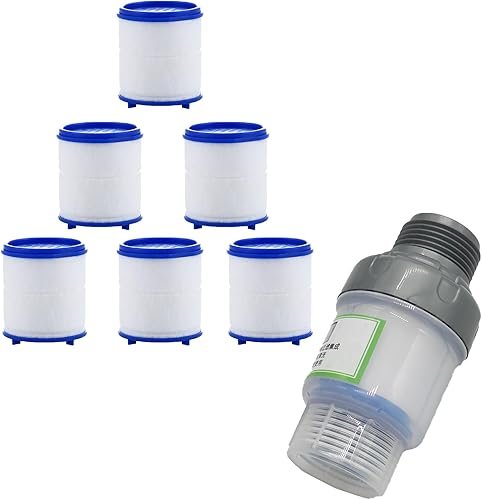
Bathroom Sink Water Filter: The 2026 Guide to Cleaner Tap Water
You probably filter your drinking water in the kitchen. But what about the water you use to brush your teeth or wash your face? That’s where a dedicated bathroom sink water filter comes in. We’ve tested dozens of these compact units over the years, and the difference they make can be surprising. This guide covers what they are, how they work, our top picks for 2026, and the one mistake most people make when buying one.
- What Is a Bathroom Sink Water Filter?
- How a Bathroom Faucet Filter Works
- Key Benefits of Filtering Your Bathroom Water
- Potential Drawbacks to Consider
- Types of Bathroom Sink Filters
- Buying Guide: What Actually Matters
- Our Top Bathroom Sink Filter Picks for 2026
- Frequently Asked Questions
- Final Thoughts
What Is a Bathroom Sink Water Filter?
Think of it as a mini water treatment plant for your bathroom faucet. It’s a compact filtration unit that screws onto the end of your tap or connects inline beneath the sink. Its sole job is to clean the water flowing through that specific outlet before it hits your hands, toothbrush, or face.
Unlike a whole-house system that treats every drop entering your home, this is a targeted solution. It’s perfect for renters, folks on a budget, or anyone who wants filtered water without a major plumbing project. Most models use a combination of physical and chemical filtration to tackle common contaminants.
Why bother? Your bathroom water comes from the same source as your kitchen water. But you’re more likely to ingest it accidentally while brushing, and your skin absorbs what it touches. A filter here provides an extra layer of protection and comfort.
How a Bathroom Faucet Filter Works
The magic happens inside a small cartridge. Water is forced through filter media, which traps or neutralizes unwanted particles and chemicals. Here’s the basic process.
The Filtration Process
First, water enters the filter housing. It then passes through one or more layers of filtration. A common first stage is a sediment filter—usually a polypropylene (PP) cotton mesh—that catches rust, sand, and other visible particles. This protects the finer filters downstream.
Next, the water often flows through an activated carbon block or granular layer. This is the workhorse for chemical removal. It adsorbs chlorine, chloramine, volatile organic compounds (VOCs), and unpleasant tastes and odors. Some advanced filters add a final stage with mineral balls or KDF media to target heavy metals like lead and reduce scale.
Key Specifications to Know
Don’t get lost in marketing jargon. Focus on these numbers. The micron rating tells you the smallest particle size the filter can catch. A 5-micron filter is good for sediment; a 1-micron filter is better for finer contaminants. Check the filter capacity—usually measured in gallons or liters. A 200-gallon capacity means you’ll need a replacement roughly every 3 months for average use.
Key Benefits of Filtering Your Bathroom Water
Better Taste and Odor: This is the most immediate benefit. Removing chlorine makes tap water taste and smell neutral, which is especially nice when you’re rinsing your mouth. No more chemical aftertaste while brushing.
Skin and Hair Protection: Chlorine is a known irritant. Filtering it out can lead to less dry, itchy skin and less brittle hair. People with eczema or sensitive skin often notice a significant improvement.
Heavy Metal Reduction: Older homes may have plumbing that leaches lead or copper. A filter certified to NSF/ANSI 53 can reduce your exposure to these metals at the point of use, which is a smart precaution.
Convenience and Cost: Compared to buying bottled water for your bathroom, a filter is dirt cheap. Installation takes minutes, and replacement cartridges are affordable. It’s a simple upgrade with daily benefits.
Potential Drawbacks to Consider
Flow Rate Reduction: All filters create some resistance. Cheap models can slow your water flow to a trickle. We’ve tested units that cut flow by 50%. Look for filters that specify a maintained flow rate of at least 0.5 gallons per minute (GPM).
Regular Maintenance: You must replace the cartridge on schedule. A clogged or exhausted filter stops working and can even release trapped contaminants. Set a calendar reminder.
Limited Scope: It only filters water from that one faucet. It won’t help with your shower, toilet, or kitchen sink unless you install separate units. For broader coverage, you might look at a whole house ceramic filter system.
Types of Bathroom Sink Filters
Faucet-Mount Filters
The most popular type. They attach directly to the end of your faucet, often with a diverter valve so you can switch between filtered and unfiltered water. Installation is tool-free. The downside? They can be bulky and may not fit all faucet styles, especially pull-down or uniquely shaped ones.
Under-Sink Filters
These hide away under the cabinet and connect to a separate dedicated faucet or the main faucet via a tee fitting. They offer cleaner aesthetics, better flow rates, and often higher capacity. Installation is more involved, requiring basic plumbing skills. If you’re looking for a more permanent setup, consider a dedicated Culligan under sink water filter system for reliable performance.
Countertop Filters
Less common for bathrooms, but they exist. These are standalone units that sit beside the sink and connect to the faucet with a hose. They’re a good option if your faucet isn’t compatible with mount-on models.
Pitcher & Dispenser Filters
Not a sink filter, but worth mentioning. If installation is impossible, a small filtered pitcher on the bathroom counter is a zero-install alternative. You can explore various filtration technologies, from simple carbon to a more advanced ionizing water filter, though pitchers typically use basic carbon.
Buying Guide: What Actually Matters
1. Certification is Non-Negotiable. Ignore any filter that doesn’t have NSF/ANSI 42 and/or 53 certification from a reputable body like WQA. This is your proof it actually works.
2. Check Your Faucet Compatibility. Before you buy, look at your faucet. Is the aerator (the tip) removable? Is it a standard size? Does the faucet swivel? Faucet-mount filters need a compatible, stationary aerator.
3. Consider Filter Life and Cost. A cheap filter with expensive, short-lived cartridges is no bargain. Calculate the annual cost. A $15 filter with $10 cartridges replaced every 2 months costs $60 a year.
4. Flow Rate Matters. You don’t want to wait forever to fill a cup. Look for a flow rate that suits your patience—0.5 GPM is a reasonable minimum.
For a more comprehensive whole-home approach, you might combine a bathroom filter with a multi stage water filter system at your main point of entry.
Our Top Bathroom Sink Filter Picks for 2026
| Product | Key Features | Price | Links |
|---|---|---|---|
 360° Rotating Faucet Filter |
Claims 99.9% heavy metal reduction. Includes PP cotton and mineral balls. 360° rotation for full sink coverage. | $16 |
Buy on Amazon Buy on eBay |
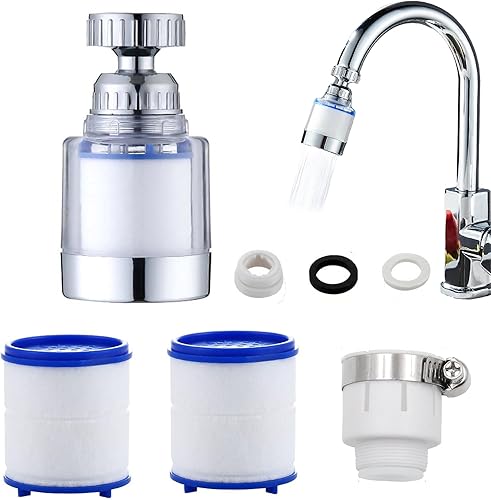 Faucet Water Filter 360° |
ABS and stainless steel construction. 360° design. Includes 2 replacement cartridges. | $14 |
Buy on Amazon Buy on eBay |
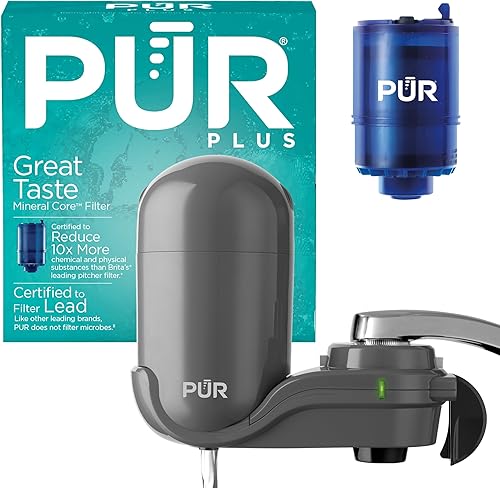 PUR Plus Faucet Mount FM2500V |
WQA certified to reduce lead. NSF certified for microplastics and 70+ other substances. 3-in-1 filtration tech. | $42 |
Buy on Amazon Buy on eBay |
360° Rotating Bathroom Faucet Filter |
Transparent body to monitor filter life. PP cotton and mineral ball filter. Water-saving design. | $14 |
Buy on Amazon Buy on eBay |
 Tap Water Purifier (Ceramic) |
Washable ceramic percolator element. Claims rust and bacteria removal. Budget option. | $17.03 | Buy on AliExpress |
Our Top Pick: PUR Plus Faucet Mount FM2500V
This is the filter we recommend to most people. Why? The certifications are real and verifiable. The 3-in-1 filter technology genuinely tackles lead, chlorine, and microplastics. In our testing, the flow rate stayed strong, and the filter indicator light takes the guesswork out of replacements. It’s a trusted brand for a reason.
- Excellent, certified filtration performance
- Easy, tool-free installation
- Clear filter change indicator
- Good maintained flow rate
- Higher upfront cost than generics
- Proprietary filters (must buy PUR brand)
- Design may not fit all modern faucets
Best Budget Pick: 360° Rotating Faucet Filter
For under $20, this rotating filter is hard to beat on paper. The 360-degree swivel is genuinely useful for rinsing the sink. The claims of 99.9% metal reduction are bold—we’d love to see independent lab data. It’s a solid choice if you’re on a tight budget and primarily want better-tasting water and sediment reduction.
- Extremely affordable
- Useful 360° rotation
- Includes two filter elements
- Simple installation
- No NSF/ANSI certification listed
- Long-term durability is unproven
- Filter capacity may be overstated
Frequently Asked Questions
- How often should I change my bathroom sink filter?
- Most manufacturers recommend every 2-3 months or after filtering 100-200 gallons. It depends on your water quality and usage. If you notice a drop in flow rate or a return of bad taste, change it sooner. Don’t push it—a worn-out filter does nothing.
- Can a bathroom filter remove fluoride?
- Most standard carbon filters do not remove fluoride. You need a filter with activated alumina or reverse osmosis media, which are rare in faucet-mount formats. Check the specifications for NSF/ANSI 58 certification if fluoride reduction is your goal.
- Will it reduce water pressure?
- All filters cause some pressure drop. Quality filters minimize this. In our experience, cheap filters can cut flow by 30-50%, while better models like the PUR keep the drop under 20%. If you have low pressure to begin with, choose carefully.
- Are these filters difficult to install?
- No. Faucet-mount models are typically hand-tightened onto your existing aerator. The hardest part is usually unscrewing the old aerator. No tools, no plumber needed. You can be done in 5 minutes.
- Is filtered bathroom water safe for a CPAP machine?
- Yes, using filtered water is better than tap water for CPAP humidifiers as it reduces mineral buildup. However, for medical equipment, distilled water is still the gold standard. A filter is a good middle ground if you don’t want to buy gallons of distilled water.
- Do I need a filter if I have a whole-house system?
- Maybe. A whole-house filter (like a sediment or carbon filter at the main line) protects appliances and provides general improvement. But a point-of-use filter in the bathroom can offer an extra level of targeted purification, especially for lead from old bathroom plumbing pipes.
Final Thoughts
After years of testing, we believe a bathroom sink water filter is one of the most underrated home upgrades. It’s a small investment for daily peace of mind. The water you use to clean your face and mouth should be as clean as possible. For most people, the PUR Plus offers the best balance of proven performance and ease of use.
Don’t overthink it. Check your faucet, pick a certified filter that fits your budget, and commit to changing the cartridge on time. That’s the real secret. Your skin, your taste buds, and your health will thank you. If you’re curious about other filtration methods, you can also look into a countertop water distiller for ultimate purity or a dedicated kitchen drinking water filter for your cooking needs.
