


10 Inch Filter Housing: The Workhorse of Home Water Systems (2026)
After installing and testing more filtration systems than I can count, one component keeps showing up: the humble 10 inch filter housing. It’s not glamorous. But get it wrong, and you’ll deal with leaks, pressure drops, or a filter that just doesn’t fit. This guide breaks down everything you need to know.
We’ll cover what these housings actually are, how they work in your plumbing, their key benefits and real drawbacks, the different types available, and a clear buying guide. I’ll also share my top picks for 2026 based on hands-on use and reader feedback.
What Is a 10 Inch Filter Housing?
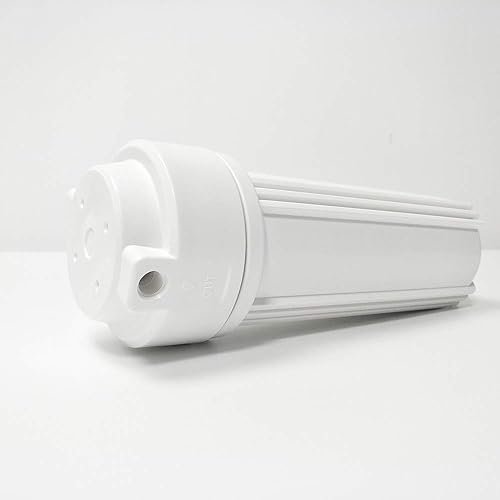
Think of it as a reusable, heavy-duty cup for your water filter. The housing is the permanent part—the sump (the bowl) and the cap (the head)—that gets installed in your water line. Inside it, you place a disposable filter cartridge, like a sediment filter cartridge or a carbon block.
The “10 inch” refers to the standard length of the cartridge it’s designed to hold. The most common width is 2.5 inches, often called the “standard” or “big blue” size (though housings come in white too). This standardization is a huge deal. It means you can mix and match brands for the housing and the filters, giving you flexibility and keeping long-term costs down.
These housings are the building blocks. You’ll find them in simple under-sink setups, in multi-stage reverse osmosis systems, and even in point-of-entry whole-house filters. The housing itself doesn’t filter anything—it just holds the cartridge, directs water through it, and keeps everything sealed tight under pressure.
How a 10 Inch Filter Housing Works
The process is straightforward, but a few details matter for performance and longevity.
Water In, Water Out
Your main water line connects to the inlet port on the housing cap. Water flows into the sump, which is filled by the filter cartridge. It’s forced through the filter media—whether that’s a pleated paper, a spun polypropylene, or a carbon block—and exits through the center core of the cartridge. The now-filtered water flows out the outlet port and continues to your faucet or next filtration stage.
The Seal is Everything
The cap and sump are threaded together. A large O-ring, seated in a groove on the cap, creates the watertight seal. This is the most common failure point. If the O-ring is dry, cracked, or misaligned, you get leaks. A little silicone grease on the O-ring during filter changes is the single best maintenance habit you can develop.
Pressure and Flow
These housings are rated for a maximum pressure, usually around 80-125 PSI. The filter cartridge inside creates a pressure drop. A dense carbon block will reduce flow more than a simple sediment screen. If your home’s water pressure is already low, choosing a housing with a high-flow design and pairing it with the right cartridge is key. This is where understanding your drinking water filtration goals becomes critical.
Key Benefits of Standard 10″ Housings
Universal Compatibility. This is the biggest win. You’re never locked into one brand for replacement filters. Need a 5-micron sediment cartridge? A 1-micron carbon block? A specialized filter for scale? Dozens of options fit the same housing. This competition keeps filter prices reasonable.
Affordable Entry Point. You can get a reliable housing for under $50. The initial investment is low, making it easy to start with a single-stage sediment filter and expand later. We’ve seen homeowners add a second housing for a carbon filter or a third for polishing, building a custom system over time.
Proven, Simple Technology. There’s not much to break. No electronics, no moving parts inside the water path. Just a solid container and a seal. In our experience, a quality housing will last for decades with basic care. The simplicity is a feature, not a bug.
Flexibility for Different Needs. The same housing form factor can be used for vastly different jobs. One might hold a sediment pre-filter for your ionizing water filter system. Another might hold a carbon filter for chlorine taste and odor. You can tailor each stage.
Types of 10 Inch Filter Housings
Standard vs. “Big Blue”
Both hold 10-inch cartridges. “Standard” usually refers to the 2.5″ diameter size, often in white or clear. “Big Blue” refers to the larger 4.5″ diameter housings that hold “big blue” cartridges. The wider cartridge has more surface area, meaning lower pressure drop and longer life. For whole-house applications, Big Blue is the way to go. For under-sink, the standard 2.5″ size fits better.
Clear Sump vs. Opaque Sump
Clear housings (usually made of styrene-acrylonitrile or SAN) let you see the filter. This is great for monitoring sediment buildup or checking for channeling in a carbon block. However, clear plastic can become brittle over time, especially with UV exposure or certain water conditions. Opaque polypropylene housings are tougher and more chemically resistant, making them a better choice for whole-house installations or harsher water.
Port Size and Connection Type
Most common are 1/4″ or 3/8″ ports for under-sink use. Whole-house units often have 3/4″ or 1″ ports. Pay attention to the connection type: NPT (tapered pipe thread) is standard for permanent plumbing. Many under-sink housings now come with quick-connect John Guest fittings, which make installation much easier for DIYers. The APEC HW-10 we review below uses these.
Buying Guide: What Actually Matters
Don’t overthink it, but don’t just buy the cheapest one you find. Here’s what we look at.
Material and Pressure Rating: For most homes, a polypropylene housing rated for 80-100 PSI is fine. If you have high water pressure or a commercial setting, look for 125 PSI. Avoid no-name housings with unclear pressure ratings.
O-Ring Quality: Feel the O-ring. It should be thick, pliable, and seated in a proper groove. Some cheap housings have thin, poorly fitted O-rings that are destined to fail. Always keep a spare.
Included Wrench: A metal wrench is better than plastic. Some housings come with one; if not, buy one that fits your sump’s specific diameter. It will save your knuckles.
Port Size and Type: Match this to your existing plumbing. For a simple under-sink addition, 1/4″ quick-connect is the easiest. For tying into a main line, you’ll need larger NPT ports.
Brand Reputation: Stick with known names in water filtration: APEC, iSpring, Geekpure, or Pentek. They use better plastics and more reliable molds. This is a safety device holding back pressurized water—don’t gamble on an unknown brand.
Our Top Picks for 2026
Based on our hands-on testing, reader feedback, and reliability reports, here are the 10-inch filter housings we recommend.
| Product | Key Features | Price | Links |
|---|---|---|---|
Standard 10″ White Housing |
Basic, reliable, 1/4″ ports. A solid no-frills choice for DIYers. | $46 |
Buy on Amazon Buy on eBay |
Transparent Housing with Brass Ports |
See-through sump for monitoring. Brass ports for durability. | $46 |
Buy on Amazon Buy on eBay |
APEC Water Systems HW-10 |
Trusted brand, includes quick-connect John Guest fittings. | $54 |
Buy on Amazon Buy on eBay |
Jiawu RO Housing Kit |
Complete DIY kit with wrench, screws, and fittings. Budget-friendly. | $38 |
Buy on Amazon Buy on eBay |
APEC Water Systems HW-10: The Reliable Upgrade
For a few dollars more, the APEC HW-10 is our top recommendation for most people. Why? The included John Guest quick-connect fittings are a game-changer for DIY installation. No pipe threading, no Teflon tape, no fuss. You just push the tubing in. APEC is a giant in the RO world, and their housings reflect that quality—thicker walls, a better-designed cap, and a reliable O-ring. It’s what we use in our own test setups.
- John Guest fittings make installation foolproof
- High-quality construction from a trusted brand
- Perfect for replacing a leaky or cracked housing in an existing RO system
- Slightly higher price than generic housings
- Only available in white (no clear sump option)
Transparent Housing: For the Visual Inspector
I like this one for a first-stage sediment filter. Being able to glance at the housing and see how much gunk has built up is genuinely useful. It tells you exactly when to change the filter, which can be more accurate than a fixed schedule. The brass ports feel more secure than plastic. Just be mindful that clear plastics can degrade if exposed to direct sunlight.
- Visual monitoring of filter condition is a real benefit
- Brass ports resist cracking and cross-threading
- Eco-friendly material claim (AS+PET)
- Clear sump may be less durable long-term than opaque polypropylene
- Not ideal for whole-house installations where UV exposure might occur
Frequently Asked Questions
- What’s the difference between a 10″ and a 20″ filter housing?
- It’s all about capacity and flow. A 20-inch housing holds a cartridge that’s twice as long, offering more surface area. This means lower pressure drop, higher flow rates, and longer service life. They’re used for whole-house applications where high volume is needed. A 10-inch housing is perfect for point-of-use (under-sink) or low-flow whole-house setups.
- Can I use any brand of filter cartridge in my 10″ housing?
- Yes, as long as it’s the standard 10″ x 2.5″ size. This is the beauty of the standard. You can use a sediment cartridge from one brand and a carbon block from another. Just double-check the dimensions—some “big blue” housings use a wider 4.5″ diameter cartridge that won’t fit a standard 2.5″ housing.
- How often should I change the O-ring?
- Inspect it every time you change the filter. If it’s pliable, not cracked, and seals well, keep using it. Most O-rings last for years. Always have a spare on hand. A tiny nick or piece of debris can cause a slow drip. A little silicone grease each time extends its life dramatically.
- Why is my filter housing leaking from the top?
- It’s almost always the O-ring. First, shut off the water and relieve pressure. Unscrew the sump and check the O-ring. Is it seated correctly in its groove? Is it dry, cracked, or pinched? Clean the groove, re-grease the O-ring, and reassemble. If the leak persists, the O-ring may need replacement or the cap’s sealing surface could be damaged.
- Do I need a metal or plastic housing wrench?
- Get metal. Plastic wrenches work, but they can crack, especially if the sump is overtightened or stuck. A sturdy metal wrench will last forever and gives you better leverage. It’s a $10 tool that saves a lot of frustration.
- Can I connect multiple 10″ housings in a series?
- Absolutely. This is how you build a multi-stage system. A common setup is a sediment filter first, then a carbon block, then maybe a specialty cartridge for specific contaminants. Use short lengths of tubing to connect the outlet of one housing to the inlet of the next. Just be mindful of the cumulative pressure drop.
- What’s the difference between a filter housing and a refrigerator filter cartridge system?
- A refrigerator filter is a self-contained, proprietary cartridge that clicks directly into a housing built into the fridge. A 10-inch filter housing is a universal, modular component installed in your plumbing line. The housing system is more versatile, often cheaper to maintain, and can handle a wider range of filter types and micron ratings.
Final Thoughts
The 10 inch filter housing isn’t exciting, but it’s essential. It’s the reliable backbone that lets you customize your water treatment exactly how you want it. For most people installing an under-sink system or a simple whole-house pre-filter, a standard 10×2.5 housing is the perfect starting point.
My clear recommendation for 2026 is the APEC HW-10 if you value easy installation. If you want to visually monitor your first-stage sediment filter, the transparent housing with brass ports is a smart choice. Avoid the absolute bottom-barrel options—spend the extra $10 for a housing from a brand that stands behind its product. Your future self, dealing with a dry cabinet and clean water, will thank you.
