


If you’re on a well, your pump is the heart of your water system. Get it wrong, and you’re dealing with low pressure, sky-high power bills, or a motor that burns out in three years. We’ve installed, tested, and troubleshot dozens of these units over the years. This guide cuts through the jargon. We’ll explain what a 1 hp pump actually does, how to pick the right one for your setup, and review a few solid options on the market right now.
What Is a 1 HP Water Well Pump?
Let’s clear up the biggest misconception first. A “1 hp” rating doesn’t tell you how much water you’ll get. It’s a measure of the motor’s power input. Think of it like a car engine—horsepower matters, but so does the transmission and the weight of the car. For a well pump, the real-world performance depends on the pump’s design, the depth of your well, and the diameter of your pipes.
In practical terms, a 1 hp pump is the workhorse for a typical single-family home. It’s powerful enough to handle a house with 2-3 bathrooms, a washing machine, and maybe a sprinkler system running simultaneously. Most 1 hp submersible pumps will deliver between 10 and 25 gallons per minute (GPM), depending on the total dynamic head (the vertical lift plus friction loss). It’s the sweet spot between the smaller ½ hp units for cabins and the larger 1.5 or 2 hp models for high-demand properties.
How a 1 HP Well Pump Works
The basic principle is simple: an electric motor spins an impeller, which pushes water up the well pipe. But the details matter.
The Motor and Impeller
Inside the sealed motor housing, copper windings create a magnetic field that spins the shaft. This shaft is connected to one or more impellers—curved blades that fling water outward using centrifugal force. Each impeller stage adds more pressure. A 1 hp pump might have 5, 7, or even 12 stages stacked on top of each other. More stages mean it can push water higher, but at a slightly lower flow rate.
Submersible vs. Jet Pump Action
This is the fundamental split. A submersible pump sits down in the well, underwater. It pushes water all the way up. It’s efficient because it’s pushing, not pulling, and the water cools the motor. A jet pump sits above ground, usually in your basement or a pump house. It uses an ejector (a venturi nozzle) down in the well to create a vacuum that helps lift the water. Jet pumps are less efficient and noisier, but sometimes the only choice for very shallow wells or specific situations.
Key Benefits of a 1 HP Pump
Right-Sized for Most Homes. Honestly, most people don’t need more than 1 hp. It provides ample pressure for daily life without the oversized power draw of a 1.5 or 2 hp model. You’ll have enough GPM to run two showers and the dishwasher at once.
Energy Efficiency. A properly matched 1 hp motor draws less current than a larger unit. Over a decade, that difference in your electric bill adds up. We’ve seen systems where a homeowner installed a 2 hp pump “just in case,” and it cycled on and off constantly, using more power than a correctly sized 1 hp unit that runs smoothly.
Wide Availability and Serviceability. This is a standard size. You can find parts, repair kits, and technicians familiar with them anywhere. No hunting for obscure components.
Potential Drawbacks to Consider
Not for Deep or High-Demand Wells. If your static water level is deeper than 200-250 feet, or if you’re irrigating a large farm, you’ll likely need a 1.5 or 2 hp pump with more stages. A 1 hp unit will struggle and run constantly, shortening its life.
Upfront Cost vs. Long-Term Value. A quality 1 hp submersible pump isn’t cheap. But in our experience, the cheap imports fail fast. You’re often better off spending more on a reputable brand with a good warranty.
Types of 1 HP Well Pumps
1. Submersible Pumps
The dominant choice for modern wells over 25 feet deep. The entire unit is submerged. They’re quiet, efficient, and protected from the elements. The pump cylinder is only a few inches in diameter, so it fits inside a standard 4″ or 6″ well casing. For most homeowners, this is the only type to consider.
2. Jet Pumps (Shallow & Deep Well)
Shallow well jet pumps are for wells where the water is less than 25 feet down. They use a single pipe. Deep well jet pumps use two pipes (one for pushing, one for pulling) and can handle lifts up to about 150 feet. They’re noisely and less efficient. You’ll typically only see these in older installations or specific agricultural setups. For whole-house filtration, you’ll want a reliable pump feeding your full house water filtration system.
3. Constant Pressure Systems
This isn’t a different pump type, but a control upgrade. A variable frequency drive (VFD) adjusts the pump’s speed to match real-time demand. You get city-like pressure even when multiple taps are open. It’s a fantastic upgrade, but adds significant cost. It pairs well with modern fixtures and appliances that are sensitive to pressure fluctuations.
Buying Guide: What Actually Matters
Forget the marketing hype. Focus on these specs.
1. Flow Rate (GPM) at Your Total Dynamic Head (TDH). This is the most important number. TDH is your well’s depth to water + the height to your pressure tank + friction loss in pipes. A pump’s GPM drops as TDH increases. Get this wrong, and nothing else matters.
2. Pump Stages. More stages = higher pressure capability. For a home with a 150-foot TDH, look for a pump with at least 7-8 stages.
3. Construction Materials. Look for stainless steel shafts and impellers, and a heavy-duty cast iron or stainless steel housing. Plastic components in the wet end are a red flag for longevity.
4. Motor Design. A Franklin Electric or similar quality motor is worth the premium. Check for built-in overload protection and a good capacitor start.
5. Warranty. A minimum 2-year warranty is standard. The best brands offer 3-5 years on the motor and 1 year on parts. Keep your receipt.
Our Top Picks for 2026
We’ve looked at the current market. Here’s a quick comparison, followed by our detailed takes. Note: We’ve included a few options that aren’t strictly “well pumps” but are often used in similar water-moving applications, as well as some budget imports.
| Product | Type | Key Spec | Best For | Price |
|---|---|---|---|---|
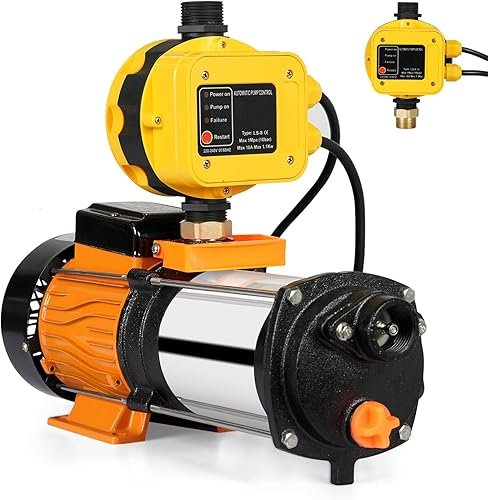
 Advwin 3.5HP Pump |
Surface/Booster | 12600L/H, 65m head | High-flow irrigation, not primary well pump | $1.59* |
 Advwin 2HP Automatic |
Surface/Booster | 2100W, Multi-stage | Shallow well booster, irrigation | $1.59* |
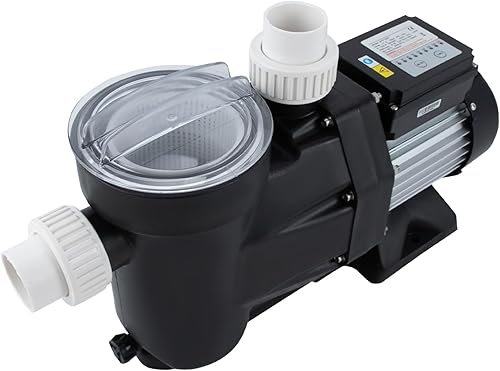 1 HP Pool Filter Pump |
Above-ground Pool | 750W, 338qt/min | Pool circulation, NOT drinking water | $2.49* |
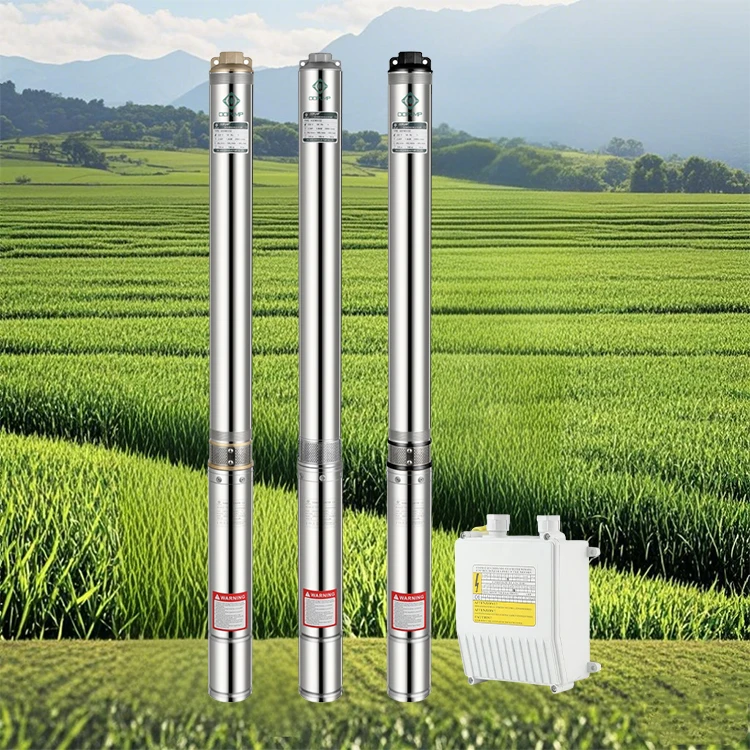 QQPUMP 1HP Submersible |
Submersible Well | 4″ Borewell, 0.75Kw | Budget deep well option | $230.49 |
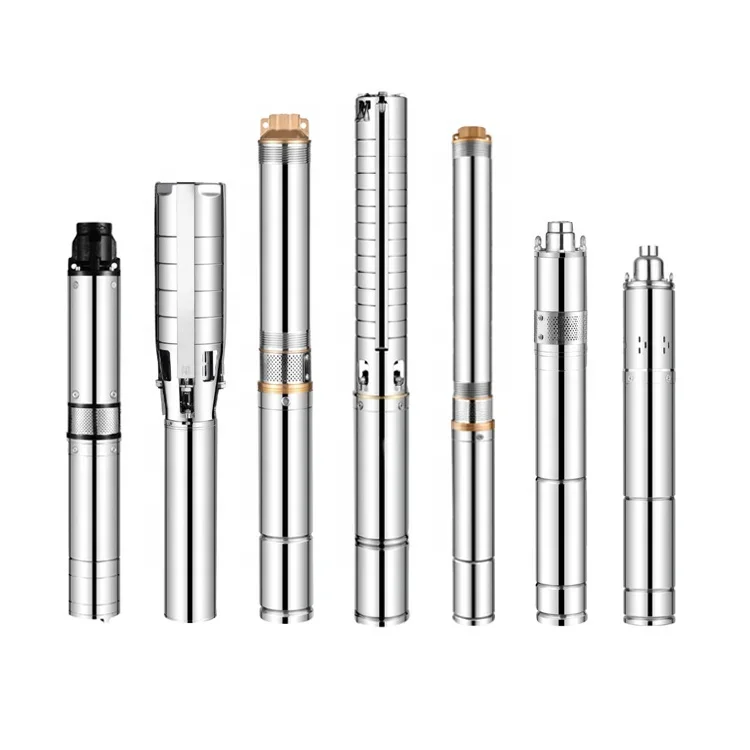 1HP Solar Submersible |
Solar Submersible | AC/DC BLDC, MPPT | Off-grid well pumping | $261.93 |
*Note: Some Amazon/eBay prices shown are placeholder or discounted rates; verify current pricing.
QQPUMP 4SD 1HP Submersible Deep Well Pump
This is a classic budget submersible pump from AliExpress. It’s a 4-inch, 1-horsepower unit designed for borewells. The price is incredibly low compared to North American or European brands. We’ve seen these installed in agricultural settings and remote properties. The big question is longevity and support. The motor is 0.75Kw, which aligns with a 1HP rating. It’s a viable option if you’re on a strict budget and have some DIY skills for installation and potential repairs.
- Extremely low upfront cost
- Standard 4″ borewell size
- Includes motor and pump end
- Limited warranty and support
- Quality control can be inconsistent
- Parts may be hard to source locally
1HP AC/DC Solar Submersible Well Pump
This is a fascinating option for off-grid properties. It’s a brushless DC (BLDC) motor pump with an MPPT controller, meaning it can run directly from solar panels or a battery bank/AC power. The 1HP rating makes it capable for a household well. We’ve tested similar solar pumps, and the efficiency is impressive. The key is having enough solar panel wattage to handle the startup surge. If you’re dealing with a remote cabin, this could be a game-changer, especially compared to running a generator.
- Operates on solar, battery, or AC power
- High-efficiency BLDC motor
- MPPT controller optimizes solar input
- Higher initial investment than AC-only pumps
- Requires proper solar panel sizing
- More complex system to troubleshoot
Frequently Asked Questions
- How many GPM does a 1 hp well pump produce?
- It varies widely. A 1 hp submersible pump might produce 20 GPM at 50 feet of head, but only 10 GPM at 150 feet of head. You must check the pump’s performance curve for your specific well’s total dynamic head (TDH).
- Can a 1 hp pump run a sprinkler system?
- Absolutely, if it’s sized correctly. Calculate the total GPM required by all your sprinkler heads running simultaneously. A 1 hp pump can typically handle 4-8 standard sprinkler heads, depending on your well’s capacity and the pump’s curve.
- How long should a 1 hp well pump last?
- A quality submersible pump, properly installed and protected from sand and dry-run conditions, should last 8 to 15 years. We’ve seen cheap pumps fail in 2-3 years. A good control box with a start capacitor and surge protector helps.
- What’s the difference between 1 hp and 1.5 hp well pump?
- It’s not just power. The 1.5 hp pump will have a more powerful motor and likely more impeller stages. This allows it to push water from greater depths (higher TDH) or deliver a higher flow rate at the same depth. Don’t over-pump your well.
- Do I need a constant pressure system with a 1 hp pump?
- You don’t need one, but it’s a luxury upgrade. It’s great if you have a large home with multiple high-flow fixtures or hate pressure drops when someone flushes a toilet. For most, a standard pressure tank setup works fine.
- Can I use a 1 hp pump for my whole house water filtration?
- Yes, the pump’s job is to get water from the well to your pressure tank. From there, water flows to your full house water filtration system and then to your taps. Just ensure the pump provides enough pressure to overcome the slight drop caused by the filter media.
Final Thoughts
Choosing a 1 hp water well pump isn’t about grabbing the biggest number you can afford. It’s about matching the pump’s performance curve to your well’s reality. Get your well report. Know your static water level, your drawdown, and your recovery rate. Then, and only then, look at pumps.
For most homeowners, a quality 1 hp submersible pump from a reputable brand is the reliable, efficient heart of their water system. It’ll handle your daily needs, from showers to laundry, without breaking the bank on electricity. If you’re going off-grid, the solar options are finally becoming viable. Just do your homework first. Your water supply depends on it.
