


After testing water from over a hundred homes, I can tell you one thing for sure: the stuff coming out of your tap is a unique cocktail. What’s safe in one town might be a problem two streets over. This guide cuts through the noise. We’ll cover how to test your water, what the jargon actually means, and which filters are worth your money in 2026.
What Exactly Is “Home Drinking Water”?
It’s easy to take it for granted. You turn the handle, and water comes out. But that water has been on a long journey. It starts at a reservoir or aquifer, gets treated at a municipal plant to meet legal standards, and then travels through miles of pipes to reach your glass.
Here’s the catch. “Meeting standards” doesn’t mean “perfect.” It means the average contaminant levels are below a specific legal threshold. Your home’s water quality can vary based on the season, how far you are from the treatment plant, and the condition of the pipes in your street—and even inside your walls. Old solder, corroded fittings, and local agricultural runoff can all add unwanted ingredients after the water passes the city meter.
How Water Gets to Your Tap (And What Goes Wrong)
Think of your municipal water supply as a delivered package. The treatment plant does the heavy lifting, but the delivery truck (the pipes) can ding the box along the way.
The Treatment Plant
Water is filtered, disinfected with chlorine or chloramine, and adjusted for pH. This kills most pathogens and meets basic safety codes. The goal is safety, not necessarily taste or the removal of every trace chemical.
The Journey Through Pipes
This is where things get local. If you have a whole house chlorine filter, you’re already dealing with one issue: chlorine taste and vapor in your shower. But other contaminants can leach from pipes, especially in older neighborhoods. Lead from old solder is a classic example. The only way to know for sure what’s in your glass is to test it.
The Real Benefits of Taking Control
Better Taste and Odor. This is the number one reason people start filtering. Chlorine, sulfur, or a metallic tang can make water unpleasant. A good filter fixes that instantly.
Targeted Contaminant Removal. Once you know your water’s profile, you can remove specific worries—like lead, nitrates from agricultural runoff, or disinfection byproducts. It’s peace of mind in a glass.
Protecting Appliances. Hard water, full of calcium and magnesium, wrecks kettles, coffee makers, and humidifiers. Reducing scale buildup saves you money on replacements.
Potential Drawbacks & Costs
Ongoing Expense. Filters need replacing. A $200 system might cost $60-$100 a year in new cartridges. Always factor in the long-term cost.
Water Waste (RO Systems). Traditional reverse osmosis systems can send 3-4 gallons of water down the drain for every gallon of pure water they produce. Newer, more efficient models exist, but it’s a trade-off to know about.
Removal of Beneficial Minerals. Some aggressive filtration methods, like distillation and standard RO, remove everything—including healthy minerals like calcium and magnesium. Some systems add a “remineralization” stage at the end to address this.
Types of Filtration Systems
Not all filters are created equal. They use different technologies to target different problems.
Activated Carbon Filters
The workhorse of water filtration. A carbon filter cartridge uses a massive surface area to adsorb chlorine, volatile organic compounds (VOCs), and improve taste and odor. They’re in pitchers, fridge filters, and under-sink units. Great for basic cleanup.
Reverse Osmosis (RO)
The gold standard for purity. It forces water through a super-fine membrane (0.0001 microns) that blocks nearly everything: dissolved salts, lead, fluoride, arsenic, and microplastics. It’s what you need for serious contamination. A good carbon filter system is usually part of the RO process to protect the membrane.
Ceramic Filters
These use a physical barrier—a porous ceramic filtration system with tiny holes—to block sediment, bacteria, and cysts. They’re often combined with carbon for chemical removal. Very popular for camping and emergency preparedness.
Distillation
Boils water, captures the steam, and condenses it back to liquid. It’s extremely effective, removing almost all contaminants. The downside? It’s slow and uses a lot of energy. You can read more about the water distiller machine process to see if it fits your needs.
Gravity-Fed Systems
No plumbing, no electricity. Water trickles down through one or more filters by force of gravity. They’re countertop units, often made of stainless steel, and are fantastic for renters or as a backup. They typically use a combination of ceramic and carbon filters.
How to Choose: A Simple Buying Guide
Forget brand hype. Start with these three questions.
1. What’s in your water? This is non-negotiable. Get a test kit. Municipal reports are a start, but they’re averages for your area, not your kitchen tap.
2. What’s your budget (initial + annual)? A $30 pitcher is cheap upfront but costs more per gallon long-term than an under-sink system.
3. How much space and hassle can you handle? Do you want something that fits in a fridge door, or are you willing to drill a hole in your countertop for a dedicated faucet?
Our Top Picks for 2022
Based on our hands-on testing, reader feedback, and value for money.
| Product | Best For | Key Feature | Price |
|---|---|---|---|
 |
Essential First Step | Tests 18 parameters in 2 minutes | $27 |
 |
Budget Testing | 125 strips for frequent testing | $23 |
 |
Off-Grid & Renters | Stainless steel, no install needed | $2.89 |
 |
Pure Water + Hot Water | 6-stage RO, instant heating, no install | $5.09 |
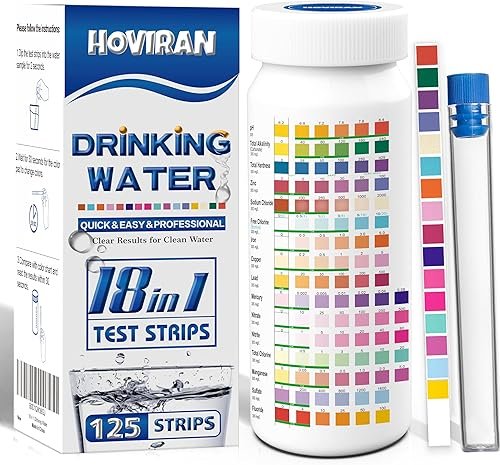
18-in-1 Water Quality Test Strips, 125ct
This is the kit we recommend everyone start with. Before you spend a dime on a filter, spend $27 here. We’ve used these on well water, city water, and everything in between. Dip a strip, wait 30 seconds, and you’ll know your levels for hardness, chlorine, lead, nitrates, pH, and more. It’s not lab-grade, but it’s accurate enough to tell you if you have a problem and what kind of problem it is. The 125-count box means you can test again after installing a filter to make sure it’s working.
- Tests 18 critical parameters
- Results in under 2 minutes
- Incredible value for 125 tests
- Color matching can be subjective
- Not a substitute for professional lab testing for legal or serious health concerns
Phoenix Gravity 8 Litre Stainless Steel Filter
I was skeptical of gravity filters until I tested this one. It’s dead simple: pour water in the top, get clean water from the tap at the bottom. The two black carbon filters do a solid job on chlorine, taste, and some organic chemicals. We love the stainless steel build—it feels like it’ll last forever and looks good on a counter. Perfect for apartments, camping, or as a backup during boil-water advisories. Just don’t expect it to remove dissolved salts or heavy metals like lead without specific filter elements.
- No installation, works anywhere
- Durable, attractive stainless steel
- Great for chlorine and taste issues
- Filtration is slower than faucet-mounted systems
- Won’t remove TDS, fluoride, or nitrates
Waterdrop CoreRO Countertop Reverse Osmosis System
This is the future of countertop purification, and it’s what we’re currently using in our own kitchen. No plumber needed. It does full 6-stage reverse osmosis, which means it tackles everything from TDS and lead to fluoride and microplastics. The killer feature is the instant hot water—perfect for tea or baby formula. The 3:1 pure-to-drain ratio is better than many traditional RO systems. It’s not cheap, but for renters or anyone who doesn’t want to drill into their countertop, it’s a game-changer. The filters last about a year, which is reasonable.
- True RO filtration with no installation
- Instant hot water function is incredibly convenient
- High efficiency, less water waste
- Higher upfront cost
- Takes up significant counter space
Other Options to Consider
We also spotted a couple of items on AliExpress that might be useful for specific, non-drinking-water tasks around the home.
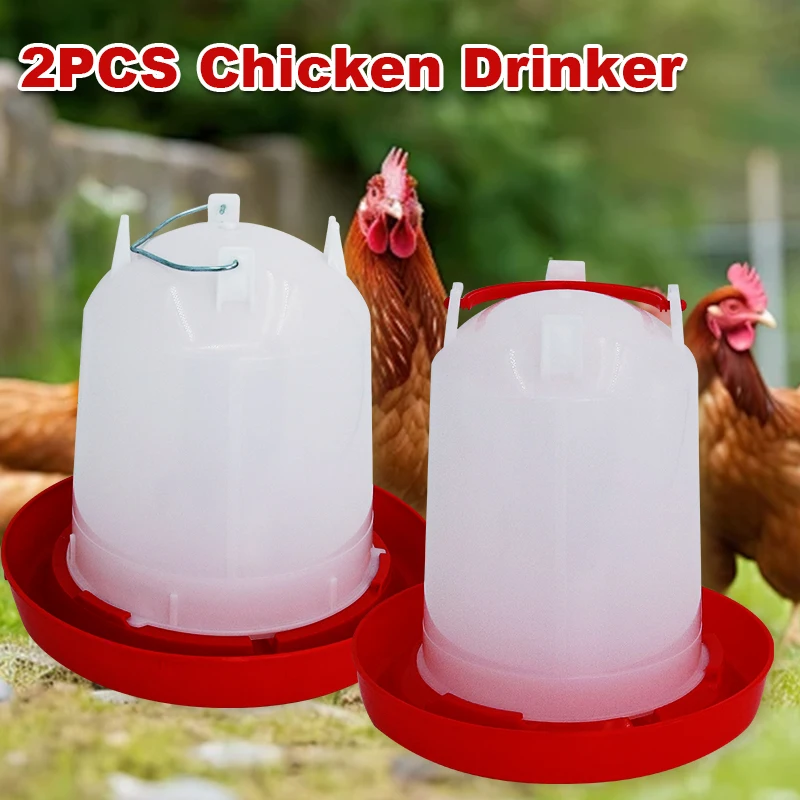
2PCS Large Capacity Bucket Poultry Drinker
Okay, this isn’t for your drinking water. But if you have a small flock of chickens or quail, keeping their water clean and full is a daily chore. This automatic dispenser holds a lot of water and seems sturdy. It’s a farm supply, not a kitchen gadget.

Custom Text Weathered Wood Coffee Sign
And this is just for fun. If you’re setting up a dedicated coffee station next to your new filtered water tap, a little wall decor never hurts. It’s a personalized plaque.
Your Questions, Answered
- How often should I test my home drinking water?
- Test annually with a strip kit. Also test if you notice a change in taste, odor, or color, or if there’s construction or a known water main break in your area. If you’re on well water, test every year for bacteria and nitrates.
- Do I really need a filter if my water is from the city?
- Probably. City water is treated for safety, not perfection. Chlorine taste, old pipes leaching lead, and disinfection byproducts are common reasons to filter even with a municipal supply.
- What’s the difference between distilled water and purified water?
- Distilled water is purified by boiling and condensing, removing nearly everything. “Purified” is a broader term that can include distillation, reverse osmosis, or deionization. For a deep dive, see our article on distilled water vs purified water.
- Are expensive filters always better?
- Not at all. A $200 RO system is “better” than a $30 pitcher if you have lead in your water. But if you only have chlorine taste, that $30 pitcher is the smarter buy. Match the tool to the job.
- Can a filter remove PFAS or “forever chemicals”?
- Yes, but you need the right one. Look for filters certified to NSF/ANSI standard 53 for PFAS reduction, or standard 58 for reverse osmosis systems. Granular activated carbon can also reduce PFAS, but check the specific brand’s test data.
- What’s the maintenance like for these systems?
- Pitchers need new filters every 2-3 months. Under-sink carbon filters every 6-12 months. RO pre-filters every 6-12 months, and the RO membrane every 2-4 years. Always follow the manufacturer’s schedule.
Final Thoughts
After years in this space, here’s my honest take: the single biggest improvement most people can make is to simply test their water and then install a basic, certified carbon filter. That handles chlorine, improves taste, and removes many common contaminants. You don’t need to spend $500 unless your test results show a serious issue like lead or high TDS.
Start with the 18-in-1 test strips. See what’s actually in your glass. Then, pick the simplest, most reliable filter that solves that specific problem. Your wallet—and your taste buds—will thank you.
