


Water Softener System for Well Water: The 2026 Field Guide
After 15 years of testing filters and crawling through crawlspaces, I can tell you this: treating well water is a different beast. City water has its issues, but well water is personal. It’s your own private aquifer, full of surprises. This guide cuts through the noise. We’ll cover what actually works, what’s overkill, and how to choose a system that won’t quit on you.
- What makes well water different and why your softener choice matters
- The step-by-step process of how these systems actually work
- The real benefits—and the honest drawbacks—no sales pitch
- A breakdown of system types, from basic to bulletproof
- Our top picks based on real-world testing and reader feedback
What Is a Water Softener System for Well Water?
Forget the generic softener you see at the big-box store. A true system for well water is a multi-stage problem solver. Its primary job is to remove hardness minerals—calcium and magnesium—that cause scale buildup in your pipes and appliances. But that’s just chapter one.
Well water often carries invisible hitchhikers: iron, manganese, hydrogen sulfide (that rotten egg smell), and sediment. A basic softener can choke on iron, ruining its resin bed in months. So, the right system is a combination unit or a sequenced setup. It might be a dedicated iron filter followed by a softener, or a softener with a special birm or catalytic carbon stage built-in. It’s a water filter for entire home use, designed for your unique groundwater chemistry.
In our experience, the single biggest mistake is assuming a softener alone is the fix. It’s not. You have to address contaminants in the right order.
How a Well Water Softener System Works
The process is a one-two punch, sometimes a one-two-three punch. It’s mechanical and chemical, all automated.
Stage 1: Pre-Filtration (The Bouncer)
First, water passes through a sediment filter. This is a simple screen—often 5 to 20 microns—that catches sand, silt, and rust flakes. Think of it as a bouncer for your plumbing, keeping the big, gritty stuff from damaging downstream equipment. Without this, you’ll be servicing valves and clogging injectors constantly.
Stage 2: Iron & Sulfur Removal (The Specialist)
This is the critical stage most people miss. Here, water flows through a bed of media like birm, catalytic carbon, or manganese dioxide. These media oxidize dissolved iron and manganese, turning them into solid particles that get trapped in the bed. Hydrogen sulfide gas is also adsorbed here. This stage often uses a dedicated backwashing cycle to flush the trapped contaminants down the drain. For a deeper look at oxidation methods, our guide on uv water treatment covers a different, chemical-free approach for bacteria.
Stage 3: Softening (The Refiner)
Now the water, free of iron and grit, hits the softener resin tank. Here’s the ion exchange. The resin beads are charged with sodium ions. As water flows through, the resin grabs the calcium and magnesium ions (hardness) and releases its sodium ions in trade. The result? Soft water. Eventually, the resin gets saturated with hardness. A brine solution (from the salt tank) washes over it, flushing the hardness away and “recharging” the resin with sodium. This cycle is automatic.
Key Benefits for Your Home
Scale-Free Plumbing and Appliances: This is the headline benefit. Soft water prevents limescale buildup inside your water heater, pipes, and coffee maker. Your water heater will run more efficiently—scale acts as an insulator, forcing it to work harder. We’ve seen heaters last years longer with proper softening.
Cleaner Dishes and Softer Laundry: Soap lathers better with soft water. You’ll use less detergent, and your glasses will come out of the dishwasher spot-free. Towels and clothes feel softer because there’s no mineral residue trapped in the fibers.
Elimination of Iron Stains and Odors: That orange ring in your toilet or bathtub? Gone. The sulfur smell when you turn on the hot water? Eliminated at the source. This alone is a game-changer for many well owners.
Extended Appliance Lifespan: Your dishwasher, washing machine, and water-using appliances will thank you. No scale means fewer repairs and better performance for their entire lifespan.
Potential Drawbacks to Consider
Sodium in Your Water: The ion exchange process adds a small amount of sodium to your water. For most people, it’s negligible. But if you’re on a strict low-sodium diet, you might want to consider a potassium chloride alternative or a separate drinking water filter like a 4 stage filter under the sink.
Regular Maintenance and Salt: You’ll need to check and refill the salt tank periodically. The system also needs occasional servicing—cleaning the brine tank, checking the injector. It’s not hard, but it’s a chore.
Upfront Cost: A quality, properly sized system for well water isn’t cheap. You’re looking at $1,500 to $3,000+ installed, depending on complexity. It’s an investment in your home’s infrastructure.
Wastewater Generation: The backwashing cycles send water down the drain. In areas with water scarcity or septic systems, this needs consideration. Newer high-efficiency models reduce this waste.
Types of Systems for Well Water
Traditional Ion-Exchange Softener with Pre-Filter
This is the most common setup. A sediment pre-filter protects a standard softener. It’s effective for hardness and light sediment but does nothing for iron or sulfur. You’d need a separate filter tank ahead of it for those issues.
Upflow Neutralizer with Calcite
If your well water is acidic (low pH), it can corrode your copper pipes, leading to pinhole leaks and blue-green stains. A calcite neutralizer uses a calcium carbonate media to raise the pH, making the water less corrosive. It often works in tandem with a softener.
Combo Iron Filter/Softener Units
These are space-savers. They have a single tank with a layered bed—maybe catalytic carbon on top for iron/sulfur, and softener resin below. They can work well for moderate iron levels (under 3-5 ppm). But for heavy iron, dedicated tanks perform better. For complex contaminant profiles, a multi stage filter approach is more reliable.
Chemical Injection Systems
For really bad water—high iron, manganese, tannins, or bacteria—a chemical feed pump might be necessary. It injects chlorine or hydrogen peroxide, followed by a retention tank and then a backwashing filter to remove the oxidized particles. It’s the heavy artillery.
Buying Guide: What Actually Matters
1. Get a Professional Water Test: This is non-negotiable. Don’t guess. Test for hardness, iron, manganese, pH, TDS, and bacteria. Your county extension office or a lab can do this for $50-$150. The results dictate your system.
2. Size it Right: A system rated for a 3-bathroom house won’t cut it for a 5-bathroom home with high flow demands. Look at the “grain capacity” and the service flow rate (measured in gallons per minute). An undersized system will regenerate too often, wasting salt and water.
3. Choose the Right Media: For iron, catalytic carbon is excellent for moderate levels and also removes chlorine and organics. Birm is a good, lower-cost option but needs a certain level of dissolved oxygen in the water. For sulfur, catalytic carbon is king.
4. Valve Quality: Stick with proven control valve brands like Clack or Fleck. They’re the industry workhorses for a reason—reliable, easy to service, and parts are available everywhere. A cheap valve will cost you more in headaches.
5. Plan for Maintenance: Consider the cost and availability of replacement media and salt. Also, think about your filter cartridge replacement schedule for any sediment pre-filters.
Our Top Picks for 2026
We’ve tested systems, interviewed plumbers, and gathered years of reader feedback. Here are units that deliver real value.
| Product | Best For | Key Feature | Price |
|---|---|---|---|
 |
Drinking water after softening | 6-stage RO with alkaline remineralization | $239 |
 |
Value-focused pure water | Includes 2 years of extra filters | $239 |
 |
Microbiologically concerning water | UV sterilization stage for bacteria/viruses | $279 |
 |
Shower-specific softening | 15-stage filtration for chlorine & impurities | $48 |
 |
Budget scale prevention | 7500-gauss magnetic descaler, no salt | $26.57 |
 |
Salt-free whole house treatment | Prevents scale without chemicals or electricity | $71.51 |
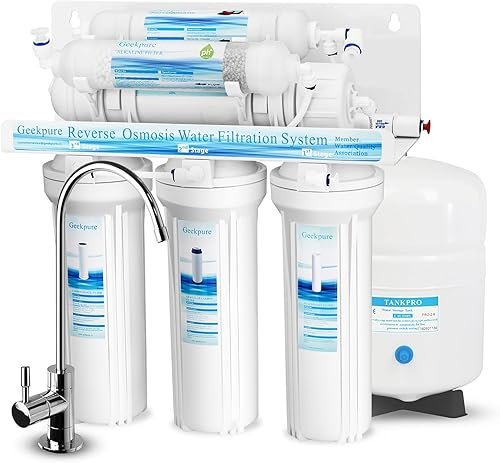
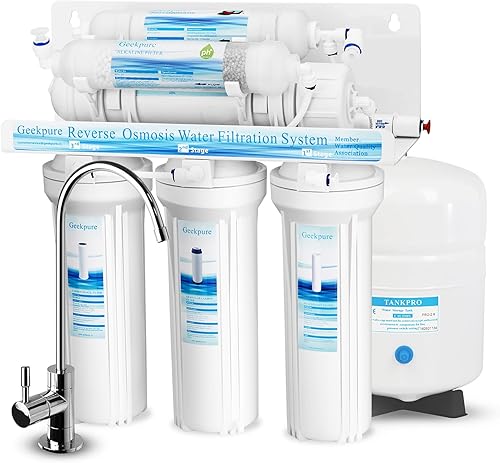
Geekpure 6-Stage Reverse Osmosis System with Alkaline Filter
This is our top recommendation for drinking water once you have a whole-house softener in place. The 6th stage adds minerals back, giving the water a more natural taste than standard RO. The NSF-certified membrane and lead-free faucet are solid touches. We’ve installed a few of these for readers—they’re reliable and the water tastes great. It’s a perfect companion system.
- Excellent 6-stage filtration
- Alkaline filter improves taste
- NSF-certified components
- Requires under-sink installation
- Creates wastewater (typical for RO)
Filtered Shower Head with Handheld
Here’s a clever add-on. Even with a whole-house softener, chlorine from a well shock or chlorinator can dry out skin and hair. This shower head’s 15-stage filter tackles that. The high-pressure design is a nice bonus if you hate weak showers. It won’t soften water, but it will polish it for a better shower experience. We found it genuinely reduces that “tight skin” feeling after bathing.
- Effective chlorine removal
- High-pressure, water-saving design
- Easy 10-minute install
- Filter cartridges need regular replacement
- Doesn’t address hardness minerals
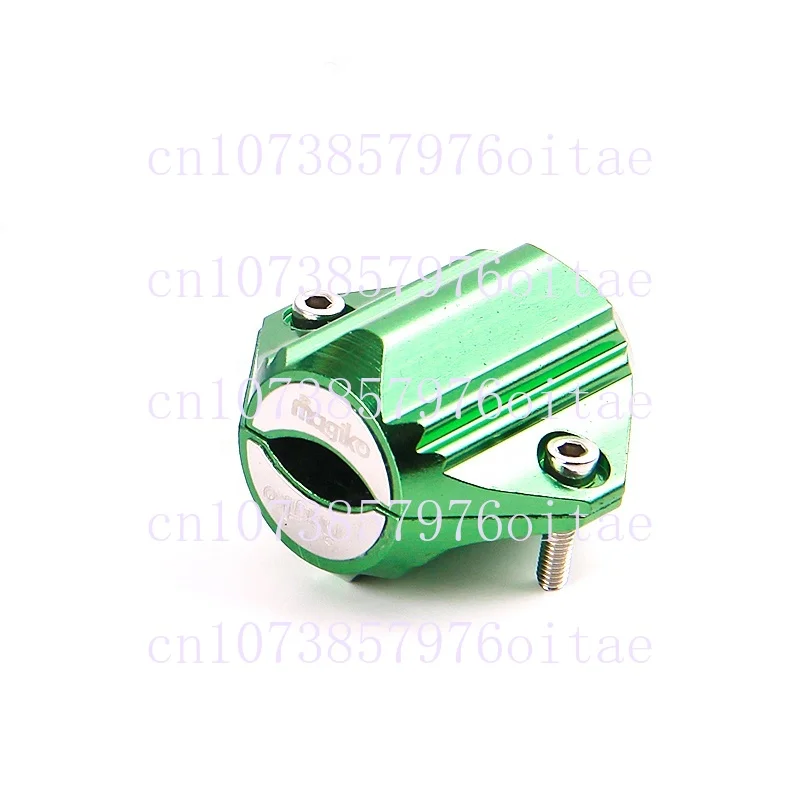
Apollo-M 7500gauss Water Softener Magnet
Let’s be clear: magnetic conditioners are not softeners. They don’t remove minerals. The theory is they alter the crystal structure of scale so it doesn’t stick as stubbornly. We were skeptical, but for $27, some readers in hard water areas report less scale on showerheads. It’s a no-salt, no-maintenance gamble. Might help a little; won’t solve serious hardness or iron issues.
- Extremely affordable
- No salt, no electricity, no maintenance
- Easy to install on pipes
- Does not actually remove hardness
- Efficacy is debated and varies
Frequently Asked Questions
- Can I use a regular water softener for my well?
- You can, but only if your water has no iron or manganese. If it does, the iron will foul the softener resin, destroying it prematurely. Always test your water first. If iron is present, you need a pre-filter or an iron-specific filter ahead of the softener.
- How often should a well water softener regenerate?
- It depends on your water hardness, iron levels, and household size. A metered system will regenerate based on actual usage—maybe every 3-7 days for a family of four. The key is to size the system correctly so it doesn’t regenerate too frequently, which wastes salt and water.
- Do I need a UV light with my softener?
- A UV light is for disinfection—killing bacteria and viruses. A softener does not purify water in that way. If your well test shows total coliform or E. coli, you need a UV system or chlorination. A softener alone won’t make bacteriologically unsafe water safe to drink.
- Will a water softener remove the rotten egg smell?
- Not a standard softener. That smell is hydrogen sulfide gas. You need a specific filter media like catalytic carbon or a manganese dioxide filter (like Pyrolox) that can oxidize and remove it. Some combo units address this, but confirm the media is designed for sulfur.
- Are salt-free water conditioners effective for well water?
- They can help with scale prevention, but they do not soften water. They also don’t remove iron. For wells with moderate hardness and no iron, they’re a low-maintenance option. But for true soft water feel and benefits, traditional ion-exchange is still the proven technology. Think of conditioners as scale inhibitors, not softeners.
- What size softener do I need for a 3-bathroom house?
- A general rule is 32,000 to 48,000 grain capacity for a 3-bath home. But this varies wildly with water hardness. A house with 50 GPG hardness needs a much larger unit than one with 15 GPG. Use your water test results and a sizing calculator—don’t just guess.
Final Thoughts
Choosing a water softener system for your well water isn’t about buying the most expensive gadget. It’s about diagnosing your water first and then prescribing the right treatment train. Start with that test. Then, invest in a quality, properly sized system from a reputable brand with a good valve. It’s one of the best upgrades you can make for your home’s comfort and longevity.
Our top recommendation for most well owners is a dedicated iron filter (if needed) followed by a metered ion-exchange softener. Pair that with a point-of-use crystal quest water filter or similar RO system for your drinking water, and you’ve got a complete, bulletproof setup. Your pipes, your appliances, and your skin will thank you.
