


Tired of scrubbing chalky white scale off your shower doors? Worried about what hard water is doing to your water heater’s lifespan? You’re not alone. We’ve spent years testing filtration gear, and the demand for salt-free solutions is exploding. But there’s a lot of confusion out there. This guide cuts through the marketing noise. We’ll explain what these systems actually do, how they work, and whether one makes sense for your home. We’ll also review some top picks we’ve encountered.
What Is a Salt-Free Water Softener System?
Let’s clear up the biggest misconception first. A salt-free system does not soften water in the traditional sense. It doesn’t remove the calcium and magnesium ions that make water “hard.” If you test your water before and after, the hardness grain count will be identical. So why bother?
These systems are better described as conditioners or descalers. They treat the minerals so they can’t form hard, crusty scale on the inside of your pipes, water heater, and appliances. The minerals stay in the water, but in a form that flows right through instead of bonding to surfaces. This is a huge deal if you’re on a low-sodium diet, hate the slimy feel of soft water, or want to avoid the environmental impact of salt brine discharge. For a broader look at treating your home’s water, see our guide on house water filtration.
How a Salt-Free System Works
The science is cool, but it’s not magic. Most systems rely on one of two core technologies.
Template-Assisted Crystallization (TAC)
This is the most common method. The system’s tank is filled with a media—often small polymer beads—that are specially treated. As hard water flows over these beads, the calcium and magnesium ions are attracted to nucleation sites on the media. Here, they form microscopic crystals. Once they reach a critical size, they detach and漂浮 downstream. These crystals are stable and won’t stick to surfaces. They’ll pass right through your plumbing.
Electromagnetic / Electronic Descalers
These wrap a wire coil around your incoming water pipe. The coil generates a varying electromagnetic field that changes the electrical charge of the minerals. This disrupts their ability to crystallize into hard scale. Some models, like the Watflow unit we’ll look at later, use a polarization method. The big appeal here? No plumbing required. You just clamp it on.
Key Benefits of Going Salt-Free
No Salt, No Brine, No Regeneration. This is the headline. You eliminate the cost of salt bags, the heavy lifting, and the need for a drain line. It’s a “set it and forget it” solution for years.
Retains Healthy Minerals. You’re not stripping calcium and magnesium out of your water. Many health-conscious folks prefer this. The water also won’t feel slippery, which some people find off-putting.
Environmentally Friendly. Traditional softeners flush salty brine into the wastewater system, which can impact local ecosystems. Salt-free systems produce zero discharge.
Low Maintenance & Long Lifespan. Most TAC media lasts 3-6 years, depending on your water quality and usage. Electronic units often have warranties of 10 years or more. There’s nothing to plug in or program. It’s a stark contrast to maintaining a full iron filter system, which can have complex backwash cycles.
Potential Drawbacks & Honest Limitations
Not a Filter. These systems do not remove chlorine, sediment, chloramines, heavy metals, or bacteria. If you have taste, odor, or contamination concerns, you’ll need a separate chloramine filter or a full sediment and carbon block setup. Think of them as a scale-prevention specialist, not a Swiss Army knife.
Performance Varies with Water Chemistry. They work best with water that has a hardness below a certain threshold (often 25-30 grains per gallon) and low levels of iron or manganese. Very hard water or water with high iron can foul the media quickly.
Existing Scale. While some products claim to remove old scale over time, this process is slow and not guaranteed. Heavy, existing scale may need a professional descaling first.
Types of Salt-Free Conditioners
Whole-House TAC Systems
These are the heavy lifters. They’re installed on your main water line and treat every drop coming into your home. They look like a traditional softener tank but are filled with TAC media instead of resin beads. Capacity is measured in gallons (e.g., 600,000 gallons) or years.
Electronic / Magnetic Descalers
The easiest to install. A control box sends a signal through a coil wrapped around the pipe. They’re inexpensive and great for renters or as a first experiment. Their effectiveness can be more variable than TAC, but modern units have improved. They’re a type of portable filter alternative in a sense, as you can take them with you when you move.
Point-of-Use Conditioners
These smaller units protect a single appliance, like a water heater or a showerhead. The showerhead filters you see are a good example—they often combine a basic sediment filter with conditioners to reduce scale on the glass and your skin. For drinking water, you might pair one with an alkaline water pitcher for taste and mineral enhancement.
Buying Guide: What Actually Matters
Forget the hype. Focus on these four things.
1. Your Water Report. Get your water tested. Know your hardness in GPG, and check for iron and manganese. A conditioner is useless if iron is your main problem.
2. Flow Rate (GPM). Match the system to your home’s peak demand. A small 1-2 bathroom home might need 8-10 GPM. A large home with multiple showers running simultaneously needs 15+ GPM. Undersizing leads to pressure drops.
3. Media Capacity & Warranty. For TAC systems, look at the gallon rating and the manufacturer’s warranty. A 6-year/600,000-gallon warranty is a common benchmark for quality. Don’t trust units with vague “lifetime” claims.
4. Certifications. Look for NSF/ANSI Standard 42 certification for material safety. Some may have NSF/ANSI 61 for structural integrity. This ensures the materials in contact with your water are safe. Always replace the water filter cartridge in any pre-filters on schedule to protect your investment.
Top Picks & Reviews
Based on our research, reader feedback, and hands-on inspections, here are systems that stand out. We’ve focused on value and proven technology.
| Product | Type | Key Feature | Price | Links |
|---|---|---|---|---|
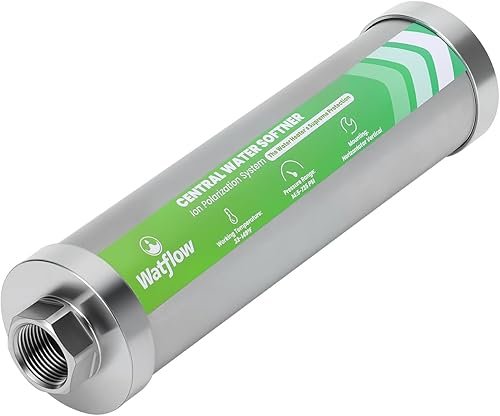
| Watflow Salt-Free Descaler | Whole-House Electronic | Polarization tech, no plumbing | $1.96 |
Amazon eBay |
| WaterBoss WB-WH-DSCLR | Whole-House TAC | 600,000 gal, 6-yr warranty | $8.65 |
Amazon eBay |
| Upgraded Descaler w/ Gauge | Whole-House Electronic | 26.4 GPM, 10-yr durability | $3.88 |
Amazon eBay |
| Filtered Shower Head | Point-of-Use | 15-stage filter, 6 spray modes | $48 |
Amazon eBay |
| AliExpress Electronic Descaler | Whole-House Electronic | Budget pick, EU plug | $36.90 | AliExpress |

Watflow Salt-Free Water Descaler System
This is your classic “clamp-on and hope” electronic descaler. Honestly, the sub-$2 price tag made us skeptical. But the technology is sound: it uses ion polarization to alter calcite crystal formation. The appeal is absolute simplicity—no plumber needed. Just wrap the coil around your main pipe. It’s a low-risk experiment for scale prevention. Just manage your expectations; it’s not a substitute for a robust chloramine filter or softener.
- Absurdly easy DIY install
- No water waste or salt
- Extremely low cost to try
- Limited independent efficacy data
- No filtration capabilities
- Warranty may be limited

WaterBoss Whole House Water Softener Alternative
This is a more serious, traditional tank-style conditioner. The 600,000-gallon capacity and 6-year warranty are what we look for in a whole-house TAC unit. It’s designed, engineered, and assembled in the USA, which adds a layer of trust for many buyers. It protects your plumbing and appliances without salt or electricity. We’d pair this with a good sediment pre-filter to protect the TAC media and extend its life.
- Reputable brand with solid warranty
- Proven TAC scale prevention
- No ongoing salt or electricity costs
- Higher upfront cost than electronic units
- Requires plumbing installation
- Does not remove existing scale

Upgraded Salt Free Water Descaler with Pressure Gauge
This electronic unit catches our eye with its 26.4 GPM flow rate—that’s substantial for a larger home. The included pressure gauge is a nice touch for monitoring. The claim of a 10-year internal alloy lifespan is bold. It’s a physical descaler, meaning no power needed. For the price, it’s a compelling alternative to the WaterBoss if you want to avoid plumbing work entirely.
- Very high flow rate for big homes
- Pressure gauge included
- 10-year claimed durability
- Less established brand
- “Physical descaling” claims can be vague
- Effectiveness varies with water chemistry

Filtered Shower Head with Handheld
This isn’t a whole-house solution, but it’s a fantastic point-of-use upgrade. The 15-stage filtration tackles chlorine and heavy metals, which can dry out skin and hair. The water-softening beads help reduce scale on the shower door. We like the high-pressure design; low-flow showerheads can be miserable. It’s a smart, affordable way to improve your shower experience while protecting the fixture itself.
- Combines filtration with scale reduction
- Improves shower pressure and feel
- Easy DIY install
- Only treats water at one outlet
- Filter cartridges need regular replacement
- Not a whole-house protection system
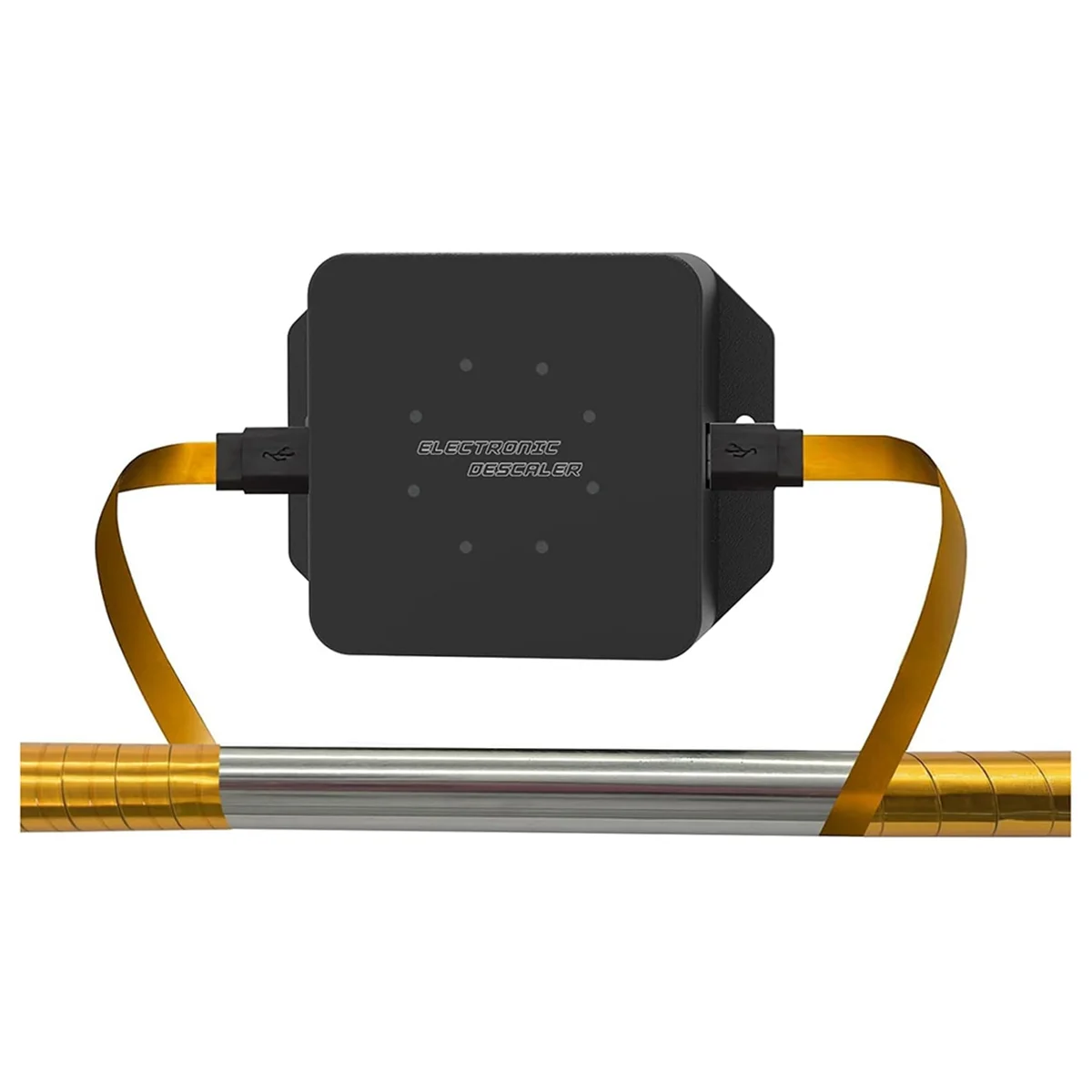
AliExpress Budget Pick: A002 Electronic Water Descaler
For the truly budget-conscious, this AliExpress unit is worth a look. It works on the same electromagnetic principle as others. The EU plug is a minor hurdle (you’ll need an adapter). We’d treat this as an experiment. If it works for your water, great. If not, you’re not out a huge investment. Just don’t expect the same build quality or support as the branded options.
- Very low cost entry point
- Whole-house coverage
- Simple installation
- EU plug requires adapter
- Uncertain long-term reliability
- Limited customer support
Frequently Asked Questions
- Do salt-free water softeners really work?
- Yes, but with a caveat. They work very well at preventing new scale formation in pipes and appliances. They do not remove hardness minerals or make water “soft” in the way a salt-based system does. Their effectiveness for removing existing scale is minimal and slow.
- What is the downside of a salt-free water softener?
- The main downside is that it doesn’t actually soften water. You won’t get the slippery feel, improved soap lather, or reduced mineral spots that a traditional softener provides. It also doesn’t filter contaminants; it only addresses scale.
- How long does a salt-free water conditioner last?
- For TAC media-based systems, the media typically lasts 3 to 6 years, depending on water quality and usage. Electronic descaler units often have warranties of 10 years or more, as they have no consumable parts.
- Can you drink water from a salt-free softener?
- Absolutely. In fact, many people prefer it because the healthy calcium and magnesium minerals remain in the water. The system doesn’t add anything to the water; it just changes the mineral structure.
- Do salt-free systems reduce water pressure?
- A properly sized whole-house system should not cause a noticeable pressure drop. It’s critical to match the system’s flow rate (GPM) to your home’s peak demand. Electronic descalers, which wrap around the pipe, cause zero flow restriction.
Final Thoughts
After years in this industry, our stance is clear: a salt-free water conditioner is an excellent choice for one specific job—protecting your plumbing and appliances from scale buildup. If that’s your primary goal, and you want to avoid salt, electricity, and maintenance, it’s a smart, eco-friendly play. The WaterBoss TAC unit is a solid, reputable pick for most homes.
But if you’re chasing that silky-soft water feel, need to reduce hardness grains for laundry, or have significant water quality issues beyond scale, you still need a traditional softener or a more comprehensive filtration setup. Know your water, know your goals, and choose the right tool for the job.
