


How to Install a Water Softener: The No-Nonsense Guide for 2026
After testing water treatment gear for over a decade, I can tell you a water softener is one of the best upgrades for a home with hard water. But buying the unit is only half the battle. Get the installation wrong, and you’re looking at leaks, poor performance, or even damage. This guide walks you through the entire process, step by step.
- What a water softener actually does and why you might need one.
- The critical pre-installation checks most guides skip.
- A clear, step-by-step walkthrough of the plumbing process.
- Our top product picks to make the job easier.
What Is a Water Softener?
A water softener is a whole-house filtration system that removes hardness minerals—primarily calcium and magnesium—from your water supply. It doesn’t just filter; it actively exchanges those hard minerals for soft sodium ions through a process called ion exchange. The result? Water that feels slippery, creates more soap lather, and stops leaving scale crust on your fixtures and inside your pipes.
We’ve seen the difference it makes. In homes with very hard water (over 10 grains per gallon), shower heads clog in months, water heaters lose efficiency fast, and glasses come out of the dishwasher looking cloudy. A softener solves that at the source. While a shower head filter can tackle chlorine for a single shower, a whole-house softener protects every faucet, appliance, and pipe in your home.
How a Water Softener Works
Understanding the basics helps you install it correctly. The system has two main tanks: a mineral tank (filled with resin beads) and a brine tank (for salt).
The Ion Exchange Process
Your hard water flows into the mineral tank. The resin beads are charged with sodium ions. As water passes, the beads grab the calcium and magnesium ions and release their sodium into the water. That’s the “softening.” Eventually, the beads get coated with hardness minerals and need cleaning.
The Regeneration Cycle
This is the system’s self-cleaning mode. The control valve triggers a backwash, flushing the mineral tank. Then, brine (saltwater) from the brine tank flows in, washing the hardness minerals off the resin and down a drain. The beads are recharged with sodium, and the system is ready to soften again. Most units are set to regenerate at 2 AM to avoid interrupting your water use.
Key Benefits of Installing One
Appliance Longevity: Scale buildup is an appliance killer. It coats heating elements in water heaters and coffee makers, making them work harder and fail sooner. A softener can extend the life of your water heater by years.
Cleaner Everything: Soap and detergents lather properly in soft water. You’ll use less shampoo, laundry detergent, and dish soap. Your clothes will feel softer, and your shower doors will stay clear.
Softer Skin and Hair: This is the benefit people notice first. Hard water leaves a film on skin and makes hair dull. Soft water rinses clean. Many of our readers report less dry, itchy skin after installing a system.
Plumbing Protection: Scale narrows pipes over time, reducing water pressure. It’s a slow, expensive problem you won’t see until it’s severe. Preventing it from the start is smart.
Potential Drawbacks & Considerations
Ongoing Cost: You’ll need to buy salt or potassium chloride pellets regularly. Budget about $10-$20 per month. The system also uses water during its backwash cycle.
Maintenance: It’s not “set and forget.” You need to check the salt level monthly, break up salt bridges if they form, and clean the brine tank once a year. Neglect this, and the system stops working.
Space Requirements: You need room for two tanks near your main water line, usually in a garage, basement, or utility closet. Measure your space before you buy.
Types of Water Softening Systems
Traditional Ion-Exchange Softeners
This is the most common and effective type for dealing with true hardness. They require salt and a drain for regeneration. If you have very hard water, this is likely what you need. Systems like the kinetico water softener system are high-end examples of this technology, known for their efficiency and lack of electricity requirement.
Salt-Free Water Conditioners
These don’t remove hardness minerals. Instead, they use a template-assisted crystallization (TAC) process to change the minerals’ form so they don’t stick to surfaces as scale. They’re lower maintenance but less effective on very hard water. They’re conditioners, not true softeners.
Dual-Tank Softeners
Great for large families or very hard water. One tank is softening while the other is regenerating, so you never have a period of hard water. They cost more and take up more space but offer uninterrupted soft water.
Buying Guide: What Actually Matters
Grain Capacity: This is the most important spec. It tells you how many hardness grains the system can remove before needing regeneration. Calculate your need: (Number of people in home) x (75 gallons/day average use) x (your water’s hardness in grains per gallon). A family of four with 15 GPG water needs a system rated for at least 45,000 grains.
Efficiency Rating: Look for systems certified by the Water Quality Association (WQA) to NSF/ANSI Standard 44. This certifies hardness reduction and efficiency. A more efficient system uses less salt and water per regeneration.
Control Valve Type: Metered (demand-initiated) valves are better than timer-based ones. They regenerate based on actual water use, saving salt and water. This is a feature we always recommend spending a little extra on.
Installation Compatibility: Check your home’s plumbing size (usually 1″ or 3/4″) and the location of your main shut-off valve. Some systems come with bypass valves and flexible connectors that make installation much easier.
Our Top Picks for Installation
While we’re focused on whole-house systems today, these shower filters are excellent complementary products for targeted treatment or rental homes where you can’t install a full softener.
| Product | Key Feature | Price | Links |
|---|---|---|---|
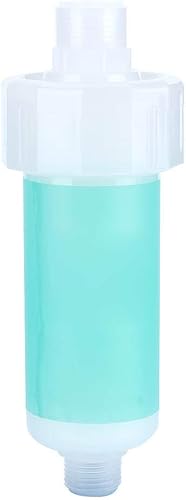 |
Quick-install filter with jasmine scent. No tools needed. | $33 |
Buy on Amazon Buy on eBay |
 |
15-stage filtration, high-pressure design, handheld included. | $48 |
Buy on Amazon Buy on eBay |
Shower Water Filter for Hard Water – Removal Bath Purifier with Vitamin C & Jasmine Fragrance
This is a neat little stop-gap or rental solution. It screws on between your shower arm and head in under two minutes flat. The jasmine scent is pleasant, and the activated carbon does a decent job on chlorine. It’s not a softener—it won’t remove calcium—but for skin comfort in a pinch, it’s solid. The replaceable cartridge design is smart for the price.
- Extremely easy, tool-free install
- Pleasant fragrance addition
- Low-cost entry point
- Does not soften water (mineral removal)
- Cartridge needs frequent replacement
- Scent may not be for everyone
Filtered Shower Head with Handheld, High Pressure 6 Spray Mode Showerhead
This is a more robust shower filtration option. The 15-stage filter tackles chlorine, heavy metals, and other impurities that can affect skin and hair. The handheld design is great for rinsing, and the pressure-boosting tech actually works on low-pressure lines. Again, it’s a shower filtration unit, not a whole-house softener, but it’s an excellent upgrade for the bathroom. For a more targeted approach, a handheld water filter like this offers flexibility.
- Effective multi-stage filtration
- Handheld adds versatility
- Good water pressure even with filter
- Still doesn’t remove hardness minerals
- Filter replacement adds to long-term cost
- Plastic construction may not feel premium
Frequently Asked Questions
- Can I install a water softener myself?
- Yes, if you’re comfortable with basic plumbing—cutting pipes, using a torch or push-fit connectors, and following local codes. The most common DIY mistake is an improper drain line with no air gap. If you’re unsure, hire a plumber. A bad install can cause water damage.
- Where should I install the water softener?
- Install it on the main water line after the meter and before the water heater. It needs to be indoors or in a protected space where it won’t freeze. You’ll need a power outlet nearby for the control valve and a floor drain for the discharge line.
- How long does installation take?
- For a DIYer with some experience, plan for 4-6 hours. A professional plumber can usually do it in 2-3 hours. The time varies based on your home’s plumbing accessibility and the type of connectors you use.
- Do I need a separate drinking water line?
- It’s a good idea. Softened water has slightly higher sodium. Many people install a simple undersink reverse osmosis filter for drinking and cooking water. Some plumbers can run a dedicated cold water line to the kitchen tap that bypasses the softener.
- Will a water softener remove iron or chlorine?
- Standard softeners are not designed for iron. If you have iron in your water, you need a dedicated iron water filter before the softener. For chlorine, a whole-house carbon removal filter is the right tool for the job.
- How often do I need to add salt?
- Check the brine tank monthly. You typically need to add salt every 4-8 weeks, depending on your water usage and hardness. Keep the salt level at least half-full, but don’t overfill it. The tank should never be more than two-thirds full.
Final Thoughts
Installing a water softener is a real project, but it’s not beyond a skilled DIYer. The key is preparation: get your water tested, buy the right size unit, and take your time with the plumbing. The payoff is huge—softer water throughout your home, protected appliances, and that clean feeling after a shower. We’ve seen it transform homes with hard water problems.
If the full installation seems daunting, start with a quality shower filter from our picks above. It’ll give you a taste of the benefits. But for whole-house protection, the softener is the real deal. Just remember to maintain it. A little salt and an annual check-up will keep it running smoothly for 15-20 years.
