


Hard water is a silent nuisance. It leaves spots on your dishes, scale in your kettle, and can make your skin feel dry. You’ve probably considered a water softener, but the price tag gave you pause. That’s where water softener rental enters the picture. We’ve spent years testing systems and talking to homeowners who’ve gone both routes. This guide will walk you through everything: what rental really means, if it’s worth your money, and how to choose a plan that doesn’t lock you into a bad deal.
Here’s what we’ll cover:
- What a water softener rental agreement actually entails
- The step-by-step process from sign-up to softened water
- The honest benefits and the drawbacks companies won’t mention
- A breakdown of different rental models and our top picks for 2026
What Is Water Softener Rental?
Forget the old lease-a-car model. A water softener rental is a service agreement. You pay a monthly or annual fee to a company, and they provide, install, and often maintain a whole-house ion-exchange softener for your home. It’s not a rent-to-own scheme by default—though some contracts offer that path. Think of it as subscribing to soft water.
This model has surged in popularity for one simple reason: it removes the biggest barrier to entry. A quality, professionally installed softener can cost $2,000 to $5,000 upfront. Rental turns that into a predictable operating expense, often between $30 and $80 per month. It’s a fundamentally different value proposition, much like the choice between buying a kinetico water softener outright or accessing its technology through a service.
How Does Renting a Water Softener Work?
The process is designed to be hands-off for you. Here’s the typical flow.
1. The Assessment & Agreement
A technician will test your water hardness (measured in grains per gallon) and assess your plumbing. They’ll recommend a system size based on your water usage and hardness level. You’ll then review a service contract—read this carefully. Pay attention to the term length, what “maintenance” includes, and the cancellation policy.
2. Installation Day
The company handles everything. They’ll install the softener tank, the brine tank, and connect it to your main water line and a drain. A proper installation is critical. We’ve seen DIY jobs lead to leaks or improper drainage that can damage the unit. A professional install ensures it’s integrated correctly, much like you’d want for an under sink kitchen filter, just on a whole-house scale.
3. Ongoing Service & Salt Delivery
This is the core of the rental value. The company typically handles all salt refills (or potassium chloride) and performs annual or bi-annual system check-ups. If the unit malfunctions, they repair or replace it. You just enjoy the soft water and pay your bill.
Key Benefits of Renting
Low to No Upfront Cost: This is the headline advantage. You get a professionally installed, whole-house solution without draining your savings. It’s cash-flow friendly.
All-Inclusive Maintenance: You’ll never haul a 40-pound bag of salt again. You don’t have to worry about diagnosing a fault code. One call handles it. For busy households, this convenience is huge.
Try Before You Buy (or Just Try): Not sure how much you’ll love soft water? Renting lets you experience the benefits—less soap scum, softer laundry, smoother hair—without a permanent commitment. It’s a valid way to test the technology.
Modern, Efficient Equipment: Rental companies often provide newer, high-efficiency models that use less salt and water during regeneration. They want to minimize their service calls, so they supply reliable gear. This is a different consideration than choosing a simple sediment filter system; it’s about ongoing performance.
Potential Drawbacks to Consider
Limited Choice: You’re stuck with the brands and models the rental company offers. You can’t shop for the most efficient or feature-rich unit on the market.
Contractual Obligations: Many plans require a 1-3 year minimum commitment. Early termination fees can be steep. You’re essentially locked into a service subscription.
It’s Not Truly “Yours”: At the end of the contract, if you don’t renew or buy it out, the company takes their unit back. All your payments were for access, not ownership. For some, this feels like throwing money away. It’s a different mindset from installing a permanent point of use system at a specific tap.
Types of Rental Agreements
Standard Lease Agreement
You pay a fixed monthly fee for a set term (12-36 months). The fee covers the equipment, installation, and basic maintenance (salt, check-ups). At the end of the term, you can often renew, return the unit, or sometimes purchase it for a fair market value.
Rent-to-Own Agreement
A portion of your monthly payment goes toward the eventual purchase of the unit. After the term (often 3-5 years), you own it outright. The monthly fee is usually higher than a standard lease. Crunch the numbers—sometimes the total cost is similar to just buying upfront.
Month-to-Month Service Plan
Less common but offered by some local dealers. You pay a higher monthly rate for ultimate flexibility with no long-term contract. This is great if you might move soon, but you’ll pay a premium for that freedom.
Buying Guide: What to Look For in a Rental Plan
Not all rental contracts are created equal. Here’s what we scrutinize.
Transparency in Pricing: The monthly fee should be clear. Ask about any potential extra charges for service calls outside of routine maintenance, or for salt delivery fees.
Contract Term & Exit Clauses: Understand the minimum term and the cost to exit early. A reasonable plan might be a 1-year initial term, converting to month-to-month.
Maintenance & Repair Guarantees: Get in writing what’s included. Does “parts and labor” cover a control valve failure? Is there a guaranteed response time if your water goes hard?
Equipment Specifications: Ask for the model number. Look up its grain capacity and efficiency rating (often called the “salt efficiency” or “water efficiency”). A higher capacity unit regenerates less often, saving water and salt.
Buyout Options: Know your choices at the end. Is there a $1 buyout? A fair market value option? Or do you just hand it back? This is crucial for your long-term financial calculation.
And remember, a rental softener solves hard water at the whole-house level. For specific contaminants, you might still need additional filtration, like an emergency water filter for storage or a dedicated drinking water system.
Top Picks & Shower Filter Alternatives (2026)
While whole-house rental is our focus, many readers start their hard water journey in the shower. A shower filter won’t soften water (remove calcium/magnesium), but it can reduce chlorine and sediments that irritate skin. Here are solid options if you’re not ready for a whole-house commitment.
| Product | Key Feature | Price | Links |
|---|---|---|---|
 |
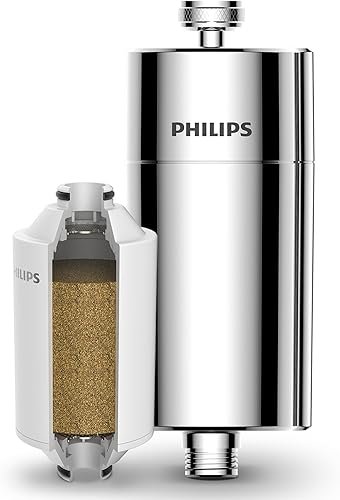
50,000L capacity, hot/cold water safe | $61 |
Buy on Amazon Buy on eBay |
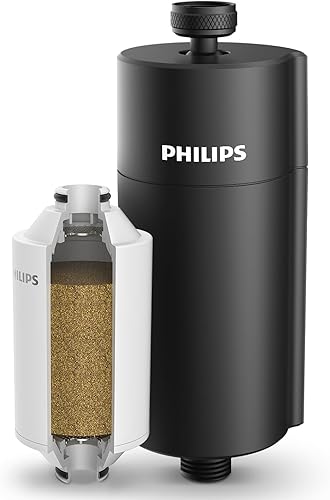 |
NSF 177 certified KDF, black finish | $45 |
Buy on Amazon Buy on eBay |
 |
Tool-free Velcro install, 2,500 gal | $18 |
Buy on Amazon Buy on eBay |
 |
15-stage filtration, 6 spray modes, high pressure | $48 |
Buy on Amazon Buy on eBay |
Philips 3-Stage Shower Filter Review
This is a workhorse filter we’ve recommended before. The 50,000-liter capacity is massive, meaning you’ll only swap it out twice a year in most homes. It uses KDF material, which is particularly good at handling chlorine filtration and some heavy metals. The build feels solid, and it works with both hot and cold lines without issue. Just remember: it does not soften water. It’s a pre-filter for your shower, not a softener.
- Exceptionally high filtration capacity
- NSF-certified materials in similar models
- Simple, reliable installation
- Does not reduce TDS or hardness minerals
- Filter replacement cost adds up over years
Filtered Shower Head with Handheld Review
This one packs a lot into a sub-$50 package. The 15-stage filtration is marketing-speak for a blend of KDF, calcium sulfite, and other media—it does a decent job on chlorine and rust. The real standout is the pressure-boosting tech. If you have low water pressure, this head makes a noticeable difference. The handheld function is a huge plus for cleaning the shower or bathing pets. It’s a solid two-in-one upgrade.
- Excellent water pressure boost
- Versatile handheld design
- Multi-stage filtration for the price
- Plastic construction may not last as long as metal
- Filter media life isn’t specified clearly
Budget-Friendly Alternatives
If you’re on a super tight budget or need a portable solution, these AliExpress finds are worth a look. They’re not filtration powerhouses, but they serve a purpose.

This isn’t a filter at all—it’s a reminder. The best way to avoid contaminants in questionable tap water is to carry your own clean water. This graduated, BPA-free bottle is cheap and cheerful. We keep one in the gym bag. It’s a simple, effective habit.

For cyclists and hikers, a leak-proof bottle is non-negotiable. This one gets the job done for under $4. It’s not insulated, but it’s lightweight and fits standard bike cages. Perfect for carrying water you’ve already filtered at home.
Frequently Asked Questions
- Is renting a water softener cheaper than buying?
- In the short term (1-3 years), yes. It avoids a large upfront payment. However, over a 5-10 year horizon, the total rental cost will almost always exceed the purchase price of a comparable system. You’re paying a premium for convenience and bundled service.
- What happens at the end of a water softener rental?
- It depends on your contract. Typically, you have three options: renew the rental agreement, return the equipment to the company, or exercise a buyout clause to purchase it. Always clarify these terms before signing.
- Can I rent a water softener if I’m a renter?
- Absolutely. This is one of the best use cases for rental. You’ll need your landlord’s written permission for the installation, which involves plumbing modifications. Get that in writing first. A portable, non-invasive option like a shower filter might be an easier first step.
- Do water softener rentals include salt?
- Most reputable rental agreements include salt delivery and system refills as part of the monthly fee. This is a major convenience factor. However, always confirm this in the contract to avoid surprise charges.
- What’s the difference between a water softener and a shower filter?
- A water softener removes hardness minerals (calcium, magnesium) via ion exchange, affecting your whole house. A shower filter primarily reduces chlorine, sediments, and odors using media like KDF or carbon. It does not soften water. One solves scale, the other improves shower water feel.
- Can I install a rental water softener myself?
- It’s highly unlikely. Rental companies insist on professional installation to protect their equipment and ensure it’s done correctly. This is part of the service you’re paying for. A improper install can lead to leaks, water damage, and voided warranties.
Final Thoughts
So, is water softener rental right for you? If you’re a renter, plan to move within a few years, or simply dread the idea of maintenance and large purchases, it’s a compelling option. The peace of mind and predictable cost have real value. We’ve seen it work beautifully for many readers.
But if you’re a homeowner settled for the long haul, do the math. The break-even point where buying becomes cheaper often arrives sooner than you think. Run the numbers for a 5, 7, and 10-year period. You might find that owning, despite the upfront hit, is the smarter financial move. Either way, tackling your hard water is a win for your home and your comfort.
