


You’ve installed a water softener. Your skin feels better, the soap lathers like a dream, and those ugly bathtub rings are gone. But now you’re staring at the kitchen tap, wondering: Can I actually drink this stuff? After testing systems for years and talking to countless homeowners, I get the hesitation. Let’s clear up the confusion for good.
This guide covers:
– What soft water actually is and how it’s made
– The real science behind the sodium question
– Why the taste changes (and what you can do about it)
– When you might want a separate drinking water line
– Our top product picks for enjoying soft, tasty water
What Is Soft Water?
Soft water is simply water with low concentrations of calcium and magnesium ions. These are the minerals that make water “hard,” causing scale buildup in pipes and making it tough to get a good lather. A water softener removes them through a process called ion exchange, swapping the calcium and magnesium for sodium ions.
The result is water that’s kinder to your plumbing, appliances, and skin. But that sodium swap is the root of all the drinking water concerns. The amount added depends on how hard your water was to begin with—harder water means more sodium is released during the softening process.
How Water Softeners Work
The Ion Exchange Process
At the heart of a traditional softener is a tank filled with resin beads. These beads are charged with sodium ions. As hard water flows through, the calcium and magnesium ions are attracted to the beads and stick, displacing the sodium into the water. Every few days, the system regenerates, flushing the trapped minerals away and recharging the beads with a new brine solution.
The Sodium Question
This is the core of the safety debate. Let’s use numbers. If your water has 10 grains per gallon (GPG) of hardness—which is moderately hard—the softener will add about 18 mg of sodium per 8-ounce glass. An 8-ounce glass of low-fat milk has about 120 mg. The FDA classifies water with less than 20 mg per liter as “very low sodium.” For most people, this is negligible. But if you’re on a strict, doctor-prescribed low-sodium diet for heart or kidney issues, every milligram counts. For a deeper dive into what’s in your water, our guide on drinking water quality is a great resource.
Key Benefits of Soft Water
Scale-Free Plumbing: This is the big one. Soft water prevents limescale buildup inside your water heater, pipes, and kettle. Your appliances last longer and run more efficiently. We’ve seen kettles in hard water areas caked with scale in months; with soft water, they stay clean for years.
Less Soap, Better Lather: You’ll use significantly less shampoo, body wash, and laundry detergent. The soap works as intended, leaving your skin and hair feeling smoother. It’s a tangible difference you’ll notice in the shower.
Cleaner Dishes and Surfaces: Say goodbye to those chalky spots on your glass shower door and dishes. Everything comes out cleaner with less scrubbing.
Potential Drawbacks for Drinking
Taste Alteration: Many people find soft water has a different mouthfeel. It’s not a bad taste, just… different. Some describe it as flat or slightly salty. This is often the biggest hurdle for households. If you’re used to the crisp taste of mineral-rich hard water, soft water can be a letdown.
Sodium Intake: As we covered, it’s minimal for most. But if your source water is extremely hard (over 20 GPG), the sodium addition can become more significant. It’s worth calculating, especially if you drink a lot of water straight from the tap.
Not a Purifier: A softener does one thing: remove hardness minerals. It won’t touch chlorine, lead, bacteria, pesticides, or other contaminants. For comprehensive treatment, you need a full home water filtration system. A softener is often one piece of a larger puzzle.
Types of Water Softening Systems
Salt-Based Ion Exchange
The traditional, most common type. Highly effective at removing hardness. Requires salt (sodium chloride or potassium chloride) for regeneration. This is the system that adds sodium to your water.
Salt-Free Water Conditioners
These don’t remove hardness minerals. Instead, they use a template-assisted crystallization (TAC) process to change the structure of the minerals, preventing them from forming scale. They add no sodium and are often marketed as “descalers.” The water remains “hard” but won’t scale as easily.
Dual-Tank Systems
Perfect for large families or very hard water. One tank is in service while the other regenerates, providing an uninterrupted supply of soft water. They’re more expensive and take up more space.
Buying Guide: Making the Right Choice
Test Your Water First: Don’t guess. Get a lab test or a reliable test kit. Know your hardness level in GPG and check for other contaminants like iron or sulfur. If you have these, you might need a combo system or a dedicated iron and sulfur filter before the softener.
Calculate Sodium Impact: Use your hardness number to estimate the sodium added per glass. If it concerns you, plan for a separate drinking water line.
Consider a Bypass for the Kitchen: A very common and smart solution is to install the softener to treat all water except the cold water line to your kitchen tap. This gives you soft water for showers and laundry, but hard (mineral-rich) water for drinking and cooking. It’s the best of both worlds.
Think About Taste: If you soften all your water and dislike the taste, a simple under-sink carbon water filter can polish the water, removing any residual chlorine or off-tastes, making it perfect for drinking. For the ultimate in purity, a reverse osmosis system under the sink will remove the added sodium and everything else.
Top Picks for Better-Tasting Soft Water
Whether you want to enjoy your soft water as-is or enhance it with flavor, these products are popular with our readers.
| Product | Key Feature | Price | Links |
|---|---|---|---|
 |
Pre-flavored, zero-calorie sparkling option | $25 | Buy on AmazonBuy on eBay |
 |
Scent-based flavoring, no sugars or sweeteners | $94 | Buy on AmazonBuy on eBay |
 |
Larger 800ml capacity, same scent technology | $99 | Buy on AmazonBuy on eBay |
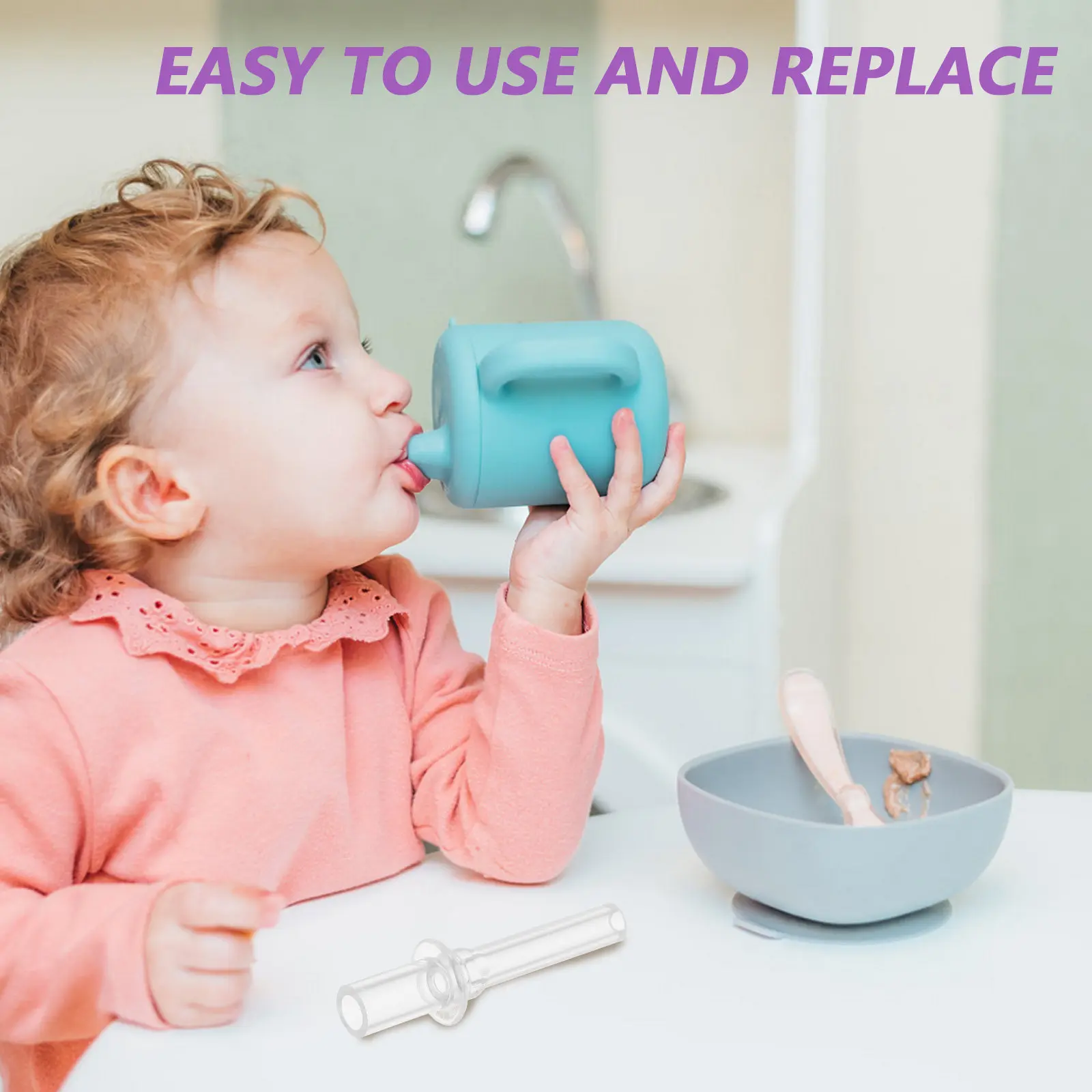 |
Budget-friendly accessory for kid-safe drinking | $5.28 | Buy on AliExpress |
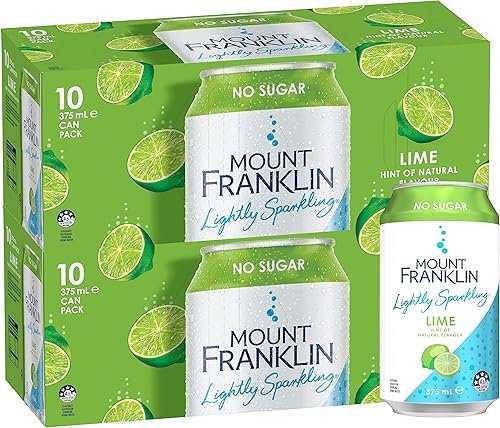
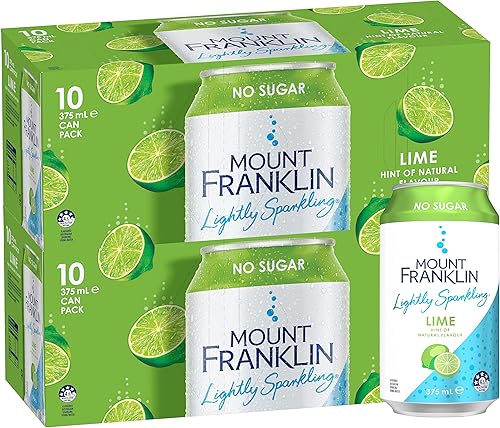
Mount Franklin Lightly Sparkling Water Lime Multipack
If you’re looking for a ready-to-drink option that bypasses the soft water taste entirely, these are a solid choice. The lime flavor is subtle, not overpowering, and the mini cans are perfect for portion control. We keep a pack in the fridge for guests who aren’t used to soft water. It’s a simple, no-calorie way to add variety.
- Convenient, pre-portioned cans
- No sugar or artificial sweeteners
- Refreshing lime flavor
- Creates can waste
- Not a permanent hydration solution
- Cost adds up over time
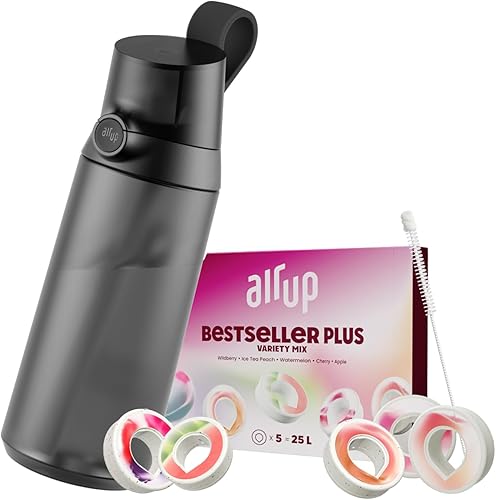
air up Original Starter Set (600ml, Black)
This system is genuinely clever. It uses scent to trick your brain into tasting flavor in plain water. We tested it with our softened tap water, and the fruit pod flavors are surprisingly convincing. The bottle is well-made and dishwasher-safe. It’s an investment, but a great way to make soft water more appealing, especially for kids or anyone missing flavored drinks.
- Zero calories, sugars, or sweeteners
- Encourages drinking more water
- Fun, innovative technology
- High upfront cost
- Pods are a recurring expense
- Flavor is scent-based, not for everyone
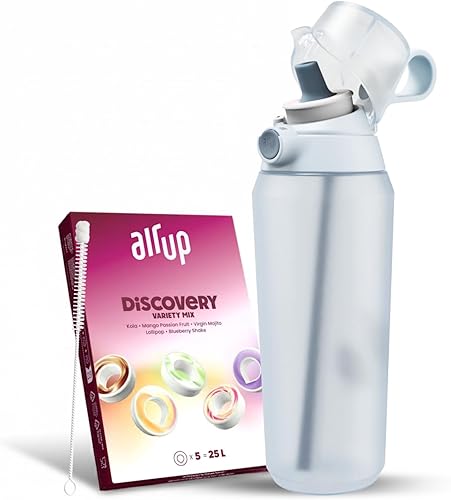
air up Click Starter Set (800ml, Glacier Blue)
The same great scent-based technology in a larger 800ml bottle. If you drink a lot of water throughout the day, this size means fewer refills. The Glacier Blue color is sharp. Honestly, the core tech is identical to the 600ml version—so choose based on your capacity needs and color preference. The starter set gives you five flavors to find your favorite.
- Larger capacity for heavy water drinkers
- Includes 5 flavor pods to start
- BPA-free and dishwasher-safe
- Most expensive option upfront
- Same recurring pod cost
- Larger bottle is less portable
AliExpress Budget Pick: Silicone Straw Tips (10Pcs)
A simple, practical accessory. If you’ve got kids using soft water in their bottles, these food-safe silicone tips make drinking more comfortable and prevent the hard plastic straw from bumping their teeth. For a few bucks, it’s a no-brainer upgrade to any reusable bottle. We’ve found they fit most standard straws and are easy to clean.
- Extremely affordable
- Soft, safe material for children
- Leak-proof design
- Only an accessory, not a solution
- Quality can vary on AliExpress
- Small parts, not for toddlers
Frequently Asked Questions
- Is soft water safe for babies and formula?
- Generally, yes. The sodium levels are low. However, for mixing infant formula, many pediatricians recommend using low-sodium water. If you have a softener, consider using filtered drinking water from a reverse osmosis system or bottled water for formula to be extra cautious.
- Does soft water cause corrosion in pipes?
- Pure soft water can be slightly more aggressive, but a properly sized and maintained softener won’t cause corrosion in modern plumbing. The bigger corrosion risk comes from very low pH (acidic water), which a softener does not address.
- Can I use a water softener with a septic system?
- Yes, according to most research. The regeneration discharge is salty, but the volume is small and often beneficial for the bacterial action in a septic tank. Check local regulations, as some areas have restrictions.
- Why does my soft water feel slimy?
- That “slippery” feeling is actually your natural skin oils. Hard water reacts with soap to form a “soap scum” layer that you can feel. Soft water rinses completely clean, leaving your skin’s natural oils intact. It’s not residue; it’s your real skin.
- Do I still need a filter if I have a water softener?
- Absolutely. A softener only removes hardness minerals. It does nothing for chlorine, sediment, lead, or organic compounds. For safe, great-tasting drinking water, you need a dedicated filter system. They serve different purposes.
- How often should I add salt to my softener?
- It depends on your water usage and hardness. Check the brine tank monthly. Keep it at least half full, but don’t overfill. The salt level should always be a few inches above the water level. Use high-purity salt pellets for best results.
Final Thoughts
So, is soft water safe to drink? For the vast majority of people, the answer is a clear yes. The sodium added is nutritionally insignificant for most diets. The real decision comes down to personal preference on taste and any specific health considerations you might have.
Our recommendation after years of testing? Soften your whole house to protect your plumbing and enjoy the shower benefits. Then, for your kitchen drinking water, install a simple point-of-use filter—like a carbon block or reverse osmosis system. This gives you the best of both worlds: soft water everywhere, and crisp, pure, low-sodium water straight from the tap. It’s the setup we use in our own homes.
