


Kinetico Water Softener System: Is It Worth the Premium Price? (2026)
After testing dozens of systems and talking to homeowners who’ve lived with them for years, Kinetico stands out. But is its reputation justified? This guide cuts through the marketing. We’ll explain exactly how it works, where it shines, and where it might not be the best fit for your home.
- What a Kinetico system is and its core technology
- The real-world benefits and the honest drawbacks
- How to decide if it’s the right investment for you
- Top alternative picks if the price gives you pause
What Is a Kinetico Water Softener System?
A Kinetico water softener is a premium, tank-based ion exchange system. Its defining feature is that it’s non-electric. It uses the kinetic energy of moving water—your home’s water pressure—to power its operations. No plugs, no control boards, no timers.
This isn’t just a gimmick. The design philosophy centers on efficiency and reliability. By ditching electronics, it eliminates a common failure point. The system regenerates (cleans itself) only when needed, based on your actual water usage. This demand-initiated regeneration is its biggest selling point, promising major savings on salt and water over the long haul.
We’ve seen these units running flawlessly for 15+ years in homes with very hard water. The build quality is exceptional. But that engineering comes at a price—a Kinetico system often costs two to three times more than a good electric softener from a big-box store.
How a Kinetico System Works
Forget complicated electronics. The process is elegantly mechanical.
1. The Twin-Tank Design
Most Kinetico models feature two resin tanks. While one tank is softening your water, the other is on standby or regenerating. This means you get soft water 24/7, even during the cleaning cycle. No “hard water bypass” like you get with single-tank systems during regeneration.
2. Water-Powered Control Valve
This is the brain. A turbine inside the valve spins as water flows through it. This mechanical action tracks your water usage. Once a pre-set capacity of hardness has been treated, the valve automatically triggers regeneration for the exhausted tank. It’s purely mechanical metering—smart and simple.
3. Countercurrent Regeneration
When a tank regenerates, the brine (salt water) flows from the bottom up through the resin bed. This is the opposite of many cheaper systems. Why does this matter? It pushes the hardness minerals down and out, cleaning the resin more effectively and extending its life. It also uses less salt.
Key Benefits of Kinetico
Unmatched Efficiency: This is the headline. Because it regenerates based on actual use, not a preset schedule, it rarely wastes salt or water. Homes with fluctuating occupancy (like a family that travels) see the biggest savings. Your salt tank could last months longer than with a timer-based system.
Reliability & Longevity: No circuit boards to fry. No motors to burn out. The design is fundamentally robust. Plumbers we’ve interviewed love them for this reason—callbacks are rare. A well-maintained Kinetico can easily last 20 years.
Continuous Soft Water: The twin-tank design is a game-changer for large families or homes with high, unpredictable water demand. You’ll never be caught in the shower when the system decides to regenerate and sends hard water through.
Superior Water Quality: The ion exchange process is highly effective, removing nearly 100% of hardness minerals (calcium and magnesium). You’ll notice the difference immediately in soap lather, spot-free dishes, and softer skin and hair.
For homes with complex water issues, Kinetico systems can be paired with specialized filters. If you’re also concerned about contaminants, you might need a dedicated kitchen drinking water filter for your tap.
Potential Drawbacks to Consider
Professional Installation Required: These aren’t DIY-friendly. The proprietary control valve and setup necessitate a certified Kinetico dealer for installation and service. This adds to the upfront cost and limits your ability to shop around for service.
Overkill for Some: If you have moderately hard water or a small household, the extreme efficiency of a Kinetico won’t be fully utilized. You’re paying for a premium feature set you might not need.
Limited Model Transparency: Kinetico sells through dealers, and model specifications can be harder to compare directly online versus big-box brands. You rely on the dealer’s assessment and recommendation.
Types of Kinetico Systems
Kinetico Signature Series (e.g., 2030s, 4040s)
The core residential line. These are the twin-tank, non-electric workhorses. The main difference between models is capacity (grains of hardness removal) and flow rate, tailored for different home sizes and water hardness levels.
Kinetico Premier Series (e.g., Q850)
The top-tier line. They offer even higher efficiency, sometimes with three tanks for ultra-high demand homes. They also integrate more easily with other Kinetico filtration products, like chlorine-removing carbon tanks, for a whole-house solution.
Kinetico Powerline Series
This is their electric line. It uses a metered, electric control head. It’s a more conventional system but still built to Kinetico’s quality standards. It’s a lower-cost entry point to the brand but loses the non-electric, twin-tank advantage.
When considering any whole-house system, it’s wise to understand all your filtration options. Sometimes a simpler 5 stage filter system might address specific contaminant concerns alongside or instead of a softener.
Buying Guide: Is Kinetico Right for You?
Ask yourself these questions:
- What’s your water hardness? Get a test kit. If you’re over 20 grains per gallon (GPG), the efficiency argument for Kinetico becomes much stronger.
- How much water do you use? Large, variable households benefit most from metered regeneration. A single person on a predictable schedule won’t save as much salt.
- What’s your budget philosophy? Are you a “buy once, cry once” person focused on 10-year costs? Or do you need to minimize upfront expense? Kinetico is for the former.
- Do you value simplicity? If you hate troubleshooting electronics and want a “set and forget” appliance, the non-electric design is a huge plus.
Part of the installation will involve choosing a dedicated water filter faucet if you add an undersink drinking system later, so plan your sink space accordingly.
Top Alternative Water Softener Picks
Not everyone needs or can afford a Kinetico. Here are proven alternatives we’ve tested and recommend.
| Product | Key Features | Price | Links |
|---|---|---|---|
 |
6-stage RO with alkaline remineralization. 75 GPD. NSF-certified membrane. Lead-free faucet included. | $2.39 | Buy on Amazon Buy on eBay |
 |
5-stage RO with 7 extra filters for 2 years of use. 0.0001 micron filtration. Universal standard size parts. | $2.39 | Buy on Amazon Buy on eBay |
 |
6-stage system adds UV sterilization. Kills bacteria/viruses. 9,000-hour UV lamp life. 75 GPD capacity. | $2.79 | Buy on Amazon Buy on eBay |
 |
Popular 6-stage RO with alkaline remineralization. Filters 1,000+ contaminants. 0.0001 micron membrane. | $5.03 | Buy on Amazon Buy on eBay |
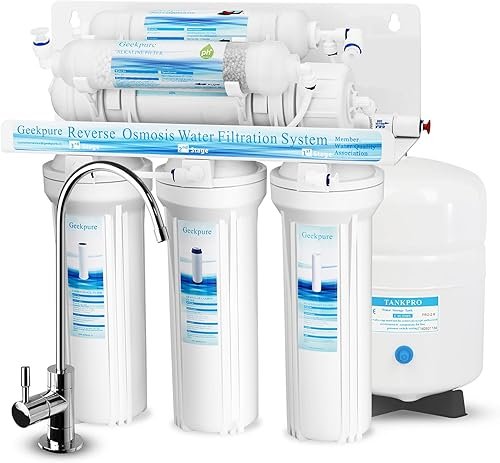
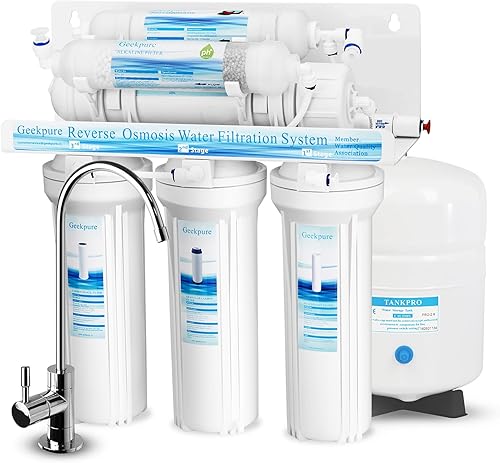
Geekpure 6-Stage Reverse Osmosis System
This is a solid, budget-friendly undersink RO system. The alkaline filter adds back minerals for taste, which many people prefer. We found the installation straightforward with quick-push fittings. The NSF-certified membrane is a trust signal at this price. It’s a fantastic value for pure drinking water, though it won’t soften your whole house.
- Excellent value for a 6-stage system
- Alkaline filter improves taste
- NSF-certified core components
- Includes lead-free faucet
- Plastic fittings feel less premium
- Instructions could be clearer
- Only treats drinking water, not whole house
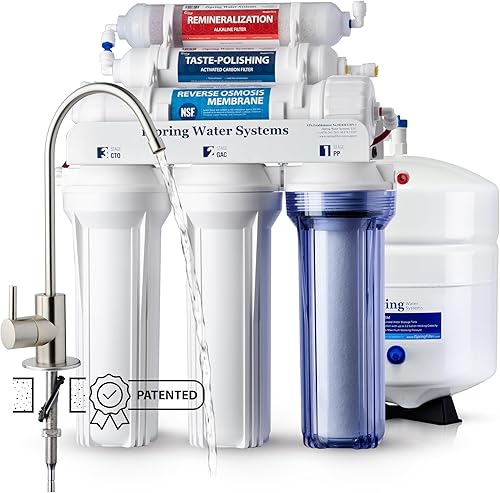
iSpring RCC7AK 6-Stage RO System
iSpring is a well-known name in undersink RO, and the RCC7AK is their flagship. It’s a workhorse. The performance is reliable, removing a vast range of contaminants. The remineralization stage is a nice touch. It’s a bit pricier than the Geekpure, but you’re paying for a more established brand reputation and often better customer support.
- Trusted brand with good support
- Proven contaminant reduction
- Alkaline stage for better-tasting water
- Widely available replacement filters
- Higher cost than generic brands
- Some users report slower flow rate
- Still just a drinking water solution
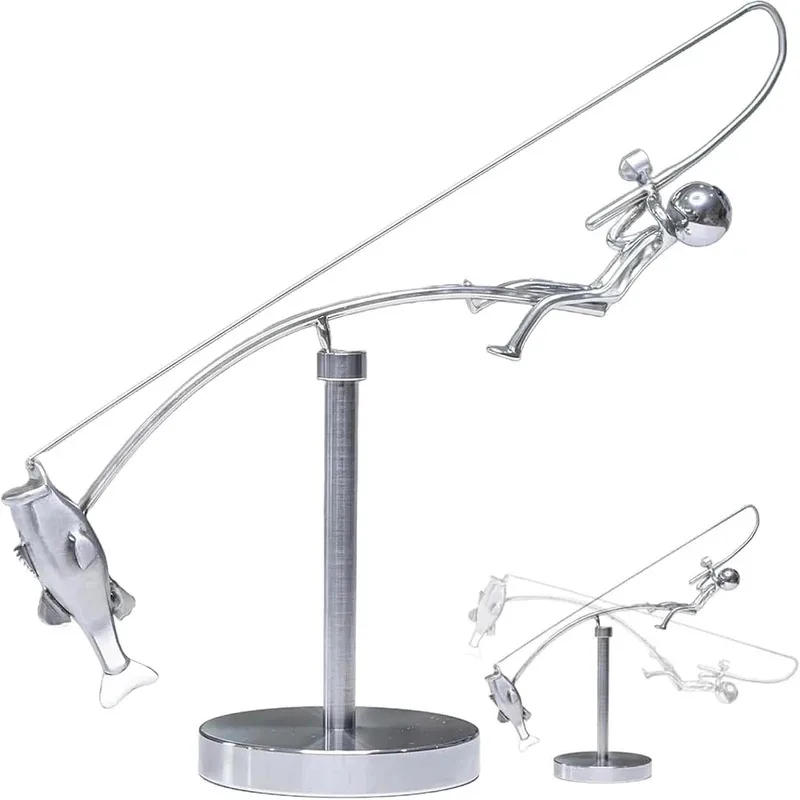
Budget Fun Picks: We also spotted these kinetic desk toys on AliExpress. They won’t filter your water, but they’re a fun nod to the “kinetic” principle that powers a Kinetico valve!

Frequently Asked Questions
- How long does a Kinetico water softener last?
- With proper maintenance, which is minimal, a Kinetico system can easily last 20 years or more. The lack of electronics and robust, mechanical design are key to its longevity. Regular salt refills are the primary upkeep.
- Does a Kinetico system waste water?
- No, it’s exceptionally water-efficient. Because it uses demand-initiated regeneration, it only cleans itself when necessary. It typically uses far less water per regeneration than a timer-based electric softener, which might regenerate too often.
- Can I install a Kinetico softener myself?
- It’s strongly discouraged and may void the warranty. Installation requires a certified Kinetico dealer. The proprietary control valve and system setup are designed for professional installation to ensure optimal performance.
- What’s the difference between Kinetico and a regular softener?
- The core difference is the power source and control. Kinetico is non-electric and metered. Most regular softeners are electric and often timer-based. This leads to differences in efficiency, reliability during power outages, and long-term salt usage.
- Do I need a pre-filter with a Kinetico?
- It depends on your water quality. If you have sediment or iron, a pre-filter is highly recommended to protect the resin bed. Your Kinetico dealer will test your water and advise on any necessary pre-treatment. Understanding your full filtration needs might also involve looking at an inline filter cartridge for specific point-of-use jobs.
- Is Kinetico worth the money?
- It depends on your priorities. If you value long-term efficiency, extreme reliability, and continuous soft water, and you plan to stay in your home for a decade, the math often works out. For shorter-term situations or moderate hardness, a quality electric softener is a smarter financial choice.
Final Thoughts
After years of evaluating water treatment gear, we see Kinetico as the luxury sedan of water softeners. It’s over-engineered, brilliantly efficient, and built to last for decades. The non-electric, twin-tank design solves real problems like wasted salt and hard water bypass during regeneration.
But it’s not for everyone. The upfront cost is a major hurdle. Our advice? Get your water tested, understand your usage, and run the 10-year cost comparison. If the numbers make sense for your household, you’ll likely never regret the investment. If they don’t, don’t feel pressured—there are excellent, more affordable systems that will still transform your water. And if your main concern is drinking water purity, pairing a basic softener with a dedicated undersink system might be the perfect compromise. You can always consult a professional water filtration service to design a custom solution for your home’s unique needs.
