


Clack Water Softener: The Technician’s Choice for Hard Water (2026)
If you’re tired of scale buildup on your faucets and shower doors, you’ve probably come across the name Clack. It keeps popping up in forums and plumber recommendations. But what’s the real story? After installing and servicing dozens of these systems, I can tell you it’s not magic—it’s just solid, no-nonsense engineering.
- What a Clack valve actually is and why pros trust it
- How the ion exchange process works in simple terms
- The real-world benefits and a few honest drawbacks
- How to choose the right size and where to buy parts
What Is a Clack Water Softener?
First, let’s clear up a common point of confusion. Clack Corporation doesn’t sell complete, ready-to-install water softener systems under their own brand. Instead, they manufacture the heart of the system: the control valve. Think of it like an engine in a car. Many different water softener brands—some you’ll find at big box stores, others sold by local dealers—use a Clack valve inside their cabinets.
So when someone says “Clack water softener,” they’re almost always referring to a system built around one of Clack’s iconic control valves, like the WS1 or WS1.25. These valves are famous in the trade for being workhorses. They’re designed for easy servicing, straightforward programming, and long-term reliability. In our experience, this modular approach is a huge advantage. You’re not locked into a proprietary system; you can source parts easily and even build your own unit if you’re handy.
How a Clack Water Softener Works
The process is called ion exchange, and it’s been the gold standard for water softening for decades. Here’s the breakdown.
The Ion Exchange Process
Your water flows into a pressure tank filled with thousands of tiny resin beads. These beads are charged with sodium ions. As the hard water passes through, the calcium and magnesium ions—the culprits behind scale—are attracted to the resin and stick to it, displacing the sodium ions which are released into your water. The result? Soft water flows out to your pipes.
The Regeneration Cycle
Eventually, the resin beads get saturated with hardness minerals and can’t swap any more sodium. That’s where the Clack valve earns its keep. Based on your water usage or a timer, it initiates a regeneration cycle. It draws a concentrated brine solution from the salt tank, flushes it through the resin to knock off the calcium and magnesium, and rinses everything down the drain. The resin is recharged with sodium and ready to soften again. The valve controls this entire sequence—backwash, brine draw, slow rinse, and fast rinse—with impressive precision.
Key Benefits of a Clack System
Unmatched Reliability: This is the number one reason plumbers recommend them. The internal piston and seal design is simple and robust. We’ve seen Clack valves running flawlessly for 15+ years with just basic maintenance.
DIY-Friendly Programming: Unlike some proprietary systems that require a dealer’s special tool, Clack valves use a straightforward keypad and display. Setting the hardness, capacity, and regeneration time is something a homeowner can do in minutes. There’s no mystery.
Parts Availability: This is huge. If a seal wears out or a piston needs replacing, you can find OEM parts online for a reasonable price. You’re not stuck waiting for a service tech or paying a premium for a branded kit. For instance, a complete interior parts kit is often surprisingly affordable.
Customizable Performance: Because you’re building around a valve, you can choose the exact resin tank size and resin type you need. Have iron in your water? You can pair your Clack valve with a specialized iron manganese filter media bed instead of standard softening resin.
Potential Drawbacks to Consider
Upfront Research Required: You need to calculate your daily water usage and hardness level to pick the right tank size (e.g., 1.0 cu ft, 1.5 cu ft). It’s not hard, but it takes five minutes of math.
Salt-Based Maintenance: Like all ion-exchange softeners, you must keep the brine tank filled with salt pellets. It’s a minor chore, maybe once a month for a family of four.
Doesn’t Remove Other Contaminants: A softener only addresses hardness minerals. If you have concerns about chlorine taste, lead, or other impurities, you’ll need a separate chlorine filter system or a point-of-use filtered water tap for kitchen drinking water.
Types of Clack-Based Systems
Standard Metered On-Demand Systems
This is the most common setup. The Clack valve measures your water usage and regenerates only when needed, based on the programmed capacity. It’s the most efficient choice for most homes, saving salt and water compared to old-school timer-based units.
Twin Alternating Systems
For large households or small businesses where you can’t have any downtime, a twin system uses two resin tanks and a Clack WS1.25 or similar valve. One tank is in service while the other is on standby or regenerating. You get an uninterrupted supply of soft water, 24/7. It’s overkill for a family of four but perfect for a bed and breakfast.
Filter-Softener Combos
The versatility of the Clack valve allows it to be configured for different media beds. You can have a single tank with a layered bed—say, a layer of carbon for chlorine removal topped with softening resin. For more complex water issues like high manganese, a dedicated water filter for manganese before your softener is a better approach.
Buying Guide: What Actually Matters
Don’t get lost in specs. Focus on these four things.
1. Valve Size: The WS1 is for most homes (up to 1.5″ plumbing). The WS1.25 handles higher flow rates for larger houses or light commercial use. If you’re replacing an old valve, match the size.
2. System Capacity: This is measured in grains. Calculate it: (Number of people x 75 gallons/day x Water Hardness in GPG) = Grains per day. Multiply by 7 for a weekly regeneration target. A 32,000-grain system is a common starting point for a family of four with moderately hard water.
3. Resin Quality: Not all resin is equal. Look for a high-capacity, 8% crosslinked resin for longer life, especially if you have trace chlorine in your water.
4. Source & Support: Buy from a reputable water treatment supplier, not just the cheapest auction site. You want genuine Clack parts and access to tech support if you need it. For serious contaminants like lead, a softener isn’t the answer—you need a dedicated whole house lead removal system.
Top Clack Parts & Kits for 2026
Whether you’re building from scratch or repairing an existing unit, here are the parts we’ve used and trust.
| Product | Key Feature | Price | Link |
|---|---|---|---|
 |
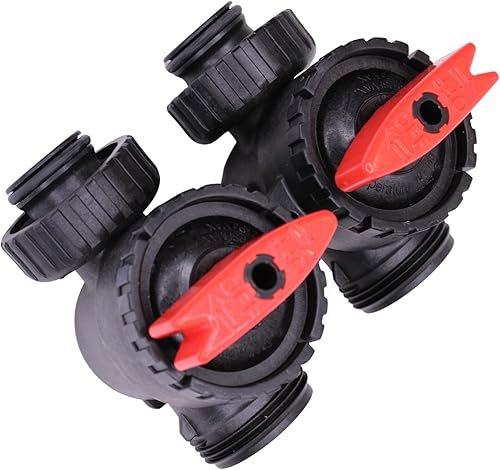
OEM bypass valve with lube. Fits all WS1/WS1.25 valves. | $94 | Buy on Amazon Buy on eBay |
 |
Essential tool for servicing the valve body and piston assembly. | $58 | Buy on Amazon Buy on eBay |
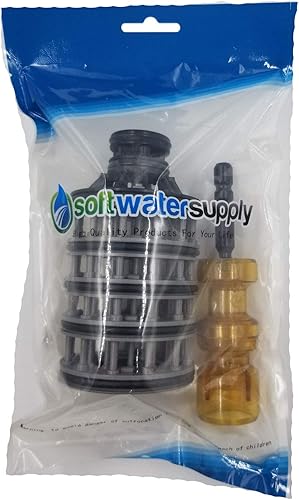 |
OEM kit with seal pack, piston, and brine piston. Fixes most leaks. | $1.18 | Buy on Amazon Buy on eBay |
 |
Bypass valve bundled with silicone lube for o-rings. Great value. | $79 | Buy on Amazon Buy on eBay |
Budget-Friendly Alternatives on AliExpress
Looking for non-critical accessories or parts for a different project? These are worth a look.
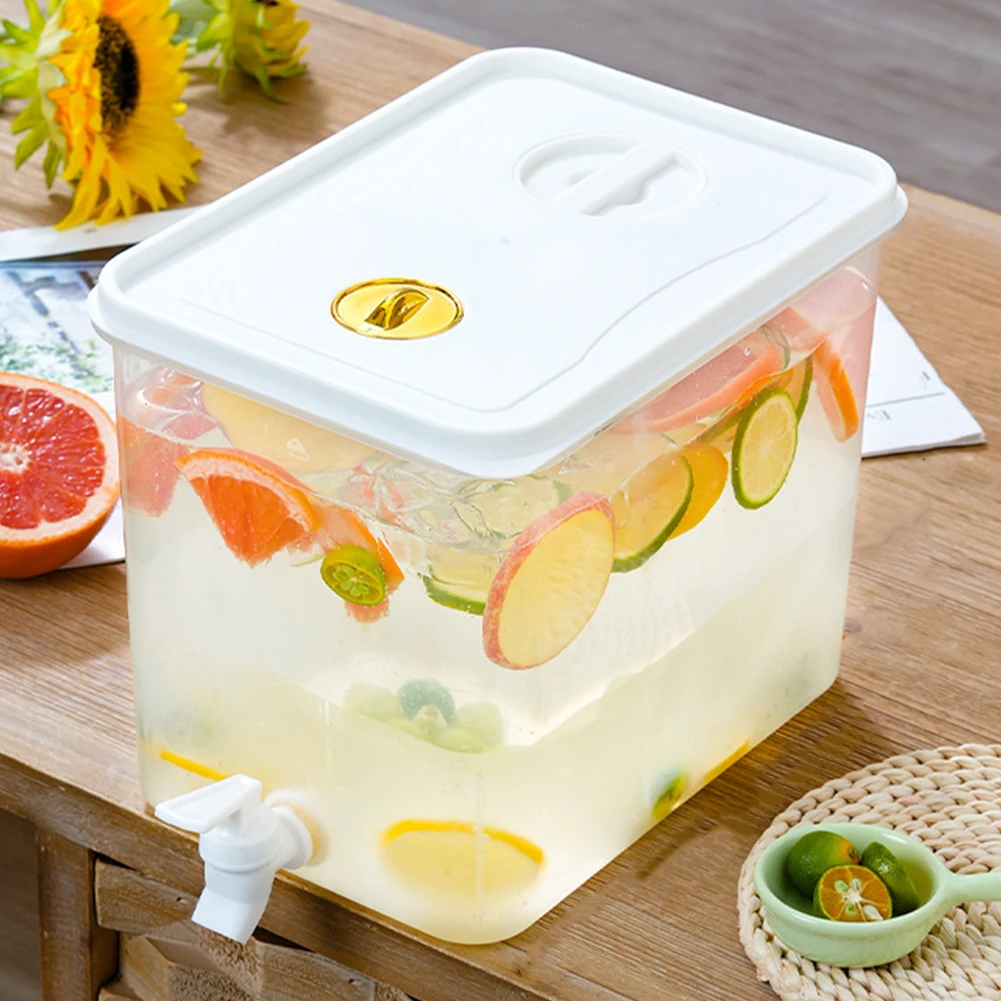
10L Iced Juice Dispenser with Filter Spigot – This isn’t for softening, but it’s a clever, cheap way to have chilled, filtered water in your fridge for parties. The built-in filter is basic, but it’s fine for improving taste on already-treated water. Don’t rely on it for purification.
- Very affordable
- Large 10L capacity
- Convenient spigot design
- Filter is minimal
- Not for serious contaminants
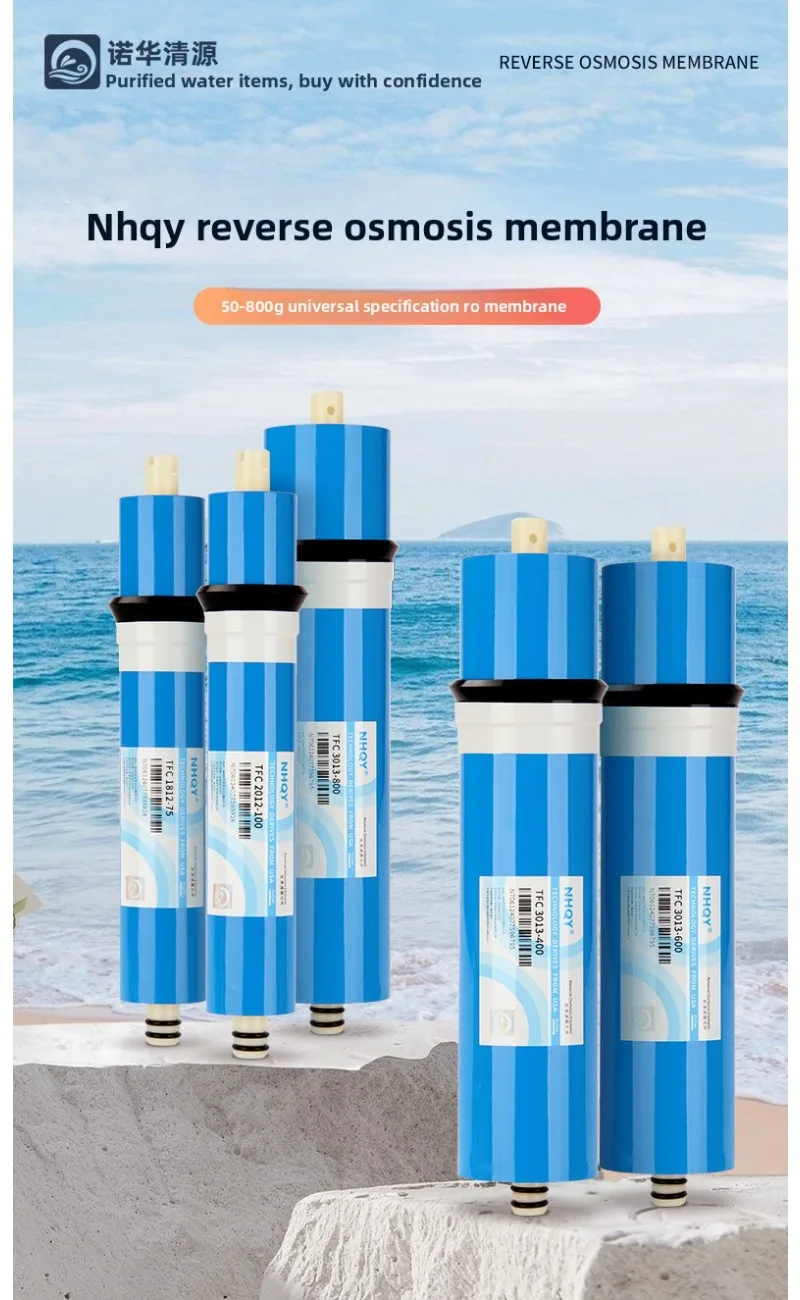
RO Membrane for Home Water Purifier – If you’re building a separate reverse osmosis system for drinking water, this membrane is a core component. It’s rated for various flow rates (75G-600G). A good option if you’re on a tight budget, but manage your expectations on longevity versus premium brands.
- Low cost
- Multiple capacity options
- Good for DIY projects
- Longevity may vary
- Performance not independently verified
Frequently Asked Questions
- How often should I regenerate my Clack water softener?
- It depends on your water usage and hardness. A metered Clack valve will handle this automatically. For a typical family, expect regeneration about once every 5-7 days. If it’s cycling more often, your system might be undersized.
- Can I install a Clack water softener myself?
- Absolutely. If you’re comfortable with basic plumbing (cutting and soldering or using SharkBite fittings), it’s a very doable weekend project. The programming is the easy part. Just be sure to follow local codes.
- Why is my Clack valve leaking from the drain line during regeneration?
- A small trickle during regeneration is normal. A constant leak usually means the piston and seals inside the valve are worn. The good news? The repair is straightforward with an OEM interior parts kit and that special wrench.
- Is a Clack valve better than a Fleck valve?
- It’s a Ford vs. Chevy debate. Both are excellent. In our experience, plumbers slightly favor Clack for its intuitive programming and slightly easier rebuild process. Fleck (now owned by Pentair) is also a titan with massive support. You can’t go wrong with either.
- Do I need a pre-filter before my Clack softener?
- It’s highly recommended if you have sediment in your water. A simple 20-micron spin-down filter upstream will protect the softener’s control valve and resin from gunk and extend their life significantly.
- Will a Clack water softener remove iron?
- Only if you configure it with a specialized iron-reduction resin bed, not standard softening resin. For high iron levels (above 3 ppm), a dedicated oxidizing filter ahead of the softener is a much more reliable solution.
Final Thoughts
After all these years, the Clack water softener valve remains my top recommendation for anyone who values reliability and control. It’s not the flashy, all-in-one system you’ll see advertised on TV. It’s the quiet, competent choice that technicians install in their own homes. You’re buying a proven piece of engineering, not a marketing package.
If you’re ready to tackle hard water for good, do the math on your needs, pick up a genuine Clack valve and the right-sized tank, and you’ll have a system that outlasts most of the pre-packaged units on the market. Your pipes, appliances, and skin will thank you.
