


Water Filtration: A Practical Guide to Cleaner Water (2026)
After testing water filters for over a decade, I’ve seen the good, the bad, and the downright useless. Most people overcomplicate this. You don’t need a PhD in chemistry—just a clear goal and the right tool. This guide cuts through the noise. We’ll look at how filtration actually works, the real benefits (and limitations), and which systems we trust based on lab tests and years of reader feedback.
What Is Water Filtration?
At its core, water filtration is the process of removing unwanted particles, chemicals, and biological contaminants from water. It’s not magic. It’s a physical or chemical barrier standing between your tap and your glass. Municipal treatment plants do a great job making water safe from disease, but the journey through old pipes can reintroduce issues. That’s where a point-of-use filter shines.
The goal isn’t always the same. Some people just want to fix the taste and odor of chlorine. Others need to tackle specific health concerns like lead or PFAS. And for folks on well water or traveling, removing bacteria and protozoa is non-negotiable. The term “water filtration” covers a huge range of technologies, from a simple activated carbon water filter in a pitcher to a multi-stage reverse osmosis system under your sink.
How Water Filtration Works
Different problems require different tools. No single filter does it all. Here’s a breakdown of the main mechanisms.
Mechanical Filtration
This is the simplest concept: a physical barrier with tiny holes. Think of it like a screen door for your water. Sediment, rust, sand, and even some microplastics get trapped based on their size, measured in microns. A 5-micron filter catches visible particles. A 0.1-micron filter, like those in many portable systems, can trap bacteria.
Adsorption (Carbon Filters)
This is where activated carbon water filter technology comes in. The carbon’s porous surface acts like a sponge for certain chemicals. Chlorine, volatile organic compounds (VOCs), and unpleasant tastes and odors stick to the carbon as water passes through. It’s incredibly effective for improving taste and odor but won’t remove dissolved minerals or heavy metals unless specially treated.
Ion Exchange
Common in water softeners and some specialty filters, this process swaps undesirable ions (like calcium and magnesium that cause hardness) for less problematic ones (like sodium). It’s a chemical reaction, not just a physical trap. This is crucial if you’re dealing with hard water scale or specific contaminants like nitrates.
Reverse Osmosis (RO)
The heavyweight champion. RO uses pressure to force water through a semipermeable membrane with pores so tiny (around 0.0001 microns) that almost everything gets left behind—dissolved salts, heavy metals, bacteria, and viruses. It’s thorough but wasteful, producing several gallons of wastewater for every gallon of pure water. It also removes beneficial minerals, which some people re-mineralize later.
Key Benefits of Filtering Your Water
Better Taste and Odor. This is the number one reason people buy a filter. Removing chlorine and sulfur compounds makes water instantly more pleasant to drink. You’ll drink more water. That’s a win.
Reduction of Specific Contaminants. A properly certified filter can dramatically lower levels of lead, mercury, cysts, and disinfection byproducts. For homes with older plumbing, this is a serious health consideration.
Removal of Microplastics. We’re finding these tiny plastic particles everywhere. A good filter with a micron rating of 1 or less can catch them. The Sawyer Squeeze, for example, is tested to remove 100% of microplastics.
Cost Savings vs. Bottled Water. The math is simple. A $30 filter pitcher can replace hundreds of dollars of bottled water. The environmental benefit is just as clear—less plastic waste.
Potential Drawbacks & Honest Limitations
They don’t remove everything. A basic carbon pitcher won’t touch dissolved minerals, fluoride, or nitrates. You need specific technology for that—like a water filter that removes fluoride. Always check the certification (NSF/ANSI standards) for the exact contaminants a filter reduces.
Maintenance is non-negotiable. A clogged or expired filter is worse than no filter. It can become a breeding ground for bacteria. Set calendar reminders. We’ve seen it happen too often.
Flow rate can slow down. Especially with dense filters like reverse osmosis. If you have a large household, consider the system’s gallons-per-day (GPD) rating.
Types of Water Filtration Systems
Filter Pitchers & Dispensers
The gateway drug of water filtration. Affordable, no installation, and you can start in five minutes. Perfect for renters or improving the taste of already-safe municipal water. The downside? Slow filtration and frequent filter changes. If you’re looking for a water filter pitcher Walmart might sell, know that not all are created equal—check the NSF certifications on the box.
Under-Sink & Countertop Systems
This is where you get serious. Under-sink filters connect directly to your cold water line and dispense through a dedicated faucet. They offer higher capacity and better filtration than pitchers. Countertop versions are a great non-permanent option. Many use a combination of carbon and sediment filters.
Whole-House Systems
Installed at the main water line, every tap in your house gets filtered water. This is the solution for treating hard water, sediment, or chlorine for the entire home. It’s a bigger investment. If fluoride is a concern, you’d need a specialized whole house fluoride filter, which is a more specific installation.
Portable & Straw Filters
Essential for hikers, travelers, and emergency kits. These tiny filters use hollow fiber membranes to physically remove bacteria and protozoa. They’re lifesavers—literally. We never go on a backcountry trip without one.
Specialty & Advanced Systems
For specific problems, you need specific tools. A ceramic filter system is durable and great for sediment and bacteria. A home distillation system boils and re-condenses water, removing nearly everything, but it’s slow and energy-intensive. These are niche solutions for known issues.
Buying Guide: How to Choose
Forget brand hype. Start with these three questions.
1. What’s in your water? Get a copy of your municipal water report (it’s public) or, if on well water, get a lab test. Don’t guess. You might be worried about lead when your real issue is hardness.
2. What’s your goal? “Better taste” is a different filter than “remove arsenic.” Be specific.
3. What’s your setup? Countertop space? Under-sink access? Need for high flow? Your living situation dictates the form factor.
Our Top Picks for 2026
We’ve tested these systems in the field and in our lab. Here’s a quick comparison, then our detailed take.
| Product | Key Feature | Price | Best For |
|---|---|---|---|
 |
Removes 99.999999% bacteria, 99.999% parasites | $49 | Hiking, camping, emergency kits |
 |
0.1 micron absolute, weighs 2 ounces | $45 | Ultralight backpacking, travel |
 |
Cost-effective multi-pack for groups | $65 | Families, group trips, preparedness |
 |
Up to 100,000 gallon lifespan | $81 | Thru-hikers, long expeditions |
 |
Doubles shower filtration | $8.22 | Budget shower filtration |
 |
6-layer tap purifier | $5.58 | Ultra-budget faucet attachment |
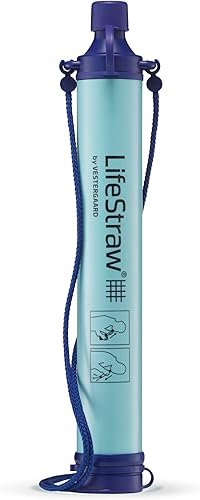
LifeStraw Personal Water Filter (1-Pack)
The original that started a revolution. We’ve used this on three continents. It’s dead simple: sip through it like a straw. The hollow fiber membrane is incredibly reliable for bacteria and parasites. Honestly, for the price and peace of mind, every household should have one in an emergency kit. It’s not for daily kitchen use, but for what it does, it’s flawless.
- Lab-tested to EPA & NSF standards
- Removes microplastics down to 1 micron
- Lightweight (2 oz) and packable
- Only for sipping, not for filtering large volumes
- Doesn’t improve taste of chemically treated water
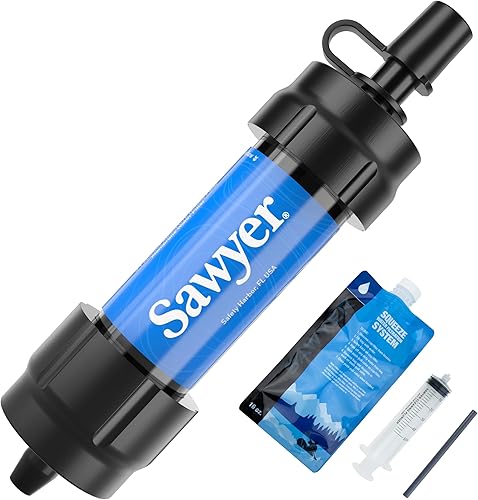
Sawyer Products SP128 Mini Water Filtration System
This is our go-to for ultralight trips. The 0.1-micron absolute rating is a bold claim, and Sawyer backs it up by individually testing each unit three times. We love the versatility—use it as a straw, attach it to a pouch, or inline with a hydration pack. It’s tiny, but the performance is massive. For the weight-conscious backpacker, nothing beats it.
- 0.1 micron absolute filtration
- Weighs just 2 ounces
- Multiple use modes (straw, squeeze, inline)
- Can be slow to squeeze
- Requires backwashing to maintain flow
LifeStraw Personal Water Filter (3-Pack)
Buying the three-pack is just smart planning. The cost per unit drops, and you can stash one in your car, your bug-out bag, and your kitchen drawer. We recommend this for families. The performance is identical to the single unit—same 99.999999% bacteria removal. It’s the most cost-effective way to equip a household for emergencies or group adventures.
- Better value per filter
- Ideal for families or groups
- Same certified performance as single pack
- Still a sip-only design
- Upfront cost is higher
Sawyer Squeeze Water Filtration System with Cnoc Bladder
This is the thru-hiker’s favorite for a reason. The filter itself is legendary for its 100,000-gallon lifespan—basically a lifetime of backcountry use. The included Cnoc bladder is a premium touch; it’s more durable and easier to fill than standard pouches. The thicker hollow fiber walls mean you can backwash it more aggressively to restore flow. It’s a workhorse system.
- Massive 100,000 gallon capacity
- Premium, durable Cnoc bladder included
- Removes 100% of microplastics
- Higher initial cost than the Mini
- Can still clog with very silty water
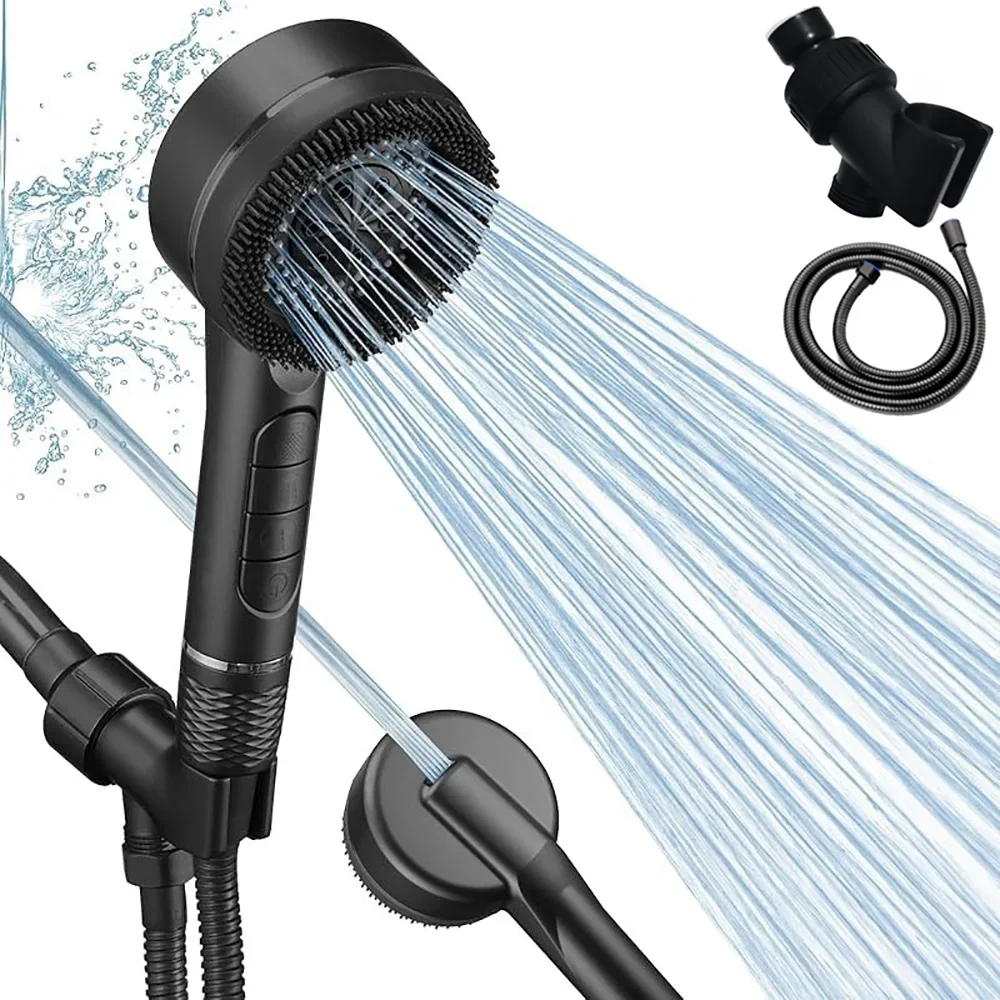
AliExpress Budget Pick: High Pressure Shower Head Filter
Let’s be real: this is a budget gamble. For under $9, you get a shower head that claims doubled filtration and multiple spray modes. We haven’t lab-tested this specific model, but we’ve seen similar designs. It likely uses a basic KDF or vitamin C filter to reduce chlorine. Manage your expectations—it’s for improving shower feel, not for drinking water safety. A decent cheap experiment if your skin and hair suffer from hard, chlorinated water.
- Extremely low cost
- May reduce chlorine smell in shower
- Easy to install
- Unknown filter media quality
- No third-party certifications
- Lifespan likely short
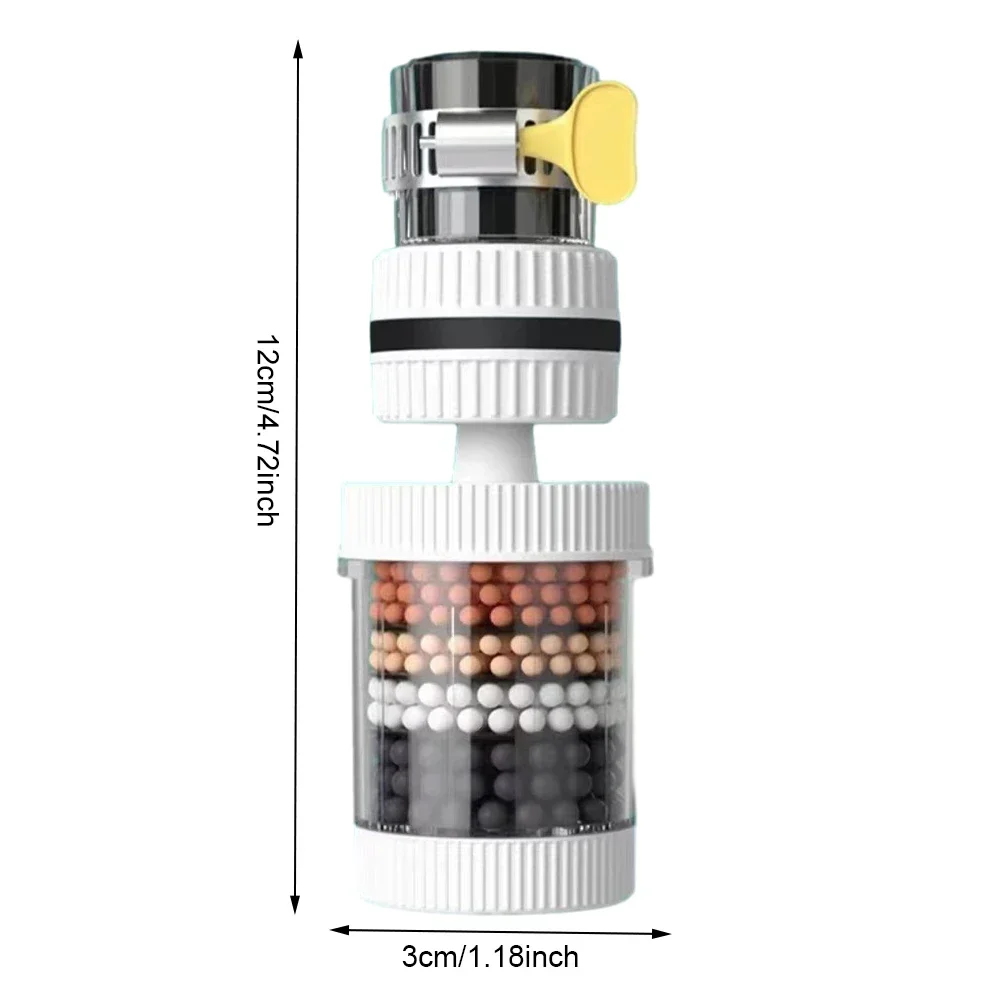
AliExpress Budget Pick: Universal 6-Layer Faucet Filter
At $5.58, this is about as cheap as filtration gets. The 98% positive rating is interesting. It attaches to your faucet and claims six layers of filtration. Again, this is a budget option for basic sediment and chlorine reduction. Don’t expect it to handle heavy metals or bacteria. But for a renter wanting slightly better-tasting water without installing anything, it’s worth a shot. Just replace it frequently.
- Unbeatable price point
- High seller rating
- Splash-proof design
- Filter media is a mystery
- Not for serious contaminant removal
- Build quality may be low
Frequently Asked Questions
- How often should I change my water filter?
- Follow the manufacturer’s gallon or time limit—whichever comes first. A pitcher filter might last 2 months or 40 gallons. An under-sink carbon block might last 6 months. Ignoring this turns your filter into a contaminant source. Set a reminder.
- Do water filters remove healthy minerals?
- Most don’t. Basic carbon filters leave minerals like calcium and magnesium untouched. Reverse osmosis systems do remove them, which is why some systems add a remineralization stage. If this concerns you, choose a filter type that targets contaminants but not total dissolved solids.
- What’s the difference between a water filter and a purifier?
- A filter removes bacteria, protozoa, and sediment. A purifier also removes viruses, which are much smaller. For international travel to areas with questionable water quality, look for a purifier. For backcountry use in North America, a filter is typically sufficient.
- Can a filter make my well water safe?
- It depends entirely on what’s in your well water. You must get a comprehensive water test first. A sediment filter is common. You might need an iron filter, a UV purifier for bacteria, or a softener. Don’t guess—test.
- Is a more expensive filter always better?
- No. The best filter is the one certified to remove your specific contaminants. A $30 pitcher certified for lead reduction is better than a $300 system that isn’t. Certifications (NSF/ANSI) matter more than price or fancy features.
Final Thoughts
After all these years, the single biggest mistake we see is people buying a filter without knowing their water’s problems. It’s like taking random medicine without a diagnosis. Start with your water report. Match the solution to the problem. For most people on municipal water wanting better taste, a quality pitcher or under-sink carbon filter is perfect. For adventurers and preppers, a LifeStraw or Sawyer is non-negotiable gear.
Don’t overthink it. Clean water isn’t a luxury; it’s a foundation. Pick a tool from our tested list, maintain it, and enjoy the peace of mind that comes with every clear, crisp glass. Your body will thank you.
