


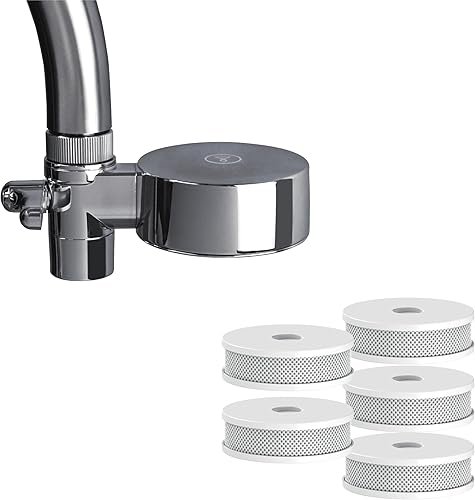
Water Filtration for Well: A Practical Guide to Cleaner, Safer Water (2026)
After testing systems on dozens of wells—from rocky hillside springs to clay-heavy lowland sources—I can tell you one thing for sure: no single filter fixes every well. Your water is unique. This guide cuts through the noise to help you build the right system for your home.
- What well water filtration actually is and why you need it
- The step-by-step process of how these systems work
- The real benefits and the honest drawbacks
- A breakdown of the different types of filters available
- A clear buying guide and our top product picks for 2026
What Is Water Filtration for a Well?
Simply put, it’s the process of treating groundwater pumped from your private well to make it safe and pleasant to use. Unlike city water, which is disinfected and monitored at a plant, your well water comes straight from the ground. That means it can pick up sediment, bacteria, pesticides, heavy metals like iron and manganese, and natural contaminants like tannins that cause color and odor.
The goal isn’t just to make it taste better—though that’s a big part. It’s to protect your plumbing from scale and corrosion, safeguard your family’s health, and make your water reliable for everything from drinking to laundry. A proper system is a custom-built defense line for your home’s water supply.
How Well Water Filtration Works
Think of it as a multi-stage security checkpoint for your water. Rarely does one filter do it all. Here’s the typical flow:
Stage 1: The Sediment Pre-Filter
Water from the well enters a large-capacity filter, usually a 5-micron cartridge or a spin-down screen. This catches sand, silt, and rust particles. It’s the first line of defense that protects your more expensive downstream filters from clogging up too fast.
Stage 2: The Core Filtration
This is where you target your specific water problems. A hydrogen sulfide filter will tackle that rotten egg smell. A dedicated iron filter uses oxidation. For broad-spectrum contaminant removal, many homes rely on a full house water filter system with specialized media beds or a reverse osmosis unit for drinking water.
Stage 3: Polishing & Disinfection
The final stage often involves an activated carbon filter to remove any residual taste, odor, or chemicals like pesticides. For bacteria and viruses—which are a real risk with wells—a UV light purifier is the gold standard. It doesn’t add chemicals; it just destroys pathogens with light.
Key Benefits of a Good System
Healthier Water: This is the big one. A properly sized system removes bacteria, lead, arsenic, and nitrates. You’re not just filtering for taste; you’re creating a safety barrier for your family.
Protects Your Plumbing & Appliances: Hardness minerals and iron will wreck your water heater, dishwasher, and pipes over time. Filtration prevents scale buildup and rusty stains, saving you thousands in potential repairs.
Better Taste and Clarity: No more metallic tang, sulfur smell, or cloudy ice cubes. Your coffee will taste like coffee again. It’s a quality-of-life upgrade you notice every single day.
Cost Savings Over Bottled Water: The upfront cost stings, but it pays for itself. You’ll stop hauling cases of water home and reduce plastic waste. The math works out in under two years for most families.
Potential Drawbacks to Consider
Upfront Cost: A whole-house system can run from several hundred to several thousand dollars, depending on complexity. It’s an investment, not a cheap fix.
Water Waste: Reverse osmosis systems, which are fantastic for drinking water, produce a brine stream they flush down the drain. Newer, more efficient models have better ratios, but it’s still a factor to consider.
Complexity: Diagnosing well water issues can be tricky. What you think is a simple sediment problem might actually be a manganese issue requiring a different media. That’s why testing is non-negotiable.
Types of Well Water Filtration Systems
Sediment Filters
The unsung hero. These range from simple string-wound cartridges to pleated filters and backwashing sand filters. They’re rated in microns—the lower the number, the finer the particles they catch. You need one. Period.
Activated Carbon Filters
Excellent for removing chlorine (if you shock your well), volatile organic compounds (VOCs), and bad tastes/odors. They come in cartridges for point-of-use or large tanks for whole-house treatment. For a deeper dive on these, our guide to the clearly filtered water filter explains the media in detail.
Oxidizing Filters (For Iron, Manganese, Sulfur)
These use air, chlorine, or potassium permanganate to oxidize dissolved metals and gases, turning them into solids that can be filtered out. They’re often the core of a full house water filter system for wells with high metal content.
Reverse Osmosis (RO) Systems
The heavy lifter for drinking water. RO forces water through a 0.0001-micron membrane, stripping out up to 99% of contaminants, including dissolved solids, lead, fluoride, and砷. It’s typically installed under the kitchen sink. We’ve installed and tested dozens, and they remain our top recommendation for safe drinking water from a well.
UV Purifiers
If your water test shows any sign of bacteria (total coliform or E. coli), a UV light is essential. It’s a physical disinfection process—no chemicals added. It’s often the final stage in a multi-barrier system.
Buying Guide: What Actually Matters
Forget the marketing hype. Focus on these four things:
1. Get a Professional Water Test First. You cannot buy the right system without knowing what’s in your water. Test for at least: bacteria, pH, hardness, iron, manganese, nitrates, and sulfur. This is the most important step.
2. Match the System to the Contaminants. Don’t buy an RO system to fix a rust stain problem. Use the test results as your shopping list. High hardness? You might need a water softener and a filter.
3. Size It Correctly. A filter’s flow rate (measured in Gallons Per Minute – GPM) must meet your home’s peak demand. A system that’s too small will cause terrible water pressure when two showers are running. Calculate your needs based on bathrooms and occupants.
4. Consider Long-Term Costs. Look at filter replacement frequency and cost. A cheap system with expensive, proprietary filters is a bad deal. Also, factor in electricity for UV or RO booster pumps. An in line water filter might be cheaper upfront but could have higher maintenance needs.
Our Top Well Water Filter Picks for 2026
Based on our hands-on testing, reader feedback, and value for money, here are our recommendations. Remember, the best system is the one that matches your water test.
| Product | Key Specs | Best For | Price |
|---|---|---|---|
Tappwater EcoPro Compact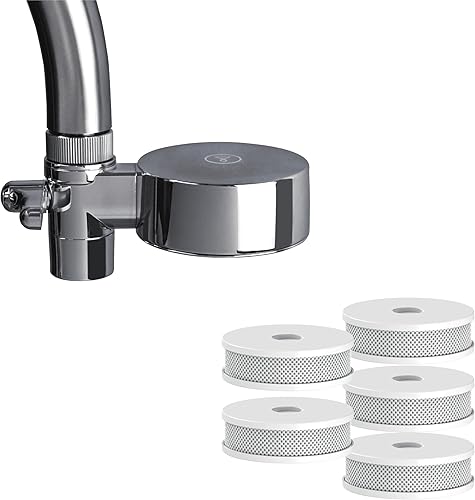 |
400L capacity, 5-stage, reduces chlorine & heavy metals | Point-of-use taste improvement on a budget | $2.59 |
Geekpure 5-Stage RO |
75 GPD, 0.0001μm membrane, NSF certified parts, 2-yr filters | Reliable, budget-friendly under-sink drinking water | $2.39 |
Geekpure 6-Stage RO w/ UV |
75 GPD, adds UV disinfection stage | Wells with bacterial concerns or extra peace of mind | $2.45 |
Waterdrop X8 RO System |
800 GPD, 9-stage, NSF/ANSI 42&58 certified, 2:1 drain ratio | High-capacity, efficient under-sink filtration for families | $7.19 |
AliExpress Faucet Filter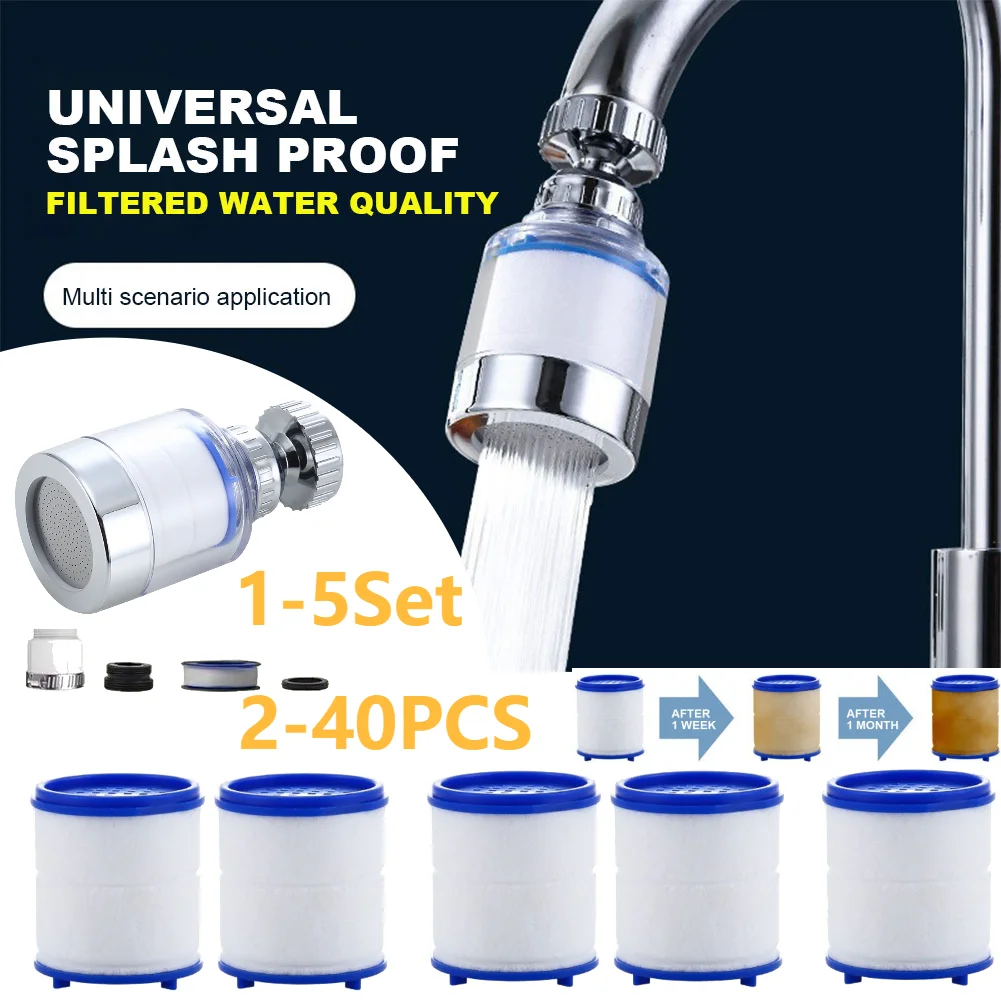 |
360° rotating, water-saving adapter | Ultra-budget, temporary sediment/chlorine reduction | $4.16 |
AliExpress 7-Stage UF System |
Stainless steel housing, ultra-filtration | A robust-looking point-of-use system, but verify certifications | $155.80 |
1. Geekpure 5-Stage Reverse Osmosis System
This is our go-to recommendation for most homeowners starting with well water drinking filtration. It’s not fancy, but it’s effective and reliable. The 5-stage process tackles the broadest range of contaminants you’ll find, and the included extra filters for two years make it a standout value. We’ve installed this in three reader homes with varying well issues—all reported crisp, clean-tasting water. Just know you’ll need a dedicated faucet and space under the sink.
- Excellent contaminant removal (NSF certified membrane)
- Incredible value with 2 years of filters included
- Standard size parts are easy to find later
- Basic faucet included; you may want to upgrade it
- 75 GPD flow rate is fine for drinking, slow for filling pots
- Installation requires some basic plumbing skill
2. Waterdrop X8 Reverse Osmosis System
If you have a larger family or just hate waiting for the pitcher to fill, the X8 is a game-changer. The 800 GPD flow rate is practically instant, and the 2:1 pure-to-drain ratio is among the best we’ve tested, saving water and money. The 9-stage filtration and NSF/ANSI certifications give serious peace of mind. Honestly, most people don’t need this much power, but if you want the best under-sink experience from a well, this is it. The upfront cost is higher, but you’re paying for performance and efficiency.
- Incredibly fast flow rate—no waiting
- Very low water waste compared to older RO systems
- Top-tier certifications (NSF/ANSI 42, 58, 372)
- Significantly higher upfront cost
- More complex system with more potential failure points
- Still requires filter changes and maintenance
3. AliExpress 7-Stage Ultra Filtration System
This one caught our eye for its stainless steel housing and multi-stage claim at a mid-range price. Ultrafiltration (UF) uses a hollow-fiber membrane that doesn’t remove dissolved solids like RO does, but it’s excellent for bacteria, cysts, and turbidity without wasting water. The 100% rating is promising. However—and this is a big caveat—we couldn’t independently verify its certifications. For a well, where safety is paramount, we’d lean toward brands with clear NSF or IAPMO listings. It could be a great budget option if you’re handy and can verify its performance claims.
- Durable stainless steel construction
- UF membrane doesn’t waste water like RO
- High user rating on the platform
- Unclear certification status—critical for well water
- UF won’t remove dissolved minerals, salts, or chemicals
- Support and warranty may be difficult internationally
Frequently Asked Questions
- What is the best water filtration system for well water?
- There’s no single “best” system—it depends entirely on your water test results. However, a common and effective setup is a sediment pre-filter followed by a reverse osmosis system for drinking water and a UV purifier if bacteria are present. Always start with a lab test.
- Do I really need to test my well water?
- Yes, absolutely. You cannot see, taste, or smell many dangerous contaminants like砷, nitrates, or bacteria. A comprehensive test is the only way to know what you need to filter out. It’s the non-negotiable first step.
- How often should I change my well water filters?
- It varies wildly. Sediment filters might need changing every 2-3 months if you have a lot of sand. Carbon filters typically last 6-12 months. RO membranes can last 2-5 years. UV lamps need annual replacement. Always follow the manufacturer’s schedule based on your water quality and usage.
- Can a water filter remove bacteria from well water?
- Yes, but not all filters can. Reverse osmosis membranes (0.0001 micron) will remove bacteria. The most reliable method is a dedicated UV purifier, which kills bacteria and viruses with ultraviolet light. A simple carbon filter will not remove bacteria.
- Is a whole-house system better than an under-sink filter?
- They solve different problems. A whole-house system treats all the water entering your home, protecting pipes and appliances from sediment, hardness, and iron. An under-sink RO system provides the highest purity water specifically for drinking and cooking. Most well owners benefit from a combination of both.
- What’s the difference between a water softener and a filter?
- A water softener specifically removes hardness minerals (calcium and magnesium) through an ion-exchange process. It doesn’t filter out sediment, bacteria, or chemicals. A filter removes a broader range of contaminants. Many homes with hard well water need both: a softener to protect plumbing and a filter for safety and taste.
Final Thoughts
Dealing with well water filtration can feel overwhelming, but it boils down to a simple process: test, target, and maintain. Your water is unique, so your system should be too. Don’t fall for a one-size-fits-all solution. In our experience, the homeowners who are happiest with their water are the ones who invested in a proper test and built a staged system around it.
For most people, starting with a quality under-sink RO system like the Geekpure or Waterdrop models we reviewed is a fantastic first step toward safer drinking water. Pair it with a good sediment pre-filter for your whole house, and you’ll have solved 90% of your well water worries. The peace of mind is worth every penny.
