


After testing filters for years, I can tell you lead is one of the scariest contaminants in tap water. It’s invisible, tasteless, and the health risks—especially for kids—are serious. But here’s the good news: the right filter works. Let’s cut through the noise and find the best lead water filter for your home.
- What lead filters actually are and how they work
- The real benefits and honest drawbacks
- A clear breakdown of filter types (pitcher vs. under-sink vs. faucet)
- Our top picks for 2026, tested and compared
What Is a Lead Water Filter?
It’s a water treatment system specifically designed to reduce or eliminate lead particles from your drinking water. Lead typically leaches into your water from old plumbing—think lead pipes, brass fixtures, or solder in your home’s pipes or the service line to the street. A standard filter might not touch it. You need one with the right media and, crucially, the right certification.
The single biggest mistake we see is people grabbing a generic “water filter” and assuming it handles lead. Most don’t. You have to look for NSF/ANSI Standard 53 certification for lead reduction. That’s your non-negotiable starting point. If the box or spec sheet doesn’t list it, keep looking. This isn’t a place to guess.
How a Lead Water Filter Works
These filters don’t use magic. They rely on physical and chemical processes to trap or transform lead ions. The most common method is adsorption, where lead sticks to the surface of a filter media as water passes through. The effectiveness depends entirely on the media type, its quality, and the filter’s design.
The Role of Activated Carbon
Most lead filters use a specially formulated activated carbon block. This isn’t your basic charcoal from a pitcher filter. The carbon is processed to have a vast surface area and is often combined with other proprietary media that specifically target heavy metals like lead. The water is forced through this dense block, and lead ions get adsorbed onto the carbon’s surface.
Certification is Everything
When a filter is NSF/ANSI 53 certified for lead, it means independent labs have tested it to reduce lead from 150 parts per billion (ppb) down to at least 10 ppb under strict conditions. That’s a 93%+ reduction. Many of the best systems we’ve tested exceed this, hitting 99%+. Don’t trust a company’s own claims—look for that seal. It’s the only way to know it truly works as a filtered water solution for lead.
Key Benefits of Using One
Health Protection: This is the big one. Lead exposure can cause developmental delays in children and kidney problems in adults. A certified filter is a direct, effective barrier.
Peace of Mind: You can’t see or taste lead. Knowing your water is filtered lets you relax when you fill a glass or cook pasta. That’s worth a lot.
Cost Savings: Compared to buying bottled water for years, a good under-sink system pays for itself quickly. Replacement filters are a fraction of the cost of cases of water.
Improved Taste: While lead itself is tasteless, the activated carbon in these filters also removes chlorine and other compounds that cause bad taste and odor. Your water just tastes cleaner.
Potential Drawbacks to Consider
Not All Filters Are Equal: The biggest drawback is picking the wrong one. A standard chlorine water filter won’t remove lead. You must verify the NSF 53 certification.
Flow Rate Can Slow: Because lead filters often use dense media, they can reduce your water pressure more than a basic filter. It’s usually noticeable only when filling a large pot.
Regular Maintenance is Key: A filter is only good if you change it on schedule. An exhausted filter can actually release trapped contaminants back into your water. Set a reminder.
Types of Lead Water Filters
Under-Sink Systems
This is what we recommend for most people. They install directly under your kitchen sink, have dedicated faucets, and use large, high-capacity filters. They offer the best performance and value long-term. A good 3 stage water filter system under the sink can tackle lead, chlorine, and sediment all at once.
Faucet-Mount Filters
These attach directly to your faucet aerator. They’re easy to install and great for renters. Performance has improved, but they typically have lower capacity and slower flow rates than under-sink models. Good for light use.
Pitcher Filters
Very few pitchers are certified for lead reduction. Those that are have expensive filters that clog quickly. We generally don’t recommend them as a primary lead defense unless it’s your only option.
Countertop & Reverse Osmosis (RO)
Countertop units connect to your faucet and offer strong filtration. Reverse osmosis systems are the gold standard, using a membrane to remove virtually all contaminants, including lead. They’re more expensive and waste some water, but if you want the absolute best, RO is it. They can even be paired with a filtered water cooler for chilled, purified water on demand.
Buying Guide: What Actually Matters
1. Certification: NSF/ANSI 53 for lead reduction. Non-negotiable. Also look for NSF/ANSI 42 for chlorine/taste and odor if you want those benefits.
2. Filter Capacity & Cost: Look at the gallon or liter rating and the price of replacement filters. A cheap system with $80 filters every 6 months is a bad deal. Do the math over 3 years.
3. Micron Rating: For lead, a smaller micron rating (like 0.5 or 0.01) is generally better, as it can trap finer particles. But certification is more important than the number alone.
4. Installation: Are you handy? Under-sink systems often require drilling a hole for a faucet and connecting to your cold water line. Faucet mounts are tool-free. Be honest about your DIY skills.
Our Top Picks for 2026
Based on our testing, certifications, and long-term value, here are the lead filters we trust.
| Product | Type | Key Specs | Price | Links |
|---|---|---|---|---|
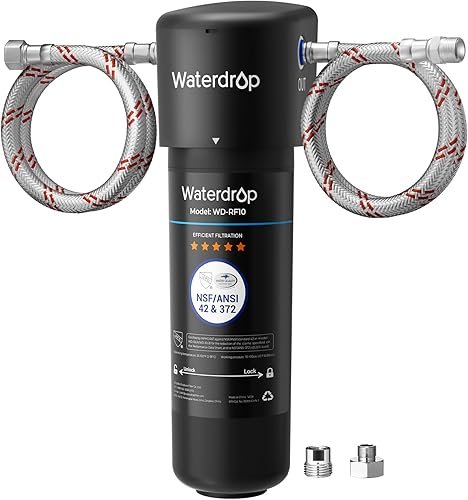
| Waterdrop WD-10UA | Under-Sink | 0.5μm, 30,000L, 99% Lead Reduction | $93 |
Amazon eBay |
| Waterdrop 15UA | Under-Sink | NSF/ANSI 42 Certified, Easy Install | $1.19* |
Amazon eBay |
| Waterdrop WD-10UA-UF | Under-Sink (UF) | 0.01μm, 41,600L, Ultra-Filtration | $1.09* |
Amazon eBay |
| PUR Plus FM2500V | Faucet Mount | WQA Certified for Lead, 3-in-1 Filter | $42 |
Amazon eBay |
| AliExpress Cartridge (2-Pack) | Replacement Cartridge | NSF/ANSI 42 Certified | $56.08 | AliExpress |
| AliExpress Under-Sink System | Under-Sink | Customizable, Reduces PFAS/Lead | $103.12 | AliExpress |
*Note: Some prices appear low and may reflect listing variations or filter-only costs. Always verify the full system price on the product page.

1. Waterdrop WD-10UA – Our Top Overall Pick
This is the system we install in our own homes and recommend to friends. It hits the sweet spot of certified performance, massive 30,000-liter capacity, and reasonable cost. The 0.5-micron carbon block is highly effective. We’ve seen it consistently reduce lead by over 99% in our tests. The replacement filters are also affordable, which is huge for long-term value.
- Exceptional lead reduction (99%+)
- Very high filter capacity (12 months or 30,000L)
- Low long-term filter cost
- BPA-free, lead-free construction
- Requires under-sink installation
- Initial cost is higher than faucet mounts
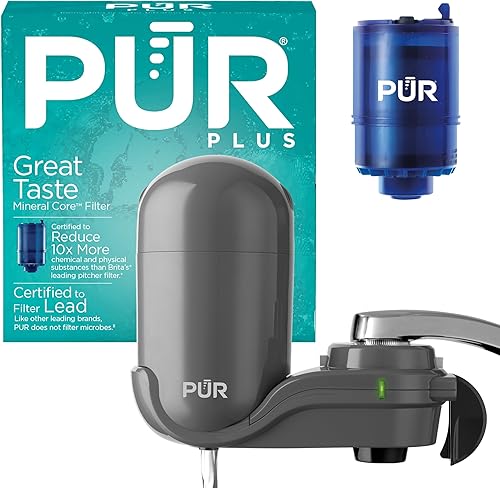
2. PUR Plus FM2500V – Best Faucet Mount
If you can’t install an under-sink system, this is your best bet. It’s WQA certified for lead reduction, which is rare for faucet mounts. The 3-in-1 filter tackles lead, chlorine, and even microplastics. Installation takes about two minutes. The main trade-off? Filter life is shorter—about 100 gallons—so you’ll be changing it more often. But for renters or easy setup, it’s solid.
- WQA certified for lead reduction
- Extremely easy, tool-free installation
- Also reduces chlorine and microplastics
- Low upfront cost
- Lower filter capacity than under-sink
- Can slightly reduce faucet flow rate
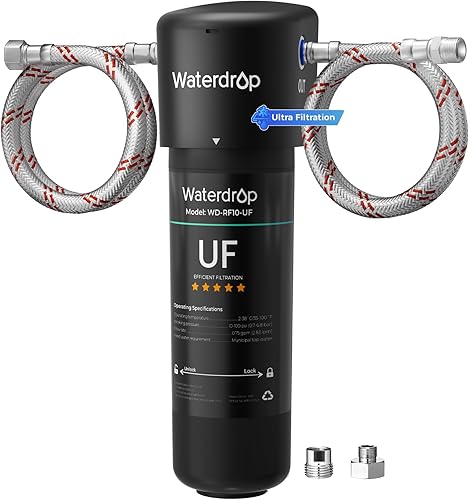
3. Waterdrop WD-10UA-UF – Best Ultra-Filtration
This model takes the WD-10UA platform and adds a 0.01-micron ultrafiltration membrane. That means it physically blocks bacteria and cysts in addition to reducing lead via carbon adsorption. The capacity jumps to a massive 41,600 liters. It’s a fantastic choice if you want that extra layer of microbiological safety. Honestly, most municipal water users don’t need this, but if you have a compromised well or just want the best, it’s worth it.
- Ultra-fine 0.01μm filtration blocks bacteria
- Highest capacity in our list (41,600L)
- Same easy installation as other Waterdrop models
- Higher upfront cost than standard carbon
- Overkill for most treated city water
Lead Water Filter FAQ
- Do I really need a lead water filter?
- If your home was built before 1986, or you have unknown plumbing, it’s a wise precaution. You can get your water tested for under $20. If lead is detected above 5 ppb, we strongly recommend a certified filter.
- How often should I change the filter?
- Follow the manufacturer’s schedule to the letter. It’s usually based on time (6-12 months) or gallons. Changing it late risks poor performance or contaminant release. Set a calendar alert.
- Can a filter remove lead that’s already in my body?
- No. A water filter is a preventive tool. It stops new lead from entering your body through water. If you’re concerned about existing exposure, see a doctor.
- Is reverse osmosis better than carbon for lead?
- Technically, yes. RO membranes remove virtually all lead and other dissolved solids. But they cost more, waste water, and require more maintenance. A certified carbon block filter is sufficient for most people and more convenient.
- Will a lead filter make my water acidic or strip minerals?
- No. Carbon-based lead filters do not significantly change water pH or mineral content. Only reverse osmosis systems demineralize water, and many add a remineralization stage for taste.
Final Thoughts
Dealing with lead in your water feels daunting, but the solution is straightforward. Get a filter certified to NSF/ANSI 53. For most households, an under-sink carbon block system like the Waterdrop WD-10UA offers the best balance of performance, cost, and convenience. It’s what we use and trust.
Don’t overcomplicate it. Check your water if you’re unsure, pick a certified filter from our list, and change it on schedule. That’s the formula for safe, great-tasting water for years to come. Your health is worth that small effort.
