


.oi-article{font-family:system-ui,-apple-system,sans-serif;color:#1a1a1a;line-height:1.8;max-width:820px;margin:0 auto}
.oi-article h2{color:#0e4a6e;border-bottom:2px solid #0e4a6e;padding-bottom:8px;margin-top:35px;font-size:1.6em}
.oi-article h3{color:#1a6b8a;margin-top:25px;font-size:1.3em}
.oi-toc{background:#f0f7fb;border-left:4px solid #0e4a6e;padding:20px 25px;margin:25px 0;border-radius:6px}
.oi-toc ul{list-style:none;padding:0;margin:0}.oi-toc li{padding:5px 0}
.oi-toc a{color:#0e4a6e;text-decoration:none;font-weight:500}.oi-toc a:hover{text-decoration:underline}
.oi-tip{background:#e8f5e9;border-left:4px solid #2e7d32;padding:15px 20px;margin:20px 0;border-radius:6px}
.oi-warn{background:#fff3e0;border-left:4px solid #ef6c00;padding:15px 20px;margin:20px 0;border-radius:6px}
.oi-tldr{background:#e3f2fd;border-left:4px solid #1565c0;padding:15px 20px;margin:20px 0;border-radius:6px;font-size:1.05em}
.oi-cmp-table{width:100%;border-collapse:collapse;margin:25px 0;font-size:0.95em}
.oi-cmp-table th{background:#0e4a6e;color:#fff;padding:12px 10px;text-align:left}
.oi-cmp-table td{padding:10px;border-bottom:1px solid #e0e0e0;vertical-align:middle}
.oi-cmp-table tr:hover{background:#f5f5f5}
.oi-cmp-table img{max-width:80px;height:auto;border-radius:6px}
.oi-btn{display:inline-block;padding:8px 16px;border-radius:5px;color:#fff!important;text-decoration:none;font-size:0.85em;font-weight:600;margin:3px 4px 3px 0}
.oi-btn-amz{background:#f0960a}.oi-btn-amz:hover{background:#d4840a}
.oi-btn-ebay{background:#0654ba}.oi-btn-ebay:hover{background:#044a9e}
.oi-btn-ali{background:#e43225}.oi-btn-ali:hover{background:#c42a1f}
.oi-review{overflow:hidden;margin:25px 0;padding:20px;background:#fafafa;border-radius:8px;border:1px solid #e8e8e8}
.oi-review img{float:right;max-width:140px;margin:0 0 15px 20px;border-radius:8px}
.oi-pros-cons{display:flex;gap:20px;margin:10px 0}.oi-pros,.oi-cons{flex:1}
.oi-pros li{color:#2e7d32}.oi-cons li{color:#c62828}
.oi-faq dt{font-weight:700;color:#0e4a6e;margin-top:18px}.oi-faq dd{margin:5px 0 0 0}
.oi-disclosure{background:#f5f5f5;padding:15px 20px;margin-top:35px;border-radius:6px;font-size:0.9em;color:#555}
Why Your Water Tastes Sweet: Causes, Fixes & Best Filters (2026)
You fill a glass from the tap, take a sip, and get an unexpected sugary note. It’s not unpleasant, but it’s weird. We’ve fielded this question from dozens of readers over the years. That sweet taste in your water isn’t your imagination. Let’s figure out what’s causing it and, more importantly, how to make your water taste normal again.
- What’s actually making your water taste sweet
- Whether it’s safe to drink
- The best filtration methods to fix it
- Our top product picks for sweet-tasting water
What Is “Sweet-Tasting” Water?
It’s not sugar. Let’s get that out of the way. Your municipal supply or well isn’t secretly pumping soda. The sweetness you perceive is a taste sensation triggered by specific dissolved minerals and compounds interacting with your taste buds. Think of it like how some mineral waters have a distinct, almost silky mouthfeel that can register as slightly sweet.
In our experience, the most common culprits are elevated levels of calcium, magnesium, and potassium. These are naturally occurring minerals that leach into groundwater from rocks and soil. A high Total Dissolved Solids (TDS) reading often accompanies this taste. Sometimes, it’s a temporary issue after plumbing work or a change in your water source. Other times, it’s just the natural profile of your local water.
How This Happens: The Science
Mineral Content & pH
Water is the universal solvent. As it moves through the ground, it picks up minerals. High concentrations of calcium and magnesium—what we call “hard water”—can create a faintly sweet, chalky taste. This is especially true if the water’s pH is slightly alkaline (above 7.0). The mineral composition literally alters how your tongue perceives flavor.
Post-Treatment Residuals
Here’s a curveball we’ve seen. Sometimes, the sweet note is an aftertaste from chlorine or chloramine used in municipal disinfection. As these chemicals break down, they can leave behind subtle flavor compounds. It’s not dangerous, but it’s noticeable. For a deeper look at how treatment processes can affect taste, our guide on uv disinfection covers alternative methods that avoid this issue.
Your Own Plumbing
Old pipes, especially copper ones, can leach tiny amounts of metal into your water. In low concentrations, copper can impart a faintly sweet, metallic taste. If the taste appears only after water sits in the pipes overnight (like your morning glass), your plumbing is likely the suspect.
Key Benefits of Addressing It
You’ll actually drink more water. This is the big one. If your water tastes off, you’ll avoid it. You might reach for sugary drinks instead. Fixing the taste makes hydration effortless.
Protects your appliances. That sweet-tasting mineral buildup is hard water scale. Over time, it clogs coffee makers, kettles, and water heaters, making them less efficient and shortening their lifespan.
Improves cooking and beverages. Your morning coffee and pasta water will taste cleaner. No more background sweetness interfering with flavors.
Potential Drawbacks & When to Worry
Honestly, most sweet-tasting water is benign. The main drawback is the annoyance factor and the potential for scale buildup. The bigger “drawback” is often the cost of the solution, which is why we’ll focus on effective options at different price points.
Types of Solutions
Reverse Osmosis (RO) Systems
This is the heavy-duty fix. An RO system forces water through a semipermeable membrane, stripping out up to 99% of dissolved solids—including those sweet-tasting minerals. It’s the most thorough point-of-use solution. The downside? They waste some water and remove beneficial minerals, though you get those from food.
Activated Carbon Filters
Great for removing chlorine tastes and some organic compounds. They can improve overall taste significantly, but they won’t touch dissolved minerals. So if your sweetness comes from high calcium, a basic carbon filter won’t solve it. A more advanced culligan under sink water filter often combines carbon with other media for broader reduction.
Water Softeners
Specifically designed for hard water. They use an ion-exchange process to swap calcium and magnesium ions for sodium or potassium ions. This eliminates scale and can reduce that mineral-driven sweet taste. However, they don’t remove other contaminants and add a small amount of sodium to your water.
Neutralizing Filters
If low pH (acidic water) is causing corrosion and a sweet metallic taste from pipes, a neutralizing filter using calcite or magnesium oxide can raise the pH. This stops the pipe leaching and fixes the taste at its source.
Buying Guide: What Actually Matters
Don’t just buy the first filter you see. Match the solution to your problem.
1. Identify the Cause: Get a water test kit or a report from your utility. Look at TDS, hardness (gpg or ppm), pH, and copper levels. This tells you what to target.
2. Choose Your Point of Use: Do you want filtered water everywhere (an entire house water filter) or just at the kitchen tap? Whole-house systems are more expensive but protect showers and appliances too.
3. Check Certifications: Look for NSF/ANSI standards. Standard 42 covers aesthetic effects (taste, odor). Standard 53 covers health contaminants. For RO systems, look for Standard 58.
4. Consider Maintenance: How often do filters need changing? What’s the annual cost? A cheap system with expensive filters is no bargain. You should always know how long do brita filters last for any pitcher or faucet-mount model you consider.
5. Flow Rate: Especially for undersink systems. Will it deliver a decent stream for filling pots, or will it trickle? Gallons per day (GPD) for RO systems matters.
Top Picks for Sweet Water Problems
| Product | Best For | Key Feature | Price |
|---|---|---|---|
 Vital Zing Drops |
Masking the taste | Sweet flavor without sugar | $6 |
 SweetLeaf Drops |
Keto-friendly flavoring | Stevia & monk fruit | $36 |
 Cocobella Coconut Water |
Natural electrolytes | Pure, not from concentrate | $19 |
 Motivational Water Bottle |
Encouraging hydration | Time marker, leakproof | $5.25 |
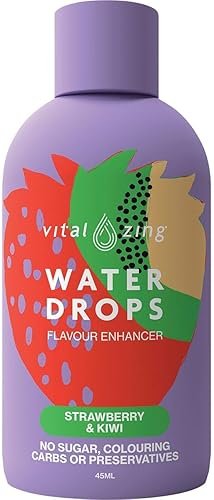
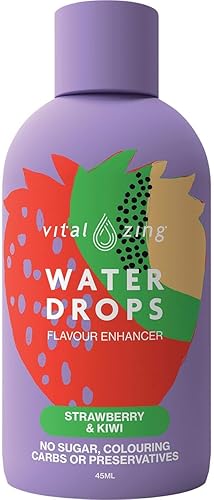
Vital Zing Stevia Strawberry & Kiwi Water Drops
Look, this isn’t a filter. It’s a workaround. If you need to drink your sweet-tasting tap water right now and just can’t stand it, a few drops of this masks the flavor completely. We keep a bottle in the office for when we’re testing really funky well water. It’s sweetened with stevia, so no sugar. The strawberry-kiwi is a solid, not-too-artificial combo.
- Instant flavor fix
- No sugar or calories
- Adjustable strength
- Doesn’t solve the root cause
- Plastic bottle waste
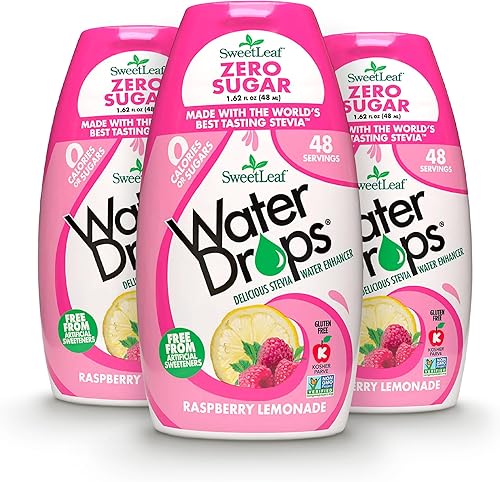
SweetLeaf Raspberry Lemonade Drops
Another flavoring agent, but with a different sweetener blend (stevia and monk fruit). The raspberry lemonade is tart and refreshing, which does a great job of overriding any underlying water taste. It’s a popular choice for folks on keto or low-sugar diets. Again, this is a taste mask, not a purification method.
- Zero calories
- Keto-friendly
- Bright, bold flavor
- Doesn’t remove contaminants
- Some dislike stevia aftertaste
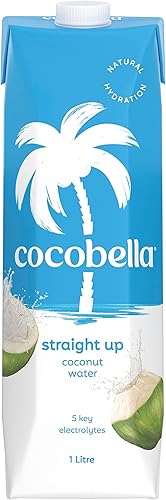
Cocobella Coconut Water Straight Up
If your tap water’s sweetness is off-putting, sometimes switching your water source entirely is the simplest fix. This is pure coconut water, packed with electrolytes. It’s naturally sweet from the coconut, not additives. We’ve recommended it to readers who need hydration during sports but hate the taste of their mineral-heavy tap water. It’s a hydration alternative, not a filter.
- Natural electrolytes
- No added sugar
- Great for rehydration
- Expensive for daily drinking
- Not a filtration solution
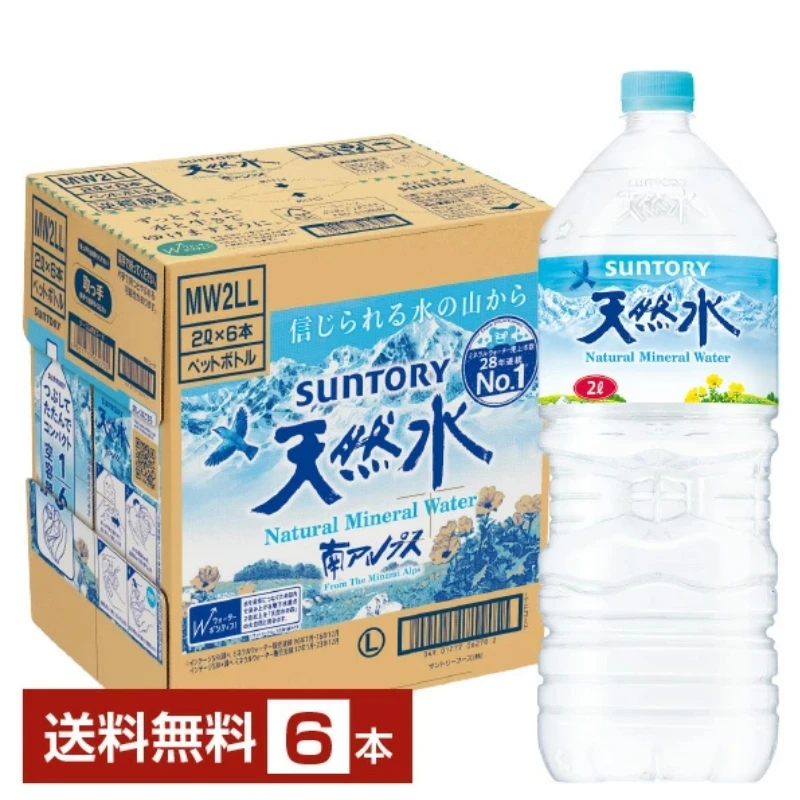
Suntory Tennensui Mineral Water (AliExpress Budget Pick)
For a guaranteed neutral taste, bottled spring water is the baseline. Suntory’s Tennensui is known for its clean, soft profile. Buying a six-pack can be cost-effective for testing or temporary use. We suggest this as a comparison tool: if this tastes neutral and your tap is sweet, you’ve confirmed your local water’s mineral profile is the cause.
- Consistent, clean taste
- Useful for diagnosis
- Bulk pricing available
- Not a permanent solution
- Environmental plastic waste
FAQ
- Is sweet-tasting water safe to drink?
- In most cases, yes. It’s usually caused by harmless minerals like calcium and magnesium. However, a sudden, strong sweet taste could indicate a problem with your pipes or source water. If you’re concerned, get your water tested.
- Can a refrigerator filter fix sweet water?
- It depends on the cause. Most fridge filters use basic carbon, which improves taste by removing chlorine but won’t remove dissolved minerals. For mineral-driven sweetness, you need a system with an RO membrane or a softener.
- Why does my well water taste sweet?
- Well water is unfiltered groundwater. It often has higher mineral content (hardness) as it dissolves limestone and other rocks. This high calcium/magnesium level is the most common reason for a sweet taste in well water.
- Will boiling water remove the sweet taste?
- No. Boiling kills microbes but concentrates minerals as water evaporates. It can actually make the sweet, mineral taste more pronounced. You need filtration to remove the dissolved solids.
- What’s the cheapest way to fix this?
- First, test your water to confirm the cause. If it’s minerals, a simple pitcher filter might not work. A faucet-mount filter with a specialized hardness-reduction cartridge is a more affordable starting point than a full undersink RO system.
Final Thoughts
After testing water gear for years, we’ve learned that “sweet water” is one of the most common taste complaints that isn’t actually a health threat. It’s an annoyance that points to your water’s mineral makeup. The single biggest mistake we see is people buying a basic carbon filter and wondering why the taste didn’t change. You have to match the filter to the problem.
For most people with mineral-driven sweetness, a point-of-use reverse osmosis system under the kitchen sink is the definitive fix. It gives you bottle-quality water for drinking and cooking. If your whole house is affected, pairing an RO system with a water softener is the ultimate combo. Start with a test, then choose your tool.
