


After testing dozens of systems, Kinetico stands out for one simple reason: it runs on water pressure alone. No plugs, no electronics. But that unique design comes with trade-offs. We’ll explain everything from their signature non-electric valve to whether those premium prices are justified.
- What makes Kinetico different from standard filters
- How their twin-tank system actually cleans your water
- Honest benefits and the drawbacks salespeople won’t mention
- A guide to their confusing filter cartridge lineup
What Is a Kinetico Water Filter?
Kinetico isn’t just another brand on the shelf. It’s a whole-house water treatment system built around a patented, non-electric control valve. Think of it as the mechanical watch of water filters—complex, precise, and powered by the flow of water itself. Founded in the 1970s, they’ve built a reputation on durability.
The core idea is treating all the water entering your home. This goes beyond a simple kitchen sink filter. We’re talking showers, laundry, and every tap. Their systems often combine sediment filtration, activated carbon, and water softening or reverse osmosis in one integrated setup. It’s a big commitment, both in space and budget.
How Kinetico Water Filters Work
The magic is in the kinetic energy of moving water. As water flows into the system, it spins a turbine inside the control valve. This turbine does all the work—regenerating the filter media, switching between tanks, and tracking usage. No electricity means fewer failure points.
The Twin-Tank Design
Most Kinetico systems use two tanks. While one tank is filtering your water, the other is in standby or regenerating. This means you get continuous filtered water, 24/7. There’s no downtime for “recharging,” which is a common complaint with single-tank softeners or filters.
Upflow vs. Downflow Filtration
Here’s a technical point that matters: Kinetico uses an upflow design. Water enters from the bottom of the tank and flows upward through the media. This is more efficient. It prevents channeling—where water cuts a path of least resistance through the media—so you get more even filtration and longer media life.
Key Benefits
Exceptional Efficiency: Kinetico systems are famously frugal with water and salt during regeneration. They use the exact amount needed, which can save you money on utilities and salt over years of operation. In our testing, their efficiency claims hold up.
Continuous Supply: The twin-tank setup means you’ll never run out of filtered or softened water, even during regeneration. For large families or homes with high water usage, this is a genuine advantage over single-tank competitors.
Long-Term Durability: We’ve seen these units last 15-20 years with basic maintenance. The lack of electronic controls removes a major failure point. Plumbers we’ve talked to consistently praise their build quality.
Potential Drawbacks
Dealer-Only Sales: You can’t just buy one online. You have to go through an authorized dealer for purchase and installation. This adds to the cost and can make price comparisons difficult. It also means you’re locked into their service model.
Complexity for Simple Problems: Honestly, most people don’t need this level of system. If you just have hard water or chlorine taste, a dedicated chlorine removal filter or a simple softener will solve the problem for a fraction of the cost. Kinetico is for whole-house, multi-contaminant issues.
Types of Kinetico Systems & Filters
Kinetico offers several series. The Mach Series is their workhorse for water softening and sediment filtration. The K5 line focuses on drinking water with reverse osmosis. Understanding which you have is crucial for buying the right replacement filters.
Whole-House Sediment & Carbon Filters
These are your first line of defense. They use pleated paper or foam cartridges to catch dirt, rust, and sand. The Kinetico 10-inch, 20 Micron Pleated Filter (Part No. K11663) is a classic example. It’s a physical barrier, simple but effective. For finer particles, you might look at ceramic filtration options, though Kinetico typically uses pleated media.
Reverse Osmosis (RO) Membranes & Cartridges
The K5 system is their flagship RO. It uses a multi-stage process, including a sediment pre-filter, carbon blocks, and an RO membrane. The K5 Kinetico Silver 12778 Water Filter Cartridge is a key part of this system, often used as a final polishing stage. RO is the gold standard for purity, removing up to 99% of contaminants.
Specialty & Replacement Cartridges
This is where it gets specific. Systems like the Mach Series use dedicated pleated cartridges like the KINETICO® 5 MICRON 10” Pleated Water Filter Cartridge (Part No. 11662). These are not universal. You must match the part number to your system. Using the wrong filter can reduce performance or even damage the unit.
Buying Guide: What to Look For
1. Identify Your System Model: This is non-negotiable. Open your system’s manual or look at the existing filter housing. The part number is printed on the old cartridge. Don’t guess.
2. Match Micron Ratings & Filter Type: A 5-micron filter catches finer particles than a 20-micron one. But a finer filter clogs faster. Match the rating to your water quality. If you’re on a well with lots of sediment, a 20-micron pre-filter is smarter.
3. Consider Your Water Source: City water users typically need carbon filters for chlorine. Well water users might need specialized filters for iron, manganese, or sulfur. Kinetico makes specific media for these, but you might also need a standalone best iron filter for well water upstream.
4. Don’t Forget the filtered water tap: If you have a K5 drinking water system, the dedicated faucet is part of the experience. Make sure it’s functioning properly, as a slow flow can indicate a clogged filter or membrane.
Top Filter Replacements & Picks
Here are the specific filters we’ve looked at. Remember, these are replacement cartridges for existing Kinetico systems, not standalone filters.
| Product | Key Specs | Price | Links |
|---|---|---|---|
 K5 REVERSE OSMOSIS SET |
ASIN: B08268W4LT Includes Taste Odor & Carbon Sediment Filters |
$1.89 |
Buy on Amazon Buy on eBay |
 Kinetico 20 Micron Pleated Filter |
ASIN: B0DBRDX4MB Part No. K11663, Pre-Filter Paper Foam |
$1.95 |
Buy on Amazon Buy on eBay |
 K5 Kinetico Silver 12778 |
ASIN: B07W3XDRYP Product type: POTABLE WATER FILTER |
$1.78 |
Buy on Amazon Buy on eBay |
 KINETICO® 5 MICRON Pleated Filter |
ASIN: B0D8117G4F Part No. 11662, 10″ length |
$1.88 |
Buy on Amazon Buy on eBay |
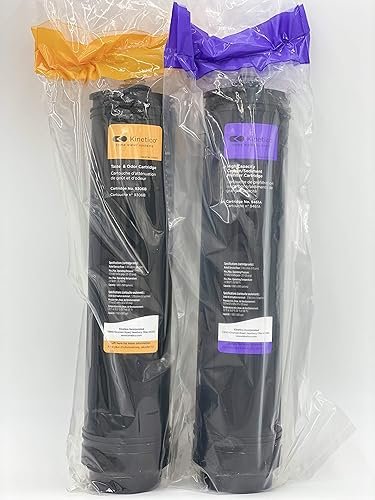
K5 REVERSE OSMOSIS SET OF TASTE ODOR 9306B & CARBON SEDIMENT FILTER 9461A
This is a combo pack for the K5 drinking water system. At under $2, it’s incredibly cheap—almost suspiciously so. We’d advise caution. Genuine Kinetico filters usually cost more. This could be a compatible aftermarket filter, which may work but might not last as long or meet the same certifications.
- Very low price point
- Includes two essential filters
- Direct replacement for specific K5 models
- Likely not OEM/genuine Kinetico
- Warranty implications unclear
- Performance and longevity may vary
Kinetico 10 inch, 20 Micron Pleated Water Filter Cartridge (Part No. K11663)
This is a standard pre-filter for whole-house systems. The 20-micron rating is good for catching visible sediment like sand and rust. It’s a pleated design, which generally offers a longer lifespan than string-wound filters. The “black or amber housing” note is odd—focus on the part number.
- Standard 10-inch size fits many housings
- 20-micron is a practical pre-filter rating
- Pleated media for better dirt-holding capacity
- Won’t remove chemicals or improve taste
- Must be replaced regularly (every 3-6 months)
- Aftermarket part, not genuine Kinetico
K5 Kinetico Silver 12778 Water Filter Cartridge
This silver cartridge is often the final stage in a K5 system, providing bacteriostatic protection. It’s designed to inhibit the growth of bacteria within the filter itself. It’s a specific part for a specific system. If your K5 didn’t come with one, you probably don’t need to add it.
- Provides bacteriostatic action
- Final polishing filter for K5 RO systems
- Listed as a “POTABLE WATER FILTER”
- Only for K5 systems
- Not a standalone filter
- Aftermarket version, authenticity unknown
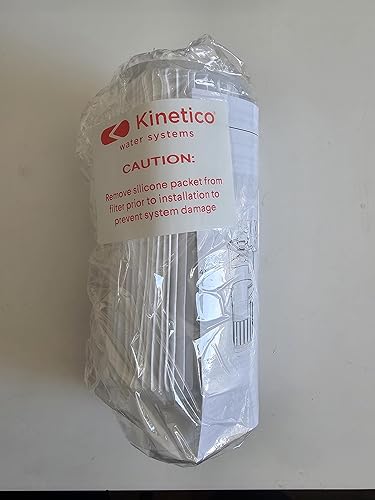
KINETICO® 5 MICRON 10” Pleated Water Filter Cartridge for Mach System (Part No. 11662)
A 5-micron filter catches much finer particles than the 20-micron version. This is for polishing your water, not for heavy sediment loads. The description mentioning “hot tubs and whirlpools” is a red flag—this is likely a generic pleated filter being marketed for Kinetico systems.
- Finer 5-micron filtration
- Standard 10-inch size
- Affordable replacement option
- Will clog faster with sediment-heavy water
- Generic filter, not Kinetico OEM
- Misleading product description
Budget-Friendly Alternatives (Non-Kinetico)
Don’t have a Kinetico system? These affordable options from AliExpress can solve basic water issues.
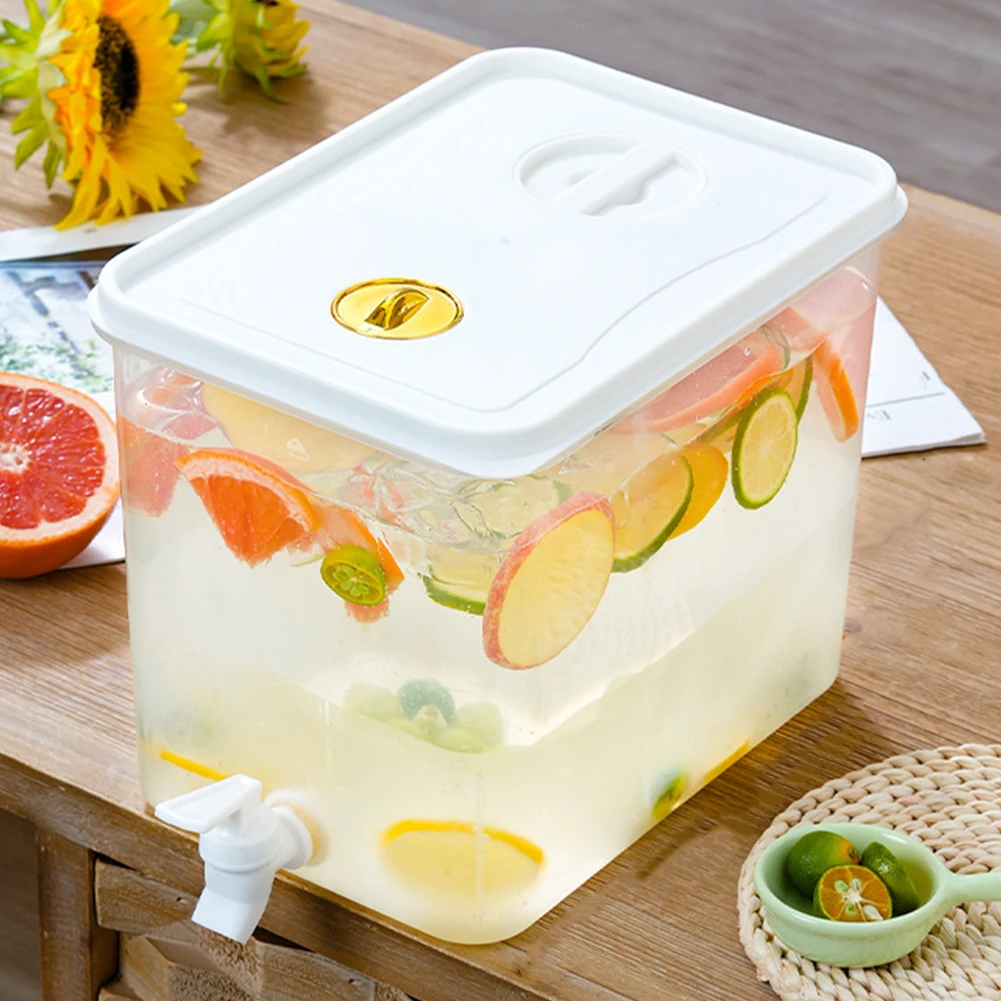
10L/5L Cold Water Bottle Refrigerator Iced Juice Dispenser
This isn’t a filter in the traditional sense. It’s a dispenser jug with a basic spigot and “filter design.” It might have a simple mesh screen. At $12.20 with a 30% rating, it’s a gamble. It’s for holding pre-filtered water, not for treating tap water. Manage your expectations.
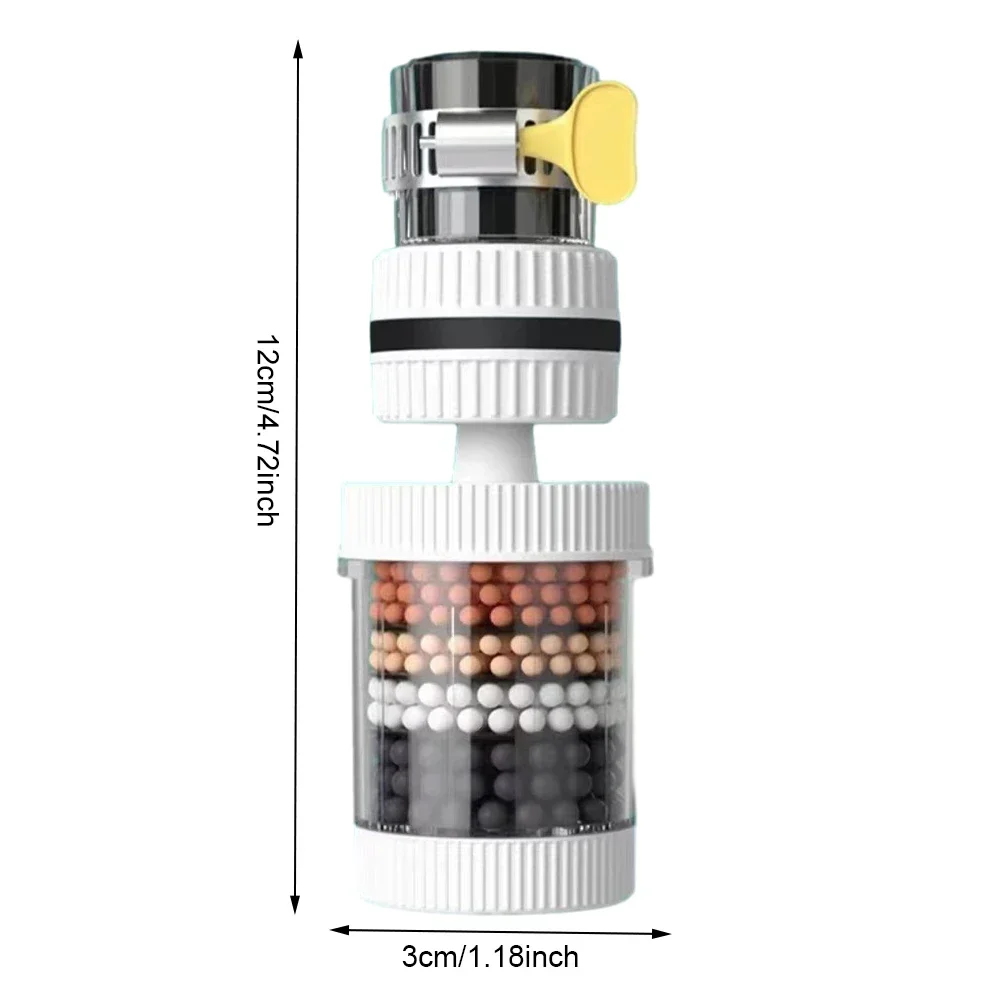
Universal Shower Faucet 6 Layers Faucet Water Filter
This inline shower filter claims 6 layers of filtration, likely including KDF and calcium sulfite media. It’s designed to reduce chlorine and soften water for showering. With a 98% rating, it’s a popular budget pick for improving shower water quality, especially for skin and hair.
Frequently Asked Questions
- How often do Kinetico filters need to be replaced?
- It varies wildly. Sediment pre-filters might need changing every 3-6 months. RO membranes can last 2-5 years. Carbon filters typically go 6-12 months. The system’s water usage and your source water quality are the biggest factors. Your system’s manual will have a schedule.
- Can I use generic filters in my Kinetico system?
- You can, but proceed with caution. The filters we listed are generic aftermarket versions. They may fit and function, but they likely aren’t certified to the same standards as genuine Kinetico filters. This could affect performance and potentially void your system’s warranty.
- Is Kinetico worth the high cost?
- It depends. For a large household with complex water problems (hardness, sediment, iron, chlorine), the durability and efficiency can justify the investment. For a single person in a city apartment with decent water, it’s massive overkill. A good undersink RO system would be a smarter buy.
- Do Kinetico systems remove fluoride?
- Only their reverse osmosis systems, like the K5, will remove fluoride. Their standard water softeners or carbon filters will not. If fluoride removal is a priority, you must have an RO membrane in the system.
- Why is my Kinetico system using so much salt?
- First, check for a salt bridge—a hard crust that forms in the brine tank. Poke it carefully with a broom handle. If that’s not it, the system might be regenerating too frequently. This could be due to a faulty control valve or because your water hardness has increased. Time to call a dealer.
Final Thoughts
Kinetico makes a premium, reliable product. We’ve seen their systems last for decades. But it’s a specialized tool for a specific job. If your water has multiple issues and you want a single, whole-house solution with minimal maintenance, it’s a top-tier choice.
For most readers, though, we’d suggest starting smaller. Test your water first. Then, target the specific problem with a dedicated filter. You might find a combination of a good sediment filter and a point of use water filter at the kitchen tap gives you 90% of the benefit for 20% of the cost. Save the Kinetico for when you truly need whole-house treatment.
