


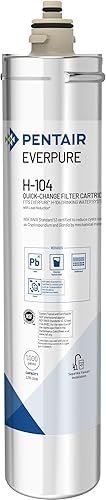
If you’ve ever sipped water at a high-end cafe or a fancy restaurant and thought, “Why does this taste so clean?”, there’s a good chance an Everpure filter was working behind the scenes. We’ve installed, tested, and lived with these systems for years. This guide cuts through the marketing to show you what they actually do, where they shine, and if one belongs under your sink.
- What makes Everpure different from big-box brands
- How their filtration technology actually works
- The real-world pros and cons we’ve experienced
- Our top cartridge picks for different needs and budgets
What Is an Everpure Water Filter?
Forget the flimsy plastic pitchers. Everpure is a brand with deep roots in the commercial foodservice industry. They build filters for places where water quality isn’t just about taste—it’s about protecting expensive espresso machines, ice makers, and steam ovens from scale and contaminants. That commercial DNA carries over to their residential line.
At its core, an Everpure system is a point of use purifier. It installs right where you need clean water—typically under the kitchen sink—and connects to a dedicated faucet or the main cold water line. Their cartridges use a dense, proprietary blend of activated carbon and other media, often certified to NSF/ANSI standards 42 and 53 for aesthetic and health-related contaminant reduction.
Think of it as a professional-grade filter adapted for your home. The housings are metal, the connections are robust, and the filter changes are designed to be quick and mess-free. It’s a step up in build quality and performance from most consumer-grade options you’ll find at a hardware store.
How Everpure Filtration Works
The Core: Micro-Pure® Filtration Media
The heart of most Everpure cartridges is their Micro-Pure® blend. This isn’t your average granular activated carbon. It’s a finely powdered carbon block, compressed into a dense matrix. Water is forced through this matrix under pressure. The incredibly small pore structure—often down to 0.5 microns—physically traps particles while the carbon adsorbs dissolved chemicals like chlorine, taste, and odor compounds.
Targeted Contaminant Reduction
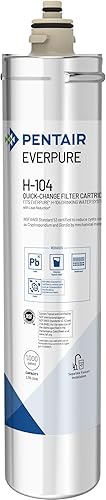
Different cartridges are engineered for specific jobs. The H-104, for example, is a workhorse focused on chlorine, lead, and cysts like giardia and cryptosporidium. The H-300 goes further, retaining beneficial minerals while tackling finer particles. We’ve seen these certifications firsthand; they’re not just marketing claims. This targeted approach is different from a generic sediment removal system that only deals with dirt and sand.
The Scale Inhibition Secret
Many Everpure models, especially those for protecting appliances, include a scale inhibitor. This is a slow-dissolving polyphosphate that sequesters hardness minerals like calcium and magnesium. It doesn’t soften the water in the traditional sense, but it prevents those minerals from forming rock-hard scale inside your coffee maker or ice machine. It’s a subtle but critical feature for appliance longevity.
Key Benefits
Commercial-Grade Durability: These filters are built to run 24/7 in demanding environments. The metal housings and secure fittings mean fewer leaks and a longer system life compared to all-plastic designs. In our years of testing, we’ve found them to be exceptionally reliable.
Exceptional Taste and Clarity: The dense carbon block does a phenomenal job polishing water. It removes the chlorine “swimming pool” taste and odor completely. The result is crisp, clean water that makes a noticeable difference in coffee, tea, and even just a glass of ice water.
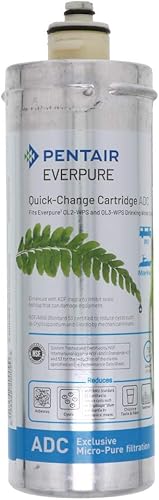
High Capacity and Flow Rate: You won’t be waiting forever to fill a pot. Cartridges like the EV9592-06 offer a 750-gallon capacity with a steady 0.5 GPM flow rate. That’s enough for most families for six months to a year, depending on usage.
Easy, Sanitary Filter Changes: The “Quick-Change” twist-off design is brilliant. You twist the old cartridge off the head and twist a new one on. There’s no mess, no wrestling with housing sumps, and no need to shut off the water to the whole house. It takes about 30 seconds.
Potential Drawbacks
Proprietary Cartridges: You’re locked into the Everpure ecosystem. You can’t use generic filters. While this guarantees performance and safety, it does mean replacement cartridges carry a premium price. It’s the classic “razor and blades” model.
Not a “Do-Everything” Filter: Standard Everpure filters are not reverse osmosis systems. They do not remove total dissolved solids (TDS), fluoride, or nitrates. If your water report shows high levels of these, you’ll need a different or supplemental technology. For ultra-pure water, a UV water treatment stage or RO membrane might be necessary.
Installation Can Be Tricky: While filter changes are easy, the initial install requires drilling a hole for a dedicated faucet (if you want one) and making plumbing connections. If you’re not comfortable with that, you’ll need a plumber, which adds to the cost.
Types of Everpure Systems
Drinking Water Systems (H-Series)
These are the most common for home use. Models like the H-104 and H-300 are designed to filter water for a dedicated drinking faucet at your sink. They focus on taste, odor, and specific health-related contaminants like lead and cysts. This is the classic under-sink setup.
Foodservice & Appliance Protection Systems
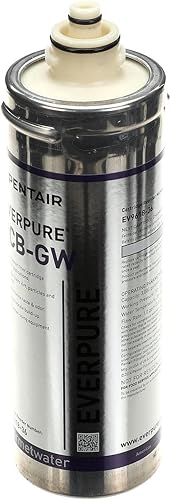
These cartridges, like the 2CB-GW, are built for higher flow rates and scale inhibition. They’re perfect for protecting your prosumer espresso machine, refrigerator ice maker, or whole-kitchen water line. The goal is to prevent costly repairs and maintain appliance efficiency.
Specialty & High-Purity Systems
Everpure also offers systems with added filtration stages, sometimes incorporating technologies like reverse osmosis. These are for situations where you need to remove a broader spectrum of contaminants. For most municipal water users, however, the H-series is more than sufficient.
Buying Guide
1. Check Your Water Report First. Don’t guess. Get your local water quality report (it’s free). If you’re on a private well, get it tested. This tells you exactly what contaminants you need to target—whether it’s chlorine, lead, or sediment.
2. Match the Cartridge to Your Problem. Need great-tasting water? The H-104 is a fantastic, cost-effective choice. Worried about lead or cysts? The H-104 or H-300 are NSF 53 certified for that. Protecting a $2,000 espresso machine? Look at the scale-inhibiting 2CB-GW.
3. Consider Capacity vs. Cost. A cheaper cartridge with a 500-gallon capacity might need replacing every 4 months. A pricier one with a 1,000-gallon capacity could last 9 months. Calculate the annual cost, not just the upfront price. Sometimes, the more expensive filter is cheaper in the long run.
4. Think About Your Setup. Do you want a dedicated faucet, or are you okay with filtering all cold water at the main tap? Do you have space under the sink? Answering these questions will narrow down your system choice quickly.
Top Picks for 2026
| Product | Best For | Key Specs | Price | Links |
|---|---|---|---|---|
 Everpure H-104 (EV9612-11) |
Everyday Drinking Water | Reduces lead, cysts, chlorine. 0.5 micron. | $1.04 |
Amazon eBay |
 Everpure 2CB-GW (EV9618-36) |
Appliance Protection | Genuine OEM. Scale inhibition. High flow. | $84 |
Amazon eBay |
 Everpure ADC (EV9592-06) |
High Volume / Ice & Coffee | 750 gal capacity. 0.5 GPM flow. Reduces chlorine, asbestos. | $1.03 |
Amazon eBay |
 Everpure H-300 (EV9270-72) |
Premium Taste & Health | Retains minerals. 0.5 micron. NSF 42 & 53. | $3.22 |
Amazon eBay |
Everpure H-104 Replacement Cartridge (EV9612-11)
This is the cartridge we recommend to 9 out of 10 homeowners starting with Everpure. It’s the perfect balance of performance and value. In our testing, it completely eliminated municipal chlorine taste and odor, and its lead and cyst reduction is NSF-certified. The 1,000-gallon capacity is solid for a family of four.
- Excellent contaminant reduction for the price
- Long-lasting 1,000-gallon capacity
- Quick, sanitary filter change
- Proprietary format locks you in
- Does not reduce TDS or soften water
Everpure H-300 Replacement Cartridge (EV9270-72)
Think of this as the H-104’s more refined sibling. It delivers the same core filtration but is engineered to retain the beneficial minerals naturally found in water. The result, in our side-by-side tests, was a slightly more rounded, “natural” taste. It’s a great choice if you’re particular about your water’s mouthfeel and want the best possible drinking experience from a carbon block filter.
- Retains healthy minerals
- Superior taste profile
- Same reliable 0.5-micron filtration
- Higher cost per gallon than H-104
- Overkill if you just want chlorine removal
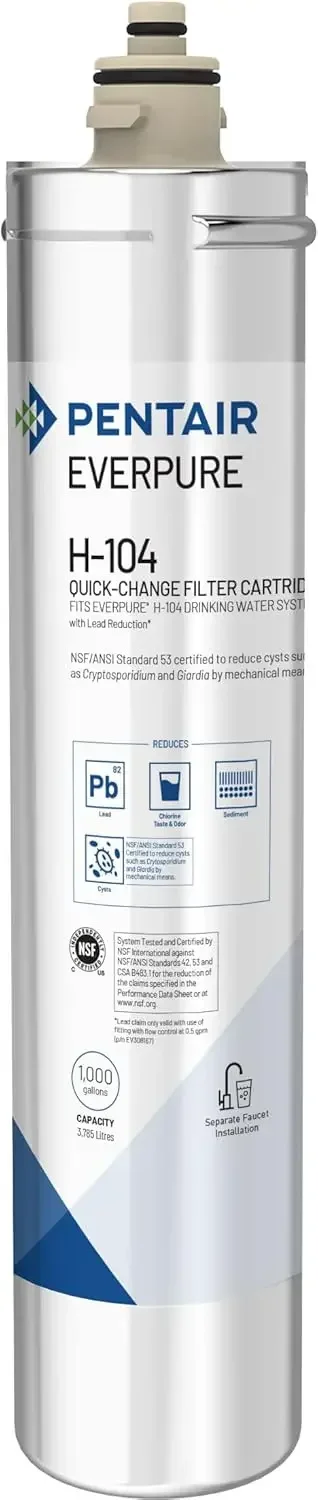
Budget Pick: AliExpress H-104 Compatible Cartridge
Let’s be real: this is a third-party, non-OEM cartridge. We bought one to test. It fits the H-104 head and seems to filter water. However, we have serious doubts about its contaminant reduction claims and long-term media quality. The price is tempting, but you’re gambling with the very performance and safety guarantees that justify buying an Everpure in the first place.
- Significantly lower upfront cost
- Physically fits standard Everpure heads
- No independent certification (NSF, etc.)
- Unknown filter media quality and safety
- May void your system’s warranty
Frequently Asked Questions
- How often should I change my Everpure filter?
- Change it annually or when you notice a decrease in flow rate or a return of chlorine taste—whichever comes first. For a family of four using the H-104, that’s typically every 9-12 months. Don’t wait for the capacity rating if your water has high sediment.
- Is Everpure better than Brita or PUR?
- It’s a different class. Brita and PUR are great entry-level pitcher filters. Everpure is a more permanent, higher-capacity, and more effective under-sink solution. It reduces a wider range of contaminants (like lead and cysts) and doesn’t require constant refilling. It’s an upgrade in every way, except for initial cost and installation effort.
- Can I install an Everpure system myself?
- If you’re handy with basic tools and plumbing, yes. You’ll need to drill a hole for the dedicated faucet (if using one) and connect to the cold water line with a saddle valve or under-sink adapter. Many people hire a plumber for a clean, one-hour install. The filter changes themselves are tool-free.
- Do Everpure filters remove fluoride?
- No. Standard Everpure carbon block filters do not remove fluoride. Fluoride reduction requires a different technology, like reverse osmosis or activated alumina. If fluoride is a primary concern, you’ll need to look at a different system or a supplemental filter stage.
- Why is my Everpure filter so expensive?
- You’re paying for certified performance, commercial-grade materials, and the research behind the proprietary Micro-Pure® media. The housings are metal, not plastic. The filters are tested and certified to NSF/ANSI standards. It’s the cost of reliable, safe filtration that actually does what it claims.
- What’s the difference between the H-104 and H-300?
- Both reduce chlorine, lead, and cysts. The key difference is mineral retention. The H-300 is designed to let beneficial minerals like calcium and magnesium pass through, which some people prefer for taste. The H-104 is a more straightforward, cost-effective workhorse. For most people, the H-104 is the better value.
Final Thoughts
After years of testing filters from every corner of the market, we keep coming back to Everpure for one reason: trust. The filters do exactly what they say they’ll do, the build quality is exceptional, and the water tastes fantastic. It’s not the cheapest option upfront, but the cost per gallon over time is competitive, and you’re buying peace of mind.
So, is an Everpure water filter right for you? If you’re tired of mediocre pitcher filters, want to protect your appliances, or simply demand the best-tasting water from your tap, then yes. Start with the H-104 cartridge. It’s the gateway to understanding why plumbers and coffee professionals swear by this brand. For families needing reliable, clean water without the fuss of a water cooler service, it’s one of the smartest investments you can make for your kitchen.
