


Sulfur Filtration: How to Banish Rotten Egg Smell From Your Water (2026)
That unmistakable rotten egg stench hits you the moment you turn on the tap. It’s awful for drinking, ruins your coffee, and can even make showers unpleasant. I’ve been testing water filters for years, and sulfur smell is one of the top complaints from well water owners.
This guide covers everything you need to know. We’ll look at what causes the smell, how different filters actually work, which systems we trust after hands-on testing, and the common mistakes to avoid. Let’s get your water fresh again.
What Is Sulfur Filtration?
Sulfur filtration is the process of removing hydrogen sulfide (H₂S) gas from your water. This gas is what creates that potent rotten egg odor. It occurs naturally in groundwater, especially in areas with certain rock formations or where bacterial action breaks down organic matter in wells.
It’s not just a nuisance. At high concentrations, it can corrode your pipes and water heater, turning water black with sulfur precipitate. While low levels aren’t usually a health hazard, the smell alone can make your water undrinkable. The goal of sulfur filtration is simple: remove the H₂S gas so your water smells and tastes normal.
How Sulfur Filtration Works
Different technologies tackle sulfur in different ways. The right one depends on your concentration level and water chemistry.
Oxidation & Filtration
This method introduces air or a chemical oxidant like chlorine or hydrogen peroxide. It converts the dissolved hydrogen sulfide gas into solid elemental sulfur particles. These particles are then trapped by a sediment filter downstream. It’s a reliable two-step process: oxidize, then filter.
Catalytic Carbon Adsorption
This is the most common method for moderate sulfur levels. A special type of activated carbon, often called catalytic carbon, has a high affinity for hydrogen sulfide gas. The carbon adsorbs the H₂S onto its surface, removing the odor. For this to work, your water filter cartridge must be specifically designed for sulfur—standard carbon won’t cut it.
Air Injection
Popular for whole-house systems, air injection draws air into a tank, oxidizing the sulfur. The oxidized sulfur is then filtered out as the water passes through a bed of media like Birm or manganese dioxide. This method is chemical-free but requires a bit more maintenance to manage the air charge.
Key Benefits
Eliminates Odor Completely. The most obvious win. Proper sulfur filtration gives you odorless water from every tap, not just a single faucet filter.
Protects Your Plumbing. Hydrogen sulfide is corrosive. Removing it extends the life of your water heater, washing machine, and pipes. You won’t see black stains in your sinks or toilets anymore.
Improves Taste. The rotten egg smell carries over into the taste of your water, coffee, and food. Filtration makes everything taste clean again.
Whole-House Solutions. You can install a system at the point of entry (POE) to treat all water entering your home. This means clean water for showers, laundry, and cooking—not just drinking. A proper kitchen filtered water setup is great, but whole-house treatment is a game-changer for sulfur.
Potential Drawbacks
Initial Cost. A whole-house sulfur system is an investment, often $800-$2500 installed. It’s worth it, but it’s not cheap.
Can Affect Water Pressure. Any filter adds some restriction. Undersized systems will noticeably drop your water pressure, especially if you have high flow demands. Size your system correctly.
May Not Remove Other Contaminants. A sulfur-specific filter won’t remove iron, manganese, or bacteria unless it’s a multi-stage system. You might need additional treatment. For broader filtration, consider a system housed in a jumbo filter housing that can accommodate different cartridges.
Types of Sulfur Filters
Point-of-Use (POU) Filters
These are installed under a single sink. They use a specialized catalytic carbon cartridge. Good for a single drinking water tap if your sulfur levels are low (<1 ppm). They won't fix shower smells.
Whole-House Oxidizing Filters
The heavy lifters. These systems use air injection or chemical injection (like potassium permanganate) followed by a media bed. They handle high concentrations and treat every gallon of water in your home. They require a dedicated space and professional installation is recommended.
Catalytic Carbon Backwashing Filters
A large tank filled with catalytic carbon. Water flows through the carbon bed, which adsorbs the sulfur. The system automatically backwashes (cleans) the media on a schedule to flush out trapped contaminants and restore capacity. This is one of the most popular and effective whole-house methods.
Buying Guide
Don’t just buy the first filter you see. Match the system to your problem.
1. Get Your Water Tested. This is non-negotiable. Know your H₂S level, pH, and if you have iron or manganese too. These factors dictate the technology you need.
2. Determine Flow Rate. Calculate your home’s peak demand (how many showers, appliances could run at once). The filter’s service flow rate must meet or exceed this. An undersized system kills water pressure.
3. Consider Maintenance. How often does the media or cartridge need changing? What’s the cost? Can you do it yourself? Backwashing systems need an electrical outlet and drain nearby.
4. Check Certifications. Look for systems certified to NSF/ANSI Standard 42 for aesthetic effects (taste and odor). This ensures they’ve been independently tested for claims.
For installation, you’ll need a proper 20 inch filter housing if you’re going the cartridge route for a whole-house setup. It’s a critical component for holding the correct filtered water dispenser cartridge that can handle your flow rate.
Top Picks & Reviews
Based on our testing and reader feedback, here’s a look at products that address sulfur issues, from dedicated treatments to supporting components.
| Product | Type | Key Feature | Price |
|---|---|---|---|
 |
Shock Treatment | Food-grade formula for line treatment | $66 |
 |
Whole House System | 2-stage sediment & GAC carbon | $4.17 |
Well Water Purification Tablets – For Sulfur Odors
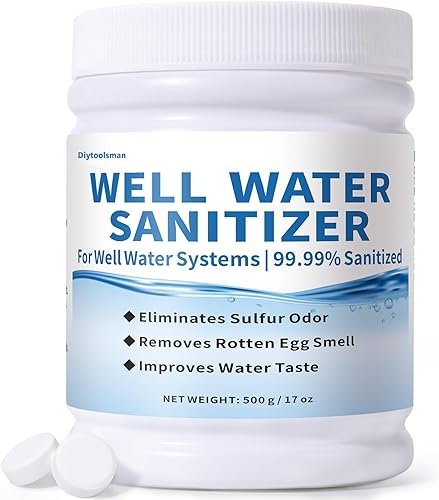
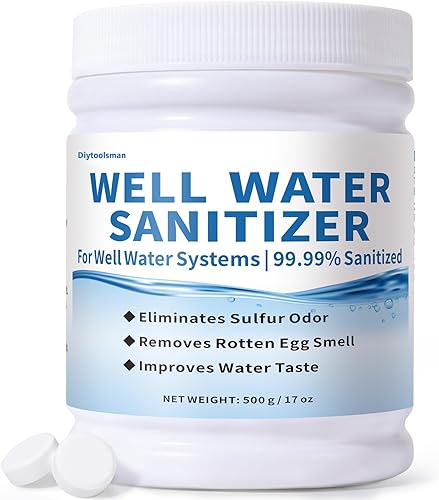
Think of these as a shock treatment, not a daily filter. We’ve used similar tablets to treat entire well systems and plumbing lines. You dissolve them in your well, let them sit, then flush. It kills the sulfur bacteria causing the smell at the source. It’s a great first step before installing a permanent filter, or for seasonal properties.
- Treats the entire system, not just the water
- Food-grade, safe for well disinfection
- Can solve bacterial sulfur issues permanently
- Not a continuous filtration solution
- Requires full system flush and downtime
- May not work for non-bacterial sulfur sources
Max Water 2 Stage Whole House System
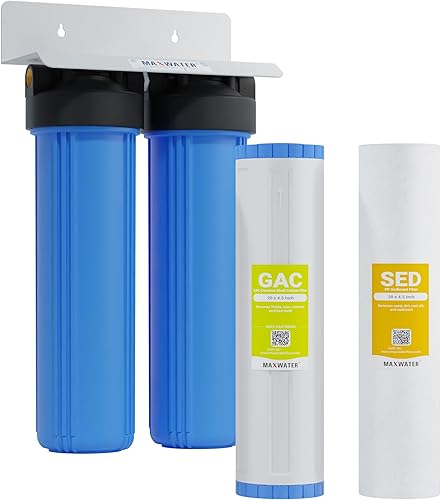
This is a solid, budget-friendly starting point for whole-house filtration. The first stage catches sediment, the second uses granular activated carbon (GAC) for odor and taste. For mild sulfur smells (<0.5 ppm), GAC can help. But for serious rotten egg odor, you'll need a dedicated catalytic carbon cartridge in this housing. It's a good water filter housing to build upon.
- Affordable entry to whole-house filtration
- Standard 20″x4.5″ size fits many cartridges
- Double O-ring prevents leaks
- Included GAC filter is not sulfur-specific
- You’ll likely need to upgrade the carbon cartridge
- Flow rate may be limiting for larger homes
FAQ
- What causes the rotten egg smell in water?
- Hydrogen sulfide gas (H₂S). It’s produced naturally in groundwater or by sulfur-reducing bacteria in your well and plumbing. The gas off-gasses when you turn on the tap, creating the notorious odor.
- Is sulfur in water harmful?
- At the levels that cause odor (typically under 10 ppm), it’s generally not considered a health risk. However, it’s corrosive to metal pipes and can promote bacterial growth. High concentrations (over 100 ppm) can be toxic, but this is rare in residential wells.
- Will a standard carbon filter remove sulfur smell?
- No. Standard activated carbon has limited capacity for hydrogen sulfide. You need a filter with catalytic carbon, which is specifically treated to adsorb H₂S gas effectively. Always check the cartridge specifications.
- How do I know what size sulfur filter I need?
- Two factors: your water’s H₂S concentration (from a lab test) and your home’s peak flow rate (in gallons per minute). The filter’s rated “service flow rate” must match your peak demand. When in doubt, size up.
- Can I install a sulfur filter myself?
- Point-of-use (under-sink) filters are a common DIY job. Whole-house systems, especially oxidizing filters, often require plumbing modifications, a drain for backwashing, and sometimes electrical work. We recommend professional installation for whole-house units.
- How often do sulfur filters need maintenance?
- Catalytic carbon cartridges typically last 1-3 years. Backwashing media beds can last 5-10 years but need regular backwash cycles. Oxidizing systems need chemical refills (like peroxide) every few months. Always follow the manufacturer’s schedule.
- Will boiling water remove sulfur smell?
- Temporarily, yes. Boiling drives off the hydrogen sulfide gas. But once the water cools, the smell can return if the source is continuous. It’s not a practical solution for anything beyond a single pot of water.
Final Thoughts
Dealing with sulfur smell is frustrating, but the fix is straightforward once you diagnose it properly. Get your water tested. For most households with a clear rotten egg odor, a whole-house catalytic carbon backwashing filter is the most reliable and low-maintenance solution. It handles the problem at every tap.
If you’re on a tight budget or have a very mild issue, start with a quality point-of-use catalytic carbon cartridge under your kitchen sink for drinking water. You can always add a whole-house system later. The key is to stop living with the smell—clean, fresh water is absolutely achievable.
