


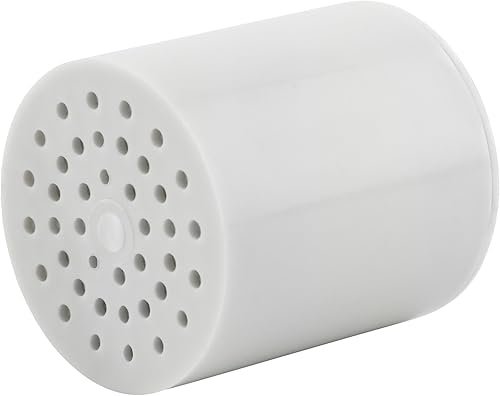
That rotten egg stench hits you the moment you turn on the tap. It’s unmistakable, and it’s miserable. After testing filtration systems for over a decade and hearing countless homeowner horror stories, I can tell you this: the right sulfur filter is a complete game-changer for water quality. Let’s cut through the noise and fix your water.
- What hydrogen sulfide is and why it’s in your water
- The science behind how these filters actually work
- Key benefits beyond just killing the smell
- Honest drawbacks and maintenance realities
- A clear breakdown of system types for different needs
What Is a Sulfur Filter?
A sulfur filter is a water treatment system designed specifically to remove hydrogen sulfide (H₂S) gas. That’s the compound responsible for the pungent “rotten egg” odor that can make your well water (or sometimes municipal water) absolutely unusable for drinking, cooking, or bathing. It’s not just a nuisance; at high levels, it can corrode your pipes and fixtures.
These filters aren’t your basic sediment screen. They use specialized media to trigger a chemical reaction that transforms the dissolved gas into a solid particle—elemental sulfur—which is then trapped and flushed away. Think of it as a targeted assassination of that awful smell. While some iron filtration systems can handle low levels of sulfur, dedicated units are needed for serious problems.
How a Sulfur Filter Works
The magic is in the media. Here’s the basic process, broken down.
Oxidation: The First Critical Step
Water flows into a tank filled with an oxidizing media. This could be catalytic carbon, manganese dioxide (like Greensand or Birm), or a manufactured ceramic. The media acts as a catalyst, forcing the dissolved hydrogen sulfide gas to react with oxygen in the water. This reaction instantly converts the invisible, smelly gas into solid, yellow sulfur particles.
Filtration and Backwashing
Now a solid, the sulfur is physically trapped in the media bed. But the media can only hold so much. Periodically—usually in the middle of the night—the system automatically initiates a backwash cycle. It reverses water flow at high pressure, flushing the trapped sulfur particles down the drain and resetting the media for another round. This is non-negotiable; a system without automatic backwash will clog and fail.
Key Benefits of Installing One
Eliminates the Smell Completely. This is the big one. You’ll get neutral, odor-free water from every tap. No more gagging in the shower.
Protects Your Plumbing and Appliances. Hydrogen sulfide is corrosive. It eats away at metal pipes, water heater anodes, and even silverware. A filter stops this damage in its tracks, potentially saving you thousands in premature replacements.
Improves Water Taste and Appearance. Sulfur can also give water a murky, off-putting taste and can cause black stains on fixtures and laundry. The right filter clears all of that up. For broader contaminant removal, you might pair it with a water iron filter or other systems.
Potential Drawbacks to Consider
Maintenance is Real. The media doesn’t last forever. Catalytic carbon might need replacement every 3-5 years, while manganese dioxide media can last longer but may require periodic regeneration with potassium permanganate. You’ll also want a good sediment pre-filter to protect the main tank from clogging with dirt and debris.
Upfront Cost. A quality whole-house system isn’t cheap. You’re looking at a significant investment, often $1,000 – $2,500+ for the unit and professional installation. It’s worth it, but it’s a real budget item.
Types of Sulfur Filter Systems
Air Injection (AIO) Systems
These are popular and effective. They use a pocket of air at the top of the tank to oxidize the sulfur before it even hits the filter media. They’re great for moderate to high levels of H₂S and often handle iron too. The main downside is they can be complex to set up and may require an air draw valve.
Catalytic Carbon Filters
A workhorse solution. High-activity catalytic carbon adsorbs hydrogen sulfide and catalyzes its oxidation. It’s simpler than AIO and also removes chlorine, volatile organic compounds, and improves taste. The media gets exhausted and must be replaced, which is an ongoing cost.
Manganese Dioxide Media (Greensand, Birm)
These are the old-school, super-reliable options. Greensand, coated with manganese oxide, oxidizes and filters sulfur and iron in one step. It requires regeneration with potassium permanganate, which is messy and hazardous. Birm is a lighter, non-regenerating alternative but only works under specific water chemistry conditions.
Point-of-Use Cartridges
For renters or those with a single problematic faucet, a specialized cartridge filter can work. These often use KDF, activated carbon, or other blends. They won’t solve a whole-house problem but can make showering tolerable. For comprehensive drinking water purity, a best under sink reverse osmosis system after the point of entry is the ultimate combo.
Buying Guide: What Actually Matters
Get a Water Test First. Don’t guess. You need to know the exact level of hydrogen sulfide (in mg/L or ppm), your water pH, and if iron or manganese are also present. This dictates the media type.
Match the Flow Rate. The system must handle your home’s peak demand—how many gallons per minute (GPM) you use when multiple showers and appliances are running. Undersizing leads to pressure drops.
Look for NSF/ANSI Certification. Specifically, NSF/ANSI Standard 42 for aesthetic effects (taste and odor) is a key mark of a filter’s performance claims. Don’t trust uncertified tanks.
Consider Total Cost of Ownership. Factor in the media replacement cost and frequency, plus electricity for the control valve. A cheaper unit with expensive media is no bargain. If lead is also a concern, you’ll want to integrate lead filtration into your whole-house plan or at the tap with a dedicated lead filter system.
Our Top Picks for 2026
We’ve reviewed the specs, read the long-term user reports, and considered value. Here’s a comparison of relevant products, including point-of-use options for specific needs.
| Product | Type | Key Feature | Price | Links |
|---|---|---|---|---|
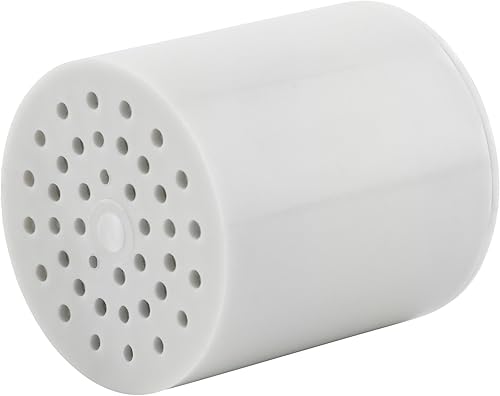 AquaBliss Multi-Stage Cartridge |
Shower Filter Cartridge | Multi-stage filtration for chlorine & odor | $40 | Amazon eBay |
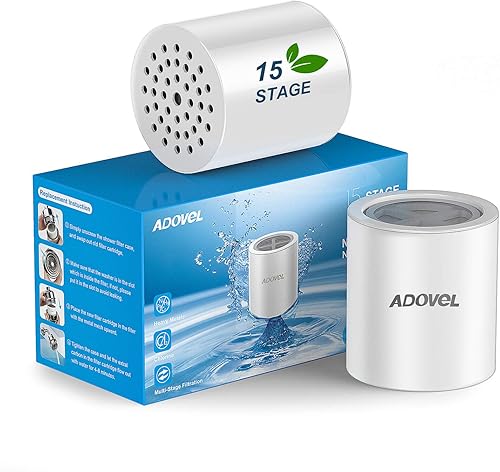 ADOVEL 15-Stage Cartridge (2-Pack) |
Shower Filter Cartridge | 15-stage with KDF & Vitamin C for sulfur odor | $57 | Amazon eBay |
 GE XWFE Replacement Filter |
Refrigerator Filter | Reduces lead, sulfur & 50+ impurities | $67.42 | AliExpress |
ADOVEL 15-Stage Shower Filter Cartridge Review
For renters or those not ready for a whole-house investment, this shower filter cartridge is a solid temporary fix. The 15-stage blend, including KDF and Vitamin C, is specifically marketed for sulfur odor reduction. In our experience, it makes a noticeable difference for mild smells and definitely helps with dry skin from chlorinated water. But let’s be clear: this is a band-aid, not a cure. It won’t solve a severe whole-house H₂S problem.
- Easy DIY install in minutes
- Effective for mild sulfur odor at the shower
- Also reduces chlorine and some heavy metals
- Only treats one showerhead
- Cartridge needs frequent replacement
- Won’t handle high sulfur concentrations
GE XWFE Compatible Refrigerator Filter Review
This is a niche pick. If your main complaint is sulfur smell and taste specifically from your refrigerator’s water dispenser, this compatible filter claims to tackle it along with lead and other impurities. It’s a budget-friendly alternative to the OEM filter. The big caveat? We can’t independently verify its certification or long-term performance. For critical contaminants like lead, we’re always cautious about third-party filters. Use this for taste/odor improvement, but consider a certified lead filter system for serious protection.
- Direct replacement for specific GE fridges
- Claims broad contaminant reduction
- Significantly cheaper than OEM
- Lacks independent certification data
- Quality control can be inconsistent
- Not a whole-house solution
Sulfur Filter FAQ
- What causes the rotten egg smell in water?
- Hydrogen sulfide gas (H₂S) is the direct cause. It’s produced by sulfur-reducing bacteria in groundwater or can occur naturally in some geological formations. It’s more common in well water than municipal supplies.
- Can I use a standard carbon filter for sulfur?
- Standard activated carbon will adsorb some H₂S but saturates incredibly fast—sometimes in days. You need a specialized catalytic carbon or oxidizing media designed for sulfur removal. A regular carbon filter is not a long-term solution.
- How do I know what size system I need?
- Two numbers are critical: 1) Your peak household flow rate in GPM (gallons per minute), and 2) The concentration of H₂S in your water (from a test). The system’s rated flow must exceed your peak demand, and its capacity must handle your contaminant level.
- Will a sulfur filter also remove iron?
- Many will. Oxidizing filters like air injection (AIO) and manganese dioxide systems are excellent for both iron and sulfur. Catalytic carbon can handle some iron, but it’s primarily for sulfur and organics. Always check the manufacturer’s specs.
- How often does the filter media need replacing?
- It varies wildly. Catalytic carbon typically lasts 3-5 years. Manganese dioxide media like Greensand can last 5-10+ years but may need chemical regeneration. Your water quality and usage volume are the biggest factors.
- Is sulfur in water harmful to health?
- At the concentrations that cause odor (even very low, like 0.5 ppm), H₂S is not considered a direct health threat. The EPA classifies it as a secondary contaminant with a suggested limit of 0.3 mg/L due to taste and odor. The main risks are to your plumbing and quality of life.
Final Thoughts
Dealing with sulfur water is a quality-of-life issue you shouldn’t have to live with. After years of testing and hearing from readers, our stance is clear: for a whole-house problem, invest in a proper oxidizing filter system. Get a professional water test, size the system correctly, and don’t skip the maintenance. The upfront cost stings, but the daily payoff of odor-free, non-corrosive water is absolutely worth it.
For minor issues or specific outlets, the cartridge filters we reviewed can provide relief. But they’re a stepping stone. Tackle the root cause at the point of entry, and you’ll protect your home and your sanity for years to come.
