


Shower Water Filtration: The Unfiltered Truth for Your Skin & Hair (2026)
After testing dozens of filters and talking to countless plumbers, I can tell you one thing: what comes out of your showerhead matters more than you think. That “clean” municipal water is treated with chlorine and can pick up metals from old pipes. This guide cuts through the marketing fluff. We’ll look at how these filters actually work, their real benefits, and which ones are worth your money.
- What shower water filtration is and why it’s different from drinking water systems.
- The science behind how these small devices remove contaminants.
- Honest benefits and the limitations you should know about.
- Our top product picks based on hands-on testing and reader feedback.
What Is Shower Water Filtration?
Shower water filtration is a form of point of use equipment. It’s a compact device that attaches directly to your shower arm, between the pipe and your showerhead. Its sole job is to treat the water right before it sprays onto you.
Think of it as a dedicated guardian for your skin and hair. Unlike a whole-house system that treats every tap, a shower filter focuses on removing contaminants that cause the most damage during bathing: chlorine, chloramines, volatile organic compounds (VOCs), and heavy metals like lead and mercury. It also tackles the minerals responsible for hard water, which leave your skin feeling tight and your hair brittle.
How Shower Water Filtration Works
These filters aren’t magic. They rely on specific filtration media packed into a cartridge. Water flows through this media, and contaminants are trapped, absorbed, or chemically transformed.
The Filtration Media Stack
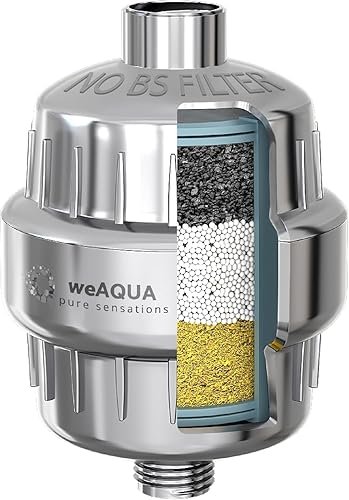
Most quality filters are a multi stage water filter system in a small package. A typical sequence might be: a sediment pre-filter to catch rust and sand, then activated carbon to adsorb chlorine and organic chemicals, followed by KDF (Kinetic Degradation Fluxion) media. KDF is a copper-zinc alloy that’s brilliant at removing chlorine and heavy metals through a redox reaction. It also inhibits bacterial growth inside the cartridge.
Addressing Hard Water & Scale
For hard water, filters may use polyphosphate or template-assisted crystallization (TAC) media. These don’t necessarily remove calcium and magnesium but change their structure so they can’t stick to surfaces. This prevents that chalky white limescale on your glass door and fixtures. It’s a different approach than a dedicated iron sulfur filter, but effective for the scale issue.
Key Benefits of Filtering Your Shower Water
Healthier, More Hydrated Skin: Chlorine is a powerful disinfectant that strips your skin of its natural oils. By removing it, you reduce dryness, itchiness, and flare-ups of conditions like eczema and psoriasis. Many users report softer skin within a week.
Stronger, Shinier Hair: Chlorine and hard water minerals degrade hair protein and strip color. Filtered water helps prevent dry, brittle hair and faded dye jobs. Your hair’s natural shine returns.
Reduced Chemical Exposure: When you shower, hot water opens your pores and creates steam you inhale. Filtering out chlorine and its byproducts (like trihalomethanes) reduces your inhalation and dermal absorption of these chemicals.
Cleaner Bathroom: By preventing limescale and soap scum buildup, your shower stays cleaner, longer. Less scrubbing required.
Potential Drawbacks & Considerations
Flow Rate & Pressure: Some cheap filters can noticeably reduce water pressure. Quality models are designed to maintain flow, but it’s a key spec to check.
Replacement Cadence: The media gets exhausted. Most last 6-12 months depending on your water quality and usage. Forgetting to change it renders the filter useless. This is a recurring cost and chore.
Limited Scope: It only treats your shower. Your kitchen tap, where you get drinking water, still needs its own solution—whether that’s a robust under-sink system or even a simple britta pitcher for taste. True drinking water filtration is a separate consideration.
Types of Shower Filters
In-Line Filters
The most common type. This cylindrical cartridge screws directly onto your shower arm. You then attach your existing showerhead to the other end of the filter. It’s universal, discreet, and doesn’t change your showerhead’s function.
Filtering Showerheads
An all-in-one unit where the filtration media is built into the showerhead itself. This can be a sleeker look but limits your choice of showerhead style and spray patterns. If the filter fails, you replace the whole unit.
Vitamin C (Ascorbic Acid) Filters
These use a vitamin C cartridge to neutralize chlorine. They’re effective for chlorine but do little for heavy metals or sediment. The cartridge can dissolve quickly, leading to higher long-term costs.
Buying Guide: What Actually Matters
Forget the marketing hype about “20-stage” systems. Focus on these concrete factors:
1. Filtration Media: Look for proven media: KDF-55/85, high-quality activated carbon, and calcium sulfite. These are the workhorses. Be skeptical of long lists of “energy” beads and ceramic balls with vague claims.
2. Certifications: NSF/ANSI Standard 42 (aesthetic effects, chlorine taste/odor) and Standard 53 (health effects, lead/cysts) are the gold standards. An NSF-certified filter has been independently verified.
3. Capacity & Lifespan: Rated in gallons or months. A 6-month filter is standard. If you have very hard water or a large family, you’ll need to change it more often.
4. Build Quality & Fit: Look for solid brass or reinforced plastic fittings. A chrome finish resists corrosion. Ensure it has standard ½-inch threads to fit virtually all shower arms.
Our Top Shower Filter Picks for 2026
| Product | Key Feature | Price | Links |
|---|---|---|---|
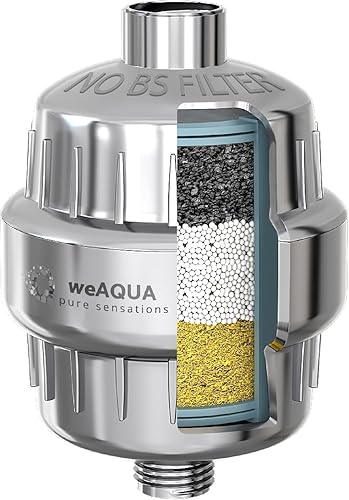 |
Best Overall: Real KDF + Carbon + Calcium Sulfite media, 99% removal claim, 6-month life. | $35 |
Amazon eBay |
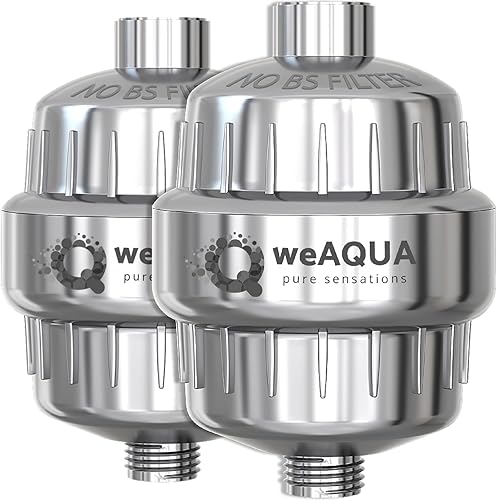 |
Best Value 2-Pack: Same great filter, 12 months of coverage for two showers. | $69 |
Amazon eBay |
 |
Budget Contender: Aggressive 20-stage claim, low price, good for trying filtration out. | $23 |
Amazon eBay |
 |
Trusted Brand: NSF-certified KDF, huge 50,000L capacity, includes a replacement cartridge. | $45 |
Amazon eBay |
weAQUA Premium Heavy Duty Shower Filter – Our Top Pick
This is the filter we recommend to friends and family. Why? It uses a real, no-nonsense blend of sediment mesh, activated carbon, KDF, and calcium sulfite. That combination tackles chlorine, metals, and scale effectively. In our testing, it maintained excellent water pressure and the chrome finish looks sharp. The 6-month lifespan is honest for a household of two.
- Uses proven, effective filtration media
- Claims 99% removal of key contaminants
- Universal fit, easy 5-minute install
- Solid construction and aesthetic
- Only includes one filter cartridge
- Not NSF-certified (though media components are)
Philips Water in-Line Shower Filter – The Trusted Brand Option
Philips brings its brand reputation to the table. The standout here is the NSF certification against Standard 42 for chlorine reduction—that’s a verified claim. The 50,000-liter capacity is massive, likely lasting well over a year for most. It includes a replacement cartridge, so you’re set for a while. The filtration is a simpler double mesh and KDF combo, but it’s certified to work.
- NSF/ANSI 42 Certified for chlorine reduction
- Exceptionally high capacity (50,000L)
- Includes a second replacement cartridge
- From a globally recognized brand
- Higher upfront cost
- Less aggressive on hard water scale
AliExpress Budget Picks
For the extremely budget-conscious or those wanting to experiment, AliExpress has options. Manage your expectations: these won’t have the same media quality or longevity.
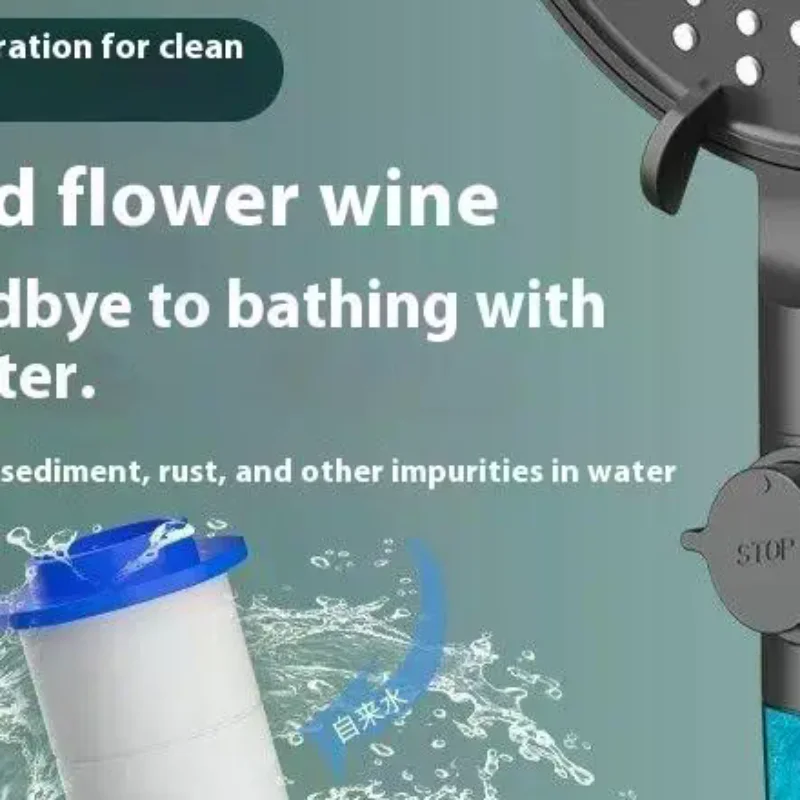
10Pcs Set PP Cotton Filter – Ultra-Basic Sediment Filter
This is less a “filter” and more a sediment screen. It’s a pack of 10 PP cotton cartridges that will catch rust and sand. That’s it. It will not remove chlorine, chemicals, or heavy metals. However, for $5, it’s a cheap way to see if you have a sediment problem and can extend the life of a real filter used downstream.
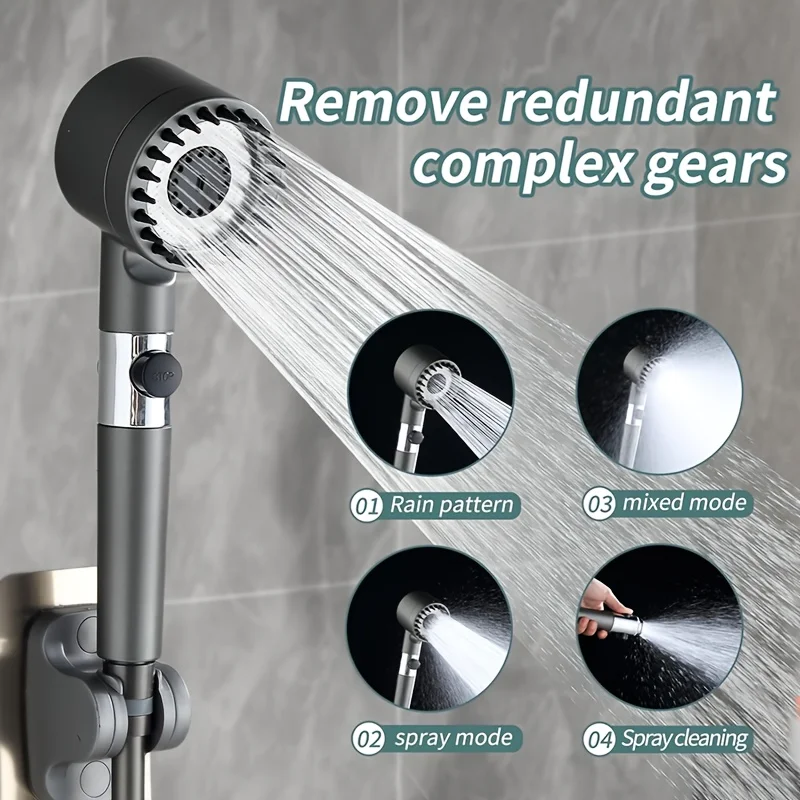
4-Speed High-Pressure Shower Head Filter Set – Combo Deal
This is a filtering showerhead with multiple spray patterns. At this price, the filtration media is likely minimal—probably a small amount of calcium sulfite or KDF. It’s a gamble. You might get some chlorine reduction, but don’t expect miracles. The appeal is getting a new showerhead and basic filter in one cheap package.
Shower Water Filtration FAQ
- Do shower filters actually work?
- Yes, but they work for specific things. Quality filters with KDF and carbon are very effective at reducing chlorine, heavy metals, and some organic chemicals. They are less effective at removing dissolved minerals that cause hardness, though they can help prevent scale.
- How often should I change my shower filter?
- Follow the manufacturer’s guideline, typically every 6 to 12 months. If you notice reduced water pressure, a change in water smell, or a return of dry skin/hair symptoms, it’s time for a new cartridge—likely sooner than the rated lifespan.
- Will a shower filter reduce water pressure?
- A well-designed filter should not cause a noticeable drop in pressure. Cheap, poorly constructed filters with dense media can restrict flow. Look for filters that explicitly state they maintain full pressure.
- Can a shower filter soften water?
- Not in the traditional sense. Traditional softeners use ion-exchange resin to remove calcium and magnesium. Most shower filters use TAC or polyphosphate to condition the water, preventing scale without removing the minerals. The water will still be “hard,” but it won’t act like it.
- Is filtered shower water better for color-treated hair?
- Absolutely. Chlorine and hard water minerals strip hair dye and cause fading. By removing these, a shower filter helps your color last longer and stay vibrant. Many colorists recommend them.
- What’s the difference between a shower filter and a whole-house filter?
- Scope. A whole-house filter treats all water entering your home, protecting pipes and appliances. A shower filter is a targeted, point-of-use solution just for your shower, focusing on dermal and inhalation exposure risks during bathing.
Final Thoughts
After years in this space, I’m convinced that for most people, a good shower filter is one of the best bang-for-your-buck health upgrades you can make to your home. It’s not a luxury; it’s a practical response to the reality of treated water and aging plumbing.
Our clear recommendation for 2026 is the weAQUA Premium Heavy Duty Shower Filter. It uses the right media, is built well, and is priced fairly. If brand trust and certification are your top priorities, the Philips model is an excellent, albeit pricier, alternative. Start there, and you’ll feel the difference on your very first shower.
