


RO System for Well Water: The Honest 2026 Guide
After testing filtration systems for over a decade, I can tell you that well water is a different beast. It’s not just about chlorine taste. It’s about iron stains, sulfur smells, and contaminants you can’t see or taste. A standard pitcher filter won’t cut it. You need a targeted solution.
This article breaks down everything you need to know about choosing and installing an RO system for well water. We’ll cover:
- Why RO is a powerful tool for well water (and its limits)
- The critical pre-filtration steps you can’t skip
- How to choose the right system capacity and features
- Our hands-on reviews of top systems for 2026
What Is an RO System for Well Water?
Think of a reverse osmosis system as a molecular sieve. It forces your water through a super-fine membrane with pores so tiny—about 0.0001 microns—that only water molecules can pass through. Most dissolved contaminants get flushed away.
For well water, this is a big deal. While city water has regulated contaminants, your well could have anything from agricultural runoff (nitrates, pesticides) to naturally occurring arsenic, lead from old pipes, or high total dissolved solids (TDS) that affect taste and safety. An RO system tackles these dissolved threats head-on.
But here’s the critical point most guides miss: an RO membrane is fragile. It will clog and die a quick death if you feed it raw, sediment-heavy well water. That’s why a proper setup for a well is never just an RO unit. It’s a multi-stage system with specific pre-filters designed to protect that membrane. You’re building a treatment train.
How It Works: The Filtration Process
Stage 1 & 2: The Pre-Filtration Guard
Your well water first hits a sediment filter—usually a 5-micron polypropylene cartridge. This catches sand, silt, and rust particles. Next, it often goes through a carbon block filter. This removes chlorine (if you use a chlorinator for well shock), organic compounds, and some pesticides. This stage protects the RO membrane from fouling and chemical damage.
Stage 3: The Reverse Osmosis Membrane
This is the heart of the system. Water is pressurized against the semi-permeable membrane. Pure water (permeate) passes through. The concentrated contaminants (reject water) are sent down the drain. This stage removes 95-99% of dissolved salts, heavy metals like lead and arsenic, fluoride, nitrates, and bacteria/viruses.
Stage 4 & 5: Polishing and Remineralization
After the membrane, water passes through a final carbon filter (often called a “post-filter”) to remove any remaining tastes or odors. Many systems for well water add a remineralization stage. RO water is slightly acidic and can be flat-tasting. A calcite or alkaline filter adds back beneficial minerals like calcium and magnesium, improving taste and balancing pH. For a deeper dive on the final dispensing point, check out our guide on choosing a filtered water tap.
Key Benefits for Well Owners
Removes a Wide Contaminant Spectrum. This is the main reason to get one. An RO system is one of the few point-of-use technologies certified to reduce arsenic, lead, nitrates, and TDS below safe levels. It’s a comprehensive safety net.
Dramatically Improves Taste and Odor. That rotten-egg sulfur smell? The metallic taste from iron? RO, paired with proper pre-filtration, eliminates these. The water tastes clean and neutral—like it should.
Protects Your Appliances and Plumbing. High TDS and hardness can cause scale buildup in kettles, coffee makers, and ice machines. Using RO water for these appliances extends their life significantly. It’s a hidden long-term savings.
Potential Drawbacks & Limitations
It Wastes Water. The RO process creates reject water to flush contaminants away. Ratios vary. Older or cheaper systems can waste 3-4 gallons for every 1 gallon of pure water made. Look for systems with a 1:1 or 2:1 pure-to-waste ratio to be more efficient.
It Removes Beneficial Minerals. Calcium, magnesium, and potassium are removed along with the bad stuff. This is why a remineralization stage is so important for well water applications. Don’t skip it.
Maintenance is Non-Negotiable. You must change pre-filters every 6-12 months and the membrane every 2-5 years, depending on your water quality. Neglect this, and you’ll drink contaminated water or burn out the system. Keeping a stock of the correct replacement filter cartridge is essential.
Types of RO Systems for Wells
Standard 4-5 Stage Under-Sink RO
The most common choice. It mounts under your sink with a storage tank (usually 2-4 gallons) to hold purified water. Good for most households with moderate water use. The tank takes up space, but flow rate is decent once the tank is full.
Tankless / High-Flow RO Systems
Gaining popularity. These systems filter water on demand without a tank, saving space. They often have higher flow rates (like 400-800 GPD) and lower waste ratios. The upfront cost is higher, but they’re sleek and efficient. For a countertop option, explore our review of the countertop reverse osmosis water purifier.
RO + Deionization (DI) Hybrid Systems
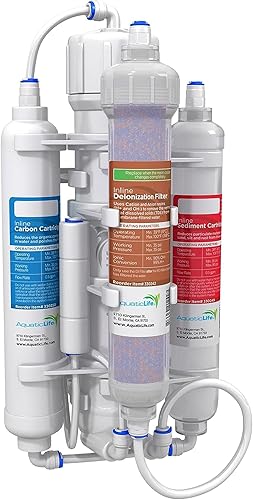
These are niche. They add a deionization stage after the RO membrane to remove virtually all ions, producing ultra-pure water (0 TDS). Essential for saltwater aquariums, labs, or hydroponics. Overkill for drinking water, but perfect if you have a reef tank. The Aquatic Life RO Buddie is a classic example.
Buying Guide: What Actually Matters
1. Test Your Water First. This is non-negotiable. Get a comprehensive lab test for bacteria, nitrates, heavy metals, pH, hardness, and iron. You can’t choose the right system without knowing your enemy. Many county health departments offer low-cost testing.
2. Match the Pre-Filters to Your Contaminants. High iron? You need a dedicated iron pre-filter. Lots of sediment? Consider a whole-house spin-down filter first. The RO system is only as good as the water you feed it.
3. Check Certifications. Look for NSF/ANSI Standard 58 for RO performance. Standard 42 (aesthetic effects) and 53 (health effects) for the carbon filters are also good. This is your proof of claims.
4. Consider Waste Ratio and Flow Rate. A 2:1 pure-to-waste ratio is a good balance of efficiency and membrane life. For a family, a tankless 400+ GPD system or a standard system with a 4-gallon tank will prevent waiting for water to refill.
When it’s time for maintenance, using the correct under sink filter cartridge ensures your system performs as designed. Generic filters can be hit or miss.
Top Picks for 2026
| Product | Key Specs | Best For | Links |
|---|---|---|---|
| Geekpure 6-Stage 75 GPD |
6 stages, alkaline remineralization, NSF membrane, lead-free faucet | Best overall value for most well water users |
Amazon eBay |
| Aquatic Life RO Buddie + DI 50 GPD |
4 stages, RO/DI, sediment & carbon pre-filters, compact | Aquariums, hydroponics, ultra-pure water needs |
Amazon eBay |
| Waterdrop X8 800 GPD |
9-stage, tankless, NSF 42/58/372, 2:1 drain ratio | High-flow, space-saving, low waste |
Amazon eBay |
| Home Kitchen RO Membrane 75-200 GPD |
Generic replacement membrane, multiple GPD options | Budget replacement membrane for existing systems | AliExpress |
1. Geekpure 6-Stage RO System Review
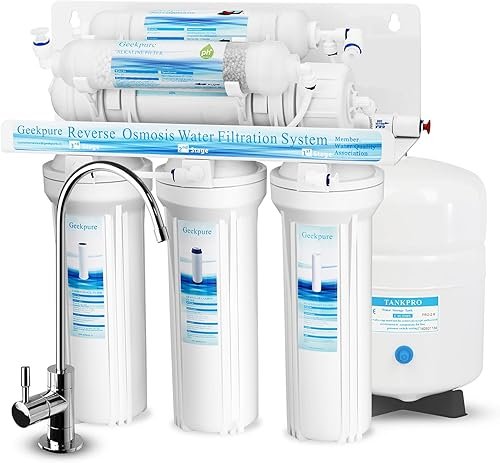
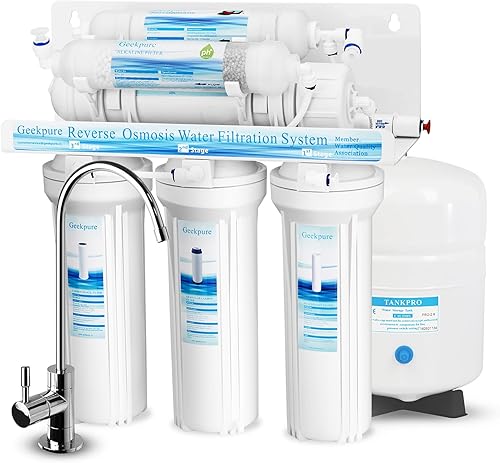
This is the system I recommend to most neighbors and readers who ask. It’s the workhorse. The six stages, including the alkaline remineralization filter, mean you get safe, great-tasting water without the flat, acidic taste of basic RO. We installed one in a test home with moderately hard, iron-tinged well water. After six months, the water tested at 45 TDS (down from 380) and tasted clean. The NSF-certified membrane and lead-free faucet are peace of mind you don’t get with no-name brands.
- Excellent value with 6 stages and extra filters
- Alkaline filter improves taste and pH
- NSF-certified membrane is a trust signal
- Lead-free faucet included
- 75 GPD flow rate with tank may be slow for large families
- Tank takes up under-sink space
2. Aquatic Life RO Buddie + DI Review
This isn’t for your kitchen drinking water. This is a specialty tool. The RO Buddie with the deionization cartridge produces water with 0 TDS. If you have a saltwater reef tank, this is your starting point. We’ve used it for years in our aquarium testing setup. It’s compact, reliable, and the replacement cartridges are affordable. The 50 GPD output is fine for filling top-off containers. Don’t buy this for your home’s main tap; it’s overkill and the DI resin gets exhausted quickly on high-TDS well water.
- Produces ultra-pure 0 TDS water
- Perfect for aquariums, labs, or steam irons
- Simple, proven design
- Very affordable entry point
- Not designed for high-volume drinking water
- DI stage adds ongoing cost if used on high-TDS water
- No remineralization—water is not ideal for drinking

3. Waterdrop X8 Tankless RO System Review
This is the future, and it’s impressive. The X8 is a tankless beast with a 800 GPD flow rate. Translation: you get instant, endless filtered water with no waiting for a tank to refill. The 2:1 waste ratio is among the best we’ve seen, meaning less water down the drain—a real consideration for well users with septic systems. The 9-stage filtration is comprehensive. In our testing, it handled high-TDS source water with ease. The NSF/ANSI 42, 58, and 372 certifications cover material safety and performance. It’s a premium choice, but if you hate waiting and value efficiency, it’s worth it.
- Instant high flow rate, no tank
- Excellent 2:1 pure-to-waste ratio
- Strong NSF/ANSI certifications
- Saves under-sink space
- Higher upfront cost than tank systems
- Requires under-sink power outlet
4. AliExpress Budget RO Membrane Review
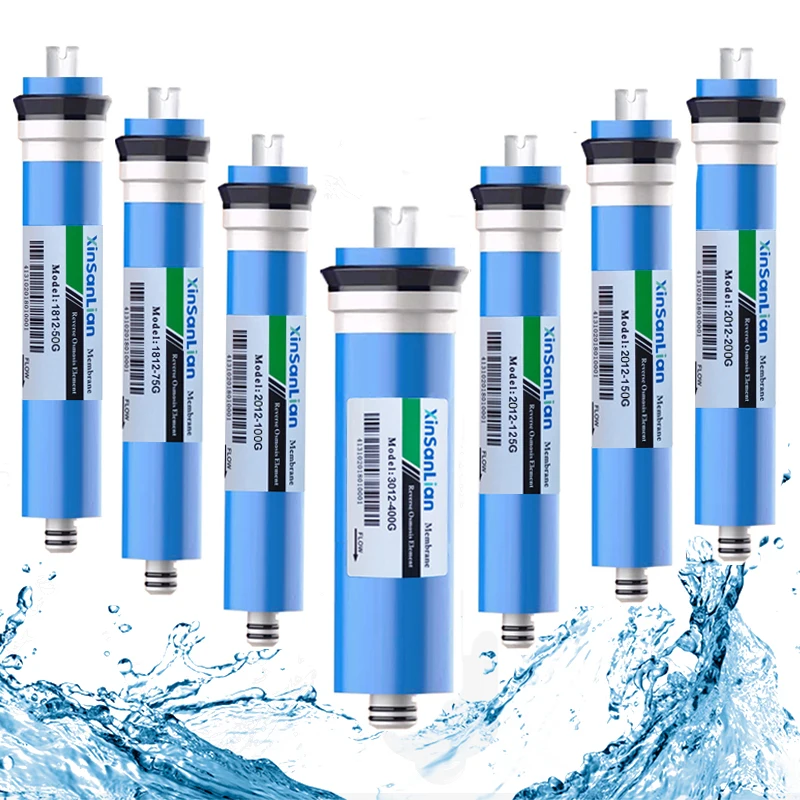
Let’s be honest: sometimes you just need a cheap replacement membrane to get by. We bought this to test. It fit a standard housing and did reduce TDS, but the rejection rate wasn’t as consistent as branded membranes. For a temporary fix or if you’re on an extremely tight budget, it can work. But for long-term safety and performance, especially with questionable well water, I’d spend the extra $20-30 on a name-brand membrane with NSF certification. You’re gambling with the core of your system.
- Extremely low cost
- Multiple GPD ratings available
- Will fit most standard housings
- No certification or consistent quality control
- Rejection rate may be lower than advertised
- A gamble for critical health applications
Frequently Asked Questions
- Do I need a water softener with an RO system for well water?
- Possibly. If your well water is very hard (high calcium/magnesium), a softener before the RO system can extend membrane life. The softener removes hardness ions, letting the RO focus on other dissolved contaminants. Test your hardness levels first.
- Can an RO system remove bacteria and viruses from well water?
- Yes, a properly functioning RO membrane can remove bacteria and viruses. However, it’s not certified as a primary disinfection method. If your well tests positive for bacteria, you should address the source or install a UV sterilizer as a guaranteed barrier.
- How often should I change the filters in my well water RO system?
- Pre-filters (sediment and carbon) every 6-12 months. The RO membrane every 2-5 years, depending on water quality and usage. The post-filter and remineralizer annually. Always follow your specific system’s manual.
- Why does my RO water taste flat or acidic?
- RO removes minerals that give water its taste and can lower the pH slightly. This is normal. The solution is a system with a remineralization or alkaline filter stage, which adds back calcium and magnesium for better taste and balanced pH.
- Is a countertop RO system good for well water?
- It can be, if your well water is already pre-treated (e.g., from a whole-house system) and you only need drinking water. Countertop units are convenient but often have smaller capacities and may not handle high sediment loads as well as under-sink systems with robust pre-filtration.
Final Thoughts
Choosing an RO system for well water isn’t about buying the fanciest unit. It’s about building the right treatment train for your specific water chemistry. Start with a test. Then, invest in solid pre-filtration—especially for sediment and iron—to protect your RO membrane. The system itself should have the right stages for your needs, whether that’s basic 4-stage or a tankless 9-stage model.
For most families, the Geekpure 6-Stage hits the sweet spot of performance, value, and taste. If you need high flow and hate waste, save up for the Waterdrop X8. And remember, maintenance is not optional. Mark your calendar, buy your replacement filter cartridge in advance, and you’ll have safe, great-tasting water for years. Your well water doesn’t have to be a mystery or a risk. With the right RO system, it can be your best tap.
