


You’re planning a backcountry trip, or maybe you just want a solid emergency backup. The last thing you want is to be stuck without clean water. I’ve spent years testing everything from tiny straw filters to bulky pump systems in the field. The truth? The “best” portable treatment depends entirely on your water source and your tolerance for hassle.
This guide will cut through the marketing fluff. We’ll look at:
- What portable water treatment actually is (and isn’t)
- How the main technologies work in plain English
- The real-world pros and cons I’ve found
- Our top product picks for 2026
What Is Portable Water Treatment?
Portable water treatment is any device or chemical you carry to make questionable water safe to drink. It’s your personal barrier against bacteria, protozoa, viruses, and sometimes chemicals. Think of it as a point of use filtration system you can fit in your backpack.
We’re not talking about whole-house systems here. This is for camping, international travel, emergency kits, or places where the municipal supply might fail. The goal is simple: reduce your risk of waterborne illness when you’re away from the tap. The technology ranges from simple chlorine tablets to advanced hollow-fiber filters.
How Portable Water Treatment Works
All methods aim to kill or remove pathogens. But they go about it very differently. Understanding the basics helps you choose the right tool for the job.
Chemical Treatment (Tablets & Drops)
This is the oldest trick in the book. You add a disinfectant—usually chlorine, chlorine dioxide, or iodine—to the water. It works by disrupting the cell walls of microbes. The catch? You have to wait. Most tablets need 30 minutes to 4 hours to work, depending on the water temperature and clarity. Cold, murky water takes longer.
Mechanical Filtration
These systems physically block contaminants. The key spec is the micron rating. A 0.1-micron filter will remove bacteria and protozoa (like Giardia and Cryptosporidium). A 0.02-micron filter can also catch viruses. It’s like a super-fine sieve. You pump, squeeze, or drink through it. No waiting, but filters can clog.
Absorption & Adsorption
Often paired with filtration, this uses materials like activated carbon to grab chemicals, heavy metals, and improve taste. It’s why a glass pitcher with filter at home makes water taste better. In portable units, it’s a secondary stage after the main pathogen removal.
UV Light Purification
A battery-powered device zaps water with ultraviolet light, scrambling the DNA of pathogens so they can’t reproduce. It’s fast and effective against all microbes. The downside? It needs clear water (suspended particles can shield microbes) and a power source. It doesn’t remove any physical debris or chemicals.
Key Benefits
Ultimate Independence: You’re no longer tied to a municipal supply or a store-bought bottle. This is huge for remote travel or disaster preparedness.
Significant Cost Savings: A $15 bottle of tablets can treat hundreds of liters. Compare that to buying bottled water on a two-week trek. The math is easy.
Safety Net for Emergencies: When a boil-water advisory hits or your home filter fails, having a portable backup is peace of mind. It’s a core part of any good emergency kit.
Travel Confidence: Honestly, the biggest benefit for me is not worrying. Using a reliable treatment lets you focus on the trip, not on where the next safe water source is.
Potential Drawbacks
Flow Rate & Effort: Pump filters can be a workout. Gravity systems are slow. Squeeze filters make your hands tired. There’s always a trade-off between speed, effort, and capacity.
Chemical Wait Times & Taste: You can’t drink immediately with tablets. And some, like iodine, impart a flavor. Chlorine dioxide is better, but you still need to wait 30 minutes minimum for bacteria, 4 hours for Cryptosporidium.
Clogging & Maintenance: Filters love silty water. They clog. You’ll need to backflush or clean them in the field. UV devices need batteries. Everything requires some care.
Types of Portable Systems
Chemical Tablets & Drops
The lightest, most compact option. Perfect for backup or short trips. They expire, so check dates. Great for killing viruses. Not great for removing sediment or improving taste.
Pump & Squeeze Filters
The workhorse of backcountry travel. You force water through a filter element. Pump filters handle larger volumes; squeeze filters are lighter and simpler. Most are 0.1-0.2 microns. Look for ones with a cleanable filter to extend life.
Gravity Filters
Set it and forget it. Hang two bags and let gravity do the work. Ideal for base camps or groups. The flow rate is slow, but you don’t have to stand there pumping. Excellent for filtering large amounts of water for cooking.
Straw & Bottle Filters
Drink directly from the source or a bottle. Super convenient for solo hikers. The downside is you can’t easily collect clean water for cooking. The filter life is often shorter.
UV Purifiers
Battery-powered wands you stir in the water. Fast and effective against all pathogens if the water is clear. They don’t improve taste or remove particles. A great option for international travel with clear water sources.
For whole-house solutions, you’d look at a poe water filter, but that’s a different category entirely. Portable is all about personal, on-the-go protection.
Buying Guide: What Actually Matters
Forget the flashy marketing. Here’s what we look at after testing dozens of systems.
1. Contaminant Removal: This is non-negotiable. Does it remove bacteria, protozoa, viruses, or all three? Check for NSF/ANSI standards (like 53 for cyst reduction). If you’re traveling internationally, virus removal is critical.
2. Flow Rate & Effort: How many liters per minute (or per pump stroke)? Can you do it tired? Gravity is easy but slow. Pumping is fast but work. Match it to your trip style.
3. Filter Life & Cost: How many liters will it treat before you need a new element? Is the replacement affordable? A cheap filter with expensive cartridges is a bad deal.
4. Weight & Packed Size: Every gram counts on a long hike. Chemical tablets win here. But if you need volume, a lightweight squeeze filter might be the better compromise.
5. Ease of Use & Durability: Can you operate it with cold hands? Does it feel like it will survive a drop on rocks? Simple, robust designs last longer in the field.
Sometimes, the simplest solution is best. A basic water filter pitcher is great at home, but for the trail, you need something built for abuse.
Our Top Picks for 2026
| Product | Best For | Price | Links |
|---|---|---|---|
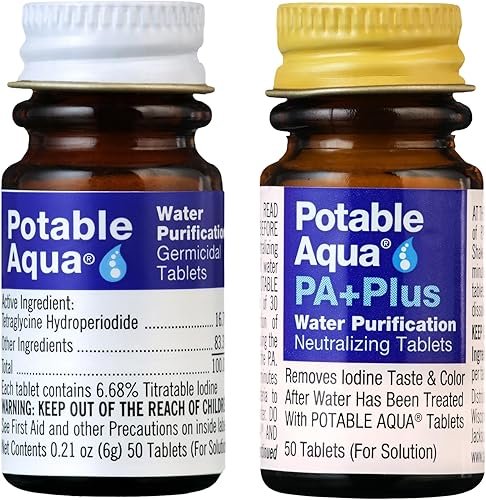
 Potable Aqua with PA Plus |
Emergency backup & virus kill | $39 |
Amazon eBay |
 Ef-Chlor 8.5mg (100 tabs) |
Lightweight travel & taste | $14 |
Amazon eBay |
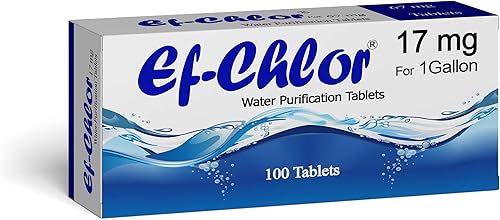 Ef-Chlor 17mg (100 tabs) |
Group or high-volume treatment | $13 |
Amazon eBay |
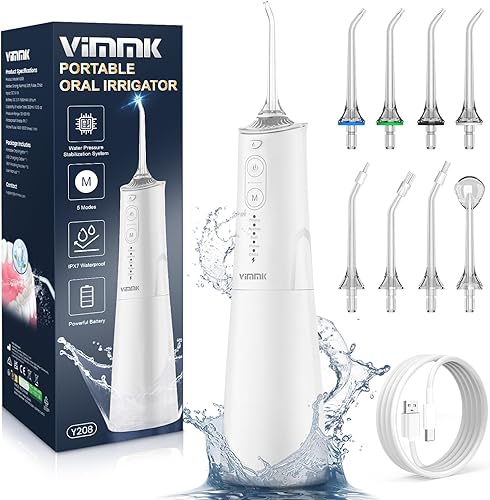 Vimmk Cordless Water Flosser |
(Not for water treatment – see review) | $32 |
Amazon eBay |
 Filterwell Hand Pump RO |
Budget RO for emergencies | $26.66 | AliExpress |
1. Potable Aqua Water Purification Tablets with PA Plus
This is the classic emergency kit staple. You get two bottles: the purification tablets (iodine-based) and the PA Plus tablets that neutralize the iodine taste and color. In our testing, they’re dead simple and reliable for killing bacteria and viruses. The wait time is 30 minutes for bacteria, longer for viruses and Cryptosporidium. Honestly, the taste neutralizer works surprisingly well.
- Extremely lightweight and compact
- Effective against viruses, bacteria, and Giardia
- PA Plus removes iodine taste effectively
- Long shelf life
- Does not remove sediment, chemicals, or heavy metals
- Requires waiting time
- Not ideal for pregnant women or those with thyroid issues
2. Ef-Chlor Water Purification Tablets 8.5mg
These use NaDCC (Sodium Dichloroisocyanurate), a stable chlorine compound. Based on reader feedback, they have a much milder taste than iodine tablets. Each tablet treats 1-2 liters. The 100-tablet pack is a great value for a multi-week trip. They’re effective against bacteria, viruses, and Giardia. The wait time is 30 minutes for bacteria, 60 minutes for viruses in clear water.
- Minimal chlorine taste compared to iodine
- Very affordable per liter treated
- Lightweight and packable
- Effective against a broad range of pathogens
- Does not remove protozoan cysts like Cryptosporidium
- Still requires waiting time
- Less effective in very cold or turbid water
3. Ef-Chlor 17 mg Water Purification Tablets
The big brother to the 8.5mg version. Each of these tablets treats 4-8 liters, making them ideal for groups, families, or treating water for cooking. The active ingredient is the same NaDCC chlorine compound. We’ve found them particularly useful for car camping or as part of a home emergency kit where you might need to treat larger volumes quickly.
- High-volume treatment per tablet
- Cost-effective for groups
- Same mild taste as the smaller dose
- Great for emergency preparedness kits
- Overkill and less precise for solo hikers needing 1L
- Same limitations against Cryptosporidium
- Still requires wait time
4. Filterwell Portable Hand Pump RO Filter (AliExpress Budget Pick)
This is a hand-pump reverse osmosis system. RO is the gold standard for removing dissolved solids, heavy metals, and even salts. The 97.8% rating is promising, but buyer beware with budget RO systems. They require significant pumping effort, produce wastewater (reject water), and the membranes are fragile. For most people, a simpler hollow-fiber filter is more practical.
- Removes an extremely wide range of contaminants
- Can make brackish or hard water drinkable
- Very high user rating
- Heavy and bulky compared to other options
- Requires strenuous pumping
- Produces waste water
- Long-term durability of budget membranes is unproven
Frequently Asked Questions
- Do portable water filters remove viruses?
- Most standard filters with a 0.1 or 0.2-micron rating do not. They remove bacteria and protozoa. To remove viruses, you need a filter with an absolute 0.02-micron pore size (like some hollow fiber membranes) or a purifier that uses chemical or UV treatment. Always check the manufacturer’s claims.
- How long do water purification tablets last?
- Unopened, most tablets have a shelf life of 2-5 years. Check the expiration date on the bottle. Once opened, they can degrade faster, especially if exposed to humidity or heat. Store them in a cool, dry place for maximum longevity.
- Can I use a portable filter for tap water at home?
- You can, but it’s not ideal. Portable filters have limited capacity and slow flow rates compared to dedicated home systems. For home use, a manganese removal system or a proper under-sink unit is far more efficient and cost-effective in the long run.
- What’s the difference between a water filter and a water purifier?
- A filter removes bacteria and protozoa (like Giardia). A purifier also removes or inactivates viruses. The term “purifier” is regulated and indicates a higher level of treatment. For international travel, especially in developing regions, always choose a purifier.
- Is it safe to drink water treated with iodine tablets long-term?
- No. Iodine tablets are meant for short-term, emergency use only. Long-term consumption can affect thyroid function. Pregnant women, people with thyroid conditions, and anyone allergic to shellfish should avoid iodine-treated water. Use chlorine dioxide tablets or a filter for longer trips.
- Can I filter water from a stagnant pond?
- Yes, but pre-filter it first. Let the water settle, then pour it through a bandana or coffee filter to remove large debris before using your main filter. This prevents your expensive filter element from clogging with silt and algae. Chemical treatment also works but may require a longer wait time.
Final Thoughts
Choosing portable water treatment boils down to your specific needs. There’s no single “best” product. If you want set-and-forget simplicity for a group, look at a gravity filter. If you’re an ultralight backpacker, a squeeze filter and a few backup tablets are perfect. For international travel to areas with questionable sanitation, a purifier that handles viruses is non-negotiable.
After all these years, my personal kit always has two things: a reliable squeeze filter for daily use and a bottle of chlorine dioxide tablets as my absolute backup. That combo has never let me down, from remote mountain streams to developing-world taps. Start with a clear understanding of your water source, match it to the right technology, and you’ll drink with confidence wherever you go.
