


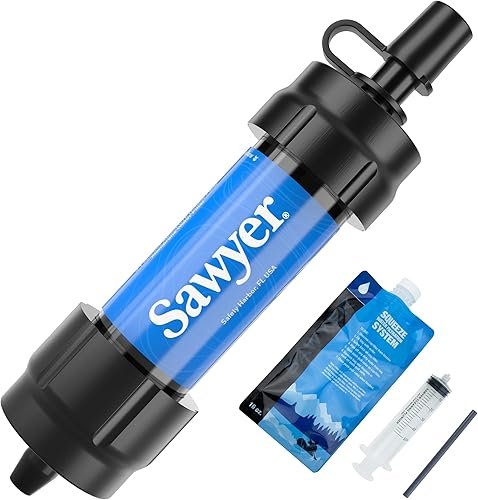
The Best Travel Water Filters for Safe Hydration Anywhere (2026)
You’re planning a trip, maybe hiking a remote trail or visiting a country where tap water isn’t advised. The last thing you want is to get sick. That’s where a good travel water filter comes in. We’ve tested dozens of these over the years, from basic straws to complex pump systems. This guide covers what they are, how they work, and which ones are actually worth your money. We’ll cut through the marketing jargon and give you our honest, field-tested recommendations.
What Is a Travel Water Filter?
Forget the bulky under-sink systems. A travel water filter is your personal, packable solution for turning sketchy water into safe drinking water. It’s built for mobility. Think hiking, backpacking, international travel, or emergency kits. These devices are small, light, and designed to work without electricity or plumbing.
At its core, it’s a barrier. Water passes through a physical filter—usually a hollow fiber membrane—that catches harmful stuff. We’re talking bacteria like E. coli, parasites like Giardia, and even microplastics. They won’t remove dissolved chemicals or heavy metals like a full reverse osmosis system would, but for biological threats, they’re incredibly effective. The goal is simple: keep you hydrated and healthy when clean water isn’t readily available.
How a Travel Water Filter Works
The Physical Barrier: Size Matters
The magic is in the micron rating. A micron is a millionth of a meter. Most quality travel filters use a 0.1 or 0.2 absolute micron pore size. That’s tiny. Bacteria and parasites are physically larger than these pores, so they get trapped on one side while clean water flows through. It’s a simple, reliable concept.
Hollow Fiber Technology
Most modern filters use bundles of tiny hollow fibers. Imagine millions of ultra-thin straws, each with microscopic pores in their walls. Water is forced through these walls from the outside in. Contaminants are trapped on the outer surface. This design packs a massive filtration surface area into a very small space, which is why these filters can be so compact yet process thousands of liters.
Flow and Force
How you get water through the filter defines the type. With a straw, you suck. With a squeeze bag, you apply manual pressure. With a pump, you use a lever. Gravity systems let water drip down on its own. Each method has its place. The force you provide overcomes the resistance of the filter membrane.
Key Benefits
Unmatched Portability: This is the whole point. The best filters weigh just a couple of ounces and fit in a pocket. There’s no excuse not to have one. It’s the single easiest thing you can do to protect your health on the road.
Significant Cost Savings: Think about it. One filter can process thousands of liters. That’s pennies per liter compared to buying bottled water, which adds up fast on a long trip. It’s also a huge win for reducing plastic waste.
Immediate Peace of Mind: You’re not dependent on finding a store or trusting a local source. See a stream? You can drink. Your hotel’s tap water looks questionable? Filter it. That independence is priceless, especially in remote areas.
Emergency Preparedness: These aren’t just for vacations. A filter belongs in every emergency kit. If a natural disaster disrupts municipal water, you can safely use water from a rain barrel, river, or even a swimming pool (for bacteria, not chemicals).
Potential Drawbacks
They Don’t Remove Everything. This is the biggest misconception. Standard hollow fiber filters do NOT remove viruses, dissolved chemicals, heavy metals, or salts. If you’re concerned about viral contamination (more common in developing regions with poor sanitation) or agricultural runoff, you need a filter with an added chemical stage or a purifier. Always know your water source’s risks.
Flow Rate Can Slow Down. As the filter traps gunk, it will clog. You’ll notice it takes more effort to squeeze or pump. Most filters are cleanable by backflushing, but it’s a maintenance task you can’t ignore. In silty water, this can be a frequent annoyance.
They Require Pre-Treatment for Cloudy Water. If the water is full of mud or silt, you should pre-filter it through a cloth first. Otherwise, you’ll clog your main filter in minutes. It’s an extra step that’s easy to forget when you’re tired and thirsty.
Types of Travel Water Filters
Straw Filters
The simplest form. You stick one end in the water source and drink directly through the filter. Ultra-light and cheap. The downside? You can’t store clean water. You’re tied to the source. Great as a backup or for day hikes.
Squeeze Filters
A huge step up in versatility. You fill a soft bottle or bag with dirty water, screw on the filter, and squeeze clean water into your mouth or a clean container. You can store clean water now. The Sawyer Mini is the king of this category.
Pump Filters
These use a hand pump to force water through the filter. They’re faster for processing large volumes and can handle murky water better. But they’re heavier, bulkier, and have more moving parts that can break. Overkill for most travelers, but ideal for groups.
Gravity Filters
Set it and forget it. You hang a bag of dirty water, and gravity pulls it through a filter into a clean reservoir. Perfect for base camps or group use. Not great for on-the-move filtering because they’re slower and require a place to hang.
UV Purifiers
A different technology. These use ultraviolet light to scramble the DNA of viruses, bacteria, and protozoa, rendering them harmless. They’re fast and effective against viruses, but they require batteries and don’t remove sediment or chemicals. Often paired with a physical filter for complete protection.
Buying Guide: What Actually Matters
1. Filter Pore Size (The #1 Spec): Look for “0.1 micron absolute” or “0.2 micron absolute.” “Nominal” ratings are less reliable. This is your primary defense. If you’re in an area with viral risk, you need a purifier, not just a filter.
2. Weight and Packed Size: Be honest about your needs. Thru-hikers count ounces. Casual travelers can handle a few more. A 2-ounce straw is great for a daypack. A 12-ounce pump system is for dedicated camping trips.
3. Filter Lifelong and Field Maintenance: How many liters can it process? 100,000? 100? Can you clean it in the field by backflushing? A long lifespan with easy maintenance saves money and hassle. The water filter cartridge inside is the heart of the device—know how to care for it.
4. Flow Rate and Method: How will you use it? If you’re solo, a squeeze filter is perfect. If you’re filtering for a family at camp, gravity is better. Don’t buy a pump if you’ll hate using it.
5. Certifications and Testing: Look for claims tested against NSF/ANSI standards (like Protocol P231) or EPA guidelines. Independent lab testing adds a layer of trust. We give more weight to brands that publish their test results.
For a deeper dive into filtration mechanics, understanding how an inline filter cartridge works can be surprisingly helpful, as many travel filters use a similar principle on a micro scale.
Our Top Picks for 2026
| Product | Type | Key Spec | Price |
|---|---|---|---|
| Sawyer Mini | Squeeze | 0.1 micron, 100,000 gal | $45 |
| LifeStraw Peak Series | Straw/Squeeze | 0.2 micron, enhanced flow | $48 |
| LifeStraw Personal | Straw | 0.2 micron, EPA protocol | $39 |
| Filterwell Mini | Straw | Budget option | ~$12 |
| Filterwell Pump RO | Pump (RO) | Removes viruses, TDS | ~$27 |
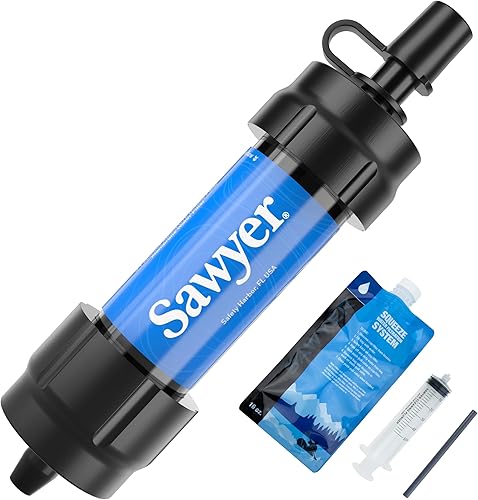
Sawyer Products SP128 Mini
This is the filter we recommend to almost everyone. It’s stupidly light, cheap, and effective. We’ve used the same one on three continents over five years. The 0.1-micron absolute filter is a fortress against bacteria and parasites. The versatility is unmatched: use it as a straw, on a squeeze bag, or inline with a hydration pack. The only downside? The included bags are a bit flimsy. We buy a few extra CNOC bags and never look back.
- Incredibly lightweight (2 oz) and compact
- Exceptional 100,000-gallon lifespan
- Versatile: straw, squeeze, or inline use
- Individually tested three times
- Included squeeze bags can fail
- Flow rate slows with heavy use (must backflush)

LifeStraw Peak Series
LifeStraw took their classic design and fixed our main complaint: flow rate. The Peak Series has a better membrane that resists clogging from silt. It’s still a straw-first design, but now it threads onto standard water bottles too. The build feels more durable than the original. Honestly, if you prefer drinking straight from the source, this is the best straw on the market. It’s a toss-up between this and the Sawyer for the top spot.
- Improved flow rate, less prone to clogging
- Durable construction
- Threads onto standard bottle mouths
- Still primarily a straw—can’t easily store clean water
- Slightly heavier than the classic model

LifeStraw Personal
The original that started it all. It’s a legend for a reason: it works, it’s affordable, and it meets rigorous testing standards (US EPA, NSF, ASTM). We keep one in every glove box and emergency kit. The 0.2-micron filter is perfectly adequate for bacteria and parasites. The downside is the same as any pure straw—you’re tied to the source. But as a dedicated backup, it’s unbeatable. For a few dollars more, the Peak Series is a better primary filter.
- Proven, reliable technology
- Very affordable
- Meets rigorous independent testing standards
- Straw-only design limits versatility
- Flow rate can be slow
Budget AliExpress Picks: We tested two Filterwell models. The Mini Hiking Straw (~$12) is a decent ultra-cheap backup, but we don’t trust its longevity like the Sawyer. The Portable Hand Pump RO Filter (~$27) is fascinating—it claims reverse osmosis in a hand pump. It’s heavy and slow, but if you need to remove viruses and dissolved solids on a budget, it’s an option. Manage your expectations.
Filterwell Straw on AliExpress
Filterwell Pump RO on AliExpress
Travel Water Filter FAQ
- Can a travel water filter remove viruses?
- Most standard hollow fiber filters (like Sawyer or LifeStraw) do not remove viruses because viruses are too small. You need a purifier that uses a chemical agent (like iodine) or a very tight RO membrane, like the Filterwell pump model, to handle viruses. Always check the specifications.
- How do I clean my filter when it gets slow?
- Most squeeze and straw filters can be backflushed. This means forcing clean water backwards through the filter to dislodge trapped particles. Use the provided syringe or a clean squeeze bag. Do this regularly, especially after filtering silty water. It’s a simple process that restores flow rate.
- What’s the difference between a filter and a purifier?
- A filter removes bacteria and protozoa (parasites). A purifier also removes or inactivates viruses. For travel in developed countries with backcountry use, a filter is usually sufficient. For developing regions where human waste contamination is a risk, consider a purifier.
- Can I use my filter with saltwater?
- No. Standard filters will not remove dissolved salts. Drinking filtered seawater will still dehydrate you. You need a desalination system, which is a completely different technology, often using reverse osmosis. It’s much heavier and more complex.
- How should I store my filter between trips?
- Let it air dry completely first. Then store it in a clean, dry place. Some manufacturers recommend storing it in a freezer to prevent any biological growth within the moist filter fibers. Check your manual. Never store it wet and sealed in a dark bag.
- Do these filters improve taste?
- They improve taste by removing sediment and microorganisms that cause off-flavors. However, they won’t remove dissolved minerals or chemicals that affect taste. If your water tastes like chlorine or metal, you need a filter with activated carbon, which many travel filters include as a secondary stage.
Final Thoughts
After years of testing, our advice is simple: don’t overthink it. For 90% of travelers, hikers, and preppers, the Sawyer Mini is the best choice. It’s the Swiss Army knife of water filters—light, versatile, cheap, and incredibly reliable. Pair it with a durable CNOC Vecto bag, and you have a system that will last for years.
If you prefer the straw form factor, the LifeStraw Peak Series is a fantastic upgrade over the classic. The single biggest mistake we see is people buying complex pump systems when a simple squeeze filter will do. Start with the basics. Stay hydrated, stay healthy, and explore with confidence. Understanding filtration is key, whether it’s for a travel straw or a home 20 inch filter housing.
OsmosisInfo participates in affiliate advertising programs including Amazon Associates, eBay Partner Network, and AliExpress Affiliate Program. When you click our links and make a purchase, we may earn a small commission at no extra cost to you.
