


So you’re tired of the weird taste, the limescale, or just the nagging worry about what’s in your tap water. You’ve heard about point of use equipment but the options feel endless. I’ve spent years installing these systems, testing them with real-world water, and talking to the plumbers who fix the mistakes. Let’s cut through the noise.
This guide will cover:
- What “point of use” actually means and why it matters
- The real benefits and the honest drawbacks
- The main types of systems and who they’re best for
- How to choose without overspending
- Some hands-on tools and gear that can help with installation and maintenance
What Is Point of Use Equipment?
Point of use (POU) equipment is any water treatment device installed right at the fixture where you use water. Think under your kitchen sink, attached to your faucet, or on your shower pipe. It’s the opposite of a whole-house system that treats water as it enters your home.
The goal is targeted filtration. Instead of treating every drop of water for flushing toilets or watering the lawn, you focus on the water you actually drink, cook with, or bathe in. This is often more efficient and cost-effective. For a deeper dive into the core concept, our guide on point of use water filter principles is a great starting point.
Honestly, most people don’t need to filter their entire water supply. A good POU system solves 90% of taste and safety concerns for a fraction of the cost and complexity.
How Point of Use Filtration Works
The mechanics depend on the type, but the principle is simple: water is diverted through a filter cartridge just before it comes out of your tap or showerhead. Here’s a look at the common methods.
Mechanical Filtration
This is your first line of defense. A physical barrier, like a pleated filter cartridge, catches sediment, rust, and sand. Think of it as a screen door for your water. The micron rating tells you how small the particles it catches are—lower numbers mean finer filtration.
Adsorption
This is where activated carbon shines. A carbon block filter uses a massive surface area to grab chlorine, volatile organic compounds (VOCs), and bad tastes. It’s like a magnet for certain chemicals. We’ve found carbon blocks generally outperform granular carbon for taste and contaminant reduction.
Other Processes
Some POU systems use specialized media for specific jobs. Need to tackle rusty stains? You might need a dedicated manganese removal filter. Others use ion exchange for water softening or reverse osmosis (RO) for near-total purification. RO is the heavy artillery—it wastes some water but removes almost everything.
Key Benefits
Targeted Contaminant Removal: You can choose a filter specifically for your water problem. Got a chlorine taste? A simple carbon block handles it. Worried about lead? Look for an NSF/ANSI 53 certified system. You’re not paying to treat non-issues.
Lower Cost & Easier Install: Most POU systems are DIY-friendly. No need to cut into main water lines or hire a plumber for a day. The upfront cost and ongoing filter replacements are almost always cheaper than whole-house alternatives.
Improved Taste & Clarity: This is the immediate win. Filtered water from a dedicated tap just tastes better, which means you’ll drink more of it. It also makes better coffee and ice cubes.
Longer Appliance Life: By reducing scale and sediment, you protect your coffee maker, kettle, and even your refrigerator filter cartridge from premature clogging. That saves money long-term.
Potential Drawbacks
Maintenance is Non-Negotiable: You have to change the filters. Letting a filter go past its lifespan can lead to bacterial growth or a release of trapped contaminants. Set a calendar reminder.
Flow Rate Can Suffer: Some dense filters, especially RO membranes, can slow your water flow to a trickle. You might need to add a dedicated storage tank to get a usable stream for filling pots.
Not a Silver Bullet: A basic carbon filter won’t remove dissolved minerals, nitrates, or microorganisms like bacteria and viruses. You need the right tool for the job—check your water quality report first.
Types of Point of Use Systems
Under-Sink Filters
The most popular choice. A dedicated filter housing sits under your sink, connected to a separate faucet or your main faucet line. They offer great filtration capacity and are out of sight. Installation is moderate.
Faucet-Mounted Filters
Screws right onto your faucet head. Super easy to install and cheap. The downside? They can be bulky, reduce flow, and the filtration is usually less comprehensive than under-sink models. Good for renters.
Countertop Filters
Sits on your counter and connects to your faucet with a diverter valve. No installation drilling required. They’re powerful but take up counter space and can look cluttered.
Refrigerator & Ice Maker Filters
A built-in POU system many people forget about. These filters, typically using activated carbon, are crucial for clean-tasting ice and water from the door dispenser. Remember to replace them every 6 months.
Shower Filters
Specifically designed to remove chlorine and chloramines that can dry out skin and hair. They attach between the shower pipe and head. A great POU upgrade for anyone sensitive to chemical dryness.
Buying Guide: What Actually Matters
Forget the marketing hype. Here’s what we look at after testing dozens of systems.
1. Certifications (NSF/ANSI): This is non-negotiable. Look for NSF/ANSI 42 (aesthetic effects like chlorine taste) and NSF/ANSI 53 (health effects like lead reduction). 58 is for reverse osmosis systems. No certification? Walk away.
2. Filter Life & Cost: A cheap system with expensive, short-lived filters is a trap. Calculate the annual cost. A filter lasting 12 months at $60 is often better than one lasting 3 months at $20.
3. Flow Rate (GPM): Measured in Gallons Per Minute. For a kitchen faucet, 0.5 GPM is a noticeable trickle. Look for systems offering 0.8-1.0 GPM or more for comfortable use. RO systems need a tank to compensate.
4. Your Water Report: Get your municipality’s annual report or test your well water. Don’t buy a heavy-metal filter if your problem is just chlorine. Match the system to your actual contaminants.
5. Installation Space & Skill: Measure under your sink! Some filter housings are huge. Be honest about your DIY comfort level. Some systems require drilling a hole for a dedicated faucet.
Top Picks & Useful Tools
While we’re focused on water filtration equipment, having the right tools on hand makes installation and maintenance of any POU system smoother. Here are some handy items we’ve used on jobs, plus a comparison of their key features.
| Product | Best For | Key Feature | Price | Links |
|---|---|---|---|---|
 |
Securing mounting brackets & housings | Lightweight aluminum, drives pins cleanly | $39 |
Amazon eBay |
 |
Precise tubing measurements & marking | T-square design for perfect alignment | $30 |
Amazon eBay |
 |
Relieving hand strain from tight fittings | Ergonomic pressure point relief | $11 |
Amazon eBay |
 |
Comfort during manual filter changes | Reduces thumb fatigue, simple design | $10 |
Amazon eBay |
 |
Creating stable work platforms | Portable, adjustable ladder mount | $19.14 | AliExpress |
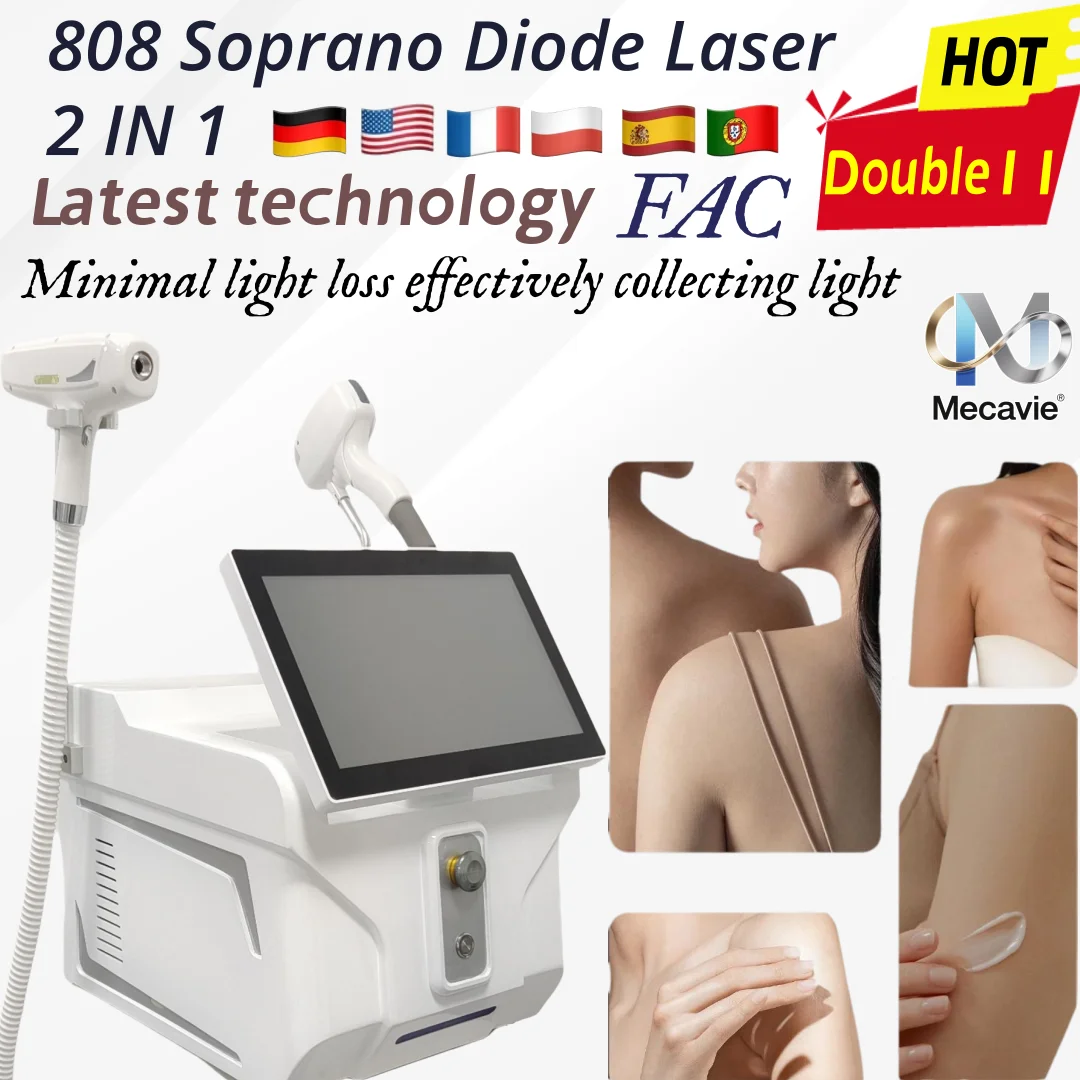 |
Advanced, painless hair removal | Two-in-one salon technology | $113.96 | AliExpress |
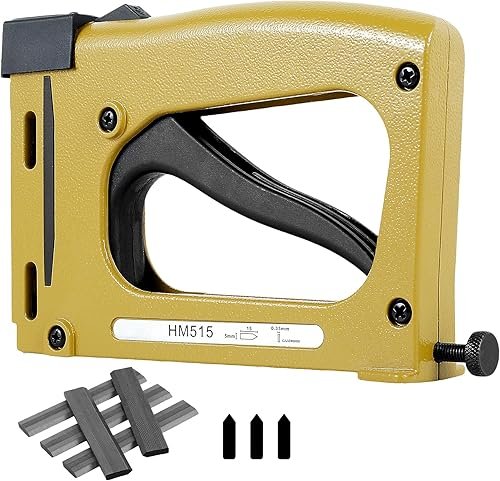
Picture Framing Point Driver
This isn’t a water filter, but it’s a surprisingly useful shop tool. We’ve used similar pin drivers to securely mount filter housings to wooden studs or cabinet walls. The aluminum body is light, and the squeeze action is clean. It saves your wrists when you’re installing multiple units.
- Lightweight and easy to handle
- Drives pins without surface damage
- Holds 1000 nails for big jobs
- Specialized tool, not for plumbing
- Requires compatible pins
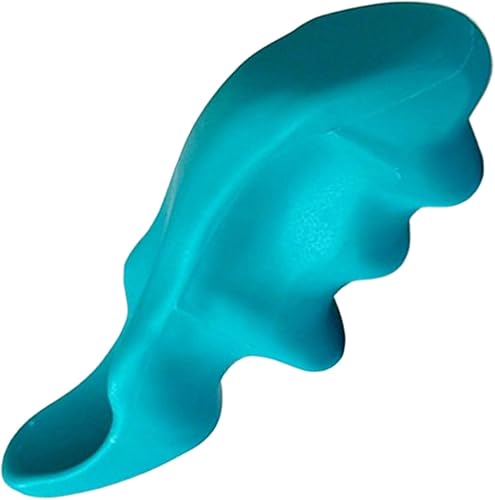
Trigger Point Massager
Okay, hear me out. After you’ve been crammed under a sink wrestling with filter housings and tightening compression fittings for an hour, your back and shoulders are a mess. This simple tool is a lifesaver for working out the knots. It’s not plumbing gear, but it’s in our kit bag.
- Targets deep muscle knots effectively
- No batteries or charging needed
- Compact and portable
- Learning curve to find the right spots
- Not a substitute for proper stretching
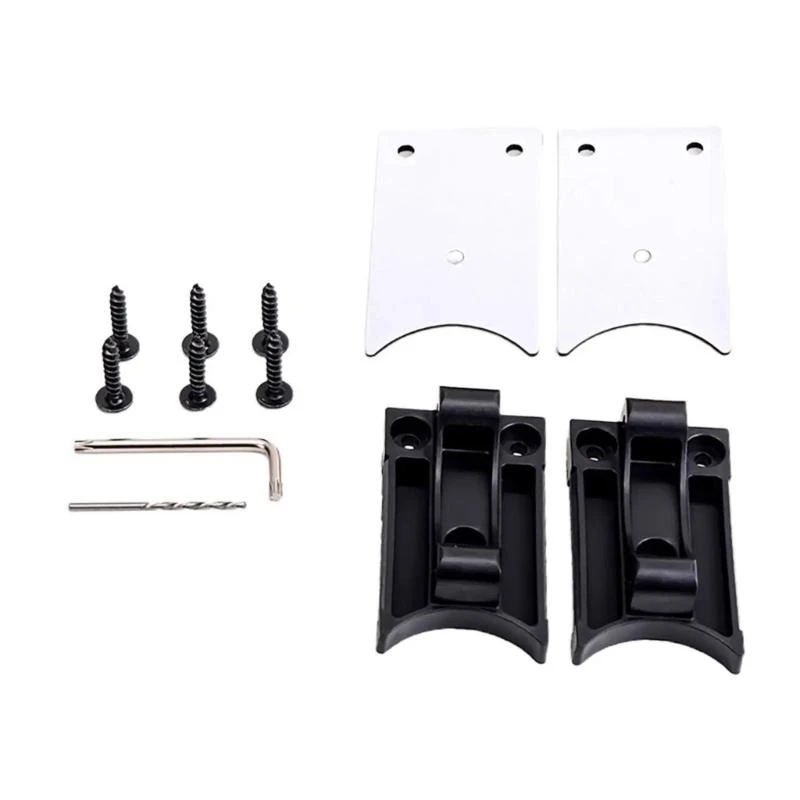
Q39F Convenient Ladder Attachment Point
For those high-up installations—like a whole-house sediment pre-filter in a basement or a UV system—this ladder mount is brilliant. It creates a stable platform on your ladder to hold tools, filters, or your coffee. Keeps everything within reach so you’re not climbing up and down constantly.
- Creates instant, stable work surface
- Adjustable and portable
- Very affordable
- Made for marine/industrial ladders
- Check ladder rail compatibility
Point of Use Equipment FAQ
- What is the difference between point of use and point of entry?
- Point of entry (POE) treats all water entering your home, like a whole-house softener. Point of use (POU) treats water at a single outlet, like your kitchen tap. POU is for drinking/cooking; POE is for protecting pipes and appliances house-wide.
- How often do point of use filters need changing?
- It varies wildly. Sediment pre-filters might need changing every 3-6 months. A good carbon block filter lasts 6-12 months. Reverse osmosis membranes can last 2-3 years. Always follow the manufacturer’s schedule based on your water usage and quality.
- Can I install a point of use filter myself?
- Many systems are designed for DIY installation, especially faucet-mount and countertop models. Under-sink systems require more skill—you’ll need to shut off water, possibly drill for a dedicated faucet, and make secure tubing connections. If you’re not comfortable, hire a plumber.
- Do point of use filters reduce water pressure?
- All filters create some resistance. The impact depends on the filter type and your home’s incoming pressure. Dense carbon blocks and RO membranes cause the most drop. Look at the system’s rated flow rate (GPM) to ensure it meets your needs.
- What point of use filter is best for well water?
- Well water requires a test first. Common issues are sediment, iron, manganese, and bacteria. You might need a multi-stage system: a sediment pre-filter, a specialized media filter like a manganese removal filter, and possibly a UV purifier for microbes. Don’t guess—test.
- Are point of use filters expensive to maintain?
- Annual costs range from $50 for basic faucet filters to $200+ for multi-stage or RO systems. The key is calculating the filter replacement cost per year, not just the upfront unit price. A cheap unit with costly filters is a bad deal.
Final Thoughts
Point of use equipment is the smartest investment for most homeowners who want better water without a massive plumbing project. It puts you in control. You can tackle the contaminants that actually matter in your water, at the tap you use most. The single biggest mistake we see is buying a filter without checking certifications or understanding what it actually removes. Do your homework on your water first.
Start simple. A quality under-sink carbon block system is the sweet spot for taste, safety, and value for the vast majority of people. It’ll handle chlorine, lead, and VOCs. From there, you can always add stages or specialized filters as needed. Your water, your rules.
