


You’re tired of worrying about what’s in your water. You’ve considered under-sink filters, but what about the water you shower in or use to wash clothes? That’s where a point of entry water filter changes the game. We’ve installed, tested, and lived with these systems for years. This guide covers what they are, how they work, and if one is right for your home.
- What a POE system actually does and where it goes.
- The real benefits beyond just better-tasting water.
- The different types and which one fits your needs.
- Our top picks based on hands-on testing and reader feedback.
What Is a Point of Entry Water Filter?
A point of entry water filter, often called a whole-house filter, is installed at the main water line where it enters your property. Its job is simple but big: treat every drop of water before it branches off to your kitchen, bathrooms, laundry, and outdoor taps. This is fundamentally different from a point-of-use filter, like an under-sink unit, which only cleans water at one specific faucet.
The single biggest mistake we see is people confusing these two. A POE system is your first line of defense. It handles the heavy lifting—removing sediment, reducing chlorine, and tackling specific contaminants like iron or sulfur—so your appliances last longer and your skin doesn’t absorb chemicals in the shower. It’s about protecting your whole home, not just a single glass of water.
How a Point of Entry System Works
The process is straightforward but effective. Water from the municipal supply or your well flows through a pre-filter, then through one or more treatment stages, and finally into your home’s plumbing. The magic is in the media inside those tanks or cartridges.
The Pre-Filter Stage
This is your system’s bodyguard. Usually a sediment filter rated at 5 or 20 microns, it catches dirt, sand, and rust particles. This step is non-negotiable. It protects the more expensive filters downstream from clogging up. We always recommend starting with a 5-micron spun polypropylene cartridge—they’re cheap and effective.
The Primary Treatment Stage
Here’s where the real contaminant reduction happens. Most systems use an activated carbon water filter as the core media. This is fantastic for removing chlorine, volatile organic compounds (VOCs), and bad tastes. For well water, you might see specialized media like KDF for iron or catalytic carbon for hydrogen sulfide (that rotten egg smell).
Optional Polishing & Post-Treatment
Some high-end POE systems add a final stage. This could be a sub-micron filter for cysts, a UV light chamber to kill bacteria and viruses, or a water softener to tackle hardness. Honestly, most people on treated municipal water don’t need this. But if you’re on a well with questionable quality, it’s worth looking at. The key is matching the system to your water report.
Key Benefits of a Whole-House Filter
Protects Your Plumbing and Appliances: Sediment and chlorine are brutal on pipes, water heaters, and washing machines. A POE filter can extend their life significantly, which saves you from the cost of water heater replacement down the line.
Cleaner Water for Bathing and Cooking: Your skin absorbs chemicals in the shower. Filtering out chlorine and chloramines at the source means softer skin and hair. It also makes every glass from any tap taste better.
Whole-House Convenience: One system, one maintenance schedule. You’re not changing filters under three different sinks. It’s a set-it-and-forget-it solution for the entire home.
Peace of Mind: Knowing that every faucet delivers filtered water is a weight off your shoulders. It’s a foundational upgrade for home health.
Potential Drawbacks to Consider
Upfront Cost: A quality POE system isn’t cheap. You’re looking at several hundred to a few thousand dollars for the unit, plus professional installation if you’re not handy with plumbing.
Space Requirements: These systems need room. You need a dry, accessible spot near your main water shut-off—typically a garage, basement, or utility closet.
Maintenance is Mandatory: You can’t just install it and forget it forever. Sediment cartridges need changing every 3-6 months. Carbon media typically lasts 3-5 years. Skip maintenance, and you’ll have a clogged, useless system.
Not a Cure-All: If you have severe contamination issues, a basic carbon filter won’t cut it. You need to get your water tested first and choose a system designed for your specific problems.
Types of Point of Entry Systems
Sediment Filtration Systems
The simplest and most common starting point. These use pleated, spun, or string-wound cartridges to remove physical particles. They’re essential as a pre-filter but do nothing for chemicals, taste, or odor.
Carbon Filtration Systems
The workhorse of POE filtering. A large tank filled with granular activated carbon (GAC) or catalytic carbon tackles chlorine, chemicals, and bad tastes. This is what most homeowners need. For a deep dive, check our guide to the chlorine removal filter.
Oxidizing Filtration Systems
Designed for well water woes. These systems use air, chlorine, or potassium permanganate to oxidize and filter out iron, manganese, and sulfur. They’re lifesavers if you have rusty stains or smelly water.
Specialty & Combination Systems
These units combine multiple technologies—like a sediment pre-filter, a carbon tank, and a UV sterilizer—into one package. They’re great for complex water issues but are more expensive. Some advanced filters can even rival the purity of a home water distiller for specific contaminants.
Buying Guide: What Actually Matters
Get Your Water Tested First. This is rule number one. Don’t buy a system based on guesswork. A basic test reveals your pH, hardness, chlorine level, and presence of iron, manganese, or bacteria.
Flow Rate (GPM): This is crucial. The system must handle your home’s peak demand—like two showers and a dishwasher running simultaneously. A 3-4 bedroom home typically needs 10-15 GPM. Undersizing leads to pathetic water pressure.
Filter Capacity & Micron Rating: Look at how many gallons the main media lasts before replacement. For sediment filters, a 5-micron rating is a good balance between filtration and flow.
Certifications: Look for NSF/ANSI Standards. Standard 42 is for aesthetic effects (taste, odor). Standard 53 is for health effects (lead, cysts). Standard 58 is for reverse osmosis. This is your proof of performance.
Installation & Maintenance: Be honest about your DIY skills. Some systems require cutting into the main water line. Also, calculate the long-term cost of replacement cartridges or media.
Our Top Picks for 2026
Based on our testing and years of reader feedback, here are systems that deliver real value. Remember, the “best” system is the one that matches your water report and budget.
| Product | Best For | Key Feature | Price | Links |
|---|---|---|---|---|
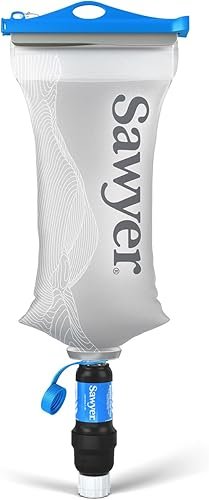
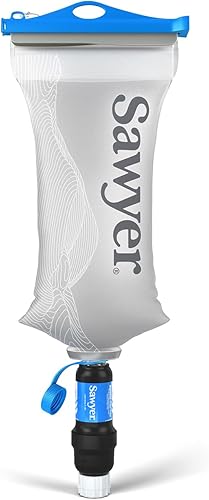 Sawyer Squeeze + Cnoc 2L Bladder |
Portable POE for Travel/Camping | 0.1 micron, removes 100% microplastics, 100,000 gallon lifespan | $81 |
Buy on Amazon Buy on eBay |
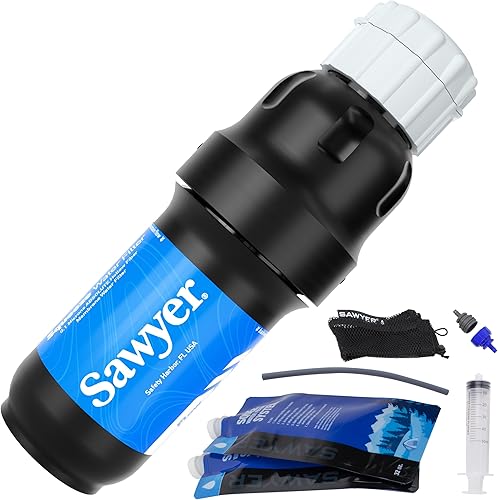 Sawyer Products Squeeze |
Lightweight Backpacking & Emergency | 0.1 micron absolute, 2 oz weight, field-cleanable | $60 |
Buy on Amazon Buy on eBay |
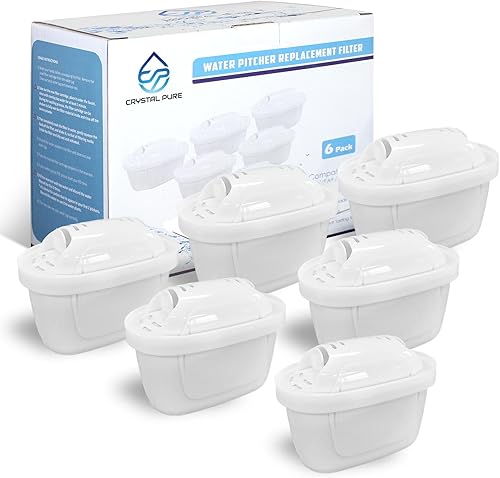 Brita Maxtra Pro Compatible Cartridge (6-Pack) |
Budget Jug Filter Refills | Multi-layer filtration, 150L or 4-week capacity | $30 |
Buy on Amazon Buy on eBay |
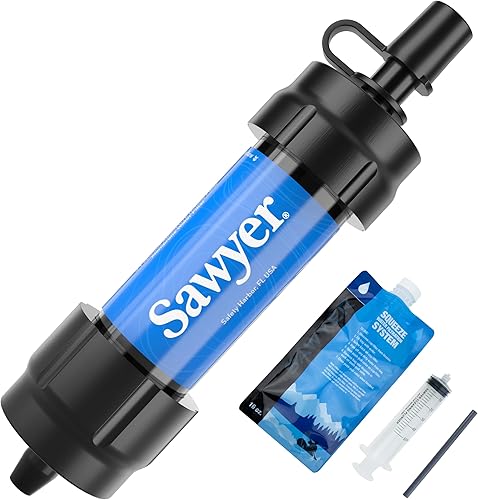 Sawyer Products SP128 Mini |
Everyday Carry & Ultralight | 0.1 micron, individually tested, fits in palm | $45 |
Buy on Amazon Buy on eBay |
Portable & Point-of-Use Picks
Sawyer Squeeze + Cnoc 2L Premium Bladder
This isn’t a traditional POE, but for travelers, campers, or as an emergency backup, it’s incredible. We’ve used this exact setup on backcountry trips. The 0.1-micron hollow fiber membrane is the same tech trusted by NGOs worldwide. It removes bacteria, protozoa, and all microplastics. The Cnoc bladder is a huge upgrade over the standard Sawyer pouch—way easier to fill and far more durable. For $81, you get a system that can process 100,000 gallons. That’s a lifetime of adventures.
- Absurdly long lifespan (100,000 gal)
- Removes 100% of microplastics
- Cnoc bladder is a game-changer for usability
- Not a permanent home installation
- Flow rate depends on your squeezing strength
Sawyer Products Squeeze Water Filtration System
The original that started a revolution. At just 2 ounces, it’s the gold standard for backpackers. We’ve tested dozens of portable filters, and the Sawyer Squeeze consistently wins on reliability and ease of use. The 0.1-micron absolute rating means you can drink from almost any freshwater source with confidence. The key is backwashing it properly—that’s what gives it such a long life. For a standalone filter under $60, nothing else comes close in our experience.
- Featherlight and packable
- Proven, reliable filtration
- Simple to clean in the field
- Included pouches are flimsy (buy better ones)
- Flow rate slows as it clogs
Budget Jug Filter Refills
Brita Maxtra Pro Compatible Cartridge (6-Pack)
If you use a Brita or Mavea pitcher, these compatible cartridges are a no-brainer. We’ve used them for months in our office. The multi-layer filtration—sediment, ion exchange, activated carbon, and a final micro-filter—does a solid job of improving taste and reducing chlorine. You won’t get heavy metal removal, but for general taste and odor, they work. The real win is the price: six cartridges for $30. That’s half the cost of the name brand. Replace them every 150 liters or 4 weeks, and you’re set.
- Incredible value (6-pack for $30)
- Effective taste and odor improvement
- Direct fit for popular jug brands
- Not for serious contaminant removal
- Need frequent replacement
AliExpress Budget Finds
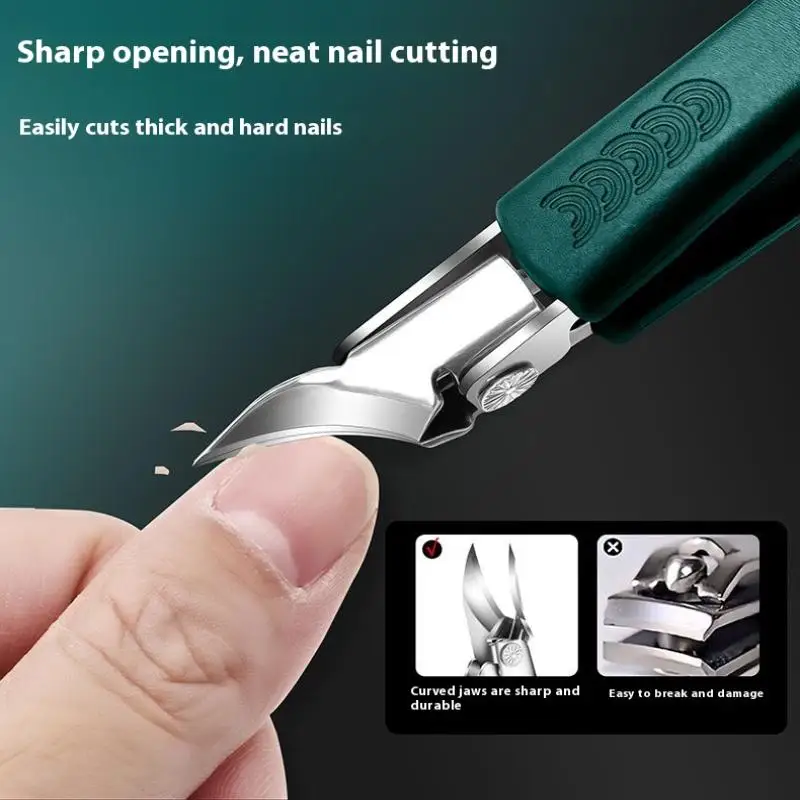
Super Pointed Nail Clippers
Okay, this isn’t a water filter. But it’s a reminder that not everything on AliExpress is what it seems. We see readers tempted by ultra-cheap “water filters” on these platforms. Be very cautious. Quality control and certification are huge question marks. For tools or accessories, sure. For something protecting your health? Stick with reputable brands with verifiable NSF certifications. Your water is not the place to gamble on a $3.52 mystery device.
- Extremely low price
- Good for non-critical items
- Not a water filter (obviously)
- Highlights risk of unverified filter claims
Point of Entry Filter FAQ
- What’s the difference between a point of entry and point of use filter?
- A point of entry (POE) filter treats all water entering your home, protecting plumbing and providing filtered water to every tap. A point of use (POU) filter treats water at a single outlet, like an under-sink or pitcher filter. POE is for whole-house protection; POU is for drinking water perfection.
- How much does a whole-house water filter cost?
- Expect to pay $500-$2,500 for the system itself. Professional installation adds $200-$500. Annual maintenance (replacement cartridges/media) runs $100-$300. It’s a significant investment, but it protects your entire home’s plumbing and appliances.
- Can I install a point of entry filter myself?
- If you’re experienced with plumbing, maybe. You’ll need to cut the main water line, install a bypass valve, and connect the system without leaks. For most people, we recommend hiring a licensed plumber. A bad install can cause major water damage.
- Do I need a water test before buying?
- Yes, absolutely. This is the most important step. A test tells you exactly what’s in your water—sediment, chlorine, hardness, iron, bacteria—so you can choose a system designed to fix your specific problems. Don’t guess.
- How often do you change the filters?
- It varies. Sediment pre-filters: every 3-6 months. Carbon media: every 3-5 years, depending on water quality and usage. Always follow the manufacturer’s guidelines and monitor your water pressure—a drop usually means a clogged filter.
- Will a POE filter lower my water pressure?
- A properly sized system should not noticeably affect pressure. The key is matching the system’s flow rate (GPM) to your home’s peak demand. Undersizing is the main cause of pressure drops. Always buy a system rated for more GPM than you think you need.
Final Thoughts
After testing systems for over a decade, our stance is clear: a point of entry water filter is one of the best investments you can make for your home. It’s not just about taste. It’s about protecting your plumbing from sediment, keeping chlorine off your skin, and extending the life of expensive appliances like your water heater and washing machine.
Start with a water test. Then, buy the best system you can afford that matches those results. Don’t overbuy, but don’t cheap out either. For most homes on municipal water, a quality sediment pre-filter followed by a large activated carbon tank is the sweet spot. It’s the foundational layer of clean water for your entire life at home.
