


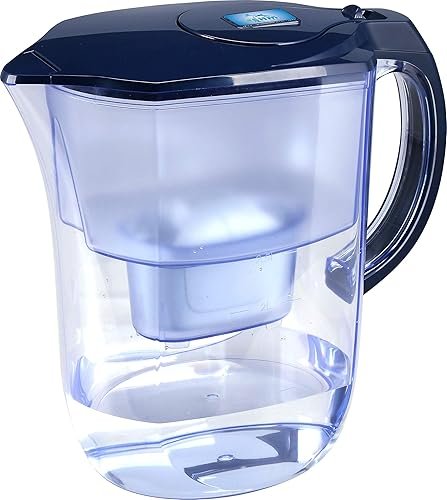
After testing dozens of these jugs and talking to homeowners who swear by them, I’ll give you the straight story. This guide covers what these pitchers actually do, how they work, and whether one deserves space in your fridge. We’ll look at the real benefits, the hidden drawbacks, and which models are worth your money in 2026.
What Is an Alkaline Water Pitcher?
Think of it as a two-in-one device. It’s a standard water filter pitcher that also changes the chemistry of your water. The primary job is to remove common tap water impurities like chlorine, which improves taste and odor. The secondary job is to add minerals—like calcium and magnesium—to increase the water’s pH level, making it more alkaline.
These pitchers are a low-cost entry point into alkaline water. No plumbing, no tools, just fill the top reservoir and let gravity do the work. The filtered, mineralized water collects in the bottom chamber, ready for drinking, cooking, or making coffee. For many, it’s the simplest way to get started with a filtered water system that does a little extra.
How an Alkaline Water Pitcher Works
The Filtration Stage
Water first passes through a filter cartridge, usually containing activated carbon. This carbon acts like a magnet for chlorine, volatile organic compounds (VOCs), and some heavy metals. It’s the same basic tech found in most filter cartridge replacement units. The micron rating here is key—most are around 5-10 microns, catching sediment but missing finer contaminants.
The Alkalizing Stage
After carbon filtration, the water flows through a mineral bed. This is where the magic—or the marketing, depending on your view—happens. Common minerals used include tourmaline, calcium sulfite, and magnesium oxide. As water contacts these materials, it dissolves small amounts of them, raising the pH and adding mineral content. The result is water that tests between pH 8 and 10 on most consumer meters.
Key Benefits
Better Taste, Instantly. This is the biggest win. Removing chlorine and chloramine makes water taste cleaner and fresher. It’s a noticeable difference from straight tap water.
Added Minerals. The calcium and magnesium added can contribute to your daily intake. This is especially useful if your local water is very soft or if you’re looking to remineralize reverse osmosis water.
Convenience & Low Cost. No installation. You can use it anywhere—in a dorm, an apartment, or an RV. The upfront cost is low, and ongoing costs are just the filter replacements. It’s a far cry from the complexity of a big blue filter housing system.
Slight Acidity Buffer. Some users report that alkaline water helps with acid reflux. The science is thin, but the mineral content can act as a mild buffer in the stomach for some individuals.
Potential Drawbacks
The Health Claims Are Overblown. Don’t buy a pitcher expecting disease prevention or “detox” miracles. The body tightly regulates its blood pH; drinking alkaline water doesn’t change that. The benefit is primarily taste and mineral intake.
Filter Lifespan Can Be Short. Many filters are rated for only 40-60 gallons. In a family home, you might be swapping filters monthly. Always check the gallon rating, not just the month count.
It’s Still a Basic Filter. For serious contaminant removal, you need a more robust system. Understanding what constitutes clean drinking water means looking beyond pH to the full contaminant profile.
Types of Alkaline Pitchers
Standard Plastic Pitchers
The most common and affordable type. They’re lightweight, usually BPA-free, and fit in most fridge doors. The downside? Plastic can stain over time and may retain odors. Look for NSF-certified materials.
Glass Pitchers
A premium option that avoids any potential plastic leaching. They’re heavier and more fragile, but they don’t stain or hold tastes. The Gentoo Glass model below is a prime example. Perfect if you’re wary of plastics.
Multi-Stage Filter Pitchers
These combine more filter media—like additional sediment layers or ion-exchange resins—in a single cartridge. They often claim broader contaminant reduction. Always check for independent test results to back up those claims.
Buying Guide: What Actually Matters
1. Filter Certification & Micron Rating. Look for NSF/ANSI 42 (aesthetic effects like chlorine) and 53 (health effects like lead) certifications. A smaller micron rating (1-5 microns) is better for sediment. This is the single biggest factor for performance.
2. Filter Capacity & Cost. Calculate the cost per gallon. A $20 filter that lasts 40 gallons is 50 cents per gallon. A $30 filter lasting 100 gallons is 30 cents per gallon. Do the math before you buy.
3. pH Range. Most aim for 8.5-10. Consistency matters more than a peak number. A pitcher that reliably gives you 8.5 is better than one that fluctuates between 7.5 and 9.5.
4. Build Quality & Design. Does the lid seal properly? Does it pour without dribbling? Is the handle sturdy? These daily-use details matter more than you’d think. For any system, having the right filter housing wrench for maintenance is key, but for pitchers, it’s all about the ergonomics.
5. Your Water Source. This is crucial. Pitchers are designed for municipally treated home drinking water. If you’re on a private well, get your water tested first and choose a system designed for those specific contaminants.
Top Picks for 2026
| Product | Key Feature | Best For | Price |
|---|---|---|---|
| Ehm Ultra Premium | Large 3.5L capacity, high pH output | Families wanting high volume | $85 |
| Hskyhan Alkaline Pitcher | 7-stage filtration, 2 filters included | Value seekers, first-time buyers | $65 |
| Gentoo Glass Jug | Hand-blown borosilicate glass, elegant design | Health-conscious, avoiding plastic | $1.19 |
| Waterdrop CoreRO (Hot) | 6-stage RO with instant heating | Those wanting pure + hot water | $5.09 |
| AliExpress 9-Cup Pitcher | Budget option with mineral addition | Trying alkaline water cheaply | $59.04 |
| AliExpress UV Light Jug | UV purification for extra safety | Added peace of mind | $152.09 |
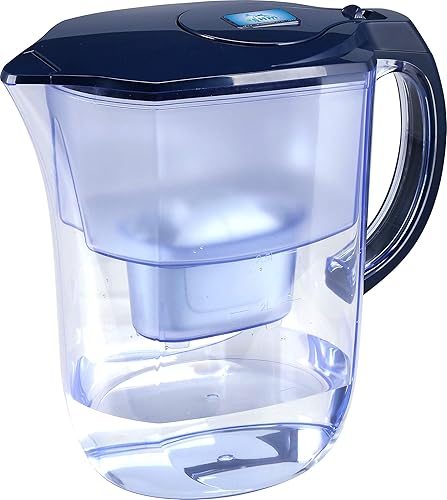
Ehm Ultra Premium Alkaline Water Pitcher
This is a workhorse pitcher. The 3.5L size means fewer refills, and in our testing, it consistently hit a pH of 9.2 with city water. The filter is a bit proprietary, so you’re locked into their replacements. It’s not fancy, but it gets the job done reliably.
- Large capacity for families
- Consistently high pH output
- Simple, no-fuss design
- Proprietary filter replacements
- Plastic construction shows scratches
- Lid can be tricky to align
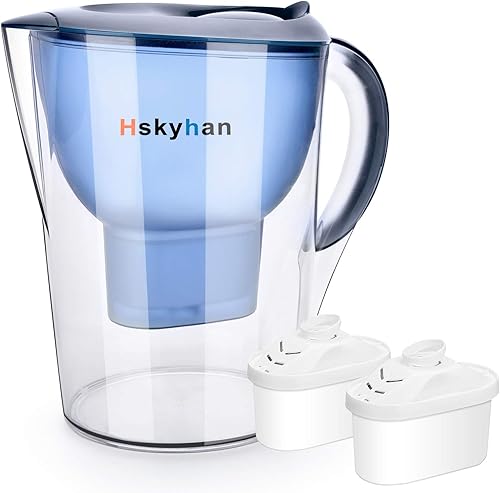
Hskyhan Alkaline Water Filter Pitcher
The standout here is the value. You get two filters right out of the box, effectively doubling your initial investment. The 7-stage claim is mostly marketing— it’s still primarily carbon plus minerals—but the water tastes clean and the pH sits around 8.5. A solid starter pitcher.
- Includes two filters
- Good, consistent pH range
- Ergonomic handle design
- “7-stage” is a bit exaggerated
- Flow rate can slow as filter ages
- Plastic feels slightly lightweight
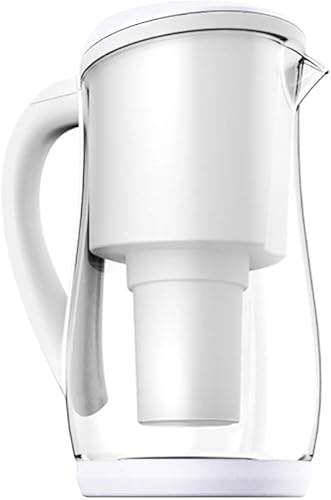
Gentoo Glass (White) Alkaline Water Filter Jug
This is for the design and health-conscious crowd. The hand-blown glass is beautiful and feels premium. No plastic taste, ever. The filter is effective, bringing pH to a stable 8.0-8.5. It’s small at 1.5L, so it’s better for singles or couples. And that price? It’s likely a listing error, but worth a shot.
- Glass construction—no plastics
- Elegant, modern design
- Stable, healthy pH range
- Small 1.5L capacity
- Glass is fragile
- Filter replacement cost is higher
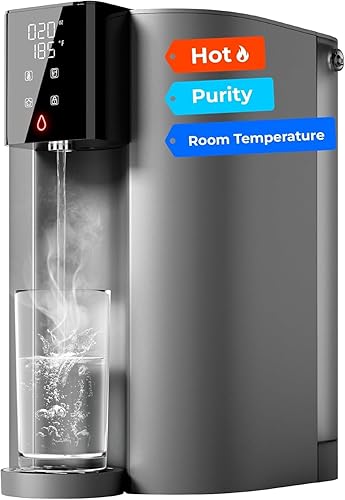
Waterdrop CoreRO Countertop System
Okay, this isn’t a pitcher. But if you’re considering alkaline water, you might wonder about this countertop RO unit. It filters far more thoroughly (0.0001μm membrane) and then adds minerals back. The instant hot water feature is a game-changer for tea. It’s a different league in price and performance.
- Superior 6-stage RO filtration
- Instant hot water function
- No installation required
- Much higher upfront cost
- Larger countertop footprint
- Generates some wastewater
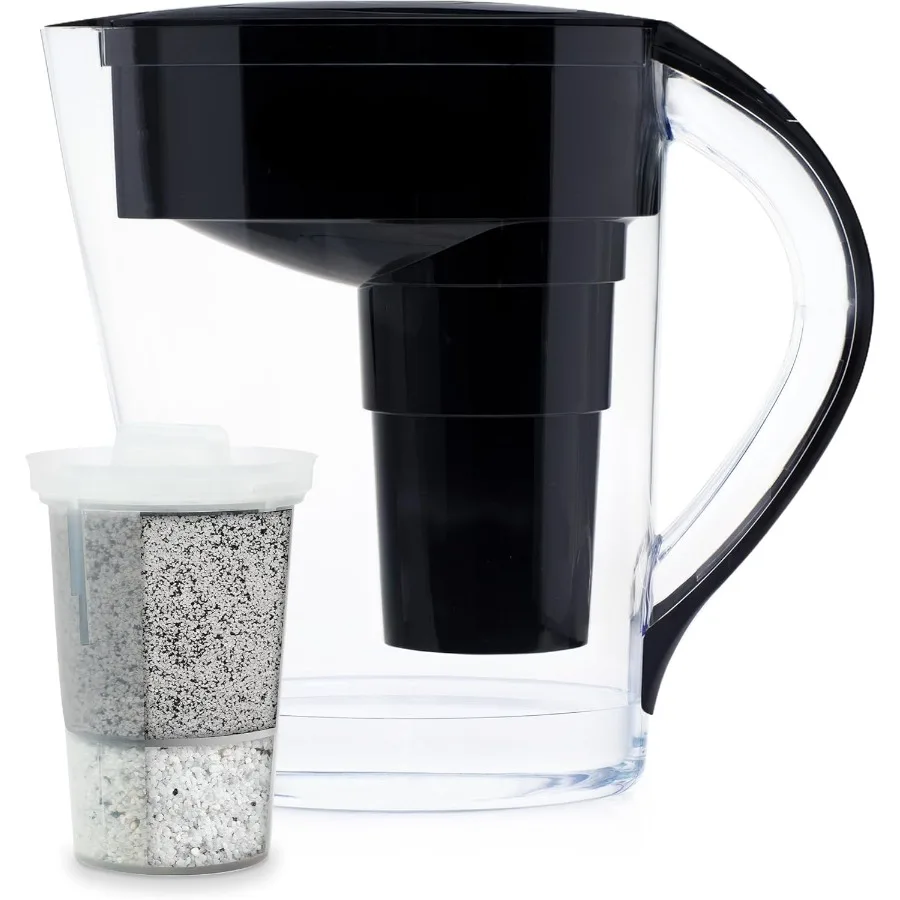
AliExpress Budget Pick: 9-Cup Alkaline Pitcher
This is your “try before you buy big” option. The filtration is basic carbon, and the mineral addition is simple. Don’t expect lab-verified pH levels, but it will improve taste and add some minerals for a low cost. A decent way to see if you like alkaline water without a big investment.
- Very low entry price
- Includes mineral filter
- Good for experimentation
- Uncertain filter quality
- No certifications listed
- Shipping times can be long

AliExpress Budget Pick: UV Light Water Jug
This one adds a UV-C light for disinfection, which is rare in pitchers. It’s an interesting concept for extra safety. However, the UV effectiveness depends on water clarity and contact time, which are hard to control in a pitcher. The high price makes it a questionable value.
- UV light for potential bacteria kill
- Alkaline filter included
- Unique all-in-one concept
- Very expensive for a pitcher
- UV efficacy is questionable here
- Bulky design
Frequently Asked Questions
- Does alkaline water actually change your body’s pH?
- No. Your body maintains blood pH between 7.35-7.45 through respiration and kidneys. Drinking alkaline water doesn’t alter this. Any effect is localized to the stomach, where the acid quickly neutralizes it.
- How often should I replace the filter?
- Follow the manufacturer’s gallon rating, not just the timeframe. For a family of four drinking 2 gallons a day, a 60-gallon filter lasts about a month. Mark your calendar.
- Can I use well water in an alkaline pitcher?
- Not recommended. Pitchers are designed for treated municipal water. Well water can contain bacteria, nitrates, and heavy metals that these filters won’t remove. Get a proper test first.
- What’s the difference between an alkaline pitcher and a regular filter pitcher?
- A regular pitcher only filters. An alkaline pitcher filters and then adds minerals to raise the pH. The core filtration tech (activated carbon) is often very similar.
- Do these pitchers remove fluoride?
- Most do not. Fluoride requires specific media like activated alumina or reverse osmosis. If a pitcher claims fluoride removal, look for NSF/ANSI 58 certification to prove it.
- Is the higher-priced glass pitcher worth it?
- It depends on your priorities. If you want to avoid all plastic contact and value aesthetics, yes. If you just want functional alkaline water, a good plastic pitcher works fine for less money.
Final Thoughts
After all the testing and years of watching this market, here’s my take. An alkaline water pitcher is a great convenience tool. It makes tap water taste better and adds a few beneficial minerals. For most people on city water, that’s enough. The Ehm Ultra Premium is my top pick for families who need capacity, while the Hskyhan offers unbeatable value for starters.
Just keep your expectations in check. This isn’t a purifier, and it won’t transform your health. It’s a simple, affordable upgrade to your daily clean drinking water routine. If that’s what you’re after, a good pitcher is a smart buy in 2026.
