


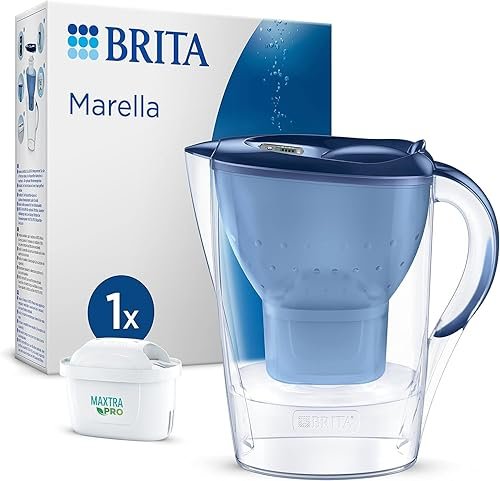
After testing more pitchers than I can count—some brilliant, some destined for the back of the cabinet—I can tell you this: choosing the right one feels simple until you’re staring at a wall of options. This guide cuts through the noise. We’ll look at what actually makes a pitcher filter work, the real benefits and limitations, and which models we’d bet our own tap water on.
What Is a Water Filter Pitcher?
A water filter pitcher is a self-contained, pour-through filtration system. You fill the top reservoir, and gravity pulls the water through a replaceable filter cartridge into the main chamber. It’s the simplest point-of-use filter you can own. No installation, no plumbing. Just fill, wait, and pour. They’re designed to tackle common complaints with municipal tap water—primarily taste, odor, and chlorine.
Think of it as your first line of defense. It’s not going to turn industrial runoff into pristine spring water, but for improving the glass you drink every day, it’s remarkably effective. The technology has come a long way from the basic carbon blocks of the past. Modern filters can reduce a range of substances, but managing expectations is key.
How a Pitcher Filter Works
The magic—and the science—happens inside that replaceable cartridge. It’s a multi-stage process condensed into a small cylinder.
Stage 1: Mechanical Filtration
As water enters the filter, it first passes through a fine mesh or non-woven screen. This acts like a net, catching larger physical particles—think sediment, rust flakes, or sand. The pore size here is usually measured in microns. A smaller micron rating means it catches smaller particles, but it can also slow down the flow rate.
Stage 2: Adsorption with Activated Carbon
This is the workhorse. Most pitcher filters use activated carbon—often from coconut shells—that’s been treated to be incredibly porous. These microscopic pores create a vast surface area. Contaminants like chlorine, volatile organic compounds (VOCs), and some pesticides get adsorbed (stuck) onto the carbon as water flows by. It’s like a magnet for the bad stuff that affects taste and smell. For a deeper dive into carbon’s role, our guide on whole house carbon filter systems explains the science in more detail.
Stage 3: Ion Exchange & Other Media
Many premium filters, like the BRITA MAXTRA PRO, include an ion-exchange resin. This swaps ions in the water—like lead, copper, and cadmium—for harmless ones like sodium or hydrogen. Some filters also incorporate other media to target specific contaminants. It’s this layered approach that separates a good filter from a great one.
Key Benefits
Dramatically Better Taste and Odor. This is the number one reason people buy a pitcher. By removing chlorine and its byproducts, your water tastes cleaner and fresher. It makes tap water appealing to drink, which is a huge win for hydration.
Convenience and Portability. No tools, no waiting for a plumber. You can use it in a rental, a dorm, or take it camping. It’s always ready in the fridge.
Cost-Effective Entry Point. Compared to under-sink systems or whole-house filters, the upfront cost is minimal. It’s a low-risk way to test if filtered water is for you before committing to a more permanent solution for your drinking water.
Reduces Plastic Bottle Waste. If you’re buying bottled water for taste, a pitcher can pay for itself in a month or two and drastically cut down on single-use plastic.
Potential Drawbacks
Filter Lifespan and Cost. You must replace the filter regularly—usually every 40 gallons or 2 months. Forgetting means drinking unfiltered water. The ongoing cost of cartridges adds up over time.
Slow Flow Rate. Patience is required. Filling a glass can take 30-60 seconds as water trickles through the dense filter media. Filling the whole pitcher can take several minutes.
Not for High-Volume Needs. If you have a large family or drink a lot of water, you’ll be constantly refilling a small pitcher. A larger capacity model or a different system type is better.
Types of Pitcher Filters
Standard Activated Carbon
The most common and affordable type. Great for chlorine, taste, and odor. Some can reduce lead and other heavy metals if certified. This is the baseline for most popular brands.
Advanced Multi-Stage
These combine activated carbon with other media like ion-exchange resins or specialized adsorbents. They target a broader range of contaminants, including specific heavy metals and pharmaceuticals. The BRITA MAXTRA PRO is a prime example.
Alkaline/Ionizing
These filters add minerals back into the water to raise its pH. The health benefits are debated, but some people prefer the taste. Be cautious of exaggerated health claims.
Specialty Filters
Some pitchers are designed for specific issues, like hard water or high fluoride. They are less common. For iron or manganese issues, a dedicated iron manganese filter is usually required, as pitcher filters aren’t built for that job.
Buying Guide: What Actually Matters
Forget the marketing hype. Focus on these four criteria.
1. Certifications (NSF/ANSI Standards). This is non-negotiable. Look for independent certification against NSF/ANSI Standard 42 (aesthetic effects: chlorine, taste, odor) and Standard 53 (health effects: lead, cysts, etc.). The specific claims are listed on the certification. No certification? Walk away.
2. Filter Capacity & Cost. Calculate the cost per gallon. A cheaper pitcher with expensive, short-lived filters is a bad deal. Most filters last 40 gallons or 2 months. Do the math for your household’s consumption.
3. Jug Capacity & Design. How much filtered water do you need at once? A 2.4L jug is fine for one or two people. A family of four will drain it constantly. Also, check if it fits in your fridge door. A flip-top lid for one-handed filling is a small feature you’ll use every day.
4. Your Water Quality Report. This is your secret weapon. Get your local water utility’s annual report (called a Consumer Confidence Report). See what’s actually in your water. If you have lead pipes, prioritize a filter certified for lead reduction (NSF/ANSI 53). If your water is heavily chlorinated, Standard 42 is your focus. This data-driven approach is far better than guessing. For a broader look at filtration principles, our overview of drinking water filtration is a great resource.
Our Top Picks for 2026
Based on our testing, reader feedback, and value analysis, here are the pitchers we recommend.
| Product | Capacity | Key Feature | Price | Links |
|---|---|---|---|---|
| BRITA Marella (Blue) | 2.4L (1.4L filtered) | MAXTRA PRO filter, fridge-door fit | $39 |
Buy on Amazon Buy on eBay |
| BRITA Marella (Graphite) | 2.4L (1.4L filtered) | MAXTRA PRO filter, fridge-door fit | $39 |
Buy on Amazon Buy on eBay |
| BRITA Marella XL (White) | 3.5L (2.0L filtered) | Larger capacity, MAXTRA PRO filter | $44 |
Buy on Amazon Buy on eBay |
| Waterdrop CoreRO Countertop RO | N/A (Dispenser) | 6-stage RO, instant hot, no install | $5.09 |
Buy on Amazon Buy on eBay |

BRITA Marella Water Filter Jug, 2.4L, Blue
This is the classic for a reason. In our testing, the MAXTRA PRO filter consistently delivers on its promise: crisp, clean-tasting water with chlorine effectively removed. The 2.4L total capacity is perfect for a single person or couple. We love the one-hand flip-top lid—it’s a small design win that makes daily use effortless. It fits perfectly in a standard fridge door. Honestly, for most people with decent municipal water, this is all you need.
- Reliable MAXTRA PRO filtration
- Excellent, ergonomic design
- Very affordable entry point
- Widely available filters
- 1.4L filtered capacity is small for families
- Filter changes every ~2 months

BRITA Marella XL Water Filter Jug, 3.5L, White
Everything we love about the Marella, but with more capacity. The 2.0L filtered volume means you’re refilling less often. This is the one we recommend for households of three or four. The filtration performance is identical to its smaller sibling, which is a good thing. The extra five bucks is a no-brainer for the added convenience. It’s still fridge-friendly, though it takes up a bit more shelf space.
- Same great MAXTRA PRO filter
- Larger 2.0L filtered capacity
- Still fits in most fridges
- Best balance of size and performance
- Slightly larger footprint
- Same filter replacement schedule

Waterdrop CoreRO Countertop Reverse Osmosis System
Okay, this isn’t a pitcher. But if you’re searching for the “best” filtration, you need to know about this option. It uses 6-stage reverse osmosis to reduce over 1,000 contaminants, including TDS, fluoride, lead, and PFAS. The instant hot water feature is a game-changer for tea and coffee. No installation is a huge plus. It’s a different category—think countertop appliance—but if your water has serious issues or you want the absolute purest water, this is the leap to make. The filter lasts a year, which is impressive.
- Exceptional 6-stage RO filtration
- Reduces vast range of contaminants
- Instant hot water function
- No plumbing required
- Significantly higher upfront cost
- Not a pitcher; countertop footprint
- Produces wastewater (3:1 pure ratio)
Frequently Asked Questions
- How often should I change my water filter pitcher filter?
- Most manufacturers recommend every 40 gallons or 2 months, whichever comes first. For a typical household, that’s about every 6-8 weeks. If your water is heavily chlorinated or you notice a slowdown in flow or a return of taste/odor, change it sooner. Set a calendar reminder.
- Do water filter pitchers remove bacteria or viruses?
- No. Standard pitcher filters are not designed to remove microbiological contaminants. They rely on mechanical filtration down to a micron level (usually 1-5 microns) that is too large to catch bacteria and viruses. If you have concerns about microbes, you need a system with an absolute 0.2-micron filter or a UV purifier.
- Can I use a pitcher filter with well water?
- It’s not recommended. Well water can contain bacteria, sediment, iron, manganese, and other contaminants that pitcher filters aren’t built to handle. The filter will clog rapidly and won’t make the water safe. You should get a proper well water test and install a dedicated treatment system.
- What’s the difference between a water filter pitcher and a faucet-mounted filter?
- Flow rate and convenience. A faucet filter gives you filtered water instantly at the tap but requires installation and can reduce flow. A pitcher is portable, requires no install, but you have to wait for it to filter and refill it constantly. Faucet filters often have similar or slightly better contaminant reduction due to higher-pressure flow.
- Why does my filtered water sometimes have black specks?
- That’s loose activated carbon dust, or “fines.” It’s harmless but unsightly. It usually happens with a new filter that wasn’t properly flushed. Always run 2-3 full pitchers of water through a new filter and discard that water before drinking. If it persists, the filter may be defective.
Final Thoughts
After years of testing, the truth is simple: the best water filter pitcher is the one you’ll actually use consistently. For the vast majority of people on municipal water, the BRITA Marella XL hits the sweet spot. It’s affordable, effective at making tap water taste great, and the 2.4L filtered capacity means less refilling. The MAXTRA PRO filter is a proven workhorse.
Don’t overcomplicate it. Check your water report, prioritize NSF/ANSI certifications, and pick the capacity that matches your thirst. A good pitcher is a simple tool that makes staying hydrated with clean-tasting water effortless. And if your needs outgrow it, you’ll know exactly what to look for in a more permanent system. Stay hydrated.
