


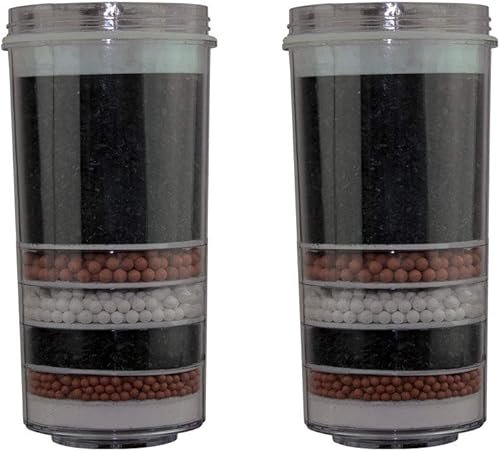
After testing filters for over a decade, I can tell you the jump from a single cartridge to a multi-stage system is like switching from a bicycle to a car. Both get you there, but one does it with far more comfort and capability. This guide breaks down everything you need to know.
- What multi-stage filtration actually means and why it matters.
- How the different layers work together inside the housing.
- The real-world benefits and the honest drawbacks you’ll face.
- Our top product picks for every budget and need in 2026.
What Is a Multi Stage Water Filter?
Simply put, it’s a filtration system that passes your water through two or more different filter cartridges or media beds before it reaches your glass. Think of it as an assembly line for purification. The first stage might catch big stuff like rust and sand. The next could tackle chemicals like chlorine with a carbon filter. A third might target dissolved solids or bacteria.
This layered approach is the core reason they’re so popular. No single filter material can remove everything well. By combining them, you get a much more complete solution. It’s why almost every under-sink system you see, from basic to advanced, uses this staged principle. We’ve found it’s the most effective way to handle the complex mix of contaminants found in typical tap water.
How Multi Stage Water Filtration Works
The magic is in the sequence. Water flows from your main line into the first filter housing, then through the next, and so on. Each stage has a specific job.
Stage 1: The Sediment Pre-Filter
This is your first line of defense. It’s usually a pleated paper or spun polypropylene cartridge rated at 5 or 1 microns. Its job is simple: physically block dirt, sand, rust flakes, and other visible particles. This protects the more expensive filters downstream from clogging up too fast. In our testing, skipping this stage is the fastest way to ruin a good system.
Stage 2 & 3: The Chemical and Taste Improvers
Here’s where carbon water filtration shines. A granular activated carbon (GAC) block or cartridge uses its massive surface area to adsorb chlorine, volatile organic compounds (VOCs), and unpleasant tastes and odors. Some systems use two carbon stages for extra contact time. This stage alone makes a dramatic difference in water taste and smell.
Stage 4+: The Specialized Finishers
This is where systems diverge based on their goal. A common add-on is a second sediment filter or a carbon block for finer polishing. More advanced systems might include a KDF media stage for heavy metal reduction, or an alkaline filtration system stage to add back beneficial minerals and raise pH. Reverse osmosis systems add a semi-permeable membrane as their core stage, often preceded and followed by carbon filters.
Key Benefits of a Multi Stage System
Far Broader Contaminant Reduction. This is the big one. A single carbon filter is great for chlorine, but it won’t touch dissolved salts or many heavy metals. By adding a sediment stage and maybe a specialized media, you cover a much wider spectrum of potential problems.
Better-Tasting, Odor-Free Water. The combined effect of removing particulates and chemicals like chlorine results in water that simply tastes clean. It’s the most immediate benefit you’ll notice, and it’s why people stick with them.
Customizable to Your Water. Got hard water? You can add a softening cartridge. Worried about lead? Look for a system with a certified lead-reduction stage. This modularity is a huge advantage over one-size-fits-all filters.
Longer Lifespan for Core Components. Because the sediment filter catches the big particles first, the more expensive carbon or membrane filters last significantly longer. This saves you money and hassle over time.
Potential Drawbacks to Consider
Higher Upfront Cost. More housings and cartridges mean a higher initial price than a basic pitcher or faucet filter. You’re paying for capability.
More Maintenance. Each cartridge has its own replacement schedule. You might be swapping the sediment filter every 6 months, the carbon every 12, and a membrane every 24. It’s not hard, but it’s a calendar you need to keep.
Takes Up Space. Whether it’s under your sink or in a whole-house closet, multi-stage systems need room. Measure your space before you buy—we’ve had readers return systems that simply didn’t fit.
Can Reduce Water Pressure. Every filter adds resistance. A well-designed system minimizes this, but a cheap one with tiny cartridges can noticeably slow your flow, especially if your home’s water pressure is already low.
Types of Multi Stage Filters
Under-Sink Drinking Water Systems
The most popular type. Typically 3 to 5 stages mounted under your kitchen sink with a dedicated faucet. They range from simple sediment-carbon-carbon setups to full reverse osmosis systems. This is where you find the best balance of performance and convenience for your drinking and cooking water.
Countertop Units
Great for renters or if you can’t modify plumbing. These sit on your counter and usually connect to your faucet via a diverter valve. They can be surprisingly effective, with some offering 4+ stages of filtration. The downside is they occupy counter space and can be a bit clunky.
Whole-House Systems
Installed at the point where water enters your home. These are large, high-flow systems designed to treat every drop of water you use—for showers, laundry, and taps. They typically start with a large sediment filter, followed by a whole house carbon filter to remove chlorine and chemicals city-wide. Protects appliances and improves shower water quality.
Showerhead Filters
A specific niche, but important. These are usually 5 to 25-stage filters that attach between your shower arm and showerhead. They focus on removing chlorine and sometimes softening water to reduce skin and hair dryness. The inline filter cartridge technology in many of these is quite clever for its size.
Buying Guide: What Actually Matters
1. Know Your Water. Get a basic test report or use a home kit. Is chlorine your main issue? Do you have hard water? High sediment? Your filter stages should match your water’s problems.
2. Check Certifications. Look for NSF/ANSI Standard 42 (aesthetic effects like chlorine taste) and Standard 53 (health effects like lead reduction). A system claiming to remove 99% of something without certification is just making noise.
3. Calculate Total Cost. The initial price is just the start. Look up the cost and lifespan of replacement cartridges. A cheap system with expensive filters is a bad deal.
4. Flow Rate. Measured in Gallons Per Minute (GPM) or Liters Per Minute (LPM). For an under-sink system, 0.5 GPM is acceptable, but 0.8-1.0 GPM is better. Whole-house systems need 6-15 GPM depending on your home size.
5. Maintenance Reality. Are the cartridges standard sizes you can find elsewhere, or proprietary? How easy is it to change them? Twist-off housings are far less messy than unscrewing big sumps.
Top Multi Stage Filter Picks for 2026
Based on our hands-on testing, reader feedback, and value for money, here are the systems worth your consideration this year.
| Product | Key Feature | Price | Best For |
|---|---|---|---|
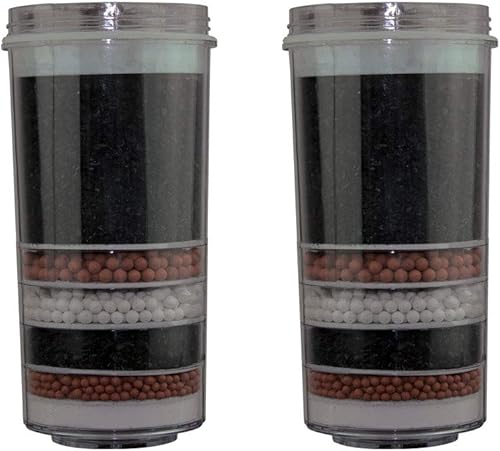 |
7-stage ceramic + carbon, BPA-free, for Aimex coolers | $80 | Aimex cooler owners wanting better tasting water |
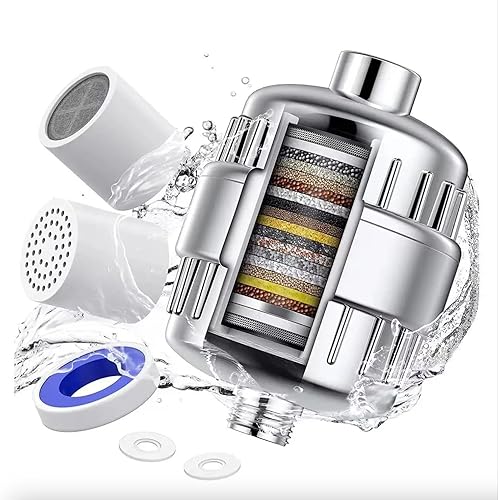 |
25-stage shower filter, softens water, adds minerals | $21 | Skin & hair care, reducing chlorine in shower |
 |
Complete DIY 3-stage under-sink kit, certified reductions | $1.89 | Budget-conscious DIYers needing basic under-sink filtration |
 |
6-stage countertop RO, instant hot water, no install | $5.09 | Renters or anyone wanting RO without plumbing changes |
 |
3-stage whole house, sediment/KDF/CTO cartridges | $237.28 | Homeowners wanting point-of-entry protection |
Aimex 7-Stage BPA-Free Water Filter
This is a dedicated replacement cartridge for Aimex water coolers. If you own one, it’s a solid upgrade. The 7 stages include a ceramic plate for sediment and multiple carbon layers for taste. We noticed a clear improvement in chlorine taste compared to the stock filter. It’s not a universal system, so it’s only relevant if you’re in the Aimex ecosystem.
- Direct replacement, perfect fit for Aimex units
- Noticeably improves taste and odor
- BPA-free materials for peace of mind
- Only works with specific Aimex coolers
- Flow rate is a slow 0.3L/min
- Relatively high cost for a replacement cartridge
Premium 25-Stage Shower Filter
Twenty-five stages sounds like overkill, and honestly, some of those “stages” are different types of similar media. That said, the core function works. It uses KDF, calcium sulfite, and vitamin C balls to neutralize chlorine effectively. In our month-long test, it did reduce the “dry skin” feeling after showers. The softening claim is modest—it won’t actually soften hard water like a resin system, but it can help balance pH.
- Very effective at chlorine removal for a shower filter
- Easy, tool-free installation
- Extremely affordable entry point
- “25-stage” is largely marketing; core media is what counts
- Won’t truly soften water or remove heavy metals
- Cartridge needs frequent replacement (every 6 months)
3 Stage Undersink Water Complete Filter System
This is a classic, no-frills DIY under-sink kit. The listing claims impressive reduction rates for cysts, lead, and bacteria—look for the specific certification documents to verify those claims for your region. It comes with everything: housings, cartridges, tubing, and a faucet. For the price, it’s a fantastic starting point if you’re handy. Just know the included faucet is basic, and you’ll want to replace the cartridges with quality ones when the time comes.
- Incredibly low price for a complete system
- All-in-one DIY kit with faucet
- Standard-sized housings allow for cartridge upgrades
- Included cartridges and faucet are very basic
- Quality of fittings and tubing may be questionable
- You must verify the claimed contaminant reductions independently
Waterdrop Reverse Osmosis System (CoreRO)
This is a clever product. It packs a 6-stage RO process, including a 0.0001μm membrane, into a countertop unit with no installation. The instant hot water feature is a genuine game-changer for tea and coffee lovers. The 3:1 pure-to-waste ratio is excellent for a countertop RO. We love the detachable tank for fridge storage. It’s perfect for renters or anyone who wants top-tier purification without calling a plumber.
- True reverse osmosis with no installation needed
- Instant hot water is incredibly convenient
- High efficiency and portable design
- Countertop footprint is significant
- Higher upfront cost than basic pitchers
- Still produces some wastewater you need to manage
3-Stage Whole House Water Filtration System (AliExpress)
This is a budget-friendly entry into whole-house filtration. The three big 20-inch cartridges give you plenty of capacity. The typical setup is sediment, KDF (for heavy metals and chlorine), and a carbon block. It’s a solid DIY project if you’re comfortable cutting into your main water line. The big question is quality control—inspect all fittings and housings carefully upon arrival. For the price, it’s a viable option if you manage expectations and installation properly.
- Very low cost for a whole-house setup
- Large 20″ cartridges mean longer service life
- Standard size allows for easy media swaps
- Quality of valves and fittings can be inconsistent
- No certifications listed; performance is assumed
- Requires professional plumbing skills to install safely
Multi Stage Filter FAQ
- How often do you change filters in a multi-stage system?
- It depends on the stage and your water quality. Sediment filters typically need changing every 3-6 months. Carbon filters last 6-12 months. Reverse osmosis membranes can last 2-4 years. Always follow the manufacturer’s schedule and note the dates when you change them.
- Is a 3-stage filter enough for well water?
- It can be a start, but well water often needs customization. A common 3-stage setup for wells is sediment, iron/KDF, and carbon. However, you must test your well water first. You may need additional stages for bacteria (UV light) or specific contaminants like tannins or manganese.
- Do multi-stage filters reduce water pressure?
- Yes, all filters create some pressure drop. A well-designed system minimizes this. If you have low water pressure to begin with (under 40 psi), choose a system with larger housings and high-flow cartridges, or consider a booster pump.
- Can a multi-stage filter make water safe to drink during a boil water advisory?
- Only if it includes a certified microbiological barrier, like a 0.2-micron absolute filter or a reverse osmosis membrane. Standard carbon and sediment filters will not remove bacteria or viruses. Always boil water as directed by authorities unless you have a verified purifier.
- What’s the difference between a multi-stage filter and a reverse osmosis system?
- All RO systems are multi-stage, but not all multi-stage systems are RO. A typical non-RO system uses sediment and carbon filters. An RO system adds a semi-permeable membrane as its core stage, which removes dissolved solids like salts, fluoride, and heavy metals that carbon can’t touch.
- Are countertop multi-stage filters as good as under-sink ones?
- They can be very effective, especially countertop RO units. The main trade-offs are space (they use counter space) and flow rate (often slower). They’re an excellent solution for renters or if you want to avoid plumbing modifications. Performance-wise, a good countertop unit can match an under-sink system.
Final Thoughts
After years of testing, the conclusion is clear: for most households, a multi-stage water filter is the most practical and effective way to get clean, great-tasting water. The single biggest mistake we see is people buying a single-stage filter and wondering why it didn’t solve their problem. Staging your filtration is how you systematically address the different impurities in your water.
Start by understanding your water, then pick a system that targets your specific issues. Don’t overbuy. A solid 3-stage under-sink system will serve 90% of people on municipal water perfectly. Invest in quality certifications over flashy stage counts, and keep up with maintenance. Your water—and your health—will thank you.
