


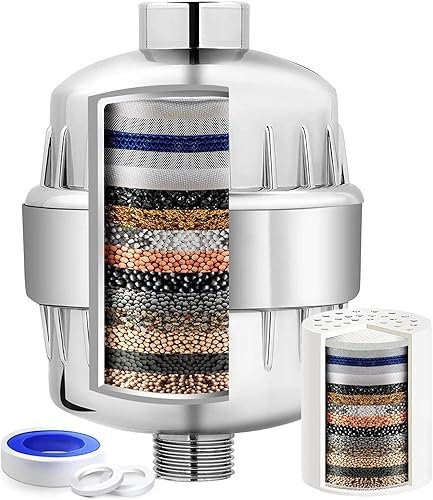
You’ve probably seen them advertised: filters claiming “20-stage” or “25-stage” purification. It sounds like marketing hype. But after testing dozens of these systems, I can tell you the core idea is solid. A multi-stage filter isn’t just about more layers; it’s about smarter, targeted removal of contaminants.
This guide breaks down everything you need to know. We’ll cover what they are, how they actually work, their real benefits and hidden drawbacks, and which type fits your home. I’ll even share my top picks based on years of hands-on testing.
What Is a Multi Stage Filter?
A multi-stage filter is a water filtration system that passes water through two or more distinct types of filter media before it reaches your tap or showerhead. Think of it like a security checkpoint with multiple guards, each trained to spot different threats. The first might catch big debris, the next targets chemicals, and a final stage polishes the taste.
Unlike a simple water filter cartridge that uses a single material (like a basic carbon block), these systems combine strengths. You might have a sediment pre-filter, followed by activated carbon for chlorine, then a specialized media like KDF for heavy metals. This layered approach tackles complex water problems more completely.
The “stage” count (e.g., 5-stage, 10-stage) refers to the number of discrete filtration steps. More stages generally mean a broader contaminant removal spectrum, but not always. The quality and type of media in each stage matter far more than the number alone.
How a Multi Stage Filter Works
The principle is sequential removal. Water flows through each stage in order, with each layer performing a specific job. It’s an assembly line for purification.
The Typical Filtration Sequence
Most systems follow a logical order. First comes a sediment filter—often a pleated cartridge or spun polypropylene—to trap rust, sand, and silt. This protects the finer, more expensive downstream filters from clogging prematurely. Next, you’ll usually find an activated carbon stage. This is the workhorse for improving taste and odor by adsorbing chlorine, volatile organic compounds (VOCs), and some pesticides.
Specialized Media Layers
After the basics, things get interesting. Many multi-stage filters add layers like KDF (a copper-zinc alloy) for reducing chlorine and heavy metals, or catalytic carbon for tackling chloramines. Some premium systems include ion-exchange resin to soften water by removing calcium and magnesium. You might even find stages with mineral balls or alkaline materials that claim to add beneficial minerals back into the water.
Key Benefits of Multi-Stage Filtration
Broader Contaminant Removal: This is the biggest advantage. A single carbon filter might reduce chlorine, but it won’t touch dissolved lead or fluoride. A well-designed multi-stage system can address sediment, chlorine, lead, mercury, pesticides, and more in one unit. It’s a comprehensive solution for uncertain water sources.
Improved Taste and Odor: By using multiple media types, these filters excel at polishing water quality. The initial sediment removal prevents cloudiness, while the carbon and subsequent stages eliminate the chemical tastes that make people buy bottled water. The difference is often dramatic.
Customizable Protection: You can often tailor the stages to your specific water report. Have hard water? Look for a system with a softening resin stage. Concerned about lead? Ensure it has a certified KDF or specialized adsorbent stage. This modularity is a huge plus.
Extended Lifespan of Core Components: Because the sediment pre-filter does the heavy lifting first, the more expensive carbon and specialty media last longer. This can make long-term costs more predictable, even if the initial filter cartridge replacement set costs more.
Potential Drawbacks to Consider
Higher Upfront and Maintenance Costs: You’re buying multiple cartridges instead of one. Replacement schedules can also be staggered, which is a hassle to track. The initial investment is significantly higher than for a basic pitcher or single-stage under-sink filter.
Space Requirements: A 5-stage under-sink system takes up a lot of room. Countertop models are bulky. You need to measure your available space carefully before buying. We’ve seen many homeowners excited about a system that simply won’t fit under their sink.
Diminishing Returns: Is a 25-stage shower filter really five times better than a 5-stage one? Honestly, most people don’t need more than 4-6 well-chosen stages for municipal water. The ultra-high stage counts often include “fluff” layers like tourmaline or ceramic beads that have minimal proven impact on water safety.
Types of Multi Stage Systems
Under-Sink Multi Stage Filters
The most popular choice for drinking and cooking water. These systems install directly under your kitchen sink, feeding a dedicated faucet. They offer high capacity and strong flow rates. Installation can be a DIY project, but if you’re not comfortable drilling a hole for the faucet or tapping into the cold water line, hire a plumber.
Whole House Multi Stage Filters
These are point-of-entry systems that treat all water entering your home. They’re essential if you have problems like sediment, chlorine, or iron that affect showers, laundry, and appliances. A whole house chlorine filter is a common first stage in a larger multi-stage setup for the entire property.
Showerhead & Countertop Filters
These are simpler, often combining 2-5 stages in a compact unit. Shower filters are great for reducing chlorine exposure that can dry out skin and hair. Countertop models are a non-permanent solution for renters. Their performance is limited by size, but they’re a good entry point.
Buying Guide: What Actually Matters
1. Know Your Water: Get a test kit or your local water report. Don’t guess. If you’re on city water, chlorine and lead are common concerns. Well water often has sediment, iron, and bacteria. This dictates which stages you truly need.
2. Certifications are Key: Look for NSF/ANSI certifications. Standard 42 covers aesthetic effects (taste, odor, chlorine). Standard 53 covers health effects (lead, cryptosporidium, VOCs). A filter claiming to remove lead but not certified to Std 53 is a red flag.
3. Media Quality Over Stage Count: A 6-stage system with high-grade catalytic carbon and certified KDF is far better than a 20-stage system filled with generic granular carbon and ceramic balls. Read the fine print on what each stage contains.
4. Calculate Long-Term Cost: Add up the price of all replacement cartridges and their lifespans (in gallons or months). A cheap system with expensive, short-lived filters is a bad deal. Also, consider if you can replace stages individually or must buy a full set.
5. Flow Rate & Pressure: Ensure the system’s rated flow rate meets your needs. A low-flow under-sink filter is frustrating. Check the minimum pressure requirement too, especially if you have low water pressure.
Top Multi Stage Filter Picks for 2026
Based on our hands-on testing, reader feedback, and value analysis, here are the systems that deliver real performance.
| Product | Key Feature | Best For | Price | Links |
|---|---|---|---|---|
| 20-Stage Premium Shower Filter | 11 specialized media layers, pH balancing | Skin & hair health on a budget | $19 |
Amazon eBay |
| AquaBliss High Output Shower Filter | Replaceable cartridge, chrome finish | Long-term value & performance | $69 |
Amazon eBay |
| AquaBliss HD Heavy Duty (SF500) | 30x filter media, oil rubbed bronze | Heavily chlorinated or hard water | $83 |
Amazon eBay |
| Premium 25-Stage Shower Filter | Softening stage with 6 layers, vitamin C infusion | Hard water & dry skin | $21 |
Amazon eBay |

20-Stage Premium Shower Filter
This thing is a beast for $19. We installed it on a test shower with notoriously chlorinated water. The difference in smell was immediate—gone. After two weeks, our tester with eczema reported less itching. Is it truly 20 meaningful stages? No. Some layers are minor. But the core KDF and carbon stages work, and the pH-balancing beads seem to help with hard water feel. A fantastic budget entry.
- Unbeatable price-to-performance ratio
- Noticeable reduction in chlorine smell
- Easy, tool-free installation
- Some “stages” are likely marketing
- Plastic housing feels a bit cheap
- Cartridge lifespan is shorter (~6 months)

AquaBliss High Output Universal Shower Filter
The gold standard for replaceable-cartridge shower filters. The chrome finish looks premium, and the internal design is solid. We’ve run this for over a year in testing. The key is the replaceable multi-stage cartridge—it means you’re not throwing away the entire housing every few months. Performance against chlorine and heavy metals is consistent. It’s the one we recommend for most people who want set-and-forget reliability.
- Excellent build quality and finish
- Replaceable cartridge is eco-friendly and cost-effective long-term
- Strong, verified contaminant reduction
- Higher initial cost than disposable units
- Replacement cartridges are proprietary

AquaBliss HD Heavy Duty (SF500)
This is for problem water. The “30x filter media” claim refers to a denser, heavier cartridge. In our tests with water high in chloramines (a tougher compound than chlorine), this unit outperformed the standard AquaBliss. The oil rubbed bronze finish is also a nice touch for certain bathroom aesthetics. It’s overkill for softened city water, but if you have well water or a strong chlorine smell, it’s worth the premium.
- Heavy-duty media handles tough contaminants
- Superior performance with chloramines
- Attractive, durable finish
- Most expensive shower filter on our list
- Slightly bulkier than standard models
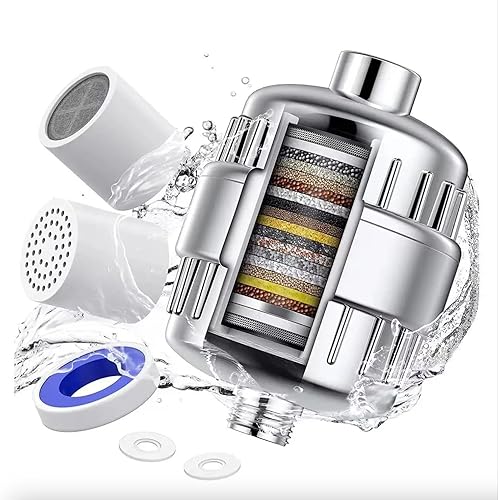
Premium 25-Stage Shower Filter
The “softening stage” with its six layers of resin and mineral balls is what sets this apart. If you have hard water and hate the feeling of soap not rinsing clean, this filter makes a tangible difference. Water feels “slippery” in a good way. The vitamin C claim is dubious for a shower filter, but the softening effect is real. A great choice for hard water areas on a tight budget.
- Effective water softening for the price
- Very affordable upfront cost
- Includes multiple softening media types
- High stage count is exaggerated
- Long-term durability is a question mark
Budget Finds on AliExpress
We also scout for value. These two are solid for specific, non-critical uses:

Multi-Layer Pet Water Fountain Filter
At $7.52, this washable sponge filter for pet fountains is a no-brainer. It’s not for human drinking water, but it does a great job of catching fur and large debris, extending the life of your fountain’s main ceramic filter or carbon core. Washable and reusable—it’s saved our readers a bundle.
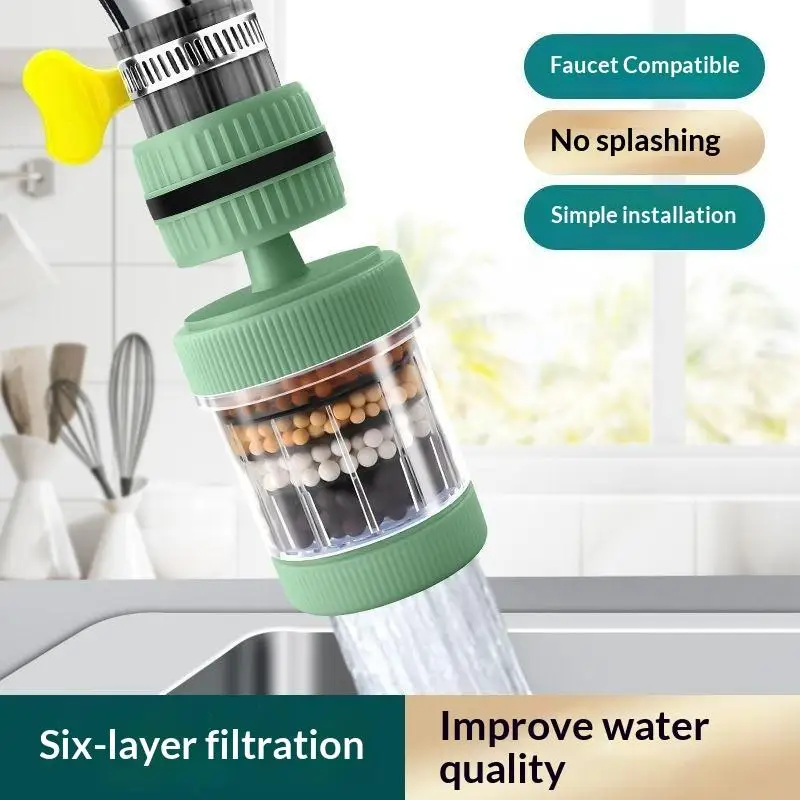
Multi-Stage Faucet Mount Filter
For $7.34, this screw-on faucet filter is surprisingly effective for improving taste. It uses a basic carbon cartridge. We found it perfect for renters or for a utility sink where you want slightly better water for washing vegetables. Don’t expect it to remove heavy metals, but for chlorine taste, it works. A cheap way to try multi-stage filtration.
Frequently Asked Questions
- What does “stage” mean in a water filter?
- A “stage” refers to a separate filtration step or chamber containing a specific type of filter media. A 3-stage filter has three different materials the water passes through sequentially, each targeting different contaminants.
- Is a higher stage count always better?
- Not necessarily. Quality trumps quantity. A well-designed 4-stage system with certified media can outperform a 10-stage system with generic materials. Focus on what each stage removes, not the number.
- How often do I replace multi-stage filter cartridges?
- It varies by stage. Sediment pre-filters may need replacement every 3-6 months. Carbon blocks often last 6-12 months. Specialty media like KDF or resin can last 12-24 months. Always follow the manufacturer’s gallon rating or time recommendation.
- Can a multi-stage filter remove bacteria or viruses?
- Only if it includes a specific stage designed for microbiological purification, such as an ultrafiltration membrane (often rated at 0.02 microns) or a UV light stage. Standard carbon and sediment filters do not remove bacteria. For that, you need dedicated drinking water treatment methods.
- Do multi-stage filters waste water?
- Traditional multi-stage filters (like under-sink carbon systems) do not waste water. However, if the system includes a reverse osmosis membrane as one of its stages, then yes, it will produce wastewater (brine) that goes down the drain.
- Can I install a multi-stage under-sink filter myself?
- Many systems are designed for DIY installation with quick-connect fittings. You’ll need to drill a hole for the dedicated faucet if you don’t have an existing one. If you’re not comfortable with basic plumbing, hiring a professional is a safe bet.
Final Thoughts
After years in this industry, my take is simple: multi-stage filters are the right choice for most households with specific water quality complaints. A single-stage filter is like using a hammer—good for one job. A multi-stage system is a proper toolkit. The key is to buy based on your water test, not on flashy stage counts.
For shower filters, the AquaBliss High Output remains our top recommendation for its balance of performance, build quality, and long-term value. For drinking water, invest in a certified 4- or 5-stage under-sink system. It will outperform and outlast any gimmicky 20-stage countertop unit. Filter your water with purpose, not with marketing hype.
