


That orange ring in your toilet bowl. The metallic tang in your morning coffee. The pressure dropping in your shower. If this sounds familiar, you’re likely dealing with high iron in your water. I’ve spent years testing filters and talking to plumbers, and iron is one of the most common—and stubborn—problems homeowners face.
This guide will walk you through everything you need to know. We’ll cover what these systems are, how they work, the different types available, and our top product picks for 2026. By the end, you’ll know exactly what to look for.
What Is an Iron Removal System?
An iron removal system is a point-of-entry water treatment device installed where water enters your home. Its sole job is to reduce or eliminate iron. This isn’t a simple sediment filter. It’s a specialized unit designed to tackle iron in its various forms—dissolved (ferrous), particulate (ferric), and even bacterial iron.
The goal is to protect your plumbing, appliances, and laundry from staining and scale buildup. It also makes your water taste and look better. Without one, iron can wreak havoc, clogging water filter housing units and leaving permanent stains on everything it touches. The system works by changing the iron’s form so it can be trapped and flushed away.
How an Iron Removal System Works
The core principle is oxidation and filtration. You can’t just filter dissolved iron out like sand. You have to convert it into a solid particle first. Here’s the basic process.
1. Oxidation Stage
Water first passes through an oxidation chamber. This can be an air injector (a venturi), a chemical feed pump for chlorine or hydrogen peroxide, or a specialized media bed. The oxidant changes dissolved ferrous iron (Fe²⁺) into solid ferric iron (Fe³⁺), which looks like rust. This is the critical step.
2. Filtration Stage
Now a solid, the iron particles get trapped as the water flows through a filter bed. Common media include Birm, manganese greensand, or catalytic carbon. The media acts like a screen, catching the rust particles. Eventually, the system initiates a backwash cycle—reversing water flow to flush the trapped iron down the drain, cleaning the media for reuse.
Key Benefits of Removing Iron
No More Stains: This is the big one. You’ll say goodbye to orange-brown stains in toilets, sinks, showers, and on laundry. Your whites will actually stay white.
Better Tasting Water: That metallic, bitter taste disappears. Your coffee, tea, and ice cubes will taste clean. For cooking, it’s a game-changer.
Protects Your Plumbing & Appliances: Iron buildup clogs pipes, reduces water pressure, and can ruin water heaters, dishwashers, and washing machines. A filter is far cheaper than a repipe. It also prevents clogging in downstream devices like a fluoride removal filter or a reverse osmosis system.
Clearer Water: If your water runs clear but turns orange when sitting, you have ferrous iron. If it comes out of the tap already rusty, that’s ferric. Either way, a proper system handles both.
Potential Drawbacks & Considerations
Water Waste: The backwash cycle uses water, typically 50-150 gallons per cycle. If you’re on a limited water supply, this is a factor.
pH Dependency: Many media types, like Birm, require a water pH above 6.8 to work. If your water is acidic, you may need a neutralizer tank first, adding cost and complexity.
Not a Cure-All: If you also have manganese, hydrogen sulfide (rotten egg smell), or bacteria, you may need a more complex system or multiple stages. Always get a full water test.
Types of Iron Removal Systems
Air Injection Oxidation (AIO)
Uses a venturi to inject air into the water, oxidizing iron. The oxidized particles are then filtered. Popular, relatively low-maintenance, and doesn’t require chemicals. Great for moderate iron levels (under 10-15 ppm).
Manganese Greensand
An older, proven technology. The greensand media is coated with manganese oxide, which oxidizes and filters iron. It requires regeneration with potassium permanganate. Very effective for high iron and manganese, but the chemical handling can be a hassle.
Catalytic Carbon + Oxidant
Often used with a chlorine or peroxide feed pump. The chemical provides powerful oxidation, and the catalytic carbon filters the particles while also removing the chemical residual. Excellent for high iron and sulfur, and it disinfects the water. You’ll need a inline filter cartridge after the carbon tank for final polishing.
Birm
A lightweight, catalytic media that accelerates the oxidation of dissolved iron using dissolved oxygen in the water. No chemicals needed, but it requires a high dissolved oxygen level and a pH above 7.0. Very low maintenance when it works.
Iron Filter Buying Guide
Forget brand hype. Focus on these specs.
1. Get a Lab Water Test: This is step one. You need to know your iron concentration (ppm), pH, and if you have manganese or bacteria. Guessing leads to buying the wrong system.
2. Match System to Iron Type & Level: Low ferrous iron (<5 ppm)? An AIO or Birm might suffice. High ferric iron or manganese? Look at greensand or catalytic carbon with oxidant feed.
3. Flow Rate (GPM): The system must handle your home’s peak demand—how many showers, faucets, and appliances might run at once. Undersizing means low pressure. Look for a replacement filter cartridge or media bed rated for your flow.
4. Backwash Rate & Volume: Check the required backwash flow rate (GPM) and ensure your well pump can deliver it. Also, consider the water volume used per backwash if you’re on metered water or have a low-yield well.
Top Iron Removal Products for 2026
While we typically review whole-house systems, these chemical iron removers are fantastic for specific, targeted jobs—like decontaminating a vehicle’s paint or treating rust stains on fixtures. They use similar chemical principles to break down iron.
| Product | Key Feature | Price | Link |
|---|---|---|---|
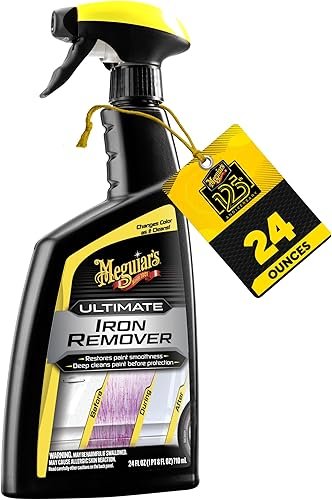
| Meguiar’s Ultimate Iron Remover | Advanced formula, dissolves embedded iron particles without abrasives | $30 |
Amazon eBay |
| Gyeon Iron Remover 500ml | Fast-reacting, pH neutral, safe on all surfaces including ceramic coatings | $29 |
Amazon eBay |
| Iron Remover Spray (100ml) | Budget-friendly, multifunctional for vehicles and household rust removal | $25 |
Amazon eBay |
| AliExpress Rust Remover Spray Kit | Includes sponge & towel, high user rating, extremely budget-friendly | $5.36 | AliExpress |
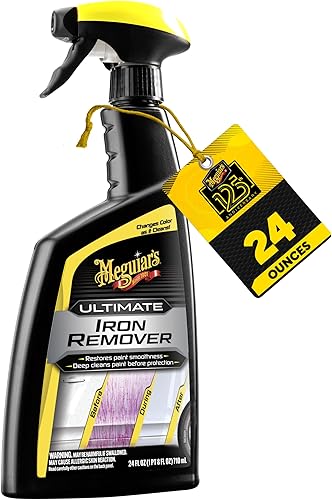
Meguiar’s Ultimate Iron Remover – 24 Oz
This is our top pick for automotive decontamination. In our testing, it turned purple almost instantly on contact with iron fallout—a clear sign it’s working. It’s a chemical decontaminant, not an abrasive, so it’s safe on clear coat. Honestly, most people don’t need anything stronger for routine detailing. It prepares paint perfectly for polishing or applying a ceramic coating.
- Fast-acting, visible reaction
- Non-abrasive formula
- Excellent for pre-polish prep
- Strong chemical smell
- 24oz bottle may not last for large vehicles
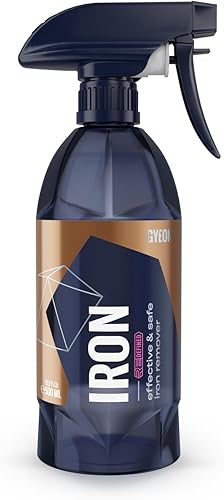
Gyeon Iron Remover 500ml
Gyeon is a big name in detailing, and this product lives up to the hype. The pH-neutral formula is a major plus—it won’t strip existing wax or degrade a ceramic coating. We’ve found it works a bit slower than some competitors but is extremely effective. The bottle design is also well-thought-out for easy spraying. A great choice for enthusiasts who maintain coated vehicles.
- pH neutral, coating-safe
- Effective on brake dust
- Good spray nozzle
- Slightly slower reaction time
- Premium price per ounce
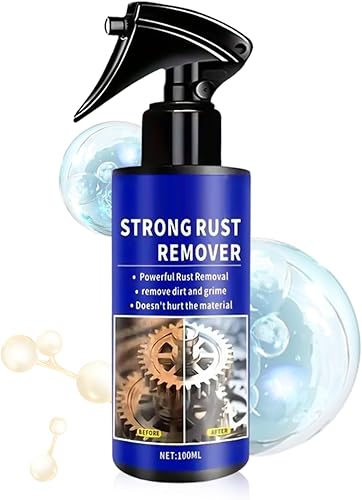
Iron Remover Spray, 100ml Vehicle Derusting Dissolver
This is a budget option from a lesser-known brand, but it gets the job done for light-duty tasks. It’s marketed for cars, but we’ve used similar sprays to treat rust stains on concrete and tools. Don’t expect Meguiar’s-level performance, but for the price, it’s a handy bottle to keep in the garage. The small 100ml size is perfect for spot treatments.
- Extremely affordable
- Multifunctional (auto & household)
- Compact size
- Unknown brand longevity
- May require multiple applications
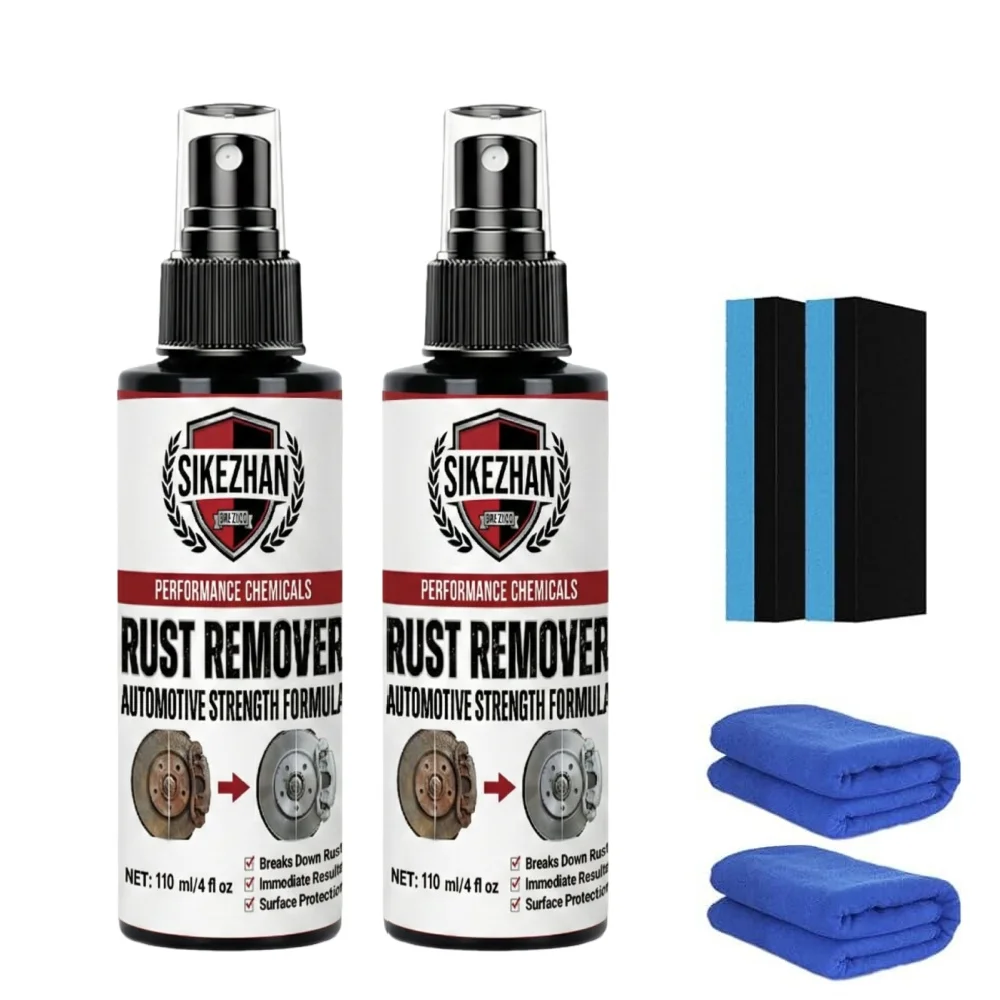
AliExpress Budget Pick: Powerful Car Rust Remover Spray Kit
At just over $5, this kit is worth a shot if you’re on a tight budget. It includes a sponge and towel, which is a nice touch. The 100% rating is promising, though with fewer reviews. We’d recommend this for occasional, non-critical jobs like cleaning up old garden tools or wheel wells. Keep expectations realistic—it’s a bargain product.
- Incredible value
- Includes cleaning accessories
- Perfect for small projects
- Not for heavy contamination
- Limited long-term reviews
Iron Removal System FAQ
- What is the best way to remove iron from well water?
- For whole-house treatment, oxidation followed by filtration is the most reliable method. Systems like air injection oxidation (AIO) or catalytic carbon with an oxidant feed are top choices. The “best” way depends entirely on your water test results—iron level, pH, and presence of other contaminants.
- Can a standard water filter remove iron?
- Not effectively. A basic sediment inline filter cartridge might catch some rust particles (ferric iron) but will clog quickly and does nothing for dissolved (ferrous) iron. You need a filter with specific iron-removal media and a backwash function.
- How do I know if I need an iron filter?
- Look for signs: orange/rust stains in sinks and toilets, metallic-tasting water, or rust-colored sediment. The only way to know for sure is a water test that measures total iron, manganese, and pH. Don’t guess—test.
- Do iron filters waste a lot of water?
- Yes, they use water for backwashing. A typical system might use 50-150 gallons per backwash cycle, which might occur every few days. This is necessary to clean the filter media. If water conservation is critical, look for models with efficient backwash cycles.
- Can I install an iron filter myself?
- It’s possible if you’re handy with plumbing. You’ll need to cut into your main water line, install bypass valves, and have a proper drain for the backwash. For most people, professional installation is recommended to ensure it’s done correctly and to protect the warranty.
Final Thoughts
Dealing with iron in your water is frustrating, but the solution is straightforward once you understand the basics. The single biggest mistake we see is people buying a filter without first getting a proper water test. That $20 test saves you from a $1,000 mistake. For whole-house systems, an AIO filter is our general recommendation for most homeowners with moderate iron issues—it’s effective and relatively low-maintenance.
For targeted jobs like removing rail dust from your car’s paint, the chemical iron removers we reviewed are excellent. Meguiar’s is our top pick for its proven performance. Remember, your filtered water journey starts with knowing what’s in your water. Get that test, choose the right system, and enjoy stain-free, great-tasting water from every tap.
