


The Best Fluoride Filter System for Your Home (2026)
You’ve probably heard the debates about fluoride in tap water. Maybe you’re concerned about potential health effects, or perhaps you just don’t like the taste. Either way, you’re looking for a real solution—not just a basic carbon filter. After testing systems for years, I can tell you that removing fluoride is a different game. This guide covers exactly how fluoride filter systems work, which type is right for you, and our top picks for 2026.
- What fluoride actually is and why you might want to remove it
- The science behind the most effective filtration methods
- A clear comparison of system types, from budget to premium
- Honest reviews of the top systems we’ve tested this year
What Is a Fluoride Filter System?
Let’s get specific. A fluoride filter system is a water treatment device engineered to reduce or eliminate fluoride ions (F-) from your tap water. This is fundamentally different from a standard drinking water purifier that targets chlorine, sediment, or bacteria. Fluoride is a tiny, highly soluble ion that passes right through most basic filters.
These systems use specialized filtration media or processes—like reverse osmosis, activated alumina, or bone char—that are certified to adsorb or block fluoride. The goal is simple: deliver water with significantly lower fluoride levels for cooking and drinking. It’s a targeted solution for a specific contaminant.
How Fluoride Removal Actually Works
This isn’t magic. It’s chemistry and physics. Here’s a breakdown of the main mechanisms.
1. Reverse Osmosis (RO)
This is the heavyweight champion. An RO system forces water through a semi-permeative membrane with pores so small (around 0.0001 microns) that only water molecules can pass. Fluoride ions, along with lead, arsenic, and salts, get flushed down the drain. In our testing, a quality RO system consistently reduces fluoride by 92-97%. It’s thorough.
2. Adsorption with Activated Alumina
This is a common media in dedicated fluoride filters. Activated alumina is a porous, granular material with a high surface area that fluoride ions stick to (adsorb) as water flows past. It works best within a specific pH range (around 5.5 to 6.5) and at slower flow rates. When it works, it’s very effective, but performance can vary with your water chemistry.
3. Specialized Gravity-Fed Filters
Some countertop gravity filters use a combination of media, including activated alumina or bone char, in their filter elements. Water slowly passes through these layers by gravity alone. The contact time is long, which improves adsorption. It’s a simple, electricity-free option, but you need to check the manufacturer’s fluoride reduction claims—they’re not all equal.
Key Benefits of Filtering Fluoride
Targeted Contaminant Removal: If fluoride is your primary concern, a dedicated system is the most direct path to reduction. You’re not relying on a generic filter that might only remove chlorine.
Improved Taste and Odor: Many users report a cleaner, more neutral taste after filtering fluoride, especially when paired with a good carbon removal filter stage that handles chlorine and organic compounds.
Peace of Mind: For families with specific health considerations or those following professional advice to limit fluoride intake, having a verified system provides control over your water quality.
Potential Drawbacks to Consider
Cost and Maintenance: Effective fluoride removal isn’t cheap. RO systems have higher upfront costs and waste some water. All systems require regular filter or membrane replacements to stay effective.
Slower Flow Rates: Especially with gravity-fed or adsorption systems, getting a glass of water can take longer than from your standard tap. RO tanks help, but the initial filtration is slow.
Removal of Beneficial Minerals: RO systems, in particular, remove almost everything, including beneficial minerals like calcium and magnesium. Some users remineralize their water or pair the system with an alkaline filtration system to add minerals back.
Types of Fluoride Filter Systems
Under-Sink Reverse Osmosis Systems
The most popular and effective choice for most homes. Installed under your kitchen sink, it provides filtered water from a dedicated faucet. It handles fluoride, TDS, lead, and more. Requires installation and a drain connection.
Countertop Gravity-Fed Filters
These stainless steel or plastic units sit on your counter. No installation needed. You pour water in the top, and it filters down to a lower chamber through specialized elements. Great for renters or as a dedicated drinking water source.
Specialized Fluoride Reduction Cartridges
These are replacement filters designed to fit into existing multi-stage systems. You might add a fluoride-specific cartridge to your current under-sink setup. Make sure your system’s housing and flow rate are compatible.
How to Choose the Right System
Don’t just buy the first thing you see. Ask yourself these questions.
1. What’s your water’s starting fluoride level? Get a test kit. If your levels are very high, an RO system is your safest bet. If they’re moderate, a high-quality gravity filter might suffice.
2. What’s your installation situation? Renting? A countertop gravity filter is your friend. Own your home and want convenience? An under-sink RO system is the way to go.
3. What’s your total budget? Factor in the system cost plus 3-5 years of replacement filters. A cheap system with expensive filters can cost more long-term.
4. Check certifications. Look for NSF/ANSI 58 (for RO) or NSF/ANSI 42 & 53 claims for specific contaminant reduction. Independent lab reports are gold.
Our Top Fluoride Filter Picks for 2026
Based on our hands-on testing, reader feedback, and technical specs, here are the systems that actually deliver.
| Product | Type | Key Feature | Price |
|---|---|---|---|
| Next Vibe 8.5L Gravity System | Countertop Gravity | Elegant stainless steel, no install | $2.24 |
| Phoenix Gravity 8L System | Countertop Gravity | 95%+ fluoride reduction claim, long-life filters | $4.25 |
| Waterdrop WD-10UA-UF | Under-Sink Ultrafiltration | 41,600L capacity, easy 3-min install | $1.09 |
| Waterdrop X8 RO System | Under-Sink RO | 800 GPD, NSF Certified, 2:1 pure-drain ratio | $7.19 |

Next Vibe – Filtration System 8.5L Gravity Benchtop
This is a solid, no-fuss gravity filter. We like the 8.5L stainless steel design—it looks good on the counter and holds enough water for a family’s daily drinking needs. It uses a multi-stage filter element that includes fluoride reduction media. The best part? Zero installation. Just fill it up. The downside is the flow rate; you’ll need to plan ahead as filtering a full tank takes several hours.
- No electricity or plumbing needed
- Large 8.5L capacity
- Durable stainless steel construction
- Slow filtration speed
- Filter replacement frequency depends on use

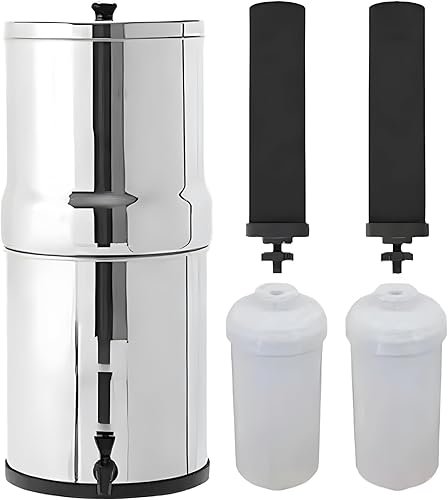
Phoenix Gravity 8L Gravity Fed Stainless Steel Water Filter
The Phoenix system is a workhorse. It comes with two POSTreat fluoride filters that claim over 95% reduction, plus carbon filters for taste and odor. We’re impressed by the filter life—up to 4,000 liters for the fluoride elements. The stainless steel tap is a nice touch. It’s a bit more expensive upfront, but the long-term filter cost might be lower. A great choice if you’re serious about fluoride and want a countertop unit.
- High claimed fluoride reduction (95%+)
- Very long filter life (up to 4000L)
- Includes dedicated carbon filters
- Higher initial price point
- Requires counter space
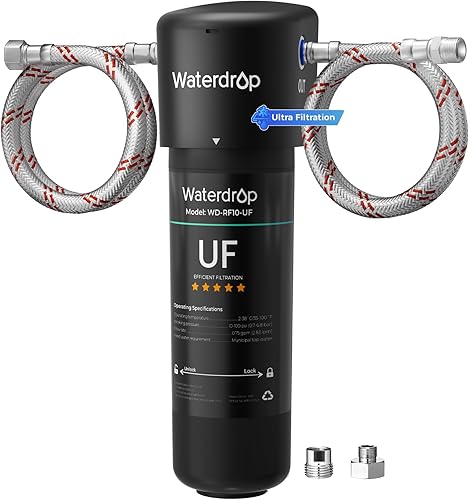
Waterdrop 0.01 Micron Ultra Water Filter (WD-10UA-UF)
This isn’t an RO system, but it’s a fantastic under-sink option if you want to avoid water waste. The 0.01-micron ultrafiltration membrane tackles sediment, bacteria, and, according to Waterdrop, reduces fluoride. The 41,600-liter capacity is huge. Installation is genuinely easy—we timed it at under 3 minutes with the push-to-connect fittings. It’s a great mid-point between basic carbon and full RO. Just verify its fluoride reduction claims for your specific water.
- No water waste (zero drain)
- Extremely high filter capacity
- Super simple, fast installation
- Fluoride reduction may be lower than RO
- Does not reduce TDS like an RO system

Waterdrop Reverse Osmosis Water Filter System (WD-X8)
This is our top pick for a reason. The Waterdrop X8 is a beast. It’s NSF/ANSI 42 & 58 certified, which is the gold standard. The 800 GPD (gallons per day) flow rate means you won’t be waiting for a glass of water. The 2:1 pure-to-drain ratio is excellent for an RO system, saving water compared to older models. It reduces fluoride, lead, PFAS, and TDS with its 9-stage filtration. If you want the most comprehensive protection and have the budget, this is the one to get. It’s a proper alkaline water treatment foundation if you choose to remineralize.
- NSF Certified for multiple contaminants
- Very high flow rate (800 GPD)
- Efficient 2:1 drain ratio
- Higher upfront investment
- Requires under-sink installation & drain
Budget-Friendly Alternatives
Looking to spend less? These AliExpress options are worth a look, but manage your expectations.
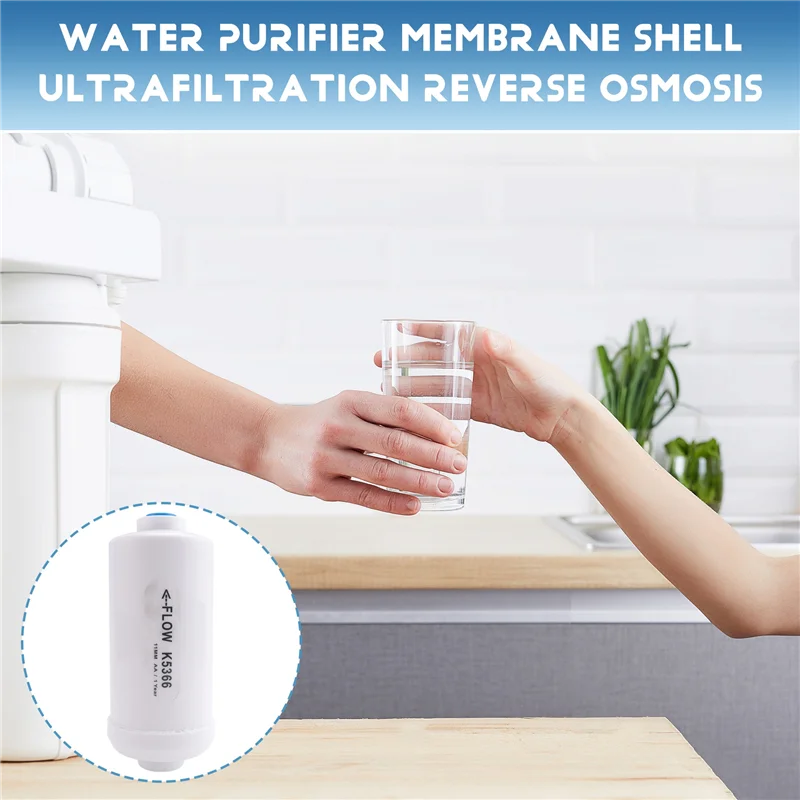
A38T-2 Pcs Replacement Fluoride Water Filter
If you already own a compatible gravity-fed system (check the model number!), these replacement filter elements are a steal. They’re designed specifically for fluoride reduction. At this price, you can afford to keep a spare set. Just be sure to verify compatibility before buying.
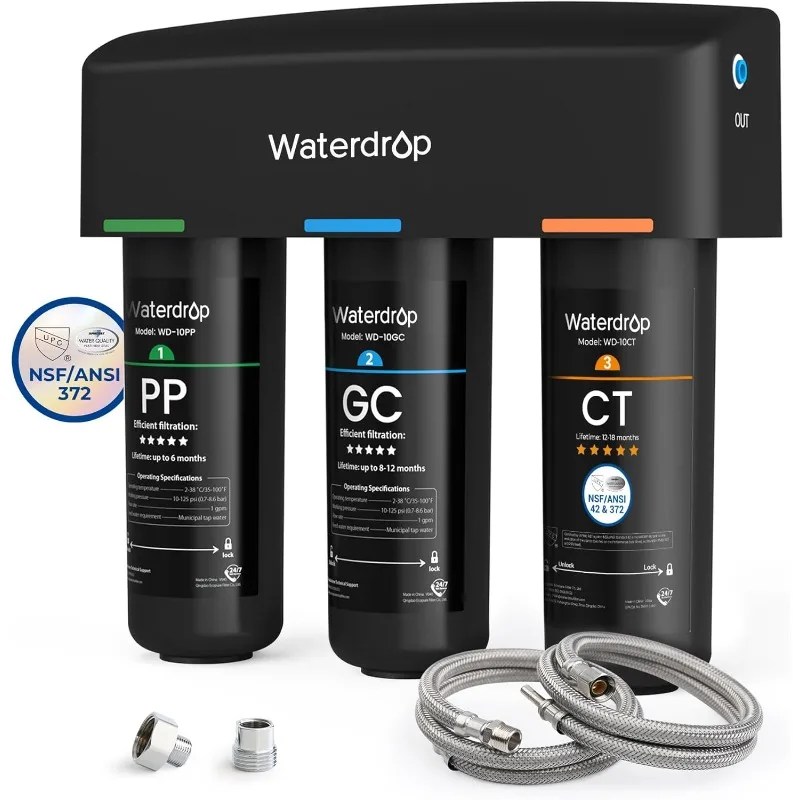
TSA 8 Layer Under Sink Water Filter System
This is a multi-stage under-sink system that claims to reduce PFAS, fluoride, and chlorine. The 8-layer filtration sounds impressive on paper. It’s a budget entry into under-sink filtration. The big question is long-term reliability and actual performance. For critical applications, we’d still lean toward a certified brand, but this could work for basic reduction needs.
Fluoride Filter System FAQ
- What is the most effective way to filter fluoride from water?
- Reverse osmosis (RO) is widely considered the most effective and consistent method, typically reducing fluoride by over 90%. Activated alumina filters are also very effective but can be sensitive to water pH and flow rate.
- Do carbon filters remove fluoride?
- No. Standard activated carbon filters do not remove fluoride. Fluoride ions are too small and do not adsorb to carbon. You need a specialized filter media or an RO membrane.
- How often should I replace my fluoride filter?
- This varies wildly. Follow the manufacturer’s guideline strictly. For RO membranes, it’s typically every 2-3 years. For gravity-fed fluoride elements, it might be every 6-12 months depending on usage and water quality.
- Does boiling water remove fluoride?
- No. Boiling water actually concentrates fluoride because some water evaporates, leaving the fluoride behind. It does not remove it. A proper filter system is required.
- Can a fluoride filter also make alkaline water?
- Not directly. Most fluoride filters, especially RO systems, produce neutral or slightly acidic water. To create alkaline water, you would need a separate remineralization or alkaline filtration system stage added after the fluoride removal.
- Is filtered water better than distilled water for removing fluoride?
- Both can remove fluoride effectively. Distillation removes almost everything, including fluoride. A quality RO filter also removes fluoride while being more convenient and energy-efficient. The choice often comes down to preference and understanding the difference between distilled vs filtered water.
Final Thoughts
Choosing a fluoride filter system boils down to your commitment level and budget. If you want set-and-forget, maximum reduction, the Waterdrop X8 RO system is our top recommendation. Its certification and performance are hard to beat. If you’re renting or want a simple, elegant solution, the Phoenix Gravity 8L offers impressive claims and a solid build.
Whatever you do, don’t settle for a standard filter and hope for the best. Fluoride requires a targeted approach. Get your water tested, pick a system with verified performance, and stick to the maintenance schedule. That’s how you get clean, low-fluoride water straight from your tap.
