


.oi-article{font-family:system-ui,-apple-system,sans-serif;color:#1a1a1a;line-height:1.8;max-width:820px;margin:0 auto}
.oi-article h2{color:#0e4a6e;border-bottom:2px solid #0e4a6e;padding-bottom:8px;margin-top:35px;font-size:1.6em}
.oi-article h3{color:#1a6b8a;margin-top:25px;font-size:1.3em}
.oi-toc{background:#f0f7fb;border-left:4px solid #0e4a6e;padding:20px 25px;margin:25px 0;border-radius:6px}
.oi-toc ul{list-style:none;padding:0;margin:0}.oi-toc li{padding:5px 0}
.oi-toc a{color:#0e4a6e;text-decoration:none;font-weight:500}.oi-toc a:hover{text-decoration:underline}
.oi-tip{background:#e8f5e9;border-left:4px solid #2e7d32;padding:15px 20px;margin:20px 0;border-radius:6px}
.oi-warn{background:#fff3e0;border-left:4px solid #ef6c00;padding:15px 20px;margin:20px 0;border-radius:6px}
.oi-tldr{background:#e3f2fd;border-left:4px solid #1565c0;padding:15px 20px;margin:20px 0;border-radius:6px;font-size:1.05em}
.oi-cmp-table{width:100%;border-collapse:collapse;margin:25px 0;font-size:0.95em}
.oi-cmp-table th{background:#0e4a6e;color:#fff;padding:12px 10px;text-align:left}
.oi-cmp-table td{padding:10px;border-bottom:1px solid #e0e0e0;vertical-align:middle}
.oi-cmp-table tr:hover{background:#f5f5f5}
.oi-cmp-table img{max-width:80px;height:auto;border-radius:6px}
.oi-btn{display:inline-block;padding:8px 16px;border-radius:5px;color:#fff!important;text-decoration:none;font-size:0.85em;font-weight:600;margin:3px 4px 3px 0}
.oi-btn-amz{background:#f0960a}.oi-btn-amz:hover{background:#d4840a}
.oi-btn-ebay{background:#0654ba}.oi-btn-ebay:hover{background:#044a9e}
.oi-btn-ali{background:#e43225}.oi-btn-ali:hover{background:#c42a1f}
.oi-review{overflow:hidden;margin:25px 0;padding:20px;background:#fafafa;border-radius:8px;border:1px solid #e8e8e8}
.oi-review img{float:right;max-width:140px;margin:0 0 15px 20px;border-radius:8px}
.oi-pros-cons{display:flex;gap:20px;margin:10px 0}.oi-pros,.oi-cons{flex:1}
.oi-pros li{color:#2e7d32}.oi-cons li{color:#c62828}
.oi-faq dt{font-weight:700;color:#0e4a6e;margin-top:18px}.oi-faq dd{margin:5px 0 0 0}
.oi-disclosure{background:#f5f5f5;padding:15px 20px;margin-top:35px;border-radius:6px;font-size:0.9em;color:#555}
After testing filters for over a decade, I can tell you one thing: the world of drinking water is full of myths, marketing fluff, and genuine concerns. Is your tap water safe? Do you really need to spend hundreds on a filter system? We’ve cut through the noise.
This guide covers what’s actually in your glass, how different treatments work, and how to choose the right system for your home. We’ll look at everything from simple jugs to whole-house setups.
What Is Drinking Water, Really?
Let’s get one thing straight. “Drinking water” isn’t just H2O. It’s a complex solution. Your tap water, even if it meets safety standards, contains a cocktail of added disinfectants like chlorine, minerals from the source, and trace amounts of things you’d probably rather not think about—like pharmaceuticals or agricultural runoff.
The source matters immensely. Municipal water is treated and tested regularly. Well water is your responsibility. And bottled water? It’s often just filtered tap water with a fancy label and a massive markup. Honestly, the single biggest mistake we see is people paying for bottled water without first testing their own tap.
How Water Treatment Works
Whether it’s a city plant or your under-sink filter, treatment follows similar principles. The goal is to remove undesirable components. Here’s a simplified look at the process.
Municipal Treatment Steps
First, water goes through coagulation, where chemicals cause small particles to clump together. Then it settles in large tanks. Next comes filtration through sand or membranes. Finally, a disinfectant—usually chlorine—is added to kill pathogens before it enters the pipes to your home.
Point-of-Use Filtration
This is where you take control. After the water leaves the tap, a filter can target what the plant missed or what the pipes added. A basic carbon filter cartridge is brilliant for removing chlorine taste and odor, along with some volatile organic compounds. It works through adsorption, where contaminants stick to the vast surface area of the carbon.
Key Benefits of Filtration
Better Taste and Odor. This is the number one reason people buy a filter. Removing chlorine and sulfur makes water more pleasant to drink. You’ll drink more of it. That’s a win.
Removal of Specific Contaminants. Depending on the filter type, you can target lead from old pipes, disinfection byproducts, or even microplastics. If your local water has a known issue, filtration is your best defense.
Cost Savings Over Bottled Water. The math is simple. A $60 filter system that lasts a year beats spending $1-2 per bottle daily. You’ll save hundreds and cut down on plastic waste.
Peace of Mind. Knowing you’ve added an extra barrier against whatever might be in your supply is valuable. It’s especially important for families with young children or anyone with a compromised immune system.
Potential Drawbacks to Consider
Ongoing Maintenance. Filters aren’t install-and-forget. Cartridges need replacing every 2-12 months, depending on use and type. Skip this, and your system becomes useless or even harmful.
Initial Cost. A quality reverse osmosis system isn’t cheap. You might spend $200-$500 upfront. But again, compare that to years of bottled water purchases.
Water Waste. Some systems, particularly reverse osmosis, waste water in the purification process. For every gallon of clean water, they might send 2-3 gallons down the drain. This depends on your water quality and local costs.
Types of Filtration Systems
Activated Carbon Filters
The most common type. Found in pitchers, faucet mounts, and under-sink units. They excel at improving taste and removing chlorine. For more targeted contaminant removal, you’ll need something more advanced.
Reverse Osmosis (RO) Systems
The heavy hitter. RO forces water through a semipermeable membrane, removing up to 99% of dissolved salts, particles, bacteria, and pyrogens. It’s thorough but produces waste water and can remove beneficial minerals.
Ceramic Filters
Often used in gravity-fed countertop systems. A ceramic candle filter
has tiny pores that block sediment, bacteria, and protozoa. They’re great for camping or as a backup, but they don’t remove chemical contaminants.
Ultraviolet (UV) Purification
UV light scrambles the DNA of bacteria and viruses, rendering them harmless. It’s fantastic for disinfection but does nothing for taste, chemicals, or heavy metals. It’s usually paired with another filter type.
Alkaline/Ionizing Filters
These are controversial. An ionizing water filter claims to raise pH and offer antioxidant benefits. The science on health benefits is thin, but some people swear by the taste. We approach these with healthy skepticism.
Buying Guide: What Actually Matters
Forget the marketing hype. Focus on these four things.
1. Get Your Water Report. This is step one. Your municipality publishes an annual Consumer Confidence Report. If you’re on a well, get it tested professionally. You can’t choose the right filter if you don’t know what you need to remove.
2. Match the Filter to the Contaminant. Need chlorine filtration? A good carbon block will do. Worried about lead or PFAS? You’ll need a system certified to NSF/ANSI 53 or 58. Don’t overbuy.
3. Consider Your Usage and Space. A pitcher is fine for a single person in an apartment. A family of four will need an under-sink system or a whole-house unit. Measure your space and think about your daily water consumption.
4. Calculate Total Cost of Ownership. Add the upfront system cost to the annual filter replacement cost over 5 years. That’s your real price. A cheap system with expensive filters is often a bad deal.
Our Top Picks for 2026
We’ve tested dozens of systems. Here are a few standout products for different needs, from portable hydration to home filtration.
| Product | Key Features | Best For | Price |
|---|---|---|---|
 |
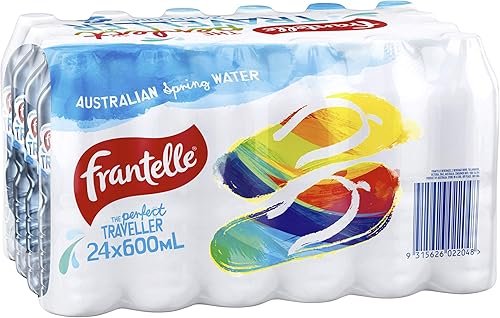
24 x 600ml bottles, pure natural spring water | On-the-go hydration, camping, travel | $12 |
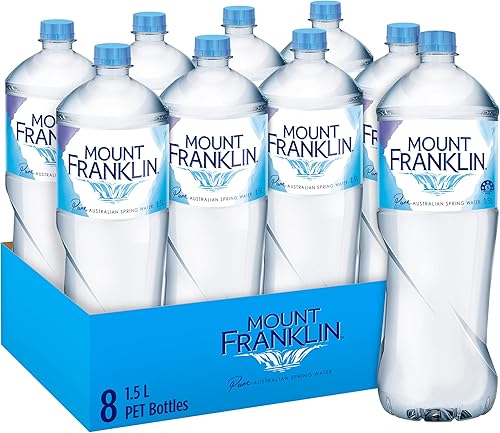 |
8 x 1.5L multipack, trusted brand | Family use, stocking the fridge | $16 |
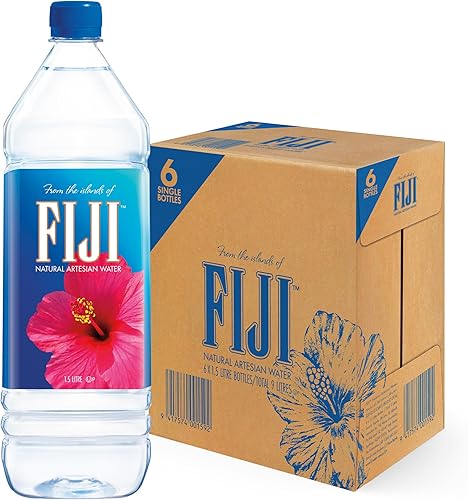 |
6 x 1.5L, soft taste, 7.7 pH | Those who prefer premium bottled water | $23 |
 |
Triple-wall insulated, 48hr cold retention | Athletes, outdoor enthusiasts | $63 |
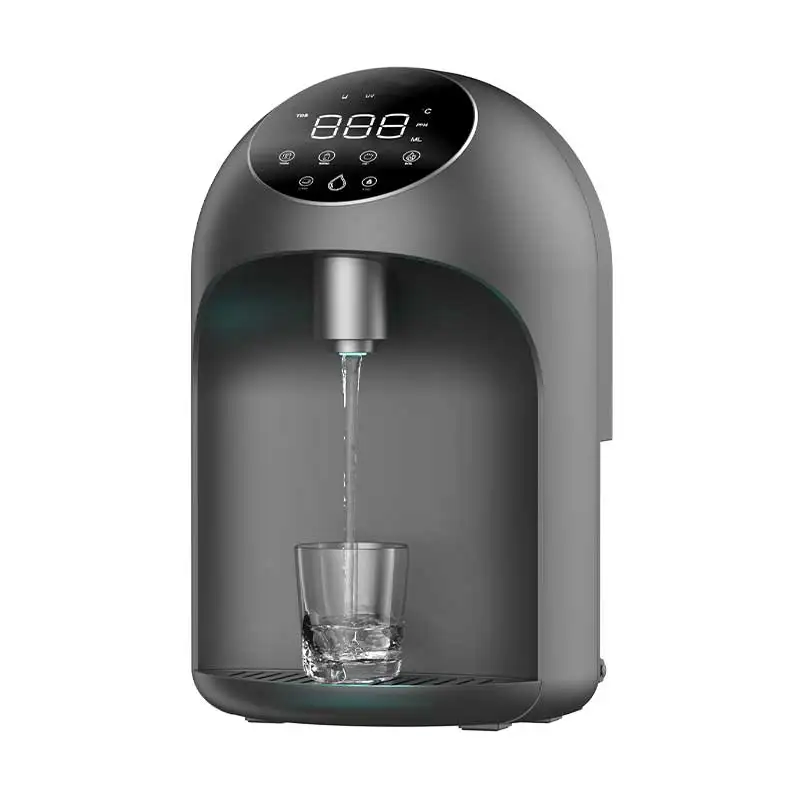 |
Electric, mini, automatic, wall-mounted | Budget-conscious, space-saving direct dispensing | $127.57 |
Frantelle Spring Water, 24 x 600ml
This is solid, no-fuss bottled water. We’ve taken these on road trips and to campsites. The 600ml size is perfect for tossing in a bag. It tastes clean and neutral—exactly what you want from a spring water. Honestly, if you’re buying bottled, this multipack offers decent value compared to grabbing singles at a convenience store.
- Convenient pack size for portability
- Reliable, consistent taste
- Good value per bottle
- Still creates plastic waste
- Not a substitute for a home filter
Mount Franklin Spring Water Multipack 8 x 1.5L
Mount Franklin is a household name for a reason. The 1.5L bottles are fridge staples. We like these for families or for keeping at the office. The water has a very slight, pleasant mineral note. The multipack pricing makes it more economical than buying individual large bottles. A trusted choice if bottled water is your primary source.
- Large 1.5L size reduces bottle handling
- Widely trusted brand quality
- Good for stocking up
- Bottles are bulky to store
- Environmental impact of plastic
FIJI Natural Artesian Bottled Water 1.5L (Pack of 6)
Let’s be real: you’re paying a premium for the name and the story of volcanic rock filtration. Is the taste noticeably smoother? In our blind tests, some people could tell the difference, others couldn’t. The 7.7 pH is neutral, not magically “alkaline.” It’s a luxury item. If you enjoy it and can afford it, go for it. But don’t buy it thinking it’s healthier.
- Distinctively soft, smooth taste
- Attractive bottle design
- Consistent quality
- Very high cost per liter
- Questionable health claims
- Significant carbon footprint from shipping
Zukro 1 Gallon Insulated Metal Jug
This isn’t a filter, but it’s a game-changer for carrying your own filtered water. The triple-wall insulation is legit—we left ice water in a hot car for 8 hours, and it was still cold. The built-in straw and spout are clever. It’s heavy when full, but that’s the trade-off for a gallon capacity and serious insulation. Perfect for long hikes or sports days.
- Exceptional 48-hour cold retention
- Durable stainless steel construction
- Two drinking options (straw & spout)
- Heavy and bulky when full
- Higher upfront cost than plastic jugs
AliExpress Budget Pick: Wall Mounted Water Dispenser
This is a niche product for a specific need. If you have a water line you want to access directly without a pitcher or big system, this could work. Installation looks straightforward. However, we’d caution you: with no listed brand or NSF certification, quality and safety are big unknowns. It’s a gamble. We’d only recommend this for non-critical use, like a garage or workshop.
- Space-saving wall-mounted design
- Direct connection eliminates refilling
- Very competitive price point
- Unknown brand and build quality
- No safety certifications listed
- Installation requires plumbing access
Frequently Asked Questions
- Is tap water safe to drink?
- In most developed areas, yes, it meets legal safety standards. However, “safe” doesn’t mean “optimal.” It can still contain chlorine, lead from old pipes, and trace contaminants. A good filter adds a valuable extra layer of protection and improves taste dramatically.
- How often should I change my water filter?
- Follow the manufacturer’s schedule exactly—typically every 2-6 months for pitchers and 6-12 months for under-sink cartridges. A clogged or exhausted filter stops working and can harbor bacteria. Set a calendar reminder.
- Does boiling water purify it?
- Boiling kills bacteria, viruses, and parasites, making it excellent for emergency disinfection. However, it does nothing to remove chemical contaminants, heavy metals, or improve taste. In fact, it can concentrate them as water evaporates.
- What’s the difference between a water filter and a purifier?
- Generally, a filter removes sediment, chlorine, and some chemicals. A purifier is certified to remove bacteria and viruses as well (often using UV or advanced membranes). Check for NSF/ANSI standards 55 (UV) or 58 (RO) for purifier-level claims.
- Is bottled spring water better than filtered tap water?
- Not necessarily. It’s often comparable in quality to well-filtered tap water but costs hundreds of times more and creates plastic waste. The main advantage is convenience. For daily drinking at home, filtering your tap is cheaper and more sustainable.
- Can a water filter remove PFAS (“forever chemicals”)?
- Yes, but you need the right technology. Granular activated carbon (GAC) and high-pressure reverse osmosis membranes are effective. Look for systems specifically tested and certified for PFAS reduction, as this is a growing concern.
Final Thoughts
After all our testing, the conclusion is simple: for most people, a quality point-of-use filter is the smartest investment. It gives you control, saves money long-term, and is better for the planet than bottled water. Start by understanding your water, then choose a certified system that targets your specific concerns.
Don’t get paralyzed by options. A good chlorine removal filter is a fantastic starting point for most city water users. You’ll taste the difference immediately. From there, you can always upgrade if your water test reveals more serious issues. Drink well.
